
 Download PDF
 Download PDF
Market Overview
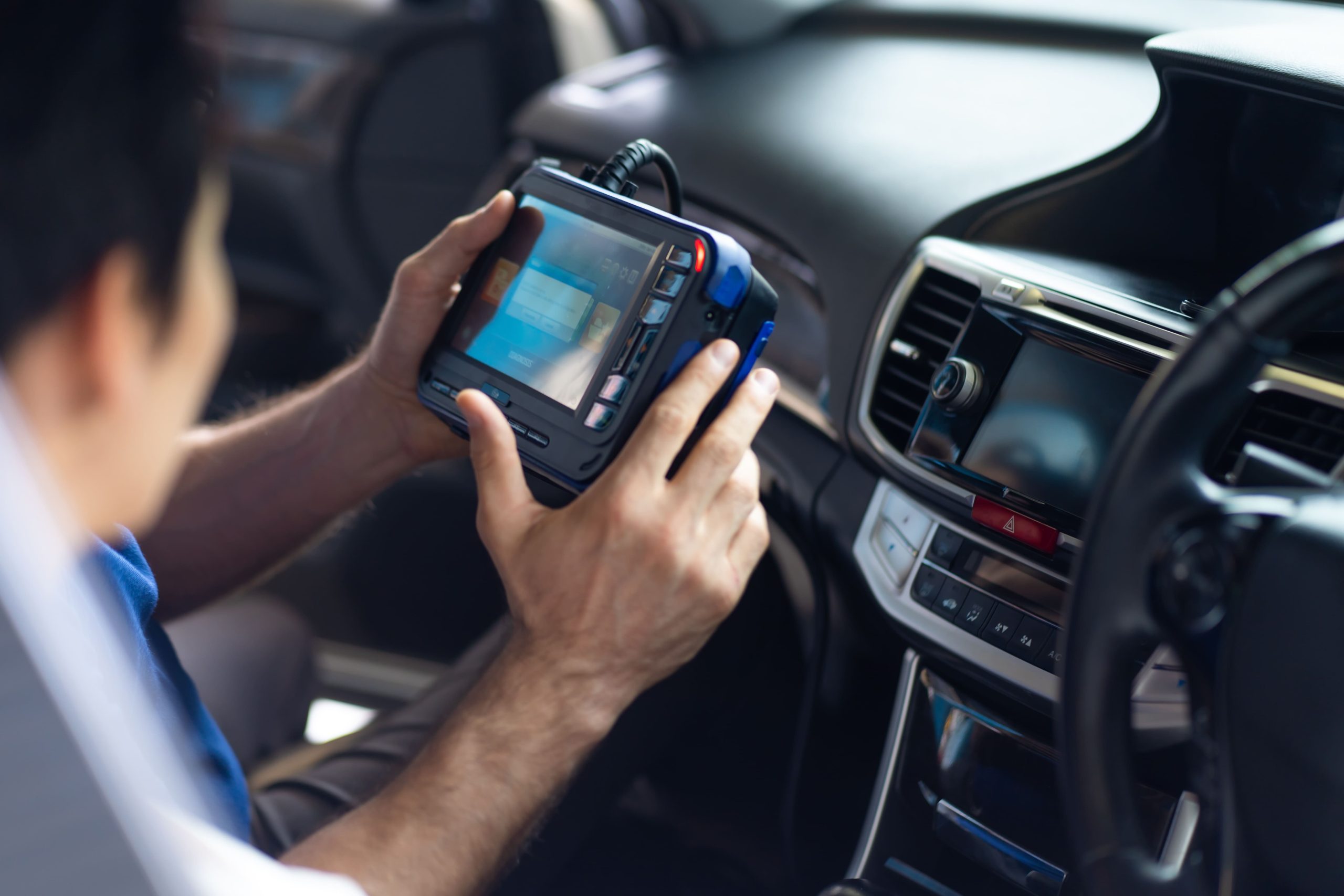
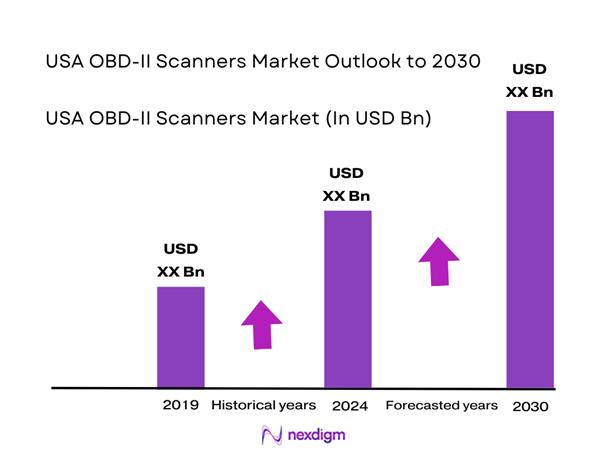
The USA OBD-II scanners market is valued at USD ~ billion in 2024. OBD-II scanners are increasingly used for vehicle diagnostics and repairs, driven by the requirement for compliance with emissions regulations and the growing demand for vehicle health management. The market is impacted by the growing complexity of vehicle systems, leading to a rise in the need for advanced diagnostics, including both professional and consumer-level OBD-II scanners. Rising adoption of electric and hybrid vehicles, as well as increased fleet management practices, continues to further expand the scope of this market.
The USA is a significant market for OBD-II scanners, with key regions such as California, Texas, and New York leading the demand. California’s strict emissions regulations and large vehicle fleet contribute significantly to the demand for these diagnostic tools. Furthermore, states like Texas and Florida have large vehicle markets, driving OBD-II scanner sales. Nationally, the demand is driven by the increasing need for vehicle diagnostics in both professional and DIY automotive repair sectors. The growing number of fleet vehicles across various industries also contributes to the market’s dominance, fostering a robust aftermarket service industry.
Market Segmentation
By Product Type
The USA OBD-II scanners market is divided into wired, wireless, Bluetooth, USB, and smartphone-based OBD-II scanners. Wireless OBD-II scanners have emerged as the dominant segment, owing to the growing preference for convenience and portability. These scanners allow vehicle owners and technicians to perform diagnostics remotely using smartphones or tablets. The ease of use and wide compatibility with various vehicle models have made wireless OBD-II scanners the preferred choice for both professional and consumer-level diagnostics.

By Application
The market is also segmented by application, with automotive diagnostics, fleet management, DIY mechanics, professional automotive repair shops, and vehicle maintenance being the key sub-segments. Automotive diagnostics dominate the market, driven by both regulatory requirements and the growing consumer demand for real-time vehicle health data. OBD-II scanners are essential for ensuring compliance with emissions standards, and their use has been solidified as an industry standard for automotive repair and maintenance across various segments.

Competitive Landscape
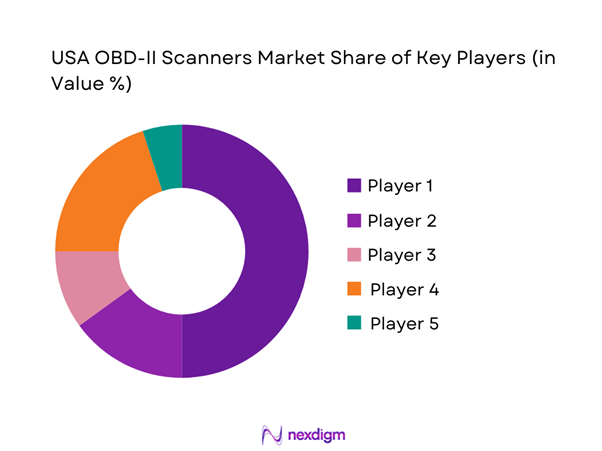
The USA OBD-II scanners market is dominated by a few major players, including Bosch Automotive Service Solutions and global brands like Snap-on Inc., Autel, and Launch Tech. This consolidation highlights the significant influence of these key companies.
| Company | Establishment Year | Headquarters | Product Offering | Revenue | Market Share | Distribution Channels | Pricing Strategy | Customer Base |
| Bosch Automotive Service Solutions | 1886 | United States | ~ | ~ | ~ | ~ | ~ | ~ |
| Snap-on Inc. | 1920 | United States | ~ | ~ | ~ | ~ | ~ | ~ |
| Autel | 2004 | China | ~ | ~ | ~ | ~ | ~ | ~ |
| Launch Tech Co. Ltd | 1992 | China | ~ | ~ | ~ | ~ | ~ | ~ |
| Actron | 1991 | United States | ~ | ~ | ~ | ~ | ~ | ~ |
USA OBD-II Scanners Market Analysis
Growth Drivers
Increasing Vehicle Electrification
The growing shift towards electric vehicles (EVs) is a significant driver in the OBD-II scanners market. As the automotive industry transitions to EVs, the demand for specialized diagnostic tools has increased. These vehicles have complex electronic systems, requiring advanced diagnostic equipment to ensure optimal performance and compliance with regulations. OBD-II scanners that are compatible with EVs are crucial for diagnosing battery issues, monitoring system performance, and ensuring the vehicle’s compliance with environmental standards. As EV adoption continues to rise, the need for advanced and versatile diagnostic tools will continue to grow, further fueling market demand.
Rising Automotive Industry Demand for Diagnostics
The automotive industry’s growing complexity has led to a surge in demand for diagnostic tools, especially OBD-II scanners. Modern vehicles are equipped with numerous sensors, control modules, and complex engine management systems that require regular monitoring and diagnostics. OBD-II scanners play a vital role in ensuring vehicles run efficiently, perform diagnostics on emission systems, and provide essential data to vehicle owners or technicians. This rising demand for vehicle performance monitoring, particularly in light of stricter regulations, is accelerating the adoption of OBD-II scanners. As a result, the market for these devices continues to expand.
Market Challenges
High Initial Costs for Professional OBD-II Systems
One of the key challenges faced by the OBD-II scanners market is the high initial investment required for professional-grade diagnostic systems. These systems often come with advanced features, such as compatibility with a wide range of vehicles, real-time data analytics, and comprehensive reporting. The upfront costs for these professional tools can be prohibitive for small businesses, independent garages, and DIY mechanics. This cost barrier prevents widespread adoption, particularly among smaller repair shops or individual car owners who may not have the budget to invest in such high-end diagnostic tools. This challenge limits market growth to some extent.
Limited Compatibility of OBD-II Devices Across Vehicle Models
Another challenge is the limited compatibility of OBD-II scanners across different vehicle models and manufacturers. While OBD-II systems are standardized to some extent, each vehicle manufacturer may implement proprietary systems, leading to compatibility issues. This results in the need for multiple diagnostic tools or updates to handle various car brands. For repair shops, this is an operational challenge, as the additional costs and time required to manage multiple OBD-II scanners can be significant. Consequently, limited compatibility hinders the widespread adoption of universal diagnostic tools, making it harder for businesses to achieve operational efficiency.
Opportunities
Proliferation of Smartphone-based OBD-II Scanners
The rise of smartphone-based OBD-II scanners represents a significant opportunity for market growth. These devices connect to a smartphone via Bluetooth or Wi-Fi, offering consumers and technicians a portable, user-friendly diagnostic tool. As smartphones become increasingly ubiquitous and powerful, the convenience of using them for vehicle diagnostics is highly appealing. These scanners allow for real-time monitoring of vehicle performance, providing users with insights into engine health, emissions, and fuel efficiency directly from their phones. With the increasing consumer preference for mobile technology, smartphone-based OBD-II scanners are expected to see rapid adoption and drive market growth.
Increasing Use of Wireless and Bluetooth Technology
The increasing adoption of wireless and Bluetooth technology presents a major opportunity for the OBD-II scanners market. Wireless and Bluetooth-enabled OBD-II scanners offer significant advantages over traditional wired models, such as ease of use, portability, and the ability to connect remotely to vehicles. These scanners provide mechanics and DIY users with greater flexibility and convenience, allowing them to perform diagnostics without being tethered to the vehicle. As the automotive industry embraces connectivity and smart technology, the demand for wireless diagnostic tools is expected to surge, further boosting the growth of the OBD-II scanners market.
Future Outlook
Over the next several years, the USA OBD-II scanners market is expected to continue its growth trajectory, fueled by advancements in wireless diagnostic technologies and the increasing complexity of vehicle systems. The rise of electric and hybrid vehicles will create new demand for specialized diagnostic tools, while the expanding fleet management sector will further solidify the market’s position. These factors, coupled with regulatory pressures on emissions and a more tech-savvy consumer base, ensure that the market will remain dynamic and competitive.
Major Players
- Bosch Automotive Service Solutions
- Snap-on Inc.
- Autel
- Launch Tech Co. Ltd
- Actron
- Innova Electronics
- BlueDriver
- Autodiagnos
- Xtool
- Foxwell
- Hella Gutmann Solutions
- Nexpeak
- Launch Tech USA
- JDiag
Key Target Audience
- Investments and venture capitalist firms
- Government and regulatory bodies
- Automotive Manufacturers
- Automotive Repair Shops
- Fleet Operators
- Retailers in Automotive Parts
- Automotive Aftermarket Distributors
- Automotive Service Centers
Research Methodology
Step 1: Identification of Key Variables
This step involves identifying key market drivers, challenges, and opportunities within the USA OBD-II scanners market. We utilize a combination of secondary data and primary interviews to gather insights into industry dynamics and the ecosystem.
Step 2: Market Analysis and Construction
We analyze historical and current market data, including product type adoption, regional trends, and technology shifts. This data helps in understanding how different market segments are evolving and where growth is expected.
Step 3: Hypothesis Validation and Expert Consultation
Hypotheses are validated through expert consultations and primary interviews with key stakeholders in the automotive diagnostics and service sectors. This step helps ensure that all data is accurate and reflective of real-time market conditions.
Step 4: Research Synthesis and Final Output
The final step involves synthesizing all collected data, validating it with industry practitioners, and producing a comprehensive report that highlights key findings, insights, and recommendations.

- Executive Summary
- Research Methodology (Market Definitions and Inclusions/Exclusions, Abbreviations, Topic-Specific Taxonomy, Market Sizing Framework, Revenue Attribution Logic Across Use Cases or Care Settings, Primary Interview Program Design, Data Triangulation and Validation, Limitations and Data Gaps)

- Definition and Scope
- Market Genesis and Evolution
- Usage / Value-Chain / Care-Continuum Mapping
- Business Cycle and Demand Seasonality
- USA Industry / Service / Delivery Architecture

- Growth Drivers
Increasing Vehicle Electrification
Rising Automotive Industry Demand for Diagnostics
Regulatory Compliance for Emission Testing - Market Challenges
High Initial Costs for Professional OBD-II Systems
Limited Compatibility of OBD-II Devices Across Vehicle Models - Opportunities
Proliferation of Smartphone-based OBD-II Scanners
Increasing Use of Wireless and Bluetooth Technology - Trends
Adoption of Cloud-based Vehicle Diagnostic Systems
Shift Towards DIY Diagnostics and Maintenance - Regulatory & Policy Landscape
- SWOT Analysis
- Stakeholder & Ecosystem Analysis
- Porter’s Five Forces Analysis
- Competitive Intensity & Ecosystem Mapping

- By Value, 2019–2024
- By Volume, 2019–2024
- By Average Price, 2019–2024

- By Product Type (In Value %)
Wired OBD-II Scanners
Wireless OBD-II Scanners
Bluetooth OBD-II Scanners
USB OBD-II Scanners
Smartphone-based OBD-II Scanners - By Application (In Value %)
Automotive Diagnostics
Fleet Management
DIY Mechanics
Professional Automotive Repair Shops
Vehicle Maintenance - By Distribution Channel (In Value %)
Online Retail
Direct Sales
Automotive Aftermarket Distributors
OEMs
Automotive Service Centers - By End-User (In Value %)
Automotive Manufacturers
Independent Garages
Fleet Operators
Government Agencies
Commercial Vehicle Maintenance - By Region (In Value %)
North East Region
South East Region
West Coast Region
Central USA
Other Regions

- Competition ecosystem overview
- Cross Comparison Parameters (Company Overview, Business Strategies, Recent Developments, Strength, Weakness, Organizational Structure, Revenues, Revenues by Product Type, Number of Touchpoints, Distribution Channels, Number of Dealers and Distributors, Margins, Production Plant, Capacity, Unique Value offering and others)
- SWOT analysis of major players
- Pricing and commercial model benchmarking
- Detailed Profiles of Major Companies
Bosch Automotive Service Solutions
Actron
Launch Tech Co. Ltd
Snap-on Inc.
OTC Tools
Autel Intelligent Technology Co. Ltd
JDiag
BlueDriver
Innova Electronics
Autodiagnos
Xtool
Foxwell
Hella Gutmann Solutions
Nexpeak
Launch Tech USA

- Buyer personas and decision-making units
- Procurement and contracting workflows
- KPIs used for evaluation
- Pain points and adoption barriers

- By Value, 2025–2030
- By Volume, 2025–2030
- By Average Price, 2025–2030


 Request a Sample
 Ask for Customization
 Get a Quote
 Enquire Now