

 Download PDF
Market Overview
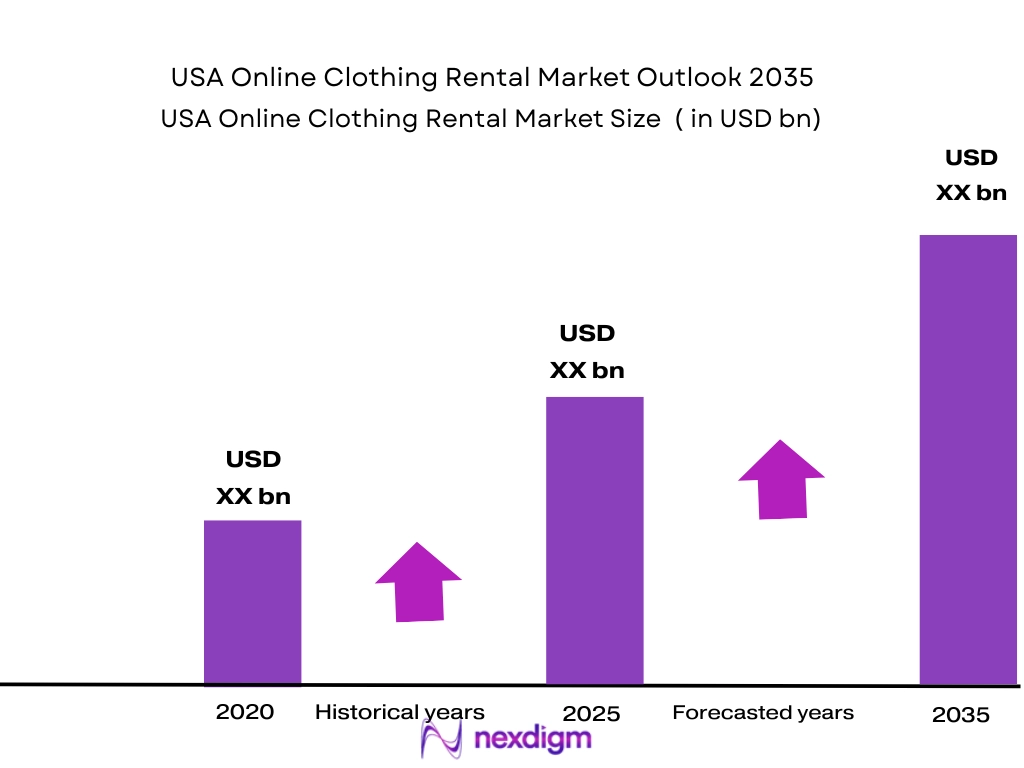
The USA online clothing rental market is valued at approximately USD ~ billion, driven by the increasing demand for sustainable fashion and the growing acceptance of rental services in the fashion industry. Consumers are increasingly opting for renting clothes over purchasing, mainly due to cost-effectiveness, convenience, and the desire to reduce environmental impact. Key drivers include the rise of e-commerce platforms and subscription-based models, which have made it easier for consumers to access a variety of high-end fashion at lower costs, especially for special occasions and everyday wear.
The dominant cities in the USA for the online clothing rental market are metropolitan areas like New York, Los Angeles, and San Francisco. These cities have large, fashion-conscious populations, a high percentage of working professionals, and access to advanced technology and digital services. Additionally, their consumers are more inclined to adopt sustainable fashion options due to a growing awareness of environmental concerns. These urban centers offer a high density of potential customers who are accustomed to digital services, thus providing a fertile ground for online clothing rental services to flourish.
Market Segmentation
By Service Type
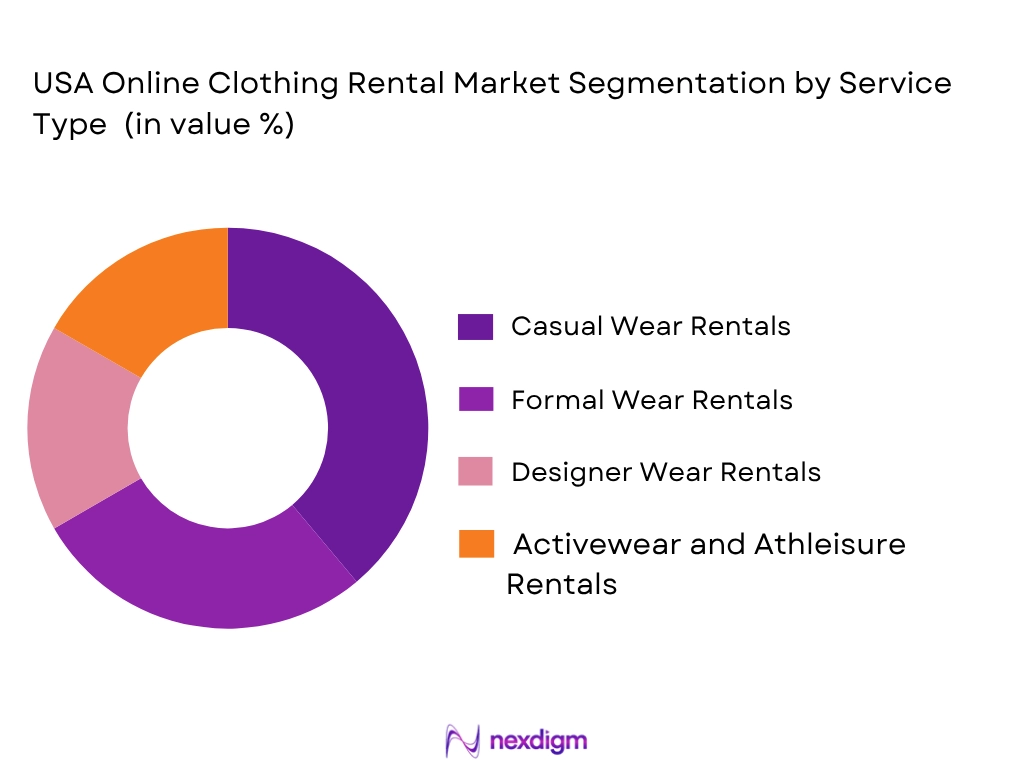
The USA online clothing rental market is primarily segmented by service type into casual wear rentals, formal wear rentals, bridal wear rentals, designer wear rentals, and activewear rentals. Among these, casual wear rentals have the largest market share. This is mainly because casual wear represents a high-frequency, low-cost rental opportunity that appeals to a broad range of consumers. Customers regularly rent casual clothing for events, work, or casual outings, especially in metropolitan areas where people prefer variety in their wardrobe without the financial burden of purchasing new clothes every time. The success of companies like Rent the Runway has shown that casual wear rentals are extremely popular, with consumers attracted to the flexibility of renting stylish, everyday pieces for a fraction of the cost of buying them.
By Consumer Demographics
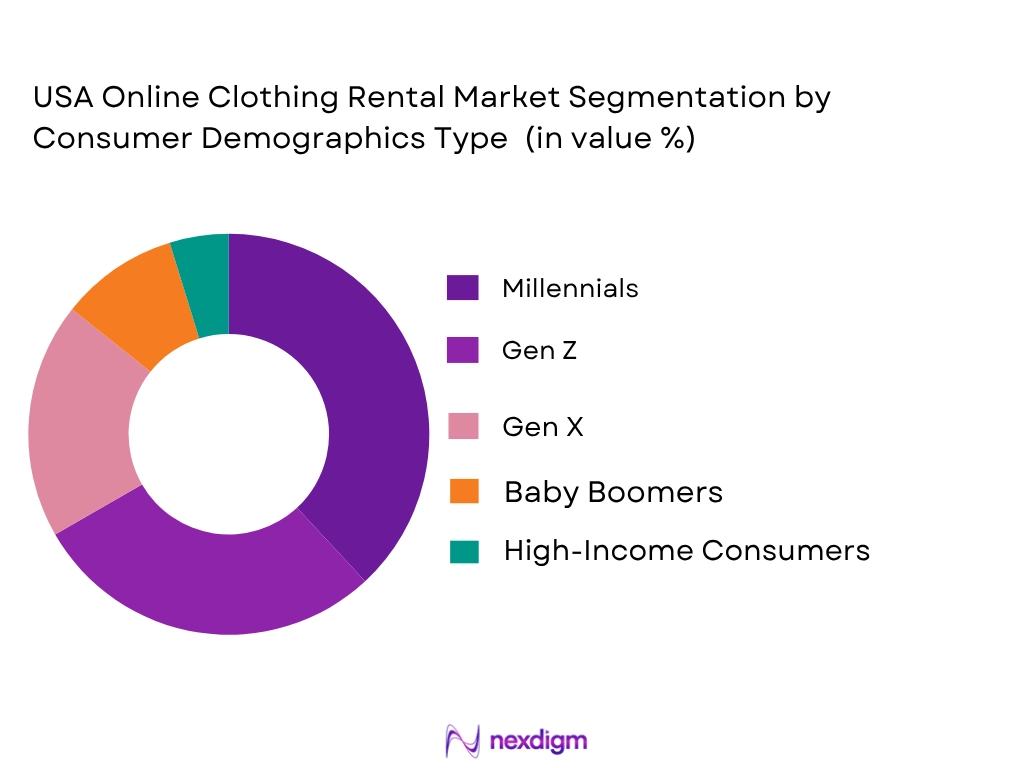
The USA online clothing rental market is segmented into millennials, Gen Z, Gen X, and baby boomers. Among these, millennials dominate the market. Their preference for flexible fashion options, the growing trend toward sustainability, and the increasing popularity of subscription services have made them the largest consumer group for online clothing rentals. This generation values experiences over ownership, and renting clothing allows them to have access to a wider variety of styles and trends without the long-term commitment of ownership. Additionally, millennials are tech-savvy and heavily engaged in digital platforms, which makes online clothing rental a convenient and attractive option for them.
Competitive Landscape
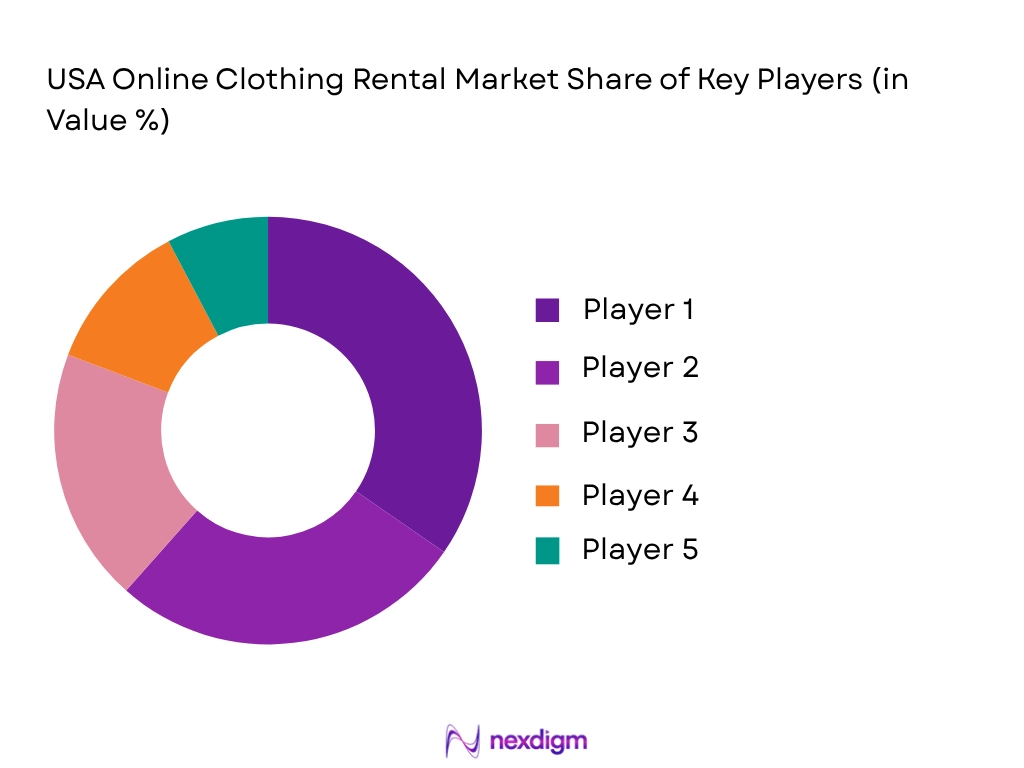
The USA online clothing rental market is dominated by a few key players, with major companies such as Rent the Runway, Le Tote, and HURR Collective taking a significant share of the market. These companies have established strong brand recognition and offer a wide range of clothing options for different occasions, including casual wear, formal wear, and designer pieces. The consolidation of major players in the market is indicative of the industry’s growing acceptance and reliance on clothing rental services. New entrants continue to innovate and focus on specialized markets, such as rental services for sustainable fashion or adaptive clothing, allowing for further market expansion.
| Company Name | Establishment Year | Headquarters | Service Type | Target Market | Revenue Mix | Technology Adoption |
| Rent the Runway | 2009 | New York, USA | ~ | ~ | ~ | ~ |
| Le Tote | 2009 | San Francisco, USA | ~ | ~ | ~ | ~ |
| HURR Collective | 2019 | London, UK (US Focus) | ~ | ~ | ~ | ~ |
| The Ms. Collection | 2014 | New York, USA | ~ | ~ | ~ | ~ |
| Borrow the Closet | 2013 | New York, USA | ~ | ~ | ~ | ~ |
USA Online Clothing Rental Market Analysis
Growth Drivers
Rising Demand for Sustainable Fashion
The growing awareness of environmental issues has led to an increase in demand for sustainable fashion. Consumers are now more conscious of the environmental impact of fast fashion and are opting for clothing rental services as a more sustainable alternative. Renting clothes reduces the need for new production, lowering waste and carbon footprints. As eco-consciousness becomes a mainstream value, clothing rental services have gained traction. Consumers prefer brands that promote circular fashion models, supporting recycling, reuse, and reducing landfill waste. This trend is further fueled by millennials and Gen Z, who are especially committed to environmental sustainability. As a result, the demand for sustainable fashion is expected to drive significant growth in the online clothing rental market.
Growing Popularity of Subscription Models
Subscription-based models have become increasingly popular in the online clothing rental market due to their convenience and flexibility. Consumers, especially in urban areas, are seeking more cost-effective ways to access a variety of clothing without the need to buy new items frequently. Subscription services offer customers access to a rotating wardrobe of stylish clothes on a monthly basis, which suits their fast-paced lifestyles. This model eliminates the need for purchasing expensive garments for short-term use, while providing convenience and ensuring continuous access to trendy pieces. The recurring revenue model also benefits clothing rental businesses, ensuring a steady income stream and enabling businesses to invest in improving their services and inventory.
Challenges
Logistical and Supply Chain Complexity
One of the key challenges in the USA online clothing rental market is the complexity of logistics and supply chain management. As the rental model involves the transportation of clothing back and forth, it requires an efficient and reliable delivery network to ensure that customers receive their items on time and in good condition. Managing multiple returns, cleaning, and processing items in a timely manner becomes more difficult when scaling the business, especially across a wide geographic region. Furthermore, the need for fast, cost-effective delivery options can increase operational costs. Developing and maintaining a robust logistics infrastructure is essential for companies to stay competitive and meet consumer expectations for fast delivery times.
Inventory Management and Quality Control Issues
Managing inventory and ensuring the quality of rented clothing is a significant challenge in the online clothing rental market. As rental services offer a variety of sizes, styles, and brands, companies must carefully track their inventory to ensure that the right items are available for customers when they need them. The frequent return of items means that garments must undergo thorough cleaning, inspection, and quality control to maintain a high standard of hygiene and condition. This process requires significant resources and can result in stockouts or delayed shipments, leading to dissatisfaction. Furthermore, ensuring that rental clothing remains in good condition over multiple uses is crucial for maintaining a positive customer experience.
Opportunities
Expansion of Sustainable Fashion Collections
There is a growing opportunity for online clothing rental companies to expand their sustainable fashion offerings. As the demand for eco-friendly and ethical fashion continues to rise, businesses can differentiate themselves by offering sustainable and organic fabric options. Brands that focus on providing clothing made from sustainable materials such as organic cotton, recycled fabrics, and eco-friendly dyes are increasingly appealing to environmentally conscious consumers. By collaborating with designers and manufacturers who prioritize sustainable production practices, rental companies can not only attract more customers but also contribute to the wider shift toward circular fashion. This is an emerging market opportunity that can drive both consumer engagement and brand loyalty.
Increased Penetration in Suburban and Rural Markets
While the online clothing rental market has primarily been driven by urban areas, there is a significant opportunity for growth in suburban and rural markets. As internet penetration improves and delivery infrastructure expands, these regions are becoming more accessible for e-commerce and clothing rental services. With increasing disposable income and changing shopping habits, consumers in suburban and rural areas are increasingly open to renting clothes for special occasions or regular use. Companies can capitalize on this opportunity by targeting these markets with localized marketing efforts and offering flexible rental options that cater to their preferences. Additionally, the expansion of delivery logistics and partnerships with local retailers can further support this growth.
Future Outlook
Over the next five years, the USA online clothing rental market is expected to show significant growth driven by consumer demand for sustainability, fashion flexibility, and the continued growth of e-commerce. The increasing popularity of subscription-based rental models will continue to fuel this growth, as consumers prefer to rent clothing for both special events and everyday use. Furthermore, advancements in technology, such as AI-driven personalized recommendations and more efficient logistics, will enhance the rental experience. As sustainability becomes an even more prominent factor for consumers, the market for eco-friendly and sustainable fashion rentals will expand, creating new growth opportunities. These trends, along with the continued adoption of digital platforms, will lead to a robust and evolving rental landscape through 2030.
Major Players
- Rent the Runway
- Le Tote
- HURR Collective
- The Ms. Collection
- Borrow the Closet
- MyWardrobeHQ
- FashionPass
- Gwynnie Bee
- Bag Borrow or Steal
- Stitch Fix
- Rentez-Vous
- The Volte
- FlexiRent
- Wearlend
- H&M Rental Service
Key Target Audience
- Investments and Venture Capitalist Firms
- Government and Regulatory Bodies
- Retail Brands and Fashion Labels
- E-commerce Platforms
- App Developers & Technology Providers
- Fashion Enthusiasts and Early Adopters
- Environmental and Sustainability Advocates
- Clothing Manufacturers and Designers
Research Methodology
Step 1: Identification of Key Variables
The initial phase of the research will focus on identifying and defining the key variables that impact the USA online clothing rental market. This includes market drivers, consumer behavior trends, competitive landscape, and technological advancements in rental services. Extensive desk research using secondary sources will help map out the ecosystem.
Step 2: Market Analysis and Construction
In this phase, historical data will be compiled to understand the market’s growth trajectory. Data points such as rental frequency, consumer preferences, and the adoption of subscription models will be collected. We will also assess the current market conditions and forecast future growth.
Step 3: Hypothesis Validation and Expert Consultation
Market assumptions and hypotheses will be validated through expert consultations and interviews. These interviews with industry practitioners, including key executives in the clothing rental industry, will help verify market trends and provide insights into operational challenges and opportunities.
Step 4: Research Synthesis and Final Output
In the final stage, the data collected from various sources will be synthesized to create a comprehensive report. This includes validating findings, ensuring data accuracy, and refining the research based on expert feedback. The final output will provide a detailed analysis of the USA online clothing rental market, including actionable insights and strategic recommendations.

- Executive Summary
- Research Methodology (Market Definitions and Assumptions, Abbreviations and Acronyms, Market Sizing Approach, Primary Research Framework, Consolidated Research Approach, Market Forecasting Techniques, Limitations of Study and Future Conclusions)

- Definition and Service Scope
- Market Genesis and Evolution of Clothing Rental Formats
- Macro Fashion Trends and Consumer Preferences
- Integration of Sustainability and Fashion Sharing Economy
- Health and Economic Factors Impacting Service Demand

- Growth Drivers
Rising Demand for Sustainable Fashion
Growing Popularity of Subscription Models
Consumer Shift Toward Fashion Flexibility
Integration of Technology in the Rental Process - Market Opportunities
Expansion of Sustainable Fashion Collections
Increased Penetration in Suburban and Rural Markets
Incorporation of AI and Machine Learning for Personalization
Partnerships with Influencers and Fashion Brands - Challenges
Logistical and Supply Chain Complexity
Inventory Management and Quality Control Issues
Customer Retention and Churn
Competition from Traditional Retail and Fast Fashion - Market Trends
Increased Focus on Sustainability and Eco-friendly Practices
Rise of Rental Marketplaces and Peer-to-Peer Platforms
Integration with Social Media and Influencer Marketing
Growth in Plus-size and Adaptive Clothing Rentals - Government and Regulatory Environment
Consumer Protection and Privacy Regulations
Fair Use and Intellectual Property in Fashion Rentals
Environmental and Sustainability Regulations for Clothing Rental - SWOT Analysis
- Stakeholder Ecosystem Mapping
- Porter’s Five Forces Analysis
- Service Delivery Cost Structure Dynamics

- By Revenue, 2020-2025
- By Rental Volume, 2020-2025
- By Subscription Plans, 2020-2025
- By Average Revenue Per Customer, 2020-2025
- By Digital Engagement Index, 2020-2025

- By Service Category (In Value %)
Casual Wear Rentals
Formal Wear Rentals
Designer Wear Rentals
Activewear and Athleisure Rentals - By Consumer Demographics (In Value %)
Millennials
Gen Z
Gen X
Baby Boomers
High-Income Consumers - By Rental Type (In Value %)
Subscription-based Rentals
Pay-Per-Rent
Rent-to-Own Options
Special Event Rentals - By Distribution Channel (In Value %)
Direct-to-Consumer Online Platforms
Third-Party Marketplaces & Apps
Retail Partnerships with Clothing Rental Services
B2B Partnerships (e.g., Corporate Uniform Rentals) - By Geography (In Value %)
Northeast
Midwest
South
West

- Market share Analysis
- Cross Comparison Parameters
(Company Overview Business Strategies & Growth Models, Service Portfolio Breadth, Geographic Footprint, Revenue Mix by Service Category, Membership Economics, PricingModels and SKU Mapping, Technology Adoption Score, Brand Equity Index, Partnerships & Alliances, Workforce Base & Certification Levels) - SWOT Analysis of Major Competitors
- Pricing Benchmarking Across Service Formats
- Detailed Profiles of Key Market Players
Rent the Runway, Inc.
Le Tote
HURR Collective
The Ms. Collection
Borrow the Closet
MyWardrobeHQ
Gwynnie Bee
Bag Borrow or Steal
Rentez-Vous
The Volte
FashionPass
Stitch Fix
Vigga
Girl Meets Dress
FlexiRent

- Market Demand by User Segment
- Rental Consumption Patterns
- Subscription Retention and Churn Analytics
- Price Sensitivity and Willingness to Rent
- Decision Drivers and Pain Points

- By Revenue, 2026-2035
- By Rental Volume, 2026-2035
- By Subscription Plans, 2026-2035
- By Average Revenue Per Customer, 2026-2035
- By Digital Engagement Index, 2026-2035


 Request a Sample
 Ask for Customization
 Get a Quote
 Enquire Now