
 Download PDF
Market Overview
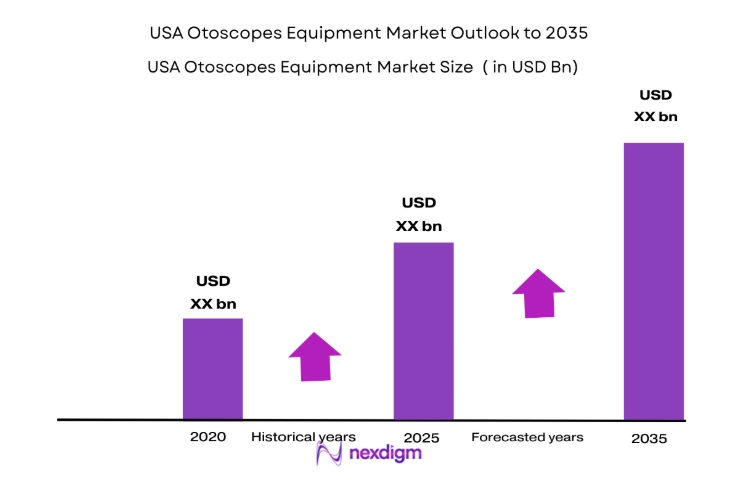
The market size of the USA otoscopes equipment market, based on a recent historical assessment, is projected to reach approximately USD ~ billion. This growth is primarily driven by the increasing demand for diagnostic and therapeutic ear examination tools in healthcare settings, spurred by advancements in digital and video otoscopes. The market is also benefiting from greater healthcare investments, the rising prevalence of ear-related diseases, and technological innovations in otoscopic devices, which make them more precise, efficient, and user-friendly.
The dominant cities and countries in the USA otoscopes equipment market include major metropolitan areas such as New York, Los Angeles, and Chicago, where healthcare facilities, hospitals, and private clinics are more likely to adopt the latest otoscopic technologies. These regions exhibit higher healthcare spending, a larger patient base, and access to state-of-the-art medical infrastructure, contributing to their dominance. Additionally, the regulatory environment in the USA supports the adoption of innovative medical devices, further fostering growth in these regions.
Market Segmentation
By Product Type:
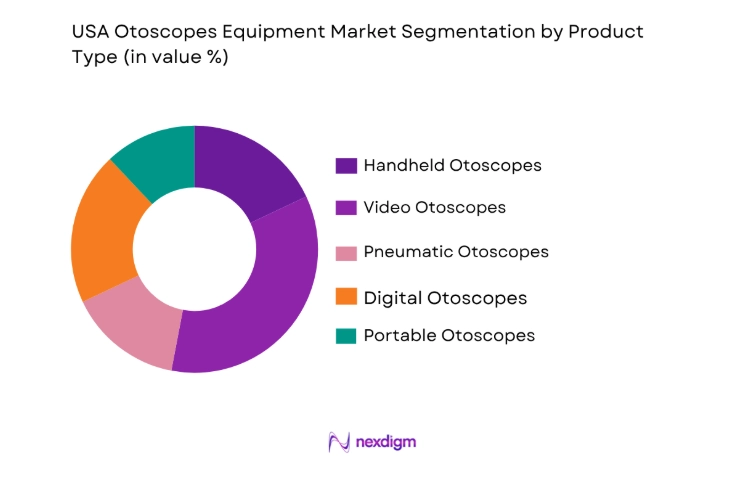
USA otoscopes equipment market is segmented by product type into handheld otoscopes, video otoscopes, pneumatic otoscopes, digital otoscopes, and portable otoscopes. Recently, video otoscopes have a dominant market share due to factors such as growing demand for higher accuracy in ear examinations, increasing use of digital technology in medical diagnostics, and the preference for products offering enhanced visualization. Video otoscopes enable clearer images and are preferred by healthcare professionals for their advanced features such as real-time recording and the ability to connect to external displays for enhanced examination capabilities.
By End-User Segment:
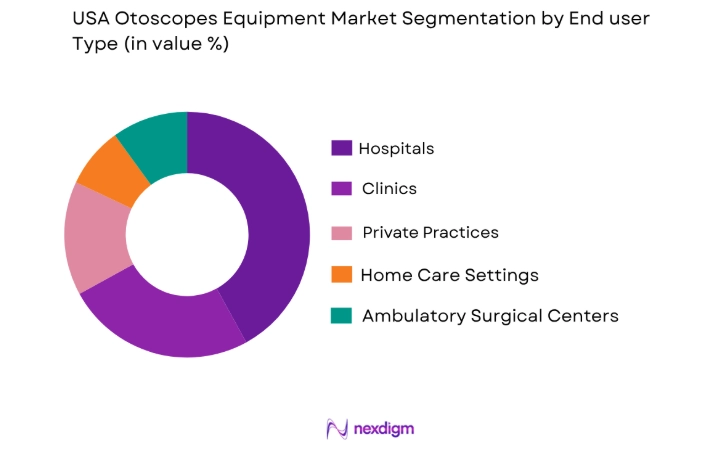
USA otoscopes equipment market is also segmented by end-user into hospitals, clinics, private practices, home care settings, and ambulatory surgical centers. Hospitals hold a dominant market share because of their large-scale operations and the high volume of diagnostic procedures performed. Hospitals require sophisticated and precise otoscopes for patient care, driving the demand for advanced video and digital otoscopes. Moreover, hospitals tend to have the infrastructure to support these devices and the funds to invest in cutting-edge medical technology, further increasing their market share.
Competitive Landscape
The competitive landscape of the USA otoscopes equipment market is highly consolidated, with a few major players holding significant market shares. Companies like Welch Allyn, Olympus, and 3M have established a strong brand presence and continue to innovate in the medical device sector. The market is also characterized by frequent technological advancements and an increasing number of mergers and acquisitions. Leading companies are focusing on expanding their portfolios to include next-generation devices and accessories, thereby strengthening their competitive position in the market.
| Company Name | Establishment Year | Headquarters | Technology Focus | Market Reach | Key Products | Revenue (USD) |
| Welch Allyn | 1915 | Skaneateles, NY | ~ | ~ | ~ | ~ |
| Olympus Corporation | 1919 | Tokyo, Japan | ~ | ~ | ~ | ~ |
| 3M Healthcare | 1902 | St. Paul, MN | ~ | ~ | ~ | ~ |
| Heine Optotechnik | 1946 | Herrsching, Germany | ~ | ~ | ~ | ~ |
| KaVo Dental | 1909 | Biberach, Germany | ~ | ~ | ~ | ~ |
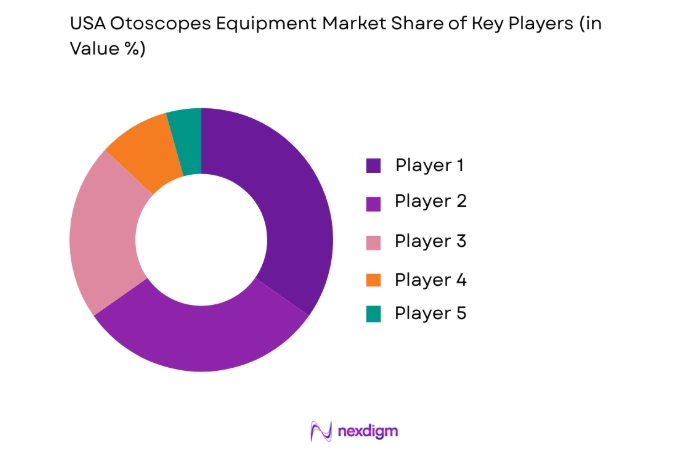
USA Otoscopes Equipment Market Analysis
Growth Drivers
Technological Advancements in Otoscopes:
The continuous evolution of otoscope technologies has significantly impacted the growth of the USA otoscopes equipment market. Innovations such as video and digital otoscopes have improved the precision and clarity of ear examinations, making them indispensable in clinical practices. These advancements allow for enhanced diagnostic capabilities, such as high-definition image capture and real-time display, which improve the accuracy of diagnoses. Furthermore, the integration of wireless connectivity features, allowing for remote consultations and digital record-keeping, is a key driver in making these devices more attractive to healthcare providers. As more otoscopes evolve to meet the demand for greater performance and user-friendliness, the market is expected to expand further.
Increasing Healthcare Expenditures:
As healthcare spending continues to rise across the USA, there is an increasing budget allocation for advanced diagnostic equipment, including otoscopes. This growth in healthcare expenditures is driven by both government policies aimed at improving healthcare access and the rise in private healthcare investments. The expansion of healthcare facilities, especially in underserved areas, is leading to a higher demand for medical devices such as otoscopes. Increased awareness of ear-related health problems, combined with technological advancements, is encouraging healthcare providers to adopt state-of-the-art otoscopes for more efficient diagnostic capabilities. The demand is further fueled by a growing geriatric population that requires regular ear examinations, contributing to sustained market growth.
Market Challenges
High Cost of Advanced Otoscopes:
Despite the growing demand for advanced otoscopes, one of the major challenges faced by the market is the high cost of cutting-edge devices. Video and digital otoscopes, in particular, are relatively expensive due to the integration of advanced technologies such as high-definition cameras, wireless capabilities, and digital storage. This high upfront cost poses a barrier for smaller clinics, private practices, and home care settings that may not have the budget to invest in these devices. Furthermore, the need for regular maintenance and calibration adds to the overall cost of ownership, making it difficult for some healthcare providers to adopt these technologies on a wide scale. This challenge is particularly evident in emerging markets, where economic constraints limit the adoption of advanced medical devices.
Limited Training and Expertise:
Another challenge facing the otoscopes equipment market is the lack of specialized training and expertise among healthcare professionals. Otoscopes, particularly advanced video and digital models, require proper handling and operation to ensure accurate diagnosis. However, there is often a shortage of trained personnel in smaller healthcare facilities and private practices, which may hinder the effective use of these devices. Inadequate training can lead to suboptimal use of the equipment, impacting diagnostic outcomes and limiting the overall effectiveness of otoscopes in clinical settings. The need for more comprehensive training programs and skilled technicians is critical to addressing this challenge and ensuring the widespread adoption of otoscopes.
Opportunities
Expansion of Telemedicine Integration:
One of the key opportunities in the USA otoscopes equipment market is the integration of otoscopes with telemedicine platforms. With the increasing adoption of telehealth services, especially post-pandemic, there is a growing demand for diagnostic equipment that can seamlessly integrate with telemedicine platforms. This integration allows healthcare providers to remotely conduct ear examinations, improving accessibility for patients in rural or underserved areas. By adopting wireless and digital otoscopes with telemedicine capabilities, providers can offer consultations and diagnoses remotely, improving patient outcomes and reducing the need for in-person visits. As telemedicine continues to expand, the market for telemedicine-compatible otoscopes is expected to grow substantially.
Rising Geriatric Population:
The aging population in the USA presents a significant opportunity for growth in the otoscopes equipment market. As the number of elderly individuals increases, so does the prevalence of age-related ear conditions such as hearing loss, ear infections, and other auditory disorders. This demographic shift is driving the demand for regular ear examinations and the need for advanced otoscopic devices to diagnose and monitor these conditions. Additionally, the geriatric population often requires more frequent visits to healthcare providers, creating a steady demand for otoscopes in hospitals, clinics, and home care settings. The market is poised to benefit from this growing need for ear health diagnostics among older adults.
Future Outlook
The future outlook for the USA otoscopes equipment market indicates a steady upward trajectory, driven by technological advancements, increasing healthcare investments, and regulatory support for medical device innovations. Over the next few years, the market is expected to see a rise in the adoption of digital and video otoscopes, with continued improvements in imaging quality and ease of use. The ongoing expansion of telemedicine platforms and the growing demand for remote healthcare solutions will also play a pivotal role in shaping the market’s future. Additionally, increased focus on preventive healthcare, particularly in the aging population, will drive further demand for diagnostic devices like otoscopes.
Major Players
- Welch Allyn
- Olympus Corporation
- 3M Healthcare
- Heine Optotechnik
- KaVo Dental
- Riester
- EarScope
- Microcare
- Medline Industries
- Briggs Healthcare
- DigiOscope
- OtoClear
- OpticSlim
- Sonomed Escalon
- Smith & Nephew
Key Target Audience
- Healthcare providers (hospitals, clinics, private practices)
- Medical equipment distributors
- Investments and venture capitalist firms
- Government and regulatory bodies
- Telemedicine service providers
- Home care providers
- Diagnostic equipment manufacturers
- Medical device retailers
Research Methodology
Step 1: Identification of Key Variables
The key variables in the otoscopes market are identified, including technology trends, end-user demand, pricing dynamics, and regulatory factors.
Step 2: Market Analysis and Construction
In-depth analysis of the market is conducted through primary and secondary research, constructing a clear view of current trends, competition, and demand drivers.
Step 3: Hypothesis Validation and Expert Consultation
Experts in the field are consulted to validate hypotheses about market trends, challenges, and growth drivers, ensuring accuracy in forecasting.
Step 4: Research Synthesis and Final Output
The research is synthesized into actionable insights, ensuring that the final output is a comprehensive, data-backed report.

- Executive Summary
- Research Methodology (Definitions, Scope, Industry Assumptions, Market Sizing Approach, Primary & Secondary Research Framework, Data Collection & Verification Protocol, Analytic Models & Forecast Methodology, Limitations & Research Validity Checks)

- Market Definition and Scope
- Value Chain & Stakeholder Ecosystem
- Regulatory / Certification Landscape
- Sector Dynamics Affecting Demand

- Growth Driver
Increasing Healthcare Expenditure
Growing Adoption of Home Healthcare Devices
Technological Advancements in Otoscope Devices - Market Challenge
High Cost of Advanced Otoscopes
Lack of Skilled Professionals for Device Handling
Limited Awareness in Emerging Markets - Market Opportunitie
Expanding Healthcare Infrastructure
Rise in Geriatric Population
Advancements in Telemedicine Integration - Trends
Adoption of Smart Otoscopes
Growing Use of Digital Platforms for Remote Consultations
Miniaturization of Otoscope Devices - Government Regulations
- SWOT Analysis of Key Competitors

- By Market Value, 2020-2025
- By Installed Units, 2020-2025
- By Average System Price, 2020-2025
- By System Complexity Tier, 2020-2025

- By System Type (In Value%
Handheld Otoscopes
Video Otoscopes
Pneumatic Otoscopes
Digital Otoscopes
Portable Otoscopes - By Platform Type (In Value%
Standalone Otoscopes
Integrated Otoscopes
Wireless Otoscopes
Smartphone-Compatible Otoscopes
Tablet-Based Otoscopes - By Fitment Type (In Value%
Ear Examination Fitment
Surgical Fitment
Diagnostic Fitment
Medical Examination Fitment
Home Care Fitment - By EndUser Segment (In Value%)
Hospitals
Clinics
Private Practices

- Market Share Analysis
- CrossComparison Parameters (Market Size, Installed Units, Average Price, Market Share, Regulatory Landscape)
- SWOT Analysis of Key Competitors
- Pricing & Procurement Analysis
- Porter’s Five Forces
- Key Players
Welch Allyn
Olympus Corporation
Roche Diagnostics
3M Healthcare
Heine Optotechnik
KaVo Dental
Riester
EarScope
Microcare
Medline Industries
Briggs Healthcare
DigiOscope
OtoClear
OpticSlim
Sonomed Escalon

- Hospitals’ Rising Demand for Advanced Diagnostic Equipment
- Clinics Preferring Compact Otoscopes
- Private Practices Adopting Wireless Otoscopes
- Home Care Providers Moving Toward Portable Otoscopes

- Forecast Market Value, 2026-2035
- Forecast Installed Units, 2026-2035
- Price Forecast by System Tier, 2026-2035
- Future Demand by Platform, 2026-2035


 Request a Sample
 Ask for Customization
 Get a Quote
 Enquire Now