
 Download PDF
Market Overview
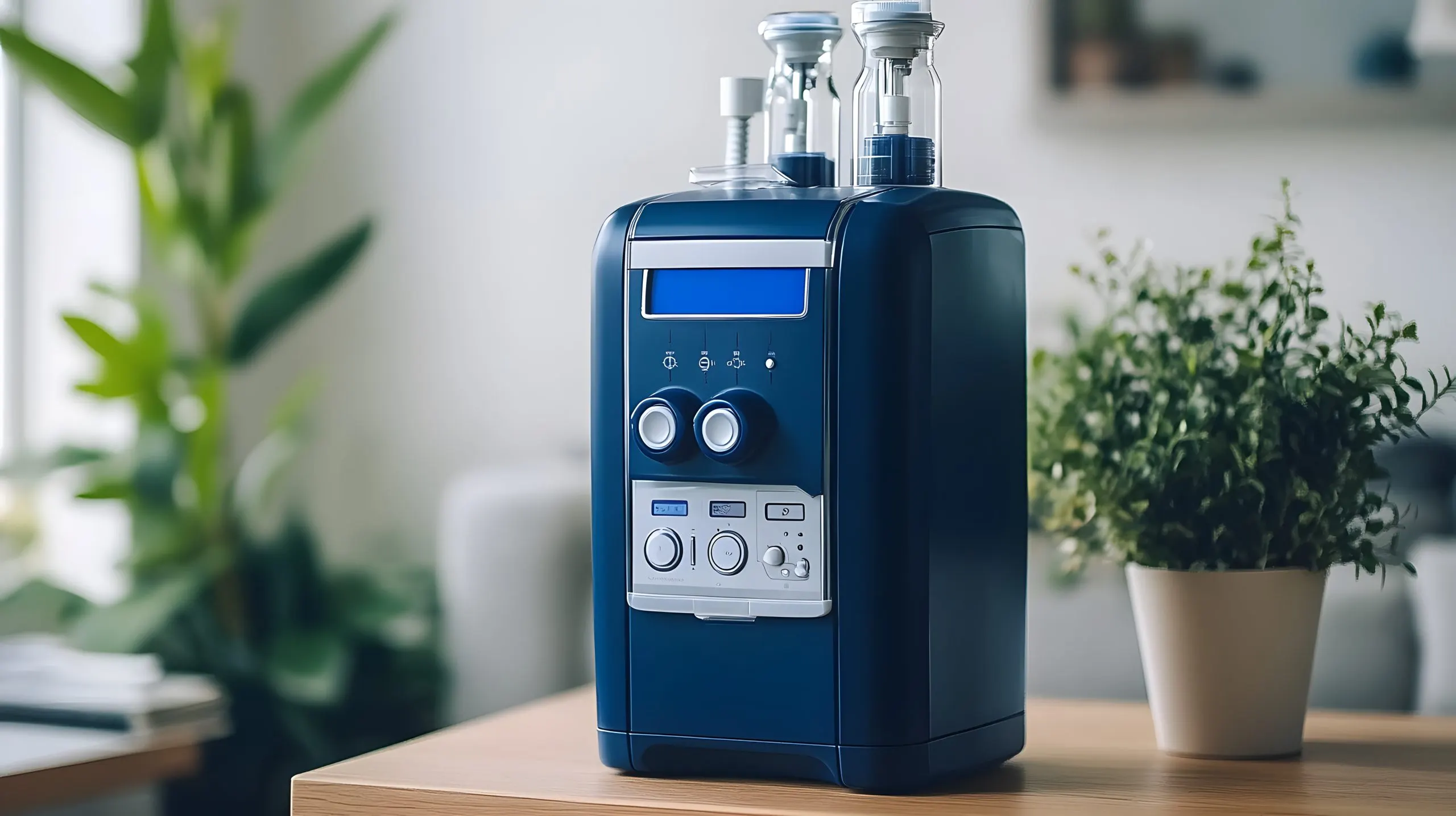
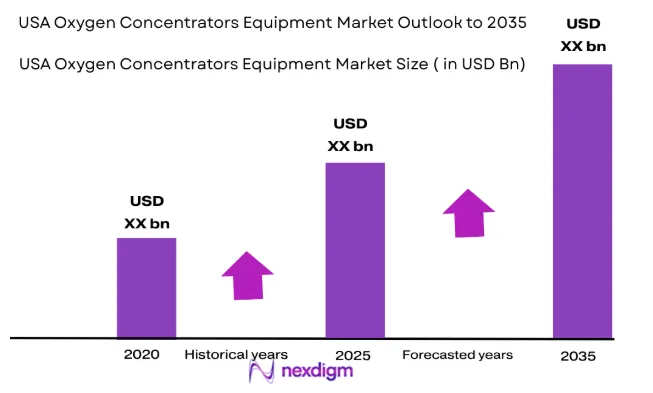
The USA Oxygen Concentrators Equipment Market has witnessed significant growth driven by rising demand for respiratory care and oxygen therapy devices. With an increasing prevalence of chronic respiratory diseases, including COPD and asthma, the market size for oxygen concentrators in the United States is expected to reach USD ~ billion based on a recent historical assessment. Factors such as the aging population, increasing healthcare awareness, and advancements in homecare technologies further fuel the demand for portable and stationary oxygen concentrators.
The market is predominantly led by cities with large healthcare infrastructure such as New York, Los Angeles, and Chicago. These cities have become hubs for both medical research and the healthcare services sector, thereby supporting a high demand for oxygen concentrators. Furthermore, regulatory support, along with the growing adoption of home healthcare solutions, drives the market in these areas. Urban locations with advanced medical systems see the highest concentration of both end-users and suppliers, establishing a dominant presence in the overall market.
Market Segmentation
By Product Type
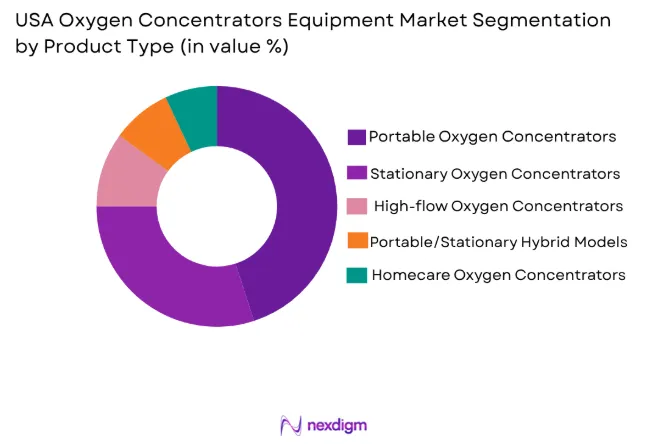
USA Oxygen Concentrators Equipment Market is segmented by product type into portable oxygen concentrators, stationary oxygen concentrators, high-flow oxygen concentrators, portable/stationary hybrid models, and homecare oxygen concentrators. Recently, portable oxygen concentrators have a dominant market share due to their ease of use, lightweight design, and ability to cater to the growing demand for home healthcare solutions. Their versatility and growing preference among patients for mobility and convenience have solidified their lead in the market.
By Platform Type
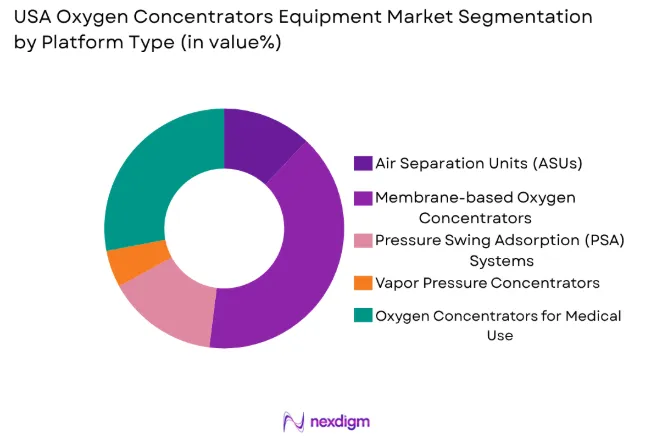
USA Oxygen Concentrators Equipment Market is segmented by platform type into air separation units (ASUs), membrane-based oxygen concentrators, pressure swing adsorption (PSA) systems, vapor pressure concentrators, and oxygen concentrators for medical use. Membrane-based oxygen concentrators currently dominate the market. This is primarily driven by their efficiency in generating high-purity oxygen, smaller footprint, and lower operational costs compared to other types, making them ideal for home and hospital use.
Competitive Landscape
The USA Oxygen Concentrators Equipment Market is highly competitive, with several leading global players driving innovations, partnerships, and product offerings. The market sees a trend towards consolidation, with major players acquiring smaller companies to expand their portfolio and geographic reach. These companies dominate the market through technological advancements, broad distribution networks, and strong brand equity.
| Company Name | Establishment Year | Headquarters | Technology Focus | Market Reach | Key Products | Revenue (USD) | Additional Market-Specific Parameter |
| Invacare Corporation | 1885 | Elyria, Ohio, USA | ~ | ~ | ~ | ~ | ~ |
| Philips Healthcare | 1891 | Amsterdam, Netherlands | ~ | ~ | ~ | ~ | ~ |
| ResMed Inc. | 1989 | San Diego, California | ~ | ~ | ~ | ~ | ~ |
| AirSep Corporation | 1987 | Buffalo, New York, USA | ~ | ~ | ~ | ~ | ~ |
| Inogen Inc. | 2001 | Goleta, California | ~ | ~ | ~ | ~ | ~ |
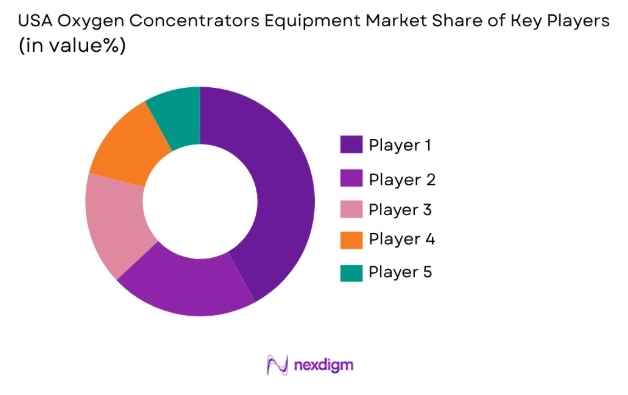
USA Oxygen Concentrators Equipment Market Analysis
Growth Drivers
Rising Respiratory Disorder
The surge in respiratory disorders, particularly chronic obstructive pulmonary disease (COPD) and asthma, has played a significant role in the expansion of the oxygen concentrators market. These conditions are particularly prevalent among the aging population, as well as individuals who engage in unhealthy lifestyle habits such as smoking and physical inactivity. Air pollution also contributes heavily to the increase in respiratory diseases, worsening the quality of life for many. The higher occurrence of respiratory disorders in these vulnerable groups is driving greater demand for oxygen therapy. Additionally, healthcare systems in the United States are placing more focus on managing chronic diseases, and oxygen concentrators have become essential tools in this process. As respiratory diseases become more prevalent and chronic, the need for oxygen support systems has intensified, fostering substantial market growth in the oxygen concentrator sector.
Technological Advancements in Homecare Solutions
Technological advancements in homecare solutions, particularly portable oxygen concentrators, have revolutionized the oxygen concentrator market, offering significant opportunities for growth. Innovations in design, including lighter weight, greater portability, and more efficient oxygen delivery, have made it easier for patients to use these devices at home, enhancing patient independence. Moreover, the increasing emphasis on reducing healthcare costs has led to a shift from hospital-based care to homecare, creating an environment conducive to the growth of homecare oxygen concentrators. Patients increasingly prefer receiving care at home, especially for long-term respiratory conditions. As this trend continues, manufacturers are focused on providing consumer-friendly, cost-effective products to meet the demand. The evolution of oxygen concentrator technology, along with the growing demand for home healthcare, is poised to drive substantial growth in the market, offering companies with innovative, affordable solutions an edge in the competitive landscape.
Market Challenges
High Initial Cost
A major barrier to widespread adoption of oxygen concentrators, especially among low-income households, is the high initial purchase costs associated with many models. Despite the reduction in manufacturing costs over the years, high-end models can still be financially inaccessible for a large portion of the population. While some insurance plans may cover the cost of oxygen concentrators, coverage varies widely, often leaving patients to pay a significant out-of-pocket expense. For many individuals who require long-term oxygen therapy, this financial strain makes it difficult to acquire the necessary equipment. The inability to afford upfront costs hampers the market’s potential to reach underserved populations who could benefit most from these devices. Therefore, while the demand for oxygen concentrators is rising, high costs remain a significant challenge to achieving broader market penetration, particularly in the residential and homecare sectors.
Limited Awareness in Emerging Regions
Limited awareness of the benefits and availability of oxygen concentrators remains a key challenge, particularly in emerging regions with underdeveloped healthcare systems. Many individuals in these regions are not aware of the importance of timely oxygen therapy or the fact that oxygen concentrators can significantly improve their quality of life. The lack of education on the subject prevents many from seeking out the appropriate care and equipment needed to manage chronic respiratory diseases. In addition, limited access to healthcare infrastructure and resources means that even when patients are aware of oxygen therapy, they may not be able to obtain the necessary equipment. Addressing this challenge requires improved education campaigns and greater efforts from both governments and healthcare providers to increase access to these essential medical devices. By overcoming the knowledge gap and improving healthcare accessibility, the market for oxygen concentrators in these regions has the potential for significant growth.
Opportunities
Expanding Homecare Market
The growing trend of homecare services presents a significant opportunity for the oxygen concentrators market. As healthcare systems across the globe continue to transition from hospital-based care to homecare models, more patients are seeking ways to manage their respiratory conditions from the comfort of their own homes. This shift is driven by the desire for more convenient, cost-effective care and the growing prevalence of chronic respiratory diseases, which require long-term management. Homecare services that provide oxygen concentrators are becoming increasingly popular as patients prefer to avoid frequent hospital visits. This has led to a rising demand for portable and stationary oxygen concentrators that can be used in home settings. Companies that are able to offer affordable, high-quality, and user-friendly products tailored to homecare needs will find themselves well-positioned to expand their market presence. As the homecare sector continues to grow, oxygen concentrators will remain a critical component in managing chronic respiratory diseases, offering opportunities for substantial market growth.
Government Initiatives to Promote Healthcare Accessibilit
Governments worldwide, particularly in developed countries, are actively working to improve healthcare access for underserved populations, which presents a major opportunity for the oxygen concentrators market. Legislative initiatives such as the Affordable Care Act in the United States aim to make healthcare more affordable and accessible to a larger segment of the population, indirectly promoting the growth of medical equipment markets, including oxygen concentrators. Additionally, increased funding for public health programs focused on managing chronic diseases, such as COPD and asthma, has led to the expansion of oxygen therapy services. Furthermore, many governments are now providing subsidies or reimbursement options for medical devices, including oxygen concentrators, making them more accessible to patients in need. Companies that collaborate with government bodies to meet regulatory requirements and gain access to public health funding and reimbursement programs will be well-positioned to capture growth opportunities in the oxygen concentrator market. The trend towards greater healthcare accessibility is expected to continue, supporting the demand for oxygen concentrators in the long term.
Future Outlook
The future outlook for the USA Oxygen Concentrators Equipment Market looks promising, with sustained growth anticipated over the next five years. Continued technological advancements in portable oxygen concentrators, along with increased focus on home healthcare solutions, are expected to drive market expansion. Additionally, growing government support for healthcare accessibility and rising awareness about respiratory disorders will bolster demand for oxygen concentrators. Regulatory measures aimed at ensuring safety and efficiency will also encourage innovation in product design, further stimulating the market.
Major Players
- Invacare Corporation
- Philips Healthcare
- ResMed Inc.
- AirSep Corporation
- Inogen Inc.
- Medtronic PLC
- Chart Industries
- O2 Concepts LLC
- GCE Group
- Drive DeVilbiss Healthcare
- Precision Medical Inc.
- Teijin Limited
- Linde Group
- VitalAire
- Smiths Medical
Key Target Audience
- Investments and venture capitalist firms
- Government and regulatory bodies
- Oxygen concentrator manufacturers
- Healthcare providers and hospitals
- Homecare agencies
- Long-term care providers
- Medical equipment distributors
Research Methodology
Step 1: Identification of Key Variables
Identification of critical factors such as demand patterns, regulatory trends, and technological advancements impacting the market.
Step 2: Market Analysis and Construction
Market segmentation and in-depth analysis based on product type, platform type, and end-user demographics.
Step 3: Hypothesis Validation and Expert Consultation
Validation of research hypotheses through expert interviews and industry surveys to refine insights.
Step 4: Research Synthesis and Final Output
Integration of collected data to produce the final market report, ensuring accuracy and relevance of findings.

- Executive Summary
- Research Methodology (Definitions, Scope, Industry Assumptions, Market Sizing Approach, Primary & Secondary Research Framework, Data Collection & Verification Protocol, Analytic Models & Forecast Methodology, Limitations & Research Validity Checks)

- Market Definition and Scope
- Value Chain & Stakeholder Ecosystem
- Regulatory / Certification Landscape
- Sector Dynamics Affecting Demand
- Strategic Initiatives & Infrastructure Growth

- Growth Drivers
Rising Respiratory Disorders
Increasing Healthcare Infrastructure
Aging Population and Long-term Care Demand - Market Challenges
High Equipment Costs
Limited Awareness in Emerging Regions
Technological Limitations in Developing Countries - Market Opportunities
Growing Home Healthcare Market
Technological Advancements in Oxygen Concentrators
Government Initiatives to Promote Healthcare Accessibility - Trends
Telemedicine and Remote Monitoring Integration
Advances in Oxygen Concentrator Portability - Government Regulations
- SWOT Analysis
- Porter’s Five Forces

- By Market Value, 2020-2025
- By Installed Units, 2020-2025
- By Average System Price, 2020-2025
- By System Complexity Tier, 2020-2025

- By System Type (In Value%)
Portable Oxygen Concentrators
Stationary Oxygen Concentrators
High-flow Oxygen Concentrators
Portable/Stationary Hybrid Models
Homecare Oxygen Concentrators - By Platform Type (In Value%)
Air Separation Units (ASUs)
Membrane-based Oxygen Concentrators
Pressure Swing Adsorption (PSA) Systems
Vapour Pressure Concentrators
Oxygen Concentrators for Medical Use - By Fitment Type (In Value%)
Personal Oxygen Concentrators
Healthcare Oxygen Concentrators
Industrial Oxygen Concentrators
Oxygen Concentrators for Emergency Use - By End User Segment (In Value%)
Homecare
Hospitals & Healthcare Facilities
Long-term Care Centers

- Market Share Analysis
- Cross Comparison Parameters (Market Value, Market Growth Rate, Product Innovation, Market Share, Competitive Landscape, Consumer Preferences, Regulatory Environment)
- SWOT Analysis of Key Competitors
- Pricing & Procurement Analysis
- Key Players
Invacare Corporation
Philips Healthcare
ResMed Inc.
AirSep Corporation
CareFusion Corporation
Chart Industries Inc.
Inogen Inc.
Medtronic PLC
O2 Concepts LLC
Drive DeVilbiss Healthcare
GCE Group
Precision Medical Inc.
Teijin Limited
Linde Group
VitalAire

- Homecare Users’ Preferences and Demand Patterns
- Hospital and Healthcare Facility Requirements
- Long-term Care Centers’ Market Influence
- Impact of Emergency and Rescue Operations

- Forecast Market Value, 2026-2035
- Forecast Installed Units, 2026-2035
- Price Forecast by System Tier, 2026-2035
- Future Demand by Platform, 2026-2035


 Request a Sample
 Ask for Customization
 Get a Quote
 Enquire Now