
 Download PDF
 Download PDF
Market Overview
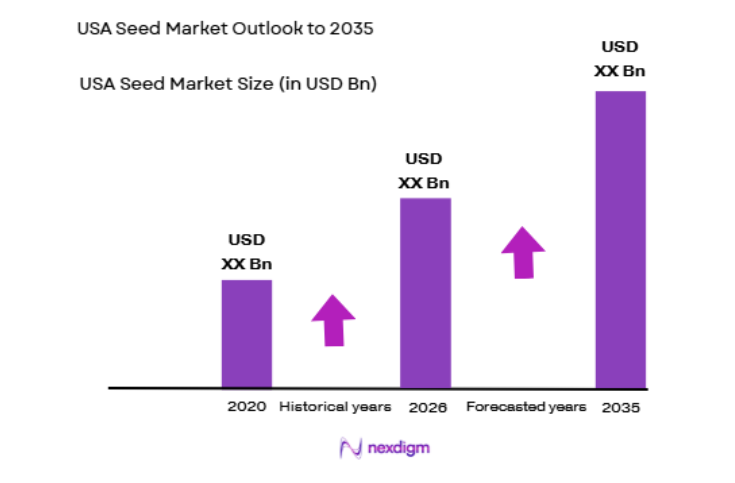
The USA seed market is valued at USD ~ billion based on a recent historical assessment. This growth is driven by the increasing demand for high-yielding and climate-resilient seed varieties, such as hybrid and genetically modified (GM) seeds. Technological advancements, government policies supporting agricultural sustainability, and a growing focus on food security are also propelling the seed market forward. Additionally, the shift towards more sustainable farming practices is boosting demand for specialized seed products tailored to organic and eco-friendly farming systems.
The dominant regions in the USA seed market include states such as California, Iowa, and Nebraska, which are central to the country’s agricultural activities. These states benefit from advanced farming technologies, strong infrastructure, and extensive research institutions focused on agricultural innovation. Government-backed programs, such as subsidies and grants for seed development, further enhance the prominence of these regions, supporting both large-scale commercial farming and smaller, sustainable agriculture operations.
Market Segmentation
By Product Type
The USA seed market is segmented by product type into hybrid seeds, genetically modified (GM) seeds, and traditional seeds. Hybrid seeds dominate the market due to their superior resistance to diseases, pests, and environmental stress, making them ideal for large-scale commercial farming. These seeds offer higher yields and are more adaptable to varying climatic conditions, which is crucial in a country with diverse agricultural zones. The demand for hybrid seeds is further boosted by the government’s push for increased agricultural productivity and sustainability, making them the preferred choice for modern farmers.

By Seed Category
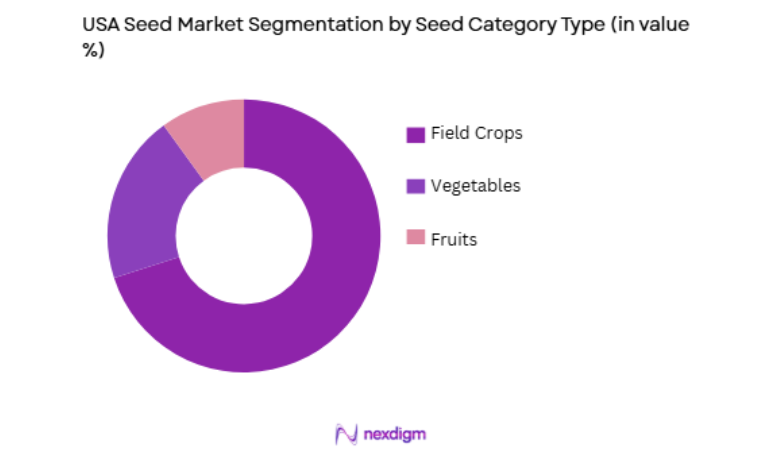
The market is also segmented by seed category into field crops, vegetables, and fruits. Field crops hold the largest market share due to their essential role in the US agricultural economy. Crops like corn, soybeans, and wheat are staple foods and key exports, making field crop seeds in high demand. The widespread use of hybrid and genetically modified seeds in these crops enhances yield, disease resistance, and drought tolerance, driving the growth of the field crop seed segment. The strong presence of commercial agriculture in states such as Iowa and Nebraska further solidifies the dominance of field crops in the seed market.
Competitive Landscape
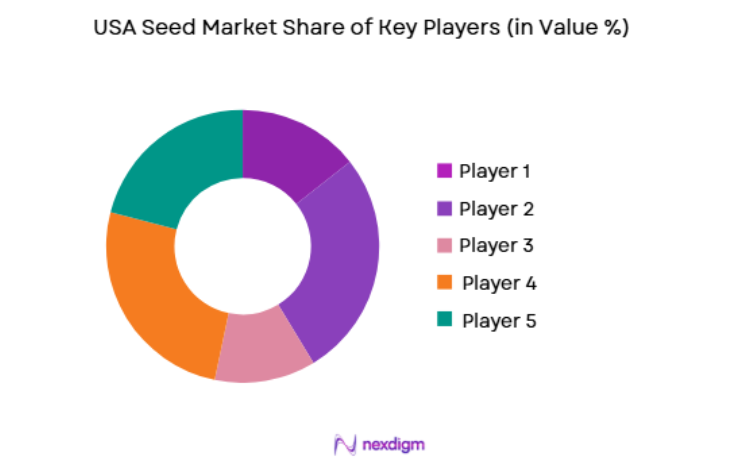
The USA seed market is highly competitive, with a mix of global and local players. Large multinational corporations like Bayer, Syngenta, and Corteva dominate the market, focusing on innovation and extensive R&D in hybrid and genetically modified seeds. At the same time, regional players are also active, focusing on specific crop segments and regional agricultural needs. The market is undergoing consolidation, with larger firms acquiring smaller seed companies to expand their portfolios and market reach. Government support for sustainable farming and technological advancements further intensifies competition in the seed market.
| Company Name | Establishment Year | Headquarters | Technology Focus | Market Reach | Key Products | Revenue (USD) | R&D Investment (%) |
| Bayer CropScience | 2002 | Germany | ~ | ~ | ~ | ~ | ~ |
| Syngenta | 2000 | Switzerland | ~ | ~ | ~ | ~ | ~ |
| Corteva Agriscience | 2019 | USA | ~ | ~ | ~ | ~ | ~ |
| Dow AgroSciences | 1995 | USA | ~ | ~ | ~ | ~ | ~ |
| Limagrain | 1942 | France | ~ | ~ | ~ | ~ | ~ |
USA Seed Market Analysis
Growth Drivers
Technological Advancements in Seed Breeding
Technological advancements in seed breeding, such as genetic modification and hybridization, are key growth drivers for the USA seed market. As the demand for higher crop yields and resilience to climate change grows, farmers are increasingly turning to genetically modified and hybrid seeds. These seeds offer higher resistance to pests, diseases, and environmental stresses, which are essential for optimizing food production in a country with diverse agricultural zones. Additionally, the development of seeds that are adapted to specific soil types and climates has further boosted the market’s growth. The continuous innovations in seed genetics, including the introduction of drought-resistant varieties and improved nutrient profiles, enable farmers to maximize productivity while reducing the reliance on chemicals. As agricultural practices become more tech-driven, the demand for these advanced seeds is expected to continue rising, driving market growth.
Government Support for Agricultural Innovation
Government initiatives aimed at enhancing food security and promoting agricultural innovation have been instrumental in driving growth in the USA seed market. The US government has long supported agricultural research through organizations such as the USDA and land-grant universities, ensuring that farmers have access to the latest seed technologies. Policies like crop insurance, subsidies for seed production, and financial assistance for adopting advanced agricultural technologies have made it easier for farmers to invest in high-quality seeds. Additionally, the government’s focus on sustainability and environmentally friendly farming practices has fueled demand for seeds that are more resilient to pests and diseases, further accelerating the market’s growth. As the country aims to meet the challenges of a growing population and climate change, the need for innovative seed solutions continues to drive both public and private sector investments in the seed industry.
Market Challenges
Climate Change and Environmental Risks
Climate change presents significant challenges to the USA seed market. The country’s agricultural sector is increasingly vulnerable to unpredictable weather patterns, such as droughts, floods, and extreme temperatures, which affect seed performance and crop yields. While hybrid and genetically modified seeds are designed to withstand some environmental stresses, these climate risks remain a challenge for maintaining consistent agricultural productivity. For example, fluctuating rainfall and increasing temperatures may affect the germination and growth of certain crops, reducing overall yields. As climate change continues to affect farming practices, the seed market must continue to innovate, developing seed varieties that are not only high-yielding but also more adaptable to changing environmental conditions. Ensuring seed resilience in the face of climate change is crucial for maintaining food security and stabilizing agricultural output in the long term.
High Cost of Advanced Seed Varieties
The high cost of advanced seed varieties, particularly hybrid and genetically modified seeds, is a key challenge facing the USA seed market. While these seeds offer superior performance in terms of yield, disease resistance, and environmental resilience, their premium pricing can be a barrier for small-scale farmers or those operating with limited resources. Despite government programs to reduce costs for farmers, the price of advanced seeds remains a significant issue, particularly for producers in rural areas who may not have the financial capacity to invest in high-quality seed technologies. This price gap limits the broader adoption of advanced seed varieties across the farming community. The market must find ways to address this challenge by developing more affordable solutions and making high-quality seeds accessible to a wider range of farmers, particularly those in less-developed farming regions.
Opportunities
Rise of Sustainable and Organic Farming
The increasing demand for organic food and sustainable agricultural practices presents a significant opportunity for the USA seed market. As consumers become more health-conscious and environmentally aware, the demand for organic produce continues to grow. This shift in consumer preference is encouraging farmers to adopt organic farming methods, which require organic seeds. With government support for sustainable farming practices and the growing trend toward local food production, the market for organic seeds is expected to expand significantly. Seed companies have an opportunity to cater to this demand by developing and supplying high-quality organic seed varieties, which align with the growing interest in eco-friendly and organic agriculture. As the organic farming segment grows, seed companies that can innovate and meet these consumer needs will find opportunities for significant growth.
Technological Integration in Agri-Tech and Seed Production
The rise of agri-tech solutions offers a significant opportunity for growth in the USA seed market. Technologies such as precision farming, artificial intelligence, and automated systems are transforming the agricultural sector, allowing for more efficient farming practices. These technologies enable farmers to monitor crops in real time, optimize resource use, and increase yields. As agri-tech continues to evolve, seed companies that align their products with these technologies will find new avenues for growth. By providing seeds that work seamlessly with precision farming tools and other high-tech systems, seed companies can capture a larger market share. The growing interest in smart farming solutions, coupled with the demand for high-performing seeds, presents an exciting opportunity for seed companies to innovate and expand their product offerings to meet the needs of modern farmers.
Future Outlook
The future outlook for the USA seed market is favorable, with steady growth expected due to continued innovation, government support for agricultural sustainability, and a growing demand for advanced seed technologies. Hybrid and genetically modified seeds will continue to lead the market, while the rise of sustainable farming practices and urban agriculture will provide new opportunities for specialized seed varieties. The integration of agri-tech solutions into seed production will drive further market expansion, creating new growth areas for seed companies. As technological advancements continue, the USA seed market is well-positioned for continued innovation and growth.
Major Players
- Bayer CropScience
- Syngenta
- Corteva Agriscience
- Dow AgroSciences
- Limagrain
- Monsanto
- SeedWorks International
- Rasi Seeds
- DuPont Pioneer
- Kaveri Seed
- Mahyco
- Sakata Seed Corporation
- Rasi Seeds
- Krishi Rasayan Exports
- East-West Seed
Key Target Audience
- Investments and venture capitalist firms
- Government and regulatory bodies
- Large-scale farmers and agricultural enterprises
- Seed distributors and retailers
- Agri-tech companies
- Agricultural cooperatives
- Food processing companies
- Research and development organizations
Research Methodology
Step 1: Identification of Key Variables
Identifying key variables such as market trends, seed types, agricultural practices, and technological advancements that influence the seed market.
Step 2: Market Analysis and Construction
Analyzing market size, historical trends, and growth drivers to construct an accurate market model.
Step 3: Hypothesis Validation and Expert Consultation
Validating hypotheses with consultations from industry experts, government representatives, and agricultural professionals.
Step 4: Research Synthesis and Final Output
Synthesizing collected data and expert insights into a final report that provides actionable insights for stakeholders in the seed market.

- Executive Summary
- Research Methodology (Definitions, Scope, Industry Assumptions, Market Sizing Approach, Primary & Secondary Research Framework, Data Collection & Verification Protocol, Analytic Models & Forecast Methodology, Limitations & Research Validity Checks]

- Market Definition and Scope
- Value Chain & Stakeholder Ecosystem
- Regulatory / Certification Landscape
- Sector Dynamics Affecting Demand
- Strategic Initiatives & Infrastructure Growth

- Growth Drivers
Government Support for Agricultural Development
Technological Advancements in Seed Production
Increasing Demand for High-Yield Varieties - Market Challenges
Climate Change and Weather Variability
Supply Chain and Distribution Issues
Regulatory and Certification Barriers - Market Opportunities
Expanding Organic Farming Trends
Rising Investment in Agricultural Research
Growing Demand for Bio-based Seeds - Trends
Adoption of Precision Farming Technologies
Shift Toward Sustainable Agricultural Practices
Integration of Digital Platforms for Seed Distribution - Government regulations
- SWOT analysis
- Porters 5 forces

- By Market Value, 2020-2025
- By Installed Units, 2020-2025
- By Average System Price, 2020-2025
- By System Complexity Tier, 2020-2025

- By System Type (In Value%)
Hybrid Seeds
Open Pollinated Seeds
Genetically Modified Seeds
Certified Seeds
Vegetable Seeds - By Platform Type (In Value%)
Agricultural Land Platforms
Greenhouse Platforms
Hydroponic Platforms
Vertical Farming Platforms
Aquaponic Platforms - By Fitment Type (In Value%)
Field Application
Greenhouse Application
Hydroponic Application
Urban Farming Application
Commercial Application - By EndUser Segment (In Value%)
Farmers
Agricultural Cooperatives
Government Organizations
Private Sector Companies
Research & Development Institutes - By Procurement Channel (In Value%)
Direct Procurement
Retail Sales
Online Sales

- Market Share Analysis
- Cross Comparison Parameters (System Type, Platform Type, Procurement Channel, EndUser Segment, Fitment Type, Seed Variety, Technological Advancements, Regional Market Dynamics, Production Capacity, Distribution Channels, Market Penetration, Sustainability Practices, Consumer Preferences)
- SWOT Analysis of Key Competitors
- Pricing & Procurement Analysis
- Key Players
Bayer CropScience
Syngenta USA
Monsanto
DuPont Pioneer
Land O’Lakes
Dow AgroSciences
Corteva Agriscience
John Deere
AgReliant Genetics
AgroFresh Solutions
KWS Seeds
Limagrain
Vilmorin & Cie
East-West Seed
Bejo Zaden

- Increasing Demand from Small-scale Farmers
- Large Corporations Investing in Seed Production
- Government Initiatives to Support Agricultural Growth
- Focus on Sustainable and Organic Farming Practices

- Forecast Market Value, 2026-2035
- Forecast Installed Units, 2026-2035
- Price Forecast by System Tier, 2026-2035
- Future Demand by Platform, 2026-2035


 Request a Sample
 Ask for Customization
 Get a Quote
 Enquire Now