
 Download PDF
Market Overview
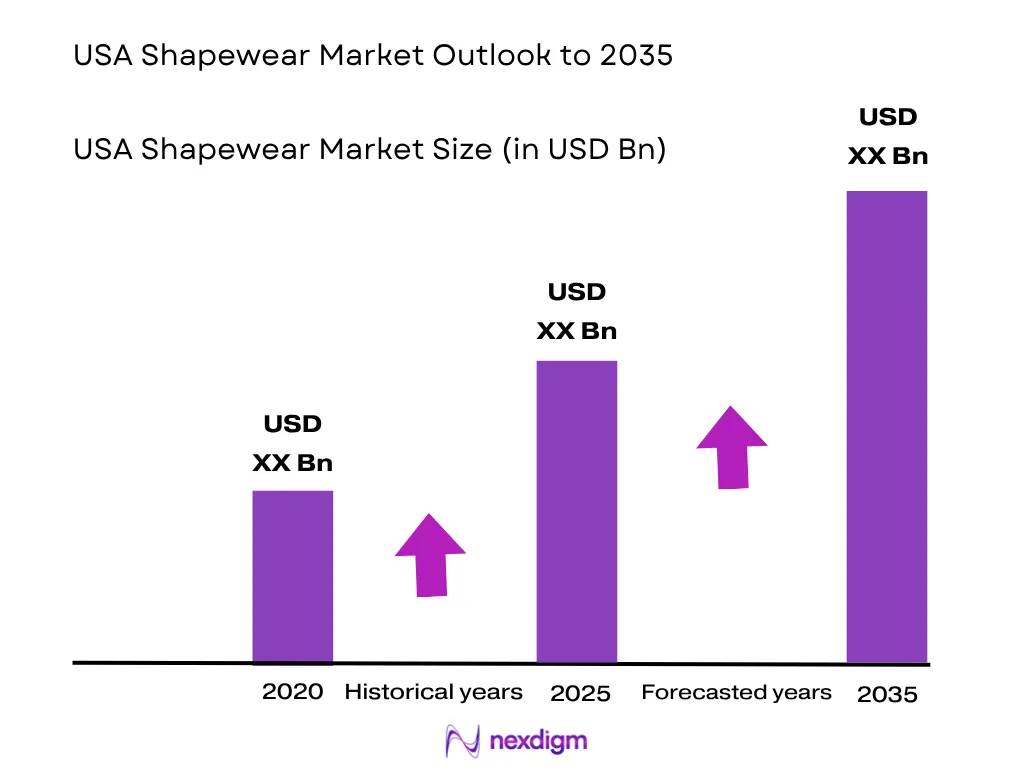
The USA shapewear market is valued at USD ~ billion, driven by factors like increasing consumer demand for body confidence products, the growing popularity of fitness and athleisure trends, and advancements in fabric technology. The rise of online retail platforms and shifts in consumer purchasing behavior are also significant contributors to the market’s expansion. Key players have consistently innovated their product lines to address different body types, which further strengthens the market growth. Additionally, the growing trend of post-surgery recovery products has helped diversify the market’s demand.
The USA shapewear market is dominated by major cities like New York, Los Angeles, and Chicago. These cities have a high concentration of fashion-forward consumers and a strong retail presence. New York is a fashion hub, contributing significantly to the market, with consumers seeking high-quality shapewear products for both everyday wear and special occasions. Los Angeles, known for its fitness-oriented culture, contributes heavily to the demand for shapewear catering to athletes and fitness enthusiasts. These cities, along with an increasingly health-conscious population, are critical to shaping market dynamics in the USA.
Market Segmentation
By Product Type
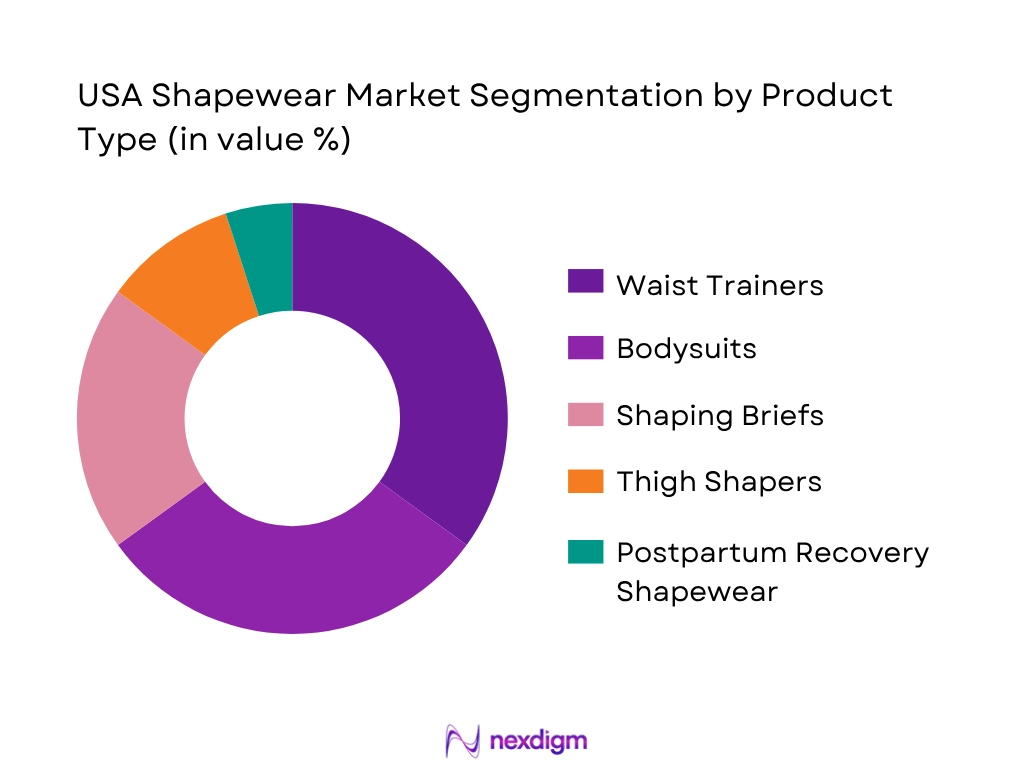
The USA shapewear market is segmented by product type into waist trainers, bodysuits, shaping briefs, thigh shapers, and postpartum recovery shapewear. Among these, waist trainers hold a dominant share in the market. This is primarily because of their long-standing popularity among consumers looking for waist-slimming solutions. With celebrities endorsing waist trainers and their widespread usage in weight loss and fitness regimens, this segment has garnered significant consumer attention. Additionally, waist trainers offer customizable compression, making them suitable for various body types, which adds to their market appeal.
By Material Composition
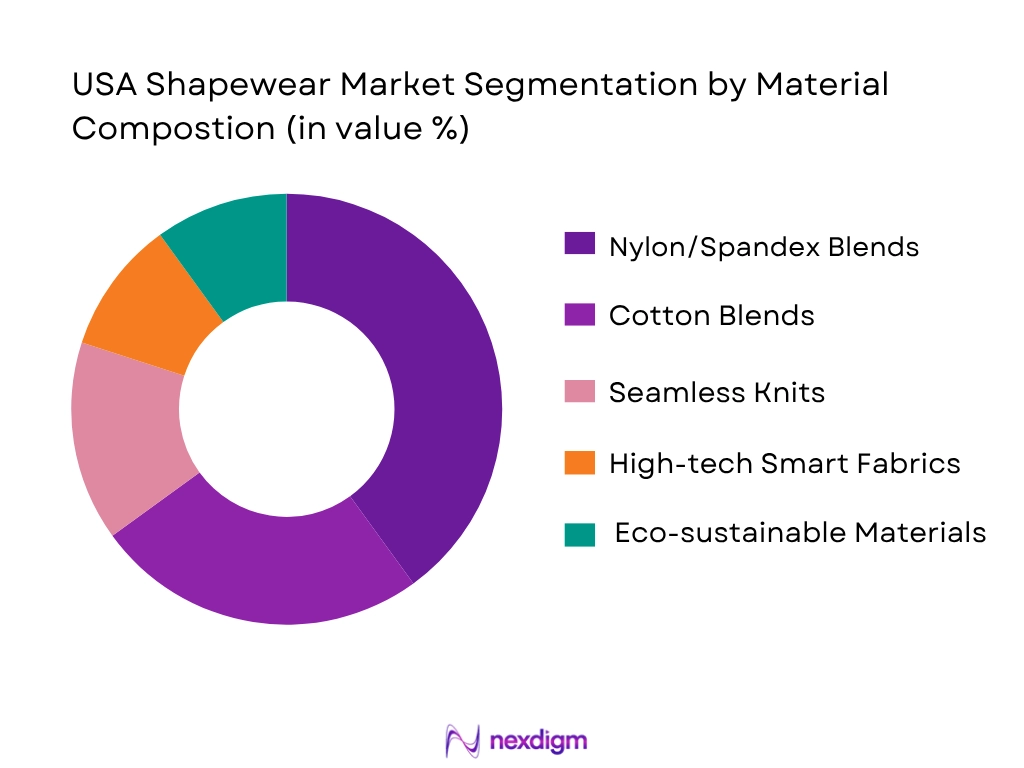
The market is also segmented by material composition into nylon/spandex blends, cotton blends, seamless knits, high-tech smart fabrics, and eco-sustainable materials. Nylon/spandex blends dominate the market due to their superior stretchability, durability, and comfort. These materials allow for body-contouring effects and long-lasting wear, making them a popular choice for shapewear. Their ability to retain shape and provide compression for various body sizes has led to widespread consumer acceptance. Additionally, advancements in material innovation, such as moisture-wicking and breathable properties, continue to drive the growth of this segment.
Competitive Landscape
The USA shapewear market is dominated by several major players, including global brands and specialized manufacturers. These companies have substantial market influence due to their established product lines, strong brand loyalty, and extensive distribution networks. Notable brands like Spanx, Skims, and Yummie have consistently led the market, while newer players such as Shapermint have also gained traction by leveraging direct-to-consumer models.
| Company | Year Established | Headquarters | Market Strategy | Product Portfolio | Distribution Channels |
| Spanx | 2000 | Atlanta, Georgia | ~ | ~ | ~ |
| Skims | 2019 | Los Angeles, California | ~ | ~ | ~ |
| Yummie | 2008 | New York, New York | ~ | ~ | ~ |
| Shapermint | 2018 | California | ~ | ~ | ~ |
| Maidenform | 1922 | Brooklyn, New York | ~ | ~ | ~ |
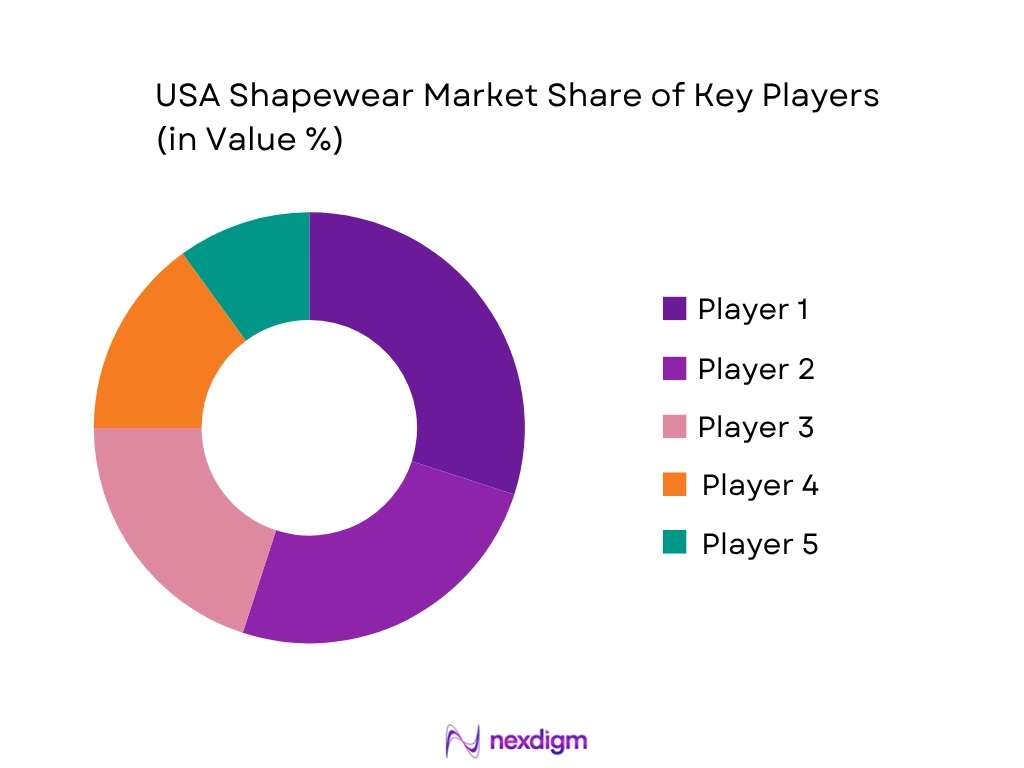
USA Shapewear Market Analysis
Market Growth Drivers
Compression Comfort Evolution
Compression comfort has become a critical factor in the growth of the USA shapewear market, driven by continuous advancements in material technology and increased consumer interest in more comfortable wearables. The market is significantly influenced by consumer demand for shapewear that offers a combination of compression and comfort. For instance, the global sportswear market is growing at a pace where activewear items, including shapewear, are expected to exceed USD 400 billion by 2026, driven by the increasing demand for more comfortable and flexible products. The demand for shapewear that offers enhanced comfort while delivering firm control has grown substantially as active lifestyles gain prominence in the US. This growth is also supported by data showing that the number of fitness enthusiasts in the US has grown to over 75 million in 2024, suggesting an increased demand for fitness-related shapewear.
Body Inclusivity
The ongoing trend toward body inclusivity is reshaping the shapewear market in the USA. As the demand for diverse body sizes grows, companies are catering to a broader range of body types. This inclusivity has driven substantial growth in plus-size clothing and shapewear products. For example, the percentage of women in the US wearing plus-size clothing has increased to 68% as of 2024. A report by the National Center for Health Statistics (NCHS) reveals that nearly 42.5% of adults in the US are obese, which reflects a growing demand for shapewear that accommodates larger body types. As a result, shapewear brands are expanding their size ranges to meet the needs of an increasingly diverse consumer base. With the US government focusing on tackling obesity through public health initiatives, the demand for shapewear that promotes body confidence and inclusivity is expected to rise.
Market Constraints
Fit & Sizing Complexity
One of the major constraints in the USA shapewear market is the complexity of fit and sizing. Despite advancements in fabric technology, consumers often face difficulties in finding the perfect fit due to the wide variety of body shapes and sizes. The returns percentage in the shapewear segment is significant, with studies indicating that online returns for clothing in the US, especially for shapewear, are up to 30% higher than other apparel categories in 2024. This is a reflection of sizing issues, as many consumers struggle to find shapewear that fits comfortably and provides the desired compression. The high return rate is further compounded by the fact that 45% of US consumers prefer trying on shapewear in person, especially given the complexity of sizing in different brands. These challenges contribute to dissatisfaction among consumers and impact the profitability of shapewear companies.
Returns Percentage
The returns percentage for shapewear products has become a major challenge for the market. The US apparel industry, including shapewear, faces one of the highest return rates, with an average of 25-30% of online purchases being returned. This is particularly noticeable in shapewear, where fit is critical, and 35% of returns are attributed to improper sizing. According to a report by the U.S. Department of Commerce, the apparel sector saw returns worth approximately USD 100 billion in 2024, with shapewear products contributing a significant share. This high return rate poses a financial burden on manufacturers and retailers, reducing profit margins and increasing operational costs. Given that consumer trust in sizing is a key factor in purchase decisions, addressing this constraint is critical to minimizing returns and improving market dynamics.
Market Opportunities
Customizable Shapewear
Customizable shapewear is emerging as a significant opportunity for growth within the USA shapewear market. Consumers are increasingly seeking shapewear that offers personalized comfort and fit. With advancements in digital technology, many brands are exploring innovative solutions that allow customers to design their own shapewear or opt for custom-fit options. A significant number of consumers, especially millennials and Gen Z, are now looking for personalized clothing options, and customizable shapewear is quickly gaining traction. According to a survey by the US Commerce Department, 37% of US shoppers expressed interest in personalized clothing, and 25% were particularly interested in shapewear that could be customized to their body shape. As brands invest in customization options and leverage new technologies such as 3D fitting tools, the demand for customizable shapewear is expected to increase. This trend is driving innovation and contributing to the overall expansion of the shapewear market in the US.
Plus Size Expansion
The demand for plus-size shapewear is one of the key growth opportunities in the USA market, driven by the increasing body positivity movement and rising awareness of size diversity. In 2024, over 67% of American women wear plus-size clothing, and this trend is reflected in the shapewear segment as well. As brands expand their product lines to include a broader range of sizes, they are catering to the growing need for shapewear that accommodates larger body types. A report by the U.S. Census Bureau indicates that the number of adults classified as obese has steadily increased in the US, with nearly 42% of the population considered obese, leading to a higher demand for shapewear products designed specifically for larger sizes. Companies are responding by increasing their size offerings and ensuring that these products provide both comfort and effective shaping for plus-size consumers.
Future Outlook
Over the next decade, the USA shapewear market is expected to show steady growth, driven by continued innovations in fabric technology, rising consumer interest in body positivity, and the increasing adoption of athleisure wear. Consumer demand for more inclusive sizing, especially among postpartum and plus-size segments, will also fuel the market. As brands integrate smart textiles and sustainability efforts into their offerings, the market is poised for substantial evolution. Additionally, the direct-to-consumer model and online retail dominance will remain key contributors to market expansion.
Major Players in the Market
- Spanx
- Skims
- Yummie
- Shapermint
- Maidenform
- Commando
- Soma Intimates
- TC Fine Intimates
- Leonisa USA
- Flexees
- Wolford America
- Assets by Sara Blakely
- Miraclesuit
- Flexees
- Bali (Hanesbrands Inc.)
Key Target Audience
- Investment and Venture Capitalist Firms
- Government and Regulatory Bodies (e.g., U.S. Consumer Product Safety Commission)
- Shapewear Manufacturers
- E-commerce and Retail Chains
- Fitness and Wellness Brands
- Medical Device and Post-surgery Rehabilitation Companies
- Textile Industry Suppliers
- Logistics and Distribution Partners
Research Methodology
Step 1: Identification of Key Variables
The initial phase involves mapping out the major players, target market segments, and distribution channels. A combination of secondary research from reputable databases and primary research with key industry stakeholders will help identify the market drivers and challenges. The goal is to capture all critical factors influencing market growth.
Step 2: Market Analysis and Construction
Historical data is analyzed, focusing on key metrics such as market size, segment performance, and revenue generation. This includes evaluating the impact of material composition, distribution strategies, and end-user preferences. We will also examine the competition landscape to gauge market positioning.
Step 3: Hypothesis Validation and Expert Consultation
Market hypotheses, developed based on secondary data, will be validated by consulting with industry experts through in-depth interviews and surveys. These experts will provide insights into market trends, emerging opportunities, and competitive strategies.
Step 4: Research Synthesis and Final Output
After data validation, a comprehensive analysis will be conducted, synthesizing insights from all research phases. The final report will integrate the findings, focusing on actionable insights that support strategic decision-making for market players.

- Executive Summary
- Research Methodology (Market Definitions and Assumptions, Market Units, Data Sources, Market Estimation Models, Margin of Error, Validation Framework, Research Limitations)

- Definition and Scope of Shapewear
- Industry Genesis and Growth Phases
- Evolution of Product Technology
- Value Chain Analysis
- Supply Network Analysis
- Demand Drivers and Consumption Ecosystem

- Market Growth Drivers (Compression Comfort Evolution, Body Inclusivity, Advancements in Fabric Technology, Increased Focus on Sustainability)
- Market Challenges (Fit & Sizing Complexity, Returns %, High Competition Among Brands, Supply Chain and Raw Material Challenges)
- Market Opportunities (Customizable Shapewear, Plus‑Size Expansion, Adoption of Direct-to-Consumer (DTC) Models, Expansion into Emerging Markets)
- Market Trends (Smart Textiles, Virtual Try‑On Tech, Integration of Wearable Technology)
- Regulatory Framework (Labeling Requirements, Textile Import Tariffs)
- SWOT Analysis (Market Strength, Weakness Metrics)
- Porter’s Five Forces Analysis (Competitive Rivalry, New Entrant Threat)

- By by Value (2020-2025)
- By Volume (2020-2025)
- By Average Selling Price (2020-2025)
- By Organized vs Unorganized Share(2020-2025)
- By Branded vs Private Label Share(2020-2025)

- By Product Type (In Value %)
Waist Trainers
Bodysuits
Shaping Briefs
Thigh Shapers
Postpartum Recovery Shapewear - By Material Composition (In Value%)
Nylon/Spandex Blends
Cotton Blends
Seamless Knits
High‑Tech Smart Fabrics
Eco‑Sustainable Materials - By Distribution Channel (In Value%)
Online Retail
Specialty Apparel Stores
Department Stores
Direct‑to‑Consumer Brand Stores - By End User (In Value%)
Women
Men
Athletes and Fitness Enthusiasts - By Price Band (In Value%)
Economy
Mid‑Range
Premium
Luxury

- Market Share Analysis of Major Players (By Value, By Volume, By Category Mix,
- By Channel Presence, By Revenue (Top Tier / Mid Tier / Emerging Players)
- Cross Comparison Parameters (Market Position Grade, Product Portfolio Depth, Brand Equity Score, Distribution Network Strength, E‑Commerce Penetration %, SKU Count by Category, Average Price Point, Advertising Spend Intensity)
- Competitive Benchmarking Matrix (Brand vs. Brand Scorecards)
- Price Architecture and SKU Tiering (Retail vs. Online ASP Differential)
- SWOT Analysis of Major Players
- Shelf and Digital Visibility Benchmarking (Search Ranking, Retail Filters, Review Count, Rating Strength, Social Engagement, Creator Partnerships)
- Detailed Profiles of Major Companies
Spanx Inc.
Skims USA
Yummie by Heather Thomson
Shapermint
Bali (Hanesbrands Inc.)
Maidenform (Hanesbrands Inc.)
Commando
Soma Intimates (Chico’s FAS)
TC Fine Intimates
Leonisa USA
Flexees (Hanesbrands Inc.)
Wolford America
Assets by Sara Blakely
Miraclesuit (Delta Galil Industries)
Shapellx

- Purchase Decision Matrix (Fit Accuracy, Comfort Index)
- Usage Patterns (Daily Vs. Occasional)
- Demographic Consumption Profiles (Age Bands, Gender Dynamics)
- Brand Switching and Loyalty Analysis (Repurchase Rate, Trial-to-Repeat Conversion, Promo Sensitivity, Channel Migration, Review Influence)
- Pain Points and Quality Expectations (Return Drivers, Fit Issues)

- By Value (2026-2035)
- By Volume (2026-2035)
- By ASP Projection (2026-2035)
- By Segment (2026-2035)


 Request a Sample
 Ask for Customization
 Get a Quote
 Enquire Now