
 Download PDF
Market Overview
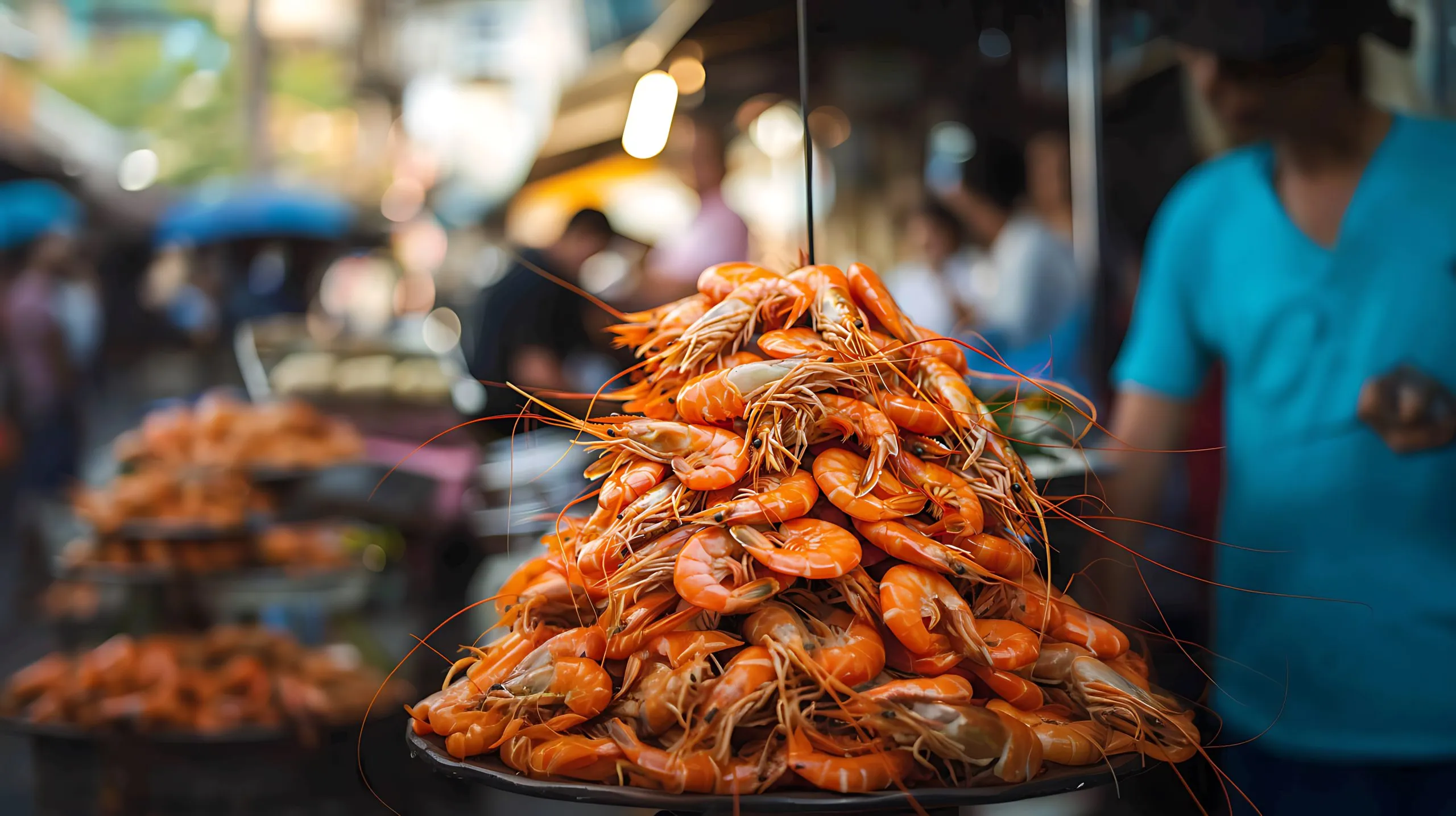
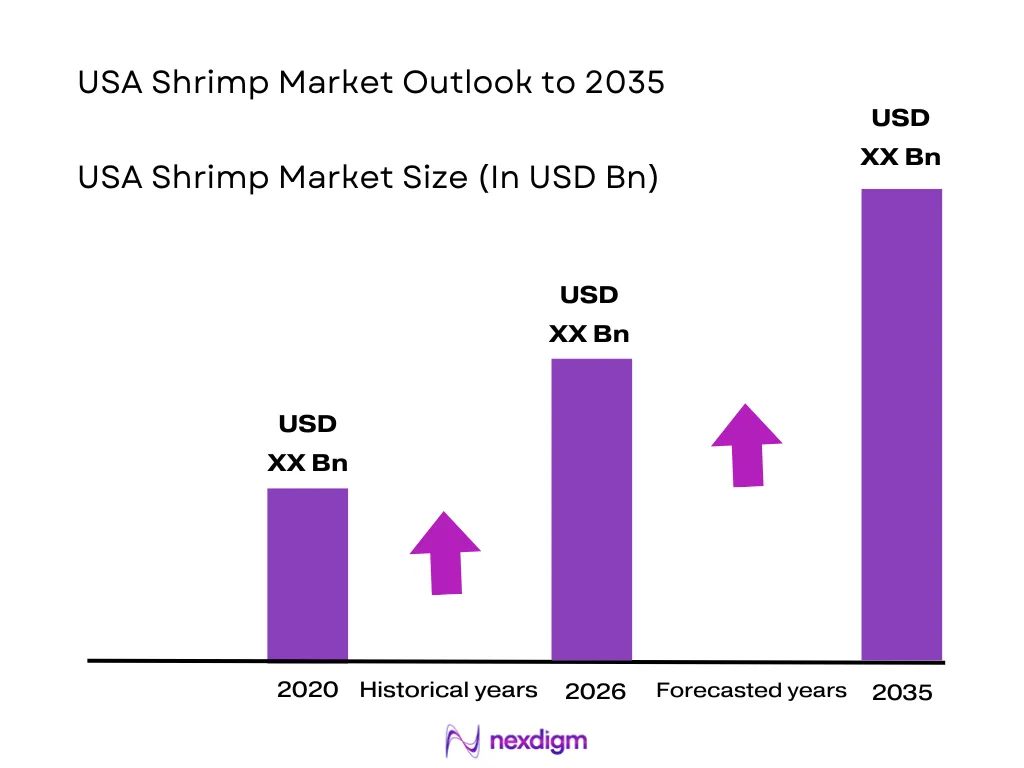
The USA Shrimp Market is supported by rising seafood protein consumption, increasing frozen food penetration, and expanding foodservice demand across restaurants and retail channels. The United States imported nearly 1.67 billion pounds of shrimp during 2024, while shrimp remained the most consumed seafood product nationwide. The market is valued at approximately USD ~ billion, supported by strong cold chain infrastructure, increasing ready-to-cook seafood demand, and rising household preference for protein-rich diets. Growth in online grocery retailing and value-added frozen seafood products has further accelerated shrimp penetration across supermarkets, warehouse clubs, and institutional foodservice buyers.
Major market activity is concentrated in coastal trade hubs such as Miami, Houston, New Orleans, Los Angeles, and New York due to advanced port infrastructure, seafood logistics networks, and cold storage capacity. Internationally, countries including India, Ecuador, Indonesia, and Vietnam dominate shrimp supply to the United States because of large-scale aquaculture production and export-oriented seafood processing industries. Gulf Coast states remain central to domestic wild-caught shrimp harvesting due to established fishing fleets and seafood processing clusters, while metropolitan regions continue driving demand through restaurant consumption and premium seafood retail penetration.
Market Segmentation
By Product Form
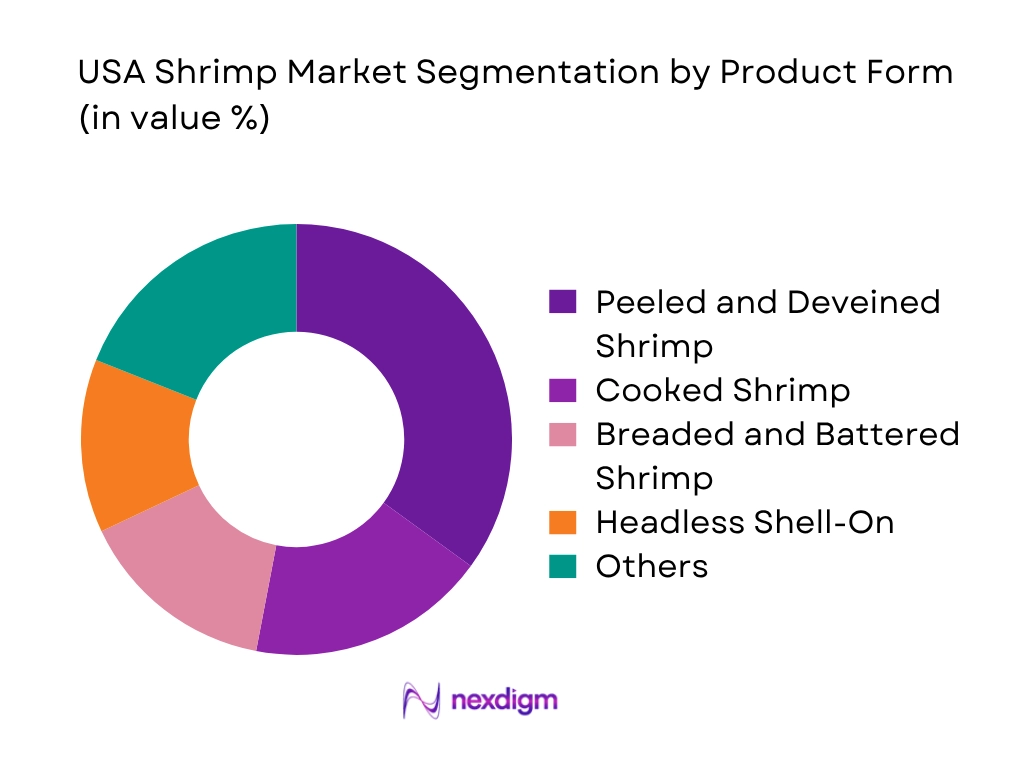
The USA Shrimp Market is segmented by product form into head-on shell-on (HOSO), headless shell-on (HLSO), peeled and deveined shrimp, cooked shrimp, breaded and battered shrimp, and ready-to-eat/value-added shrimp products. Peeled and deveined shrimp dominates the USA Shrimp Market under the product form segmentation because of its convenience, reduced preparation time, and widespread acceptance across retail and foodservice channels. Supermarkets and restaurants increasingly prefer peeled shrimp products as they improve kitchen efficiency and reduce labor requirements. Frozen peeled shrimp products have witnessed higher shelf penetration due to growing demand for ready-to-cook meal solutions and seafood convenience foods. Additionally, expanding online grocery retailing and frozen seafood logistics have strengthened the availability of peeled shrimp products across urban and suburban markets. Value-added processing and premium packaging innovations continue supporting dominance of this segment within household and institutional seafood consumption.
By Distribution Channel
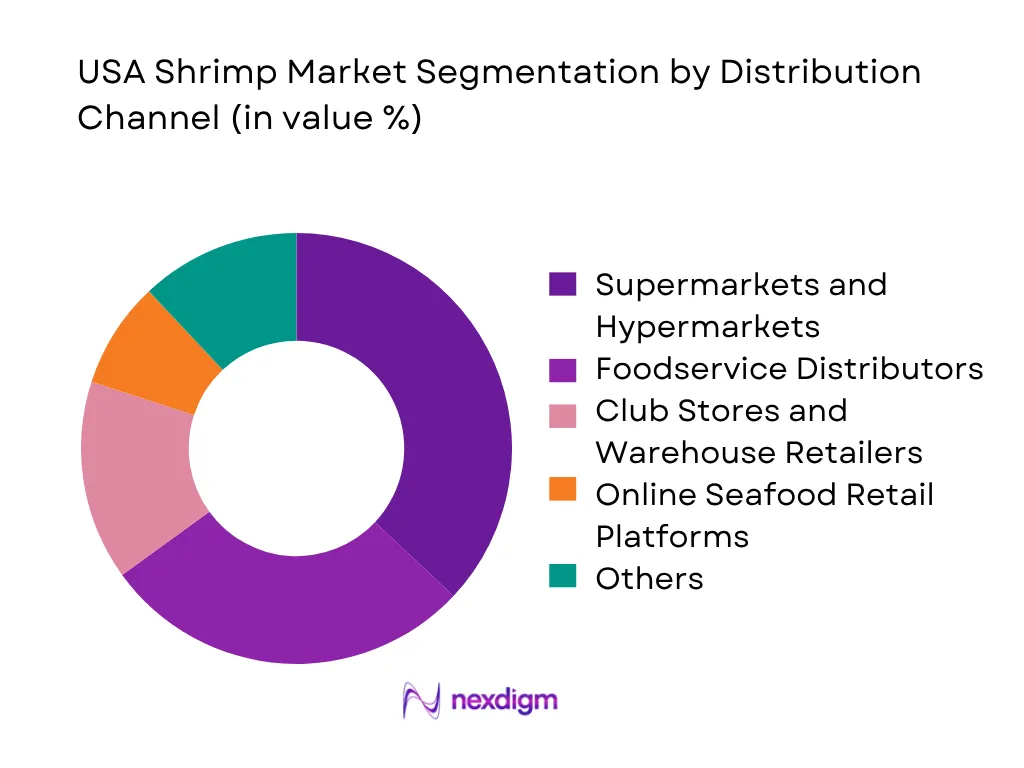
The USA Shrimp Market is segmented by distribution channel into supermarkets and hypermarkets, foodservice distributors, club stores and warehouse retailers, specialty seafood stores, convenience stores, and online seafood retail platforms. Supermarkets and hypermarkets dominate the USA Shrimp Market because they provide extensive frozen seafood assortments, wider retail accessibility, and strong private-label penetration. Large retail chains have expanded seafood freezer sections to meet rising demand for convenient protein products and frozen meal solutions. Consumers prefer supermarkets because of competitive pricing, promotional seafood bundles, and availability of multiple shrimp sizes and packaging formats. Strong cold-chain infrastructure and nationwide distribution networks also strengthen retail dominance. In addition, supermarkets actively promote sustainable-certified and antibiotic-free seafood products, attracting health-conscious consumers. Although online seafood retail platforms are witnessing increasing traction, physical retail stores continue leading because consumers prefer product visibility, freshness verification, and immediate availability before purchase.
Competitive Landscape
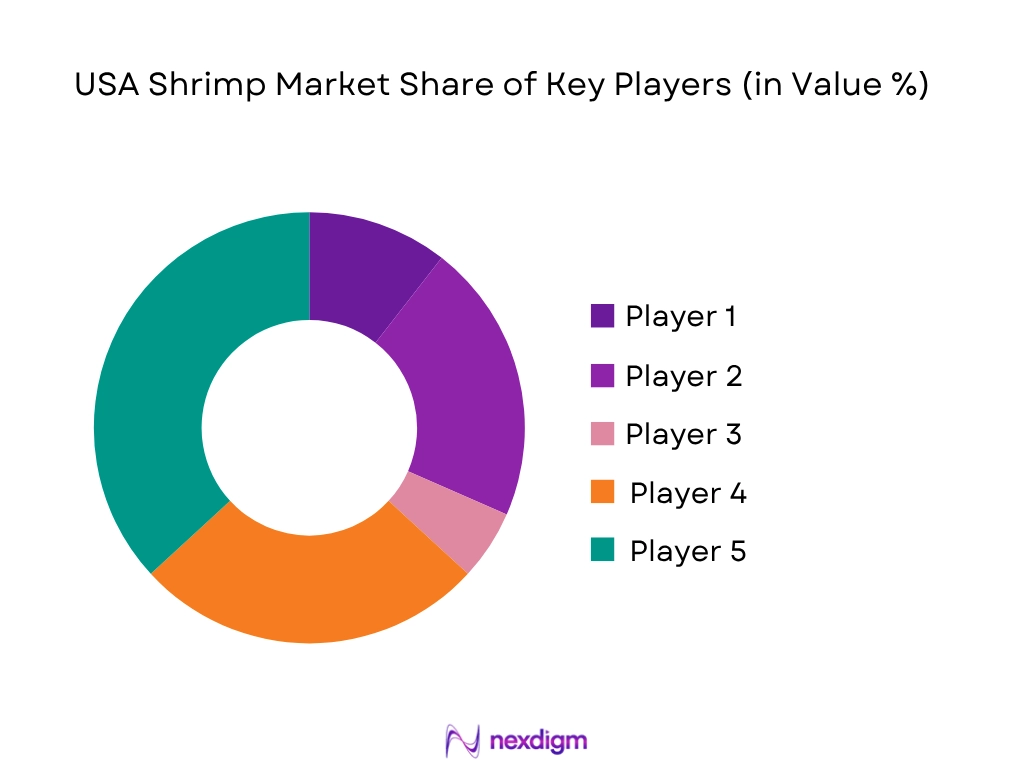
The USA Shrimp Market is moderately consolidated, with leading seafood importers, processors, and distributors competing through sourcing capabilities, sustainability certifications, cold chain infrastructure, and value-added seafood portfolios. Companies are increasingly focusing on traceability systems, premium frozen seafood innovation, and expansion across retail and foodservice channels. Import diversification strategies and sustainable seafood procurement remain key competitive differentiators within the market.
| Company | Establishment Year | Headquarters | Processing Capacity | Import Sourcing Strength | Distribution Reach | Sustainability Certifications | Product Portfolio | Key End Users |
| Thai Union Group | 1977 | Thailand | ~ | ~ | ~ | ~ | ~ | ~ |
| Sysco Corporation | 1969 | USA | ~ | ~ | ~ | ~ | ~ | ~ |
| Red Chamber Group | 1978 | USA | ~ | ~ | ~ | ~ | ~ | ~ |
| High Liner Foods | 1899 | Canada | ~ | ~ | ~ | ~ | ~ | ~ |
| Trident Seafoods | 1973 | USA | ~ | ~ | ~ | ~ | ~ | ~ |
USA Shrimp Market Analysis
Growth Drivers
Rising Seafood Protein Consumption
The growing preference for high-protein seafood diets in the United States continues to accelerate shrimp consumption across retail and foodservice channels. According to the United States Department of Agriculture, U.S. disposable personal income exceeded USD 21 trillion during 2024, increasing spending capacity for premium protein products including seafood. The U.S. Census Bureau reported the national population surpassed 340 million people, expanding seafood consumption demand across urban and suburban regions. Shrimp remains the most consumed seafood product in the country due to its affordability, convenience, and versatility across cuisines. Rising restaurant expenditure and increasing multicultural food adoption continue strengthening shrimp utilization within household and institutional dining channels.
Expansion of Frozen Seafood Retail Infrastructure
The expansion of frozen food retail infrastructure and cold chain logistics has significantly improved shrimp penetration across the United States market. The United States operates one of the world’s largest refrigerated warehousing networks, supporting frozen seafood distribution from coastal ports to inland metropolitan markets. Major retail chains continue expanding frozen seafood assortments due to rising demand for convenient meal solutions and ready-to-cook protein products. Growth in online grocery retailing and temperature-controlled logistics systems has also improved seafood accessibility nationwide. Expanding refrigerated trucking and cold storage infrastructure continues reducing spoilage losses while improving inventory efficiency for seafood processors and distributors.
Market Challenges
Disease Outbreaks in Global Shrimp Aquaculture
Disease outbreaks across major shrimp-producing countries remain a significant challenge affecting global shrimp supply continuity and import stability within the United States market. Aquaculture diseases such as Early Mortality Syndrome and White Spot Syndrome Virus continue impacting shrimp farms across Asia and Latin America, reducing productivity and increasing operational risk for exporters. Since the United States remains highly dependent on imported farmed shrimp products, disruptions in aquaculture output directly affect seafood processors, importers, and restaurant supply chains. Climate variability and rising ocean temperatures are also increasing biological stress across shrimp farming ecosystems, creating additional supply-side uncertainty for international seafood trade.
Rising Freight and Cold Chain Logistics Costs
The USA Shrimp Market continues facing pressure from increasing logistics and cold chain operating expenses due to inflationary trends and global shipping disruptions. Refrigerated transportation and seafood warehousing costs have increased because of higher electricity consumption, fuel price volatility, and labor shortages across logistics networks. Seafood distributors and processors remain highly dependent on temperature-controlled supply chains due to the perishability requirements of shrimp products. Import congestion at major ports and fluctuations in maritime freight availability have further affected seafood inventory movement across retail and foodservice channels. These rising operational costs continue impacting seafood distribution efficiency and profitability.
Market Opportunities
Growing Demand for Sustainable and Certified Seafood
Increasing consumer preference for sustainable seafood products is creating substantial opportunities within the USA Shrimp Market. Retailers and restaurant operators are expanding procurement of certified seafood products to meet rising consumer awareness regarding environmental sustainability and responsible sourcing practices. Traceability requirements and seafood monitoring programs are encouraging suppliers to strengthen transparency across shrimp supply chains. Sustainable-certified, antibiotic-free, and responsibly farmed shrimp products are witnessing higher acceptance among premium retail and institutional buyers. Expanding sustainability initiatives among supermarkets and foodservice chains continue supporting growth opportunities for certified seafood exporters and processors.
Expansion of Online Seafood Retail and Digital Grocery Platforms
The rapid expansion of online grocery and seafood delivery platforms is creating strong opportunities for shrimp suppliers and seafood distributors across the United States. Increasing consumer preference for convenience-based grocery shopping has accelerated digital seafood purchases, particularly frozen ready-to-cook shrimp products. Retailers continue expanding same-day grocery delivery services and temperature-controlled packaging systems to improve seafood freshness during transportation. Growth in subscription-based meal kits and direct-to-consumer seafood platforms is also strengthening demand for premium value-added shrimp products. Advancements in cold-chain logistics and digital retail infrastructure continue improving seafood accessibility across metropolitan and suburban markets nationwide.
Future Outlook
The USA Shrimp Market is expected to witness stable long-term growth driven by increasing seafood protein consumption, expansion of frozen food retailing, and rising demand for convenient ready-to-cook seafood products. Sustainability certifications, traceability systems, and antibiotic-free labeling are expected to increasingly influence purchasing behavior among retailers and foodservice operators. Growth in online grocery retailing and cold-chain logistics infrastructure is likely to strengthen nationwide accessibility of frozen shrimp products. Foodservice demand across quick-service restaurants, casual dining chains, and institutional buyers is also expected to support long-term seafood procurement growth. Technological advancements in aquaculture production, seafood packaging, and supply chain traceability are expected to further strengthen market competitiveness across the United States.
Major Players
- Thai Union Group
- Sysco Corporation
- Red Chamber Group
- High Liner Foods
- Aqua Star
- Pacific Seafood
- Trident Seafoods
- Eastern Fish Company
- SeaPak Shrimp & Seafood Co.
- Mazzetta Company
- Chicken of the Sea Frozen Foods
- Omarsa
- Santa Priscila
- Nordic Seafood
- Admiral’s Choice
Key Target Audience
- Seafood Importers and Exporters
- Frozen Seafood Processing Companies
- Retail Supermarket Chains
- Foodservice and Restaurant Operators
- Cold Storage and Seafood Logistics Providers
- Investments and Venture Capitalist Firms
- Government and Regulatory Bodies
- Aquaculture Feed and Hatchery Companies
Research Methodology
Step 1: Identification of Key Variables
The initial stage involved identifying major variables influencing the USA Shrimp Market, including seafood import dependency, frozen seafood penetration, foodservice demand, sustainability adoption, and cold-chain logistics expansion. Extensive secondary research was conducted using trade databases, seafood industry publications, government statistics, and supply chain reports to understand the market ecosystem and operational structure.
Step 2: Market Analysis and Construction
Historical market analysis was conducted using shrimp import volumes, domestic seafood production data, retail seafood sales, and foodservice procurement trends. Market estimations were derived through bottom-up calculations based on distribution channels, shrimp product categories, and regional seafood demand analysis across the United States.
Step 3: Hypothesis Validation and Expert Consultation
The preliminary market findings were validated through interviews with seafood importers, distributors, processors, foodservice procurement managers, and logistics operators. These consultations provided insights regarding seafood sourcing strategies, retail shelf expansion, cold-chain management, sustainability requirements, and future product demand trends within the shrimp industry.
Step 4: Research Synthesis and Final Output
The final phase involved consolidating quantitative and qualitative findings to produce a comprehensive assessment of the USA Shrimp Market. Cross-validation was conducted using trade statistics, company disclosures, seafood logistics data, and retail intelligence sources to ensure reliability and consistency of market estimations and future projections.

- Executive Summary
- Research Methodology (Market Definitions and Assumptions, Abbreviations, Research Framework, Bottom-Up Market Estimation, Top-Down Validation, Consumption Mapping, Seafood Retail Audit Analysis, Import-Export Trade Flow Assessment, Primary Interviews with Importers and Seafood Distributors, Forecasting Model, Limitations and Assumptions)

- Definition and Scope
- Evolution of Shrimp Consumption in the USA
- Industry Ecosystem and Stakeholder Mapping
- Supply Chain and Value Chain Analysis
- Import Dependency and Trade Flow Structure
- Cold Chain and Seafood Logistics Infrastructure

- Growth Drivers
Rising Seafood Protein Consumption
Expansion of Frozen Seafood Retailing
Growing Demand for Convenient Protein Products
Increasing Penetration of Asian and Seafood Cuisine
Growth in Foodservice and Restaurant Chains - Market Challenges
Disease Outbreaks in Shrimp Aquaculture
Volatility in Feed and Freight Costs
Import Duty and Anti-Dumping Risks
Sustainability and Traceability Compliance Costs
Labor Shortages in Processing Facilities - Market Opportunities
Expansion of Sustainable Shrimp Products
Premiumization in Value-Added Shrimp
Growth in Online Seafood Retailing
Increasing Demand for Clean-Label Seafood
Domestic Aquaculture Expansion Potential - Market Trends
Shift Toward Ready-to-Cook Seafood
Increased Adoption of Traceability Technologies
Growth in Antibiotic-Free Shrimp Demand
Automation in Seafood Processing Plants
Smart Cold Chain and Temperature Monitoring Adoption - Regulatory Landscape
FDA Seafood HACCP Regulations
NOAA Fisheries Compliance Framework
SIMP (Seafood Import Monitoring Program) Requirements
Labeling and Country-of-Origin Requirements
Sustainability and Environmental Standards - SWOT Analysis
- Porter’s Five Forces Analysis
- PESTLE Analysis
- Stakeholder Ecosystem
- Trade and Tariff Analysis

- By Value, 2020-2025
- By Volume, 2020-2025
- By Import Volume, 2020-2025
- By Domestic Production Volume, 2020-2025
- By Average Wholesale Price, 2020-2025

- By Shrimp Species (in Value %)
Farmed Shrimp Penetration
Wild-Caught Shrimp Utilization
Import Dependency
Species Consumption Preference - By Product Form (in Value %)
Ready-to-Cook Penetration
Value-Added Processing Share
Frozen Seafood Utilization
Foodservice Demand - By Distribution Channel (in Value %)
Retail Shelf Presence
Foodservice Procurement Volume
Online Seafood Sales
Cold Chain Reach - By Preservation Type (in Value %)
Frozen Product Penetration
Shelf Stability
Storage Efficiency
Retail Availability - By End User (in Value %)
Household Consumption Frequency
Restaurant Procurement
Institutional Seafood Utilization
Menu Penetration - By Packaging Type (in Value %)
Vacuum Packaging Adoption
Bulk Packaging Utilization
Modified Atmosphere Packaging Penetration
Retail Convenience - By Certification Type (in Value %)
ASC Certification Adoption
BAP Compliance
MSC Label Penetration
Antibiotic-Free Product Demand - By Region (in Value %)
Northeast USA
Midwest USA
Southern USA
Western USA
Gulf Coast Region

- Market Share Analysis of Major Players
- Cross Comparison Parameters (Processing Capacity, Import Volume, Species Portfolio, Value-Added Product Portfolio, Cold Storage Infrastructure, Sustainability Certifications, Foodservice Partnerships, Distribution Reach)
- Competitive Benchmarking Matrix
- Strategic Initiatives and Recent Developments
- Pricing Benchmarking Analysis by SKU and Count Size
- Supplier Positioning Matrix
- Company Profile Analysis
Thai Union Group
Sysco Corporation
Red Chamber Group
High Liner Foods
Aqua Star
Pacific Seafood
Chicken of the Sea Frozen Foods
Mazzetta Company
Trident Seafoods
Nordic Seafood
Omarsa
Santa Priscila
SeaPak Shrimp & Seafood Co.
Eastern Fish Company
Admiral’s Choice

- By Value, 2020-2025
- By Volume, 2020-2025
- By Import Volume, 2020-2025
- By Domestic Production Volume, 2020-2025
- By Average Wholesale Price, 2020-2025

- By Value, 2026-2035
- By Volume, 2026-2035
- By Import Volume, 2026-2035
- By Domestic Production Volume, 2026-2035
- By Average Wholesale Price, 2026-2035


 Request a Sample
 Ask for Customization
 Get a Quote
 Enquire Now