
 Download PDF
 Download PDF
Market Overview
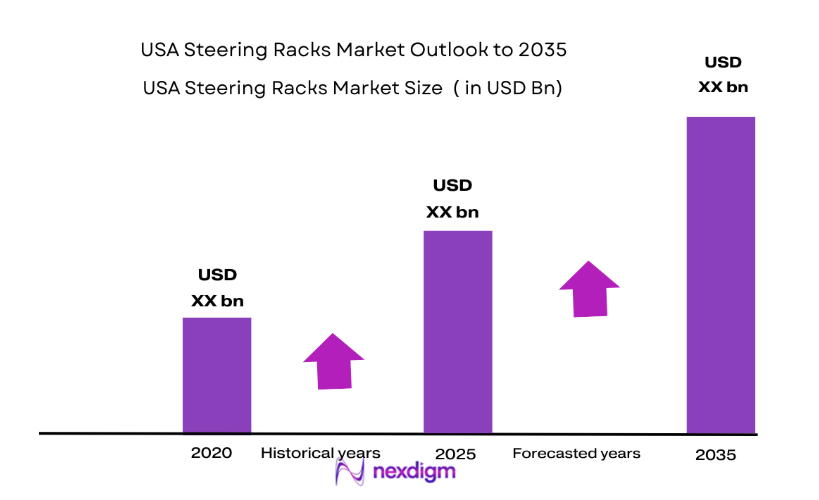
The USA Steering Racks market is projected to reach USD ~ billion based on a recent historical assessment. The market growth is driven by increasing vehicle production, demand for advanced steering technologies, and the rise of electric and autonomous vehicles. Additionally, technological innovations, such as electric power steering and steering-by-wire systems, continue to fuel demand for steering racks. The market is also benefiting from the automotive industry’s transition towards enhanced safety, performance, and fuel efficiency.
The USA dominates the steering racks market due to its large automotive manufacturing base, technological advancements, and consumer demand for high-performance vehicles. Major automotive hubs in Detroit, Michigan, and other cities with a strong automotive presence are contributing to market dominance. The USA’s stringent vehicle safety regulations and environmental standards are also driving the need for advanced steering systems. These factors combined with the growing trend of electric vehicle adoption create a favorable environment for steering rack manufacturers in the region.
Market Segmentation
By Product Type:
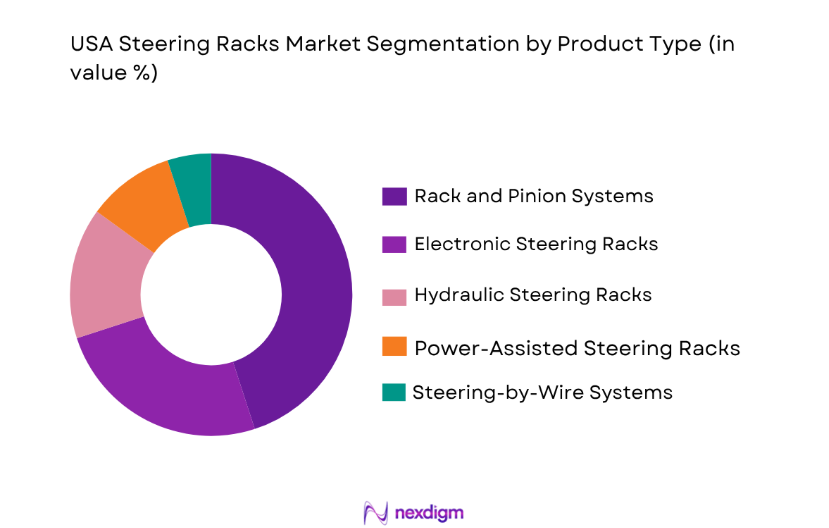
The USA Steering Racks market is segmented by product type into various sub-segments. Among them, rack and pinion systems currently hold a dominant market share due to their widespread use in passenger vehicles and commercial vehicles. These systems are favored for their simplicity, cost-effectiveness, and ease of maintenance. The demand for rack and pinion systems has been further boosted by advancements in electric power steering (EPS) technologies, which provide better fuel efficiency and performance. The growing preference for enhanced driving comfort and safety features is also contributing to the dominance of this sub-segment.
By Platform Type:
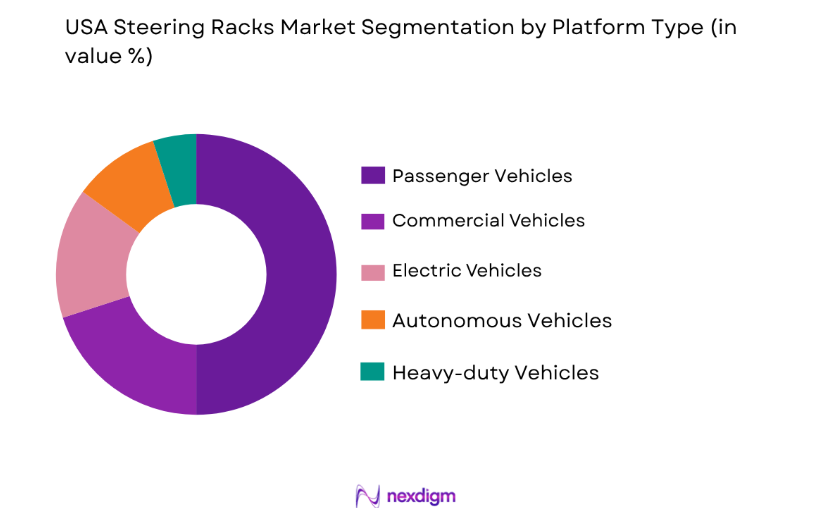
The USA Steering Racks market is segmented by platform type into various sub-segments. Among them, passenger vehicles account for the largest market share due to the high demand for steering systems in cars and light trucks. The increasing adoption of electric vehicles (EVs) is also contributing to the growth of steering rack demand in this sub-segment. EVs require specific steering technologies like electronic steering racks and steering-by-wire systems to meet efficiency and safety standards. Additionally, consumer preferences for advanced driving technologies, such as autonomous driving features, further enhance the demand for steering racks in this sub-segment.
Competitive Landscape
The competitive landscape of the USA Steering Racks market is characterized by a blend of established players and new entrants focusing on technological advancements. Major players have strengthened their market positions by investing in R&D to develop steering systems that cater to the increasing demand for electric and autonomous vehicles. The market is consolidating, with key players expanding their portfolios through acquisitions and partnerships, while also pushing forward the development of steering-by-wire systems and other cutting-edge technologies.
| Company Name | Establishment Year | Headquarters | Technology Focus | Market Reach | Key Products | Revenue | Product Innovation |
| ZF Friedrichshafen | 1915 | Germany | ~ | ~ | ~ | ~ | ~ |
| Bosch Group | 1886 | Germany | ~ | ~ | ~ | ~ | ~ |
| JTEKT Corporation | 2006 | Japan | ~ | ~ | ~ | ~ | ~ |
| Nexteer Automotive | 2009 | USA | ~ | ~ | ~ | ~ | ~ |
| Mando Corporation | 1962 | South Korea | ~ | ~ | ~ | ~ | ~ |
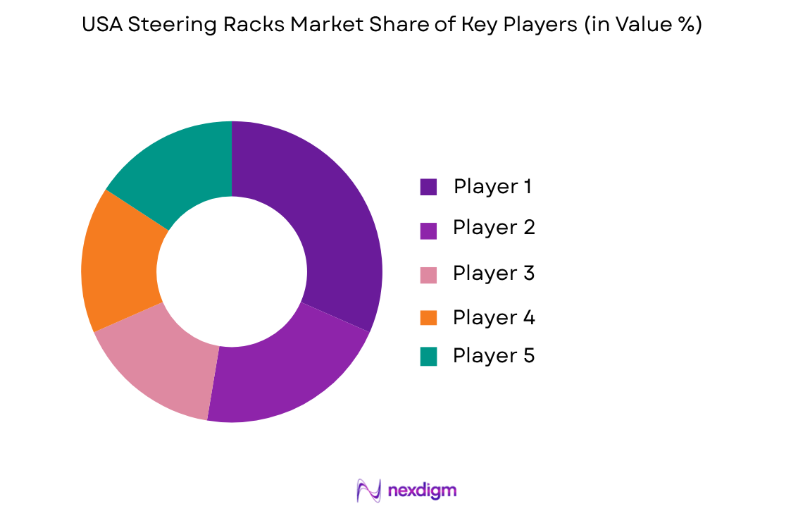
USA Steering Racks Market Analysis
Growth Drivers
Technological Advancements in Steering Systems:
The rapid evolution of steering technologies is one of the key growth drivers for the USA Steering Racks market. Advancements such as electric power steering (EPS) and steering-by-wire systems are significantly improving vehicle performance, reducing fuel consumption, and enhancing driving comfort. These innovations are pushing the demand for advanced steering systems, as they are crucial in meeting the rising consumer preference for improved vehicle performance. EPS, for instance, offers greater fuel efficiency, as it uses electric motors rather than hydraulic pumps to assist the steering mechanism. This shift is in line with the broader automotive industry’s focus on sustainability and reduced environmental impact, which also boosts the demand for modern steering racks. Furthermore, with the increasing adoption of electric and autonomous vehicles, steering systems are being designed to accommodate the specific needs of these vehicles, such as reduced weight, increased energy efficiency, and enhanced maneuverability.
Regulatory Pressure on Vehicle Safety:
Another important growth driver for the USA Steering Racks market is the stringent regulatory environment surrounding vehicle safety. As vehicle safety standards become increasingly demanding, steering systems are being subjected to more rigorous performance and durability tests. These regulations are pushing manufacturers to innovate, ensuring that steering racks meet the high standards set by governmental authorities. For instance, in the USA, the National Highway Traffic Safety Administration (NHTSA) enforces strict regulations on steering systems, especially regarding the safety of power steering in case of failure. With the growing emphasis on crashworthiness and vehicle stability, automotive manufacturers are turning to advanced steering technologies, such as electronic steering and steer-by-wire systems, which offer better control, stability, and safety. These technological advancements align with consumer expectations for safer driving experiences, creating significant demand for advanced steering racks.
Market Challenges
High Cost of Advanced Steering Technologies:
One of the major challenges in the USA Steering Racks market is the high cost associated with the development and production of advanced steering systems. While innovations like electric power steering (EPS) and steering-by-wire systems offer significant benefits in terms of performance and energy efficiency, they come with higher manufacturing costs. These high costs are often passed on to consumers, which can hinder the widespread adoption of these technologies, particularly in the mass-market vehicle segment. In addition, the complexity of these advanced systems requires extensive research and development investments, increasing the overall cost burden for manufacturers. The challenge lies in balancing the demand for innovative technologies with the need to keep prices competitive.
Supply Chain Disruptions and Component Shortages:
Another challenge the USA Steering Racks market faces is supply chain disruptions, particularly with the availability of key components required for manufacturing steering systems. The COVID-19 pandemic, along with geopolitical tensions and natural disasters, has caused delays and shortages in critical parts such as microchips and raw materials used in steering rack production. These disruptions not only affect the availability of steering racks but also increase lead times, impacting production schedules and overall market growth. Manufacturers are increasingly dependent on a global supply chain, and any disturbance can create a ripple effect, delaying the launch of new vehicle models and impacting automotive production.
Opportunities
Electric Vehicle (EV) Adoption:
The growing adoption of electric vehicles presents a significant opportunity for the USA Steering Racks market. As EV sales continue to rise, the demand for specialized steering technologies, such as electronic power steering (EPS) and steering-by-wire systems, is expected to increase. These systems are particularly well-suited for EVs because they provide better energy efficiency and allow for more precise vehicle control, both of which are crucial for the performance of electric cars. Furthermore, with automakers shifting towards EV production to meet regulatory standards and consumer preferences, there is an increasing demand for advanced steering systems that can improve the overall driving experience in electric vehicles.
Autonomous Driving Technologies:
The growing trend towards autonomous vehicles is another significant opportunity for the steering racks market. As autonomous driving systems evolve, the role of traditional mechanical steering is expected to decrease in favor of more advanced, electronically controlled systems. Steering-by-wire technologies, which eliminate the need for physical steering shafts, are becoming increasingly important as they align with the architecture of self-driving vehicles. This shift in steering system design is opening up new avenues for market growth. Manufacturers are investing in the development of steer-by-wire and other advanced technologies that can support autonomous driving functions, creating a market opportunity for steering systems that can support fully autonomous vehicles.
Future Outlook
The future outlook for the USA Steering Racks market is highly promising, with continued growth expected over the next several years. Driven by advancements in technology, rising demand for electric and autonomous vehicles, and stringent safety regulations, the market is anticipated to experience a steady increase in demand for innovative steering solutions. The transition towards electric power steering, as well as steering-by-wire technologies, will play a significant role in shaping the future of the industry. Additionally, consumer preferences for improved vehicle performance and safety will continue to drive innovation. As the automotive industry embraces the shift to EVs and autonomous vehicles, steering rack manufacturers will have to adapt quickly to these changes, ensuring that their products meet the evolving demands of the market.
Major Players
- ZF Friedrichshafen
- Bosch Group
- JTEKT Corporation
- Nexteer Automotive
- Mando Corporation
- Thyssenkrupp
- Magna International
- Aisin Seiki
- Denso Corporation
- Delphi Technologies
- Schaeffler Group
- Hitachi Automotive Systems
- TRW Automotive
- Hyundai Mobis
- Akebono Brake Industry
Key Target Audience
- Investments and venture capitalist firms
- Government and regulatory bodies
- Automotive OEMs
- EV manufacturers
- Tier 1 suppliers
- Vehicle fleet operators
- Aftermarket service providers
- Vehicle technology developers
Research Methodology
Step 1: Identification of Key Variables
Key market variables, including product types, technologies, and end-user segments, are identified through extensive market research, expert consultations, and data mining from industry reports.
Step 2: Market Analysis and Construction
A detailed market analysis is conducted, involving historical data review, trend analysis, and forecasting models to construct the overall market landscape.
Step 3: Hypothesis Validation and Expert Consultation
Hypotheses regarding market trends, growth drivers, and challenges are validated with insights gathered from key industry experts, manufacturers, and stakeholders.
Step 4: Research Synthesis and Final Output
The final research output is synthesized, combining both quantitative and qualitative data to generate a comprehensive report that outlines the market’s current state and future outlook.

- Executive Summary
- Research Methodology (Definitions, Scope, Industry Assumptions, Market Sizing Approach, Primary & Secondary Research Framework, Data Collection & Verification Protocol, Analytic Models & Forecast Methodology, Limitations & Research Validity Checks)

- Market Definition and Scope
- Value Chain & Stakeholder Ecosystem
- Regulatory / Certification Landscape
- Sector Dynamics Affecting Demand

- Growth Drivers
Increased Vehicle Production
Technological Advancements in Steering Systems
Demand for Enhanced Safety Features - Market Challenges
High Manufacturing Costs
Regulatory Compliance in Steering Technologies
Integration of New Technologies with Legacy Systems - Market Opportunities
Rising Adoption of Electric and Autonomous Vehicles
Technological Innovations in Steering-by-Wire
Expansion of Automotive Aftermarket Solutions - Trends
Shift Toward Electronic Power Steering
Growth of Autonomous and Connected Vehicle Systems
Increasing Focus on Vehicle Safety Technologies - Government Regulations
- SWOT Analysis of Key Competitors

- By Market Value, 2020-2025
- By Installed Units, 2020-2025
- By Average System Price, 2020-2025
- By System Complexity Tier, 2020-2025

- By System Type (In Value%)
Rack and Pinion Systems
Electronic Steering Racks
Hydraulic Steering Racks
Power-Assisted Steering Racks
Steering-by-Wire Systems - By Platform Type (In Value%)
Passenger Vehicles
Commercial Vehicles
Electric Vehicles
Autonomous Vehicles
Heavy-Duty Trucks - By Fitment Type (In Value%)
OEM Solutions
Aftermarket Solutions
Integrated Fitment Solutions
Hybrid Solutions
Modular Fitment Solutions - By EndUser Segment (In Value%)
Automotive Manufacturers
OEM Suppliers
Automotive Aftermarket Companies
Vehicle Fleet Operators
Consumers

- Market Share Analysis
- CrossComparison Parameters (Rack and Pinion Systems, Electronic Steering Racks, Hydraulic Steering Racks, PowerAssisted Steering Racks, Steering-by-Wire Systems)
- SWOT Analysis of Key Competitors
- Pricing & Procurement Analysis
- Porter’s Five Forces
- Key Players
ZF Friedrichshafen AG
Bosch Group
JTEKT Corporation
Nexteer Automotive
Thyssenkrupp
Mando Corporation
Akebono Brake Industry
Schaeffler Group
Magna International
Aisin Seiki
Denso Corporation
Delphi Technologies
Hyundai Mobis
TRW Automotive
Hitachi Automotive Systems

- Demand for Steering Racks in Electric Vehicles
- OEM Focus on Safety Innovations
- Increase in Consumer Preferences for Smart Technologies
- Aftermarket Growth Driven by Vehicle Maintenance and Repair

- Forecast Market Value, 2026-2035
- Forecast Installed Units, 2026-2035
- Price Forecast by System Tier, 2026-2035
- Future Demand by Platform, 2026-2035


 Request a Sample
 Ask for Customization
 Get a Quote
 Enquire Now