
 Download PDF
Market Overview
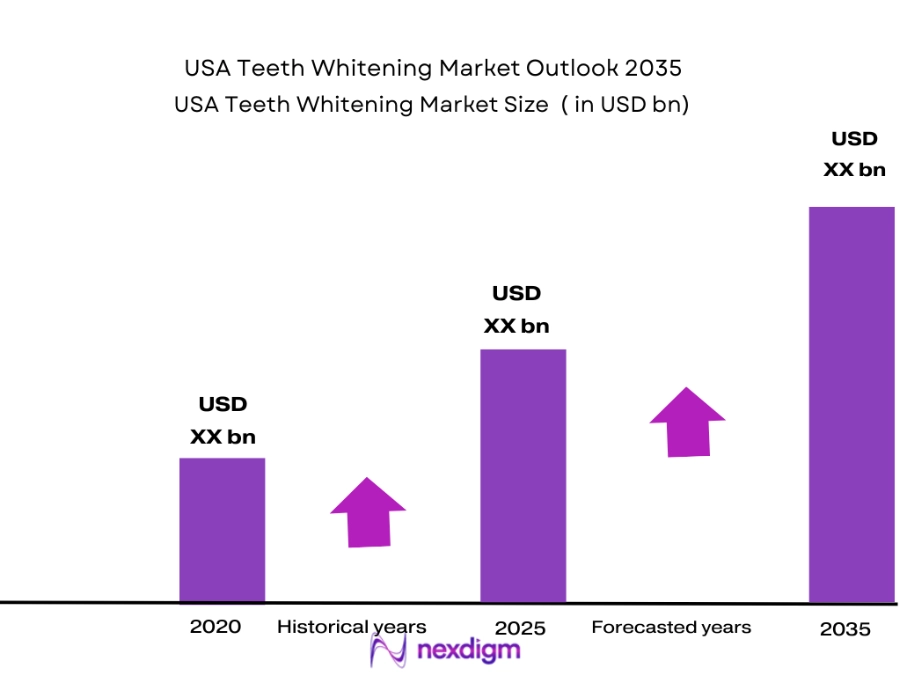
The USA Teeth Whitening market is valued at USD ~ billion, reflecting data from recent industry reports. The market growth is driven by rising awareness of oral hygiene, cosmetic dentistry adoption, and increasing disposable income among consumers. Dental clinics, cosmetic dental procedures, and at-home whitening kits are major contributors to revenue. The demand for innovative products such as peroxide-free and natural whitening agents has further supported market expansion, reflecting robust sales in 2023 and early 2024.
Major cities such as New York, Los Angeles, and Chicago dominate the USA Teeth Whitening market due to high population density, advanced healthcare infrastructure, and a strong presence of cosmetic dental clinics. These cities have a large consumer base with disposable income willing to invest in cosmetic dental care. Additionally, urban awareness campaigns and aesthetic-focused lifestyles have fueled higher adoption rates in these regions compared to rural areas. The concentration of professional dental services and beauty-conscious populations underpins their market dominance.
Market Segmentation
By Product Type
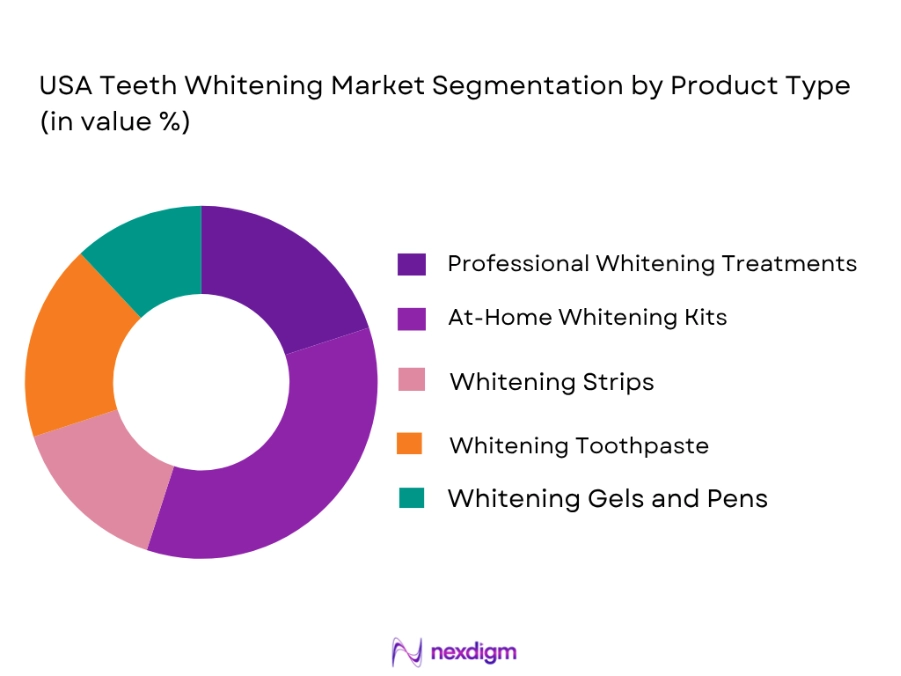
The USA Teeth Whitening market is segmented by product type into professional whitening treatments, at-home whitening kits, whitening strips, whitening toothpaste, and whitening gels and pens. Among these, at-home whitening kits are the dominant segment due to convenience, affordability, and the growing trend of DIY cosmetic care. Consumers prefer at-home products for their accessibility through pharmacies and online channels, and strong marketing campaigns by brands like Crest and Snow have further reinforced adoption. This segment benefits from repeat purchases and high customer retention driven by satisfaction and brand loyalty.
By Material Type
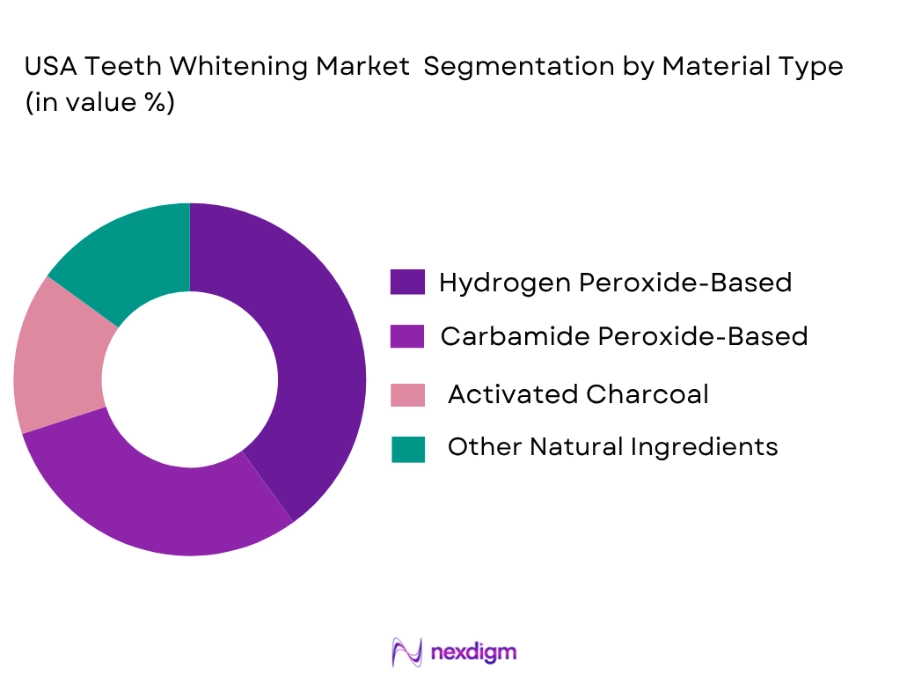
The USA Teeth Whitening market is segmented by material type into hydrogen peroxide-based, carbamide peroxide-based, activated charcoal, and other natural ingredients. Hydrogen peroxide-based products dominate the market due to their proven efficacy, widespread dentist recommendations, and availability across professional and at-home formats. These products are preferred by both clinics and consumers seeking fast and visible results. Brands heavily invest in research to optimize concentrations and delivery methods, further strengthening hydrogen peroxide’s market position while ensuring compliance with FDA guidelines.
Competitive Landscape
The USA Teeth Whitening market is dominated by a few major players, including Crest (Procter & Gamble), Colgate-Palmolive, and GlaxoSmithKline Consumer Healthcare. This concentration indicates the significant influence of these companies in product innovation, distribution, and brand recognition, shaping market dynamics. The presence of global brands with strong R&D and marketing capabilities ensures consistent consumer engagement and adoption.
| Company | Establishment Year | Headquarters | Revenue 2024 (USD mn) | Product Range | Distribution Channels | Market Presence | R&D Investments | Unique Selling Proposition |
| Crest (Procter & Gamble) | 1837 | Cincinnati, OH | ~ | ~ | ~ | ~ | ~ | ~ |
| Colgate-Palmolive | 1806 | New York, NY | ~ | ~ | ~ | ~ | ~ | ~ |
| GlaxoSmithKline | 2000 | Philadelphia, PA | ~ | ~ | ~ | ~ | ~ | ~ |
| Church & Dwight Co., Inc. | 1846 | Ewing, NJ | ~ | ~ | ~ | ~ | ~ | ~ |
| Philips Zoom | 1891 | Amsterdam, Netherlands | ~ | ~ | ~ | ~ | ~ | ~ |
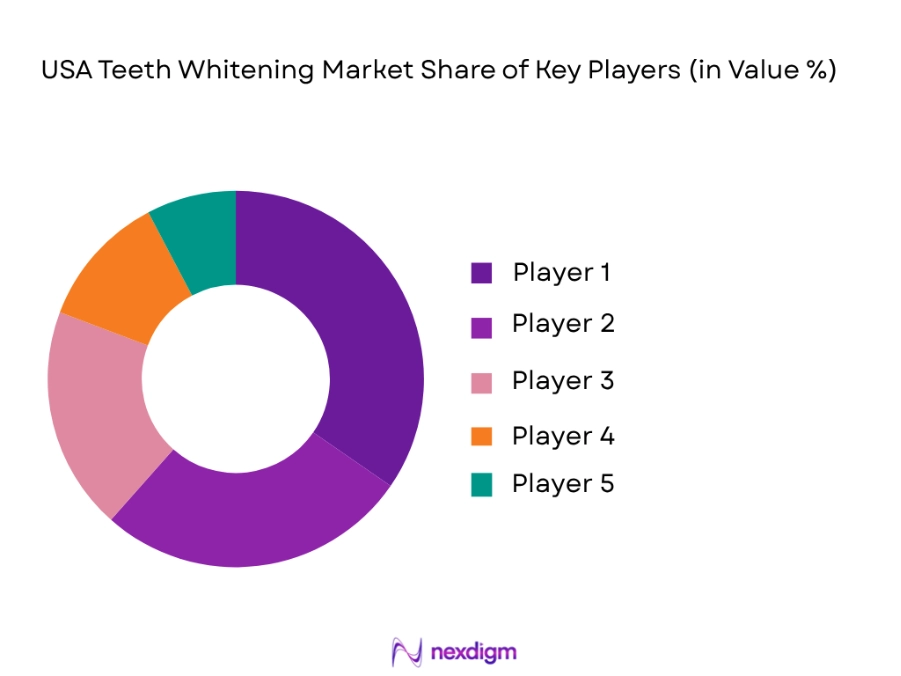
USA Teeth Whitening Market Analysis
Growth Drivers
Rising Awareness of Oral Hygiene and Aesthetics
In the U.S., consumers increasingly recognize the link between oral hygiene and overall health, leading to a higher emphasis on maintaining clean, bright teeth. Social media, celebrity influence, and digital marketing campaigns have reinforced the aesthetic value of a white smile, creating consistent demand for teeth whitening products. Patients are more proactive in seeking preventive dental care, resulting in both increased professional treatments and at-home whitening routines. This heightened awareness has expanded the target demographic, including young adults and professionals who view teeth whitening as part of personal grooming and self-confidence enhancement, thereby driving market growth steadily.
Expansion of Dental Clinics and Cosmetic Dentistry Services
The number of dental clinics and cosmetic dentistry centers in the U.S. has grown substantially, especially in urban areas. Many clinics now offer comprehensive cosmetic packages that include teeth whitening, veneers, and orthodontic treatments. The availability of professional whitening services provides a safer and more effective alternative to over-the-counter products, boosting consumer confidence. Moreover, dental chains are increasingly adopting advanced whitening technologies, such as laser and LED-assisted treatments, attracting patients seeking faster and longer-lasting results. This expansion not only increases market penetration but also encourages repeat visits, contributing to the overall growth of the teeth whitening sector.
Market Challenges
High Sensitivity and Side Effects of Whitening Products
A significant challenge for the U.S. teeth whitening market is the potential for tooth sensitivity and gum irritation associated with bleaching agents, especially hydrogen peroxide and carbamide peroxide. Consumers experiencing discomfort may discontinue use or shift to alternative oral care products. This has prompted regulatory scrutiny and necessitates the development of gentler formulations. Additionally, negative consumer experiences can impact brand reputation, making education on proper usage crucial. Dental professionals must balance efficacy with safety, and manufacturers face the ongoing task of mitigating adverse effects while delivering visible results.
Intense Competition and Price Pressure
The market faces intense competition from both professional dental services and over-the-counter whitening products. Numerous established brands and emerging startups compete on price, formulation, and marketing strategies, often leading to price erosion. Retail giants and e-commerce platforms amplify competition by offering frequent discounts, bundling options, and subscription services. Price-sensitive consumers may favor low-cost alternatives over premium treatments, creating pressure on margins. Companies must differentiate through innovation, efficacy, and brand trust while maintaining regulatory compliance to sustain profitability in an increasingly saturated market environment.
Opportunities
Development of Advanced and Natural Whitening Formulations
There is growing consumer demand for teeth whitening products with advanced formulations that offer efficacy without compromising dental health. Natural and organic ingredients, such as activated charcoal, turmeric, and coconut oil, are gaining traction among health-conscious users seeking chemical-free alternatives. Manufacturers can innovate by combining enamel-safe bleaching agents with remineralizing compounds to reduce sensitivity and improve long-term results. Additionally, research into nanotechnology, LED-activated gels, and enzyme-based whitening presents avenues for differentiation. Developing such formulations allows brands to target niche markets, enhance consumer trust, and expand professional and at-home product lines.
Expansion of Online Sales and Direct-to-Consumer Channels
The digital shift presents a significant opportunity for teeth whitening brands to reach consumers directly through e-commerce platforms, subscription models, and social media marketing. Online channels reduce reliance on traditional retail, allowing for personalized marketing, consumer reviews, and data-driven product recommendations. Direct-to-consumer strategies also enable faster product launches, limited edition lines, and targeted promotions, enhancing brand visibility and engagement. This trend is particularly important for at-home whitening products, where convenience, ease of use, and rapid delivery appeal to busy consumers. Expanding online presence can substantially increase market share and foster brand loyalty.
Future Outlook
Over the next five years, the USA Teeth Whitening market is expected to show steady growth driven by continued awareness of oral aesthetics, technological advancements in whitening products, and expanding e-commerce channels. Consumer preference for at-home solutions, coupled with professional treatments, will accelerate market adoption. Innovation in natural and peroxide-free formulations is anticipated to attract health-conscious consumers. Furthermore, urban centers and emerging suburban markets will continue to drive demand, creating opportunities for both established players and new entrants.
Major Players
- Crest (Procter & Gamble)
- Colgate-Palmolive Company
- GlaxoSmithKline Consumer Healthcare
- Church & Dwight Co., Inc.
- Philips Zoom
- BriteSmile
- Snow, Inc.
- AuraGlow
- Dr. Song Whitening
- Opalescence (Ultradent Products, Inc.)
- Crest Whitestrips
- Colgate Optic White
- Crest 3D White
- Philips Sonicare Whitening
- Snow Professional Kits
Key Target Audience
- Dental Clinics and Cosmetic Dentistry Centers
- Pharmacies and Retail Chains
- E-Commerce Platforms
- Cosmetic and Beauty Clinics
- Investments and Venture Capitalist Firms
- Government and Regulatory Bodies (FDA, FTC)
- Dental Distributors and Wholesalers
- Professional Dental Associations
Research Methodology
Step 1: Identification of Key Variables
The initial phase involves constructing an ecosystem map encompassing all major stakeholders within the USA Teeth Whitening Market. Desk research and proprietary databases are used to gather comprehensive industry-level information. The primary objective is to identify the critical variables influencing product adoption, distribution, and consumer preferences.
Step 2: Market Analysis and Construction
Historical sales data, revenue reports, and distribution ratios are analyzed to determine market size and trends. Product adoption across professional and at-home segments is evaluated. The analysis includes assessing brand influence, repeat purchase behavior, and demographic penetration to ensure accuracy.
Step 3: Hypothesis Validation and Expert Consultation
Market assumptions are validated through structured interviews with dentists, product manufacturers, and retail executives. This process provides insights on consumer behavior, emerging trends, and operational challenges, helping refine quantitative estimates and segmentation data.
Step 4: Research Synthesis and Final Output
The final stage combines primary insights with secondary data to prepare a consolidated market report. The integration ensures comprehensive coverage of all market parameters, including product type, material, distribution, and competitive positioning, enabling accurate forecasting and strategic insights.

- Executive Summary
- Research Methodology (Market Definitions and Assumptions, Abbreviations, Market Sizing Approach, Consolidated Research Approach, Understanding Market Potential Through In-Depth Industry Interviews, Primary Research Approach, Limitations and Future Conclusions)

- Definition and Scope
- Market Dynamics Overview
- Market Genesis
- Major Players and Market Timeline
- Business Cycle and Trends
- Supply Chain and Value Chain Analysis

- Growth Drivers
Rising Awareness of Oral Hygiene and Aesthetics
Expansion of Dental Clinics and Cosmetic Dentistry Services
Increasing Disposable Income and Spending on Personal Care
Rising Demand for At-Home Teeth Whitening Products - Market Challenges
High Sensitivity and Side Effects of Whitening Products
Intense Competition and Price Pressure
Strict Regulatory Compliance and Approval Processes
Fluctuations in Raw Material Supply - Opportunities
Development of Advanced and Natural Whitening Formulations
Expansion of Online Sales and Direct-to-Consumer Channels
Growing Demand for Professional Cosmetic Dental Treatments
Integration of Whitening Products in Dental Care Packages - Key Trends
Shift toward peroxide-free and natural whitening products
Rising popularity of at-home whitening kits
Increasing focus on cosmetic dental services
Expansion of e-commerce and online dental consultations - Government Regulations
- SWOT Analysis
- Porter’s Five Forces

- By Value, 2020–2025
- By Volume, 2020–2025
- By Average Price, 2020–2025

- By Product Type (In Value %)
Professional Whitening Treatments
At-Home Whitening Kits
Whitening Strips
Whitening Toothpaste
Whitening Gels and Pens - By Material Type (In Value %)
Hydrogen Peroxide-Based
Carbamide Peroxide-Based
Activated Charcoal
Other Natural Ingredients - By Application (In Value %)
Dental Clinics and Hospitals
Home Use
Cosmetic and Beauty Clinics
Retail and Online - By Distribution Channel (In Value %)
Direct Sales
Dentist Clinics
Retail Pharmacies
Online Channels - By Region (In Value %)
California
New York
Texas
Florida
Rest of USA

- Market Share of Major Players by Value/Volume
- Market Share of Major Players by Product Type
- Cross Comparison Parameters (Company Overview, Business Strategies, Recent Developments, Strength, Weakness, Organizational Structure, Revenues, Revenues by Product Type, Number of Touchpoints, Distribution Channels, Number of Dealers and Distributors, Margins, Production Plant, Capacity, Unique Value Offering and Others)
- SWOT Analysis of Major Players
- Pricing Analysis Based on Product Categories for Major Players
- Detailed Profiles of Major Companies
Crest (Procter & Gamble)
Colgate-Palmolive Company
GlaxoSmithKline Consumer Healthcare
Church & Dwight Co., Inc.
Opalescence (Ultradent Products, Inc.)
Philips Zoom
BriteSmile
Snow, Inc.
AuraGlow
Dr. Song Whitening

- Market Demand and Utilization
- Purchasing Power and Budget Allocations
- Regulatory and Compliance Requirements
- Needs, Desires, and Pain Point Analysis
- Decision-Making Process

- By Value, 2026–2035
- By Volume, 2026–2035
- By Average Price, 2026–2035


 Request a Sample
 Ask for Customization
 Get a Quote
 Enquire Now