

 Download PDF
Market Overview
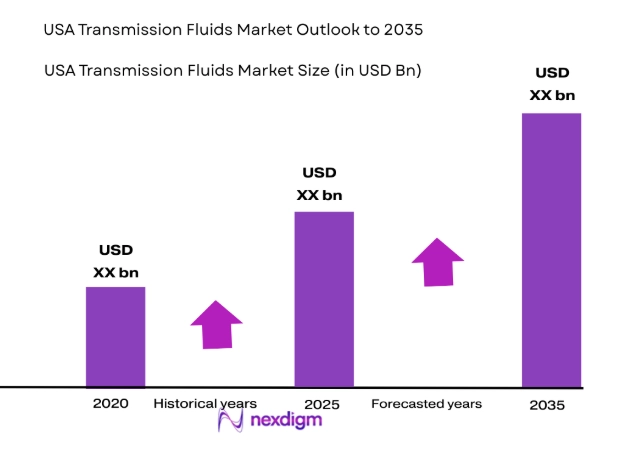
The USA transmission fluids market is expected to grow significantly, with a market size of over USD ~ billion. Growth is driven by increasing vehicle production, advancements in automotive technologies, and the rising demand for high-performance fluids. The shift towards advanced automatic and electric transmission systems further fuels the need for specialized fluids, ensuring smoother and more efficient vehicle operations. Key drivers include the evolving demand for improved vehicle performance and the ongoing advancements in fluid formulation technology, such as the adoption of synthetic fluids.
The dominance of the USA transmission fluids market can be attributed to its well-established automotive industry, which includes key production hubs in cities like Detroit and manufacturing regions in Texas and California. These areas are home to leading automotive manufacturers, major fluid suppliers, and significant infrastructure, making them crucial players in the market. The USA’s technological advancements in vehicle manufacturing and fluid formulation further consolidate its dominance in the global market.
Market Segmentation
By Product Type
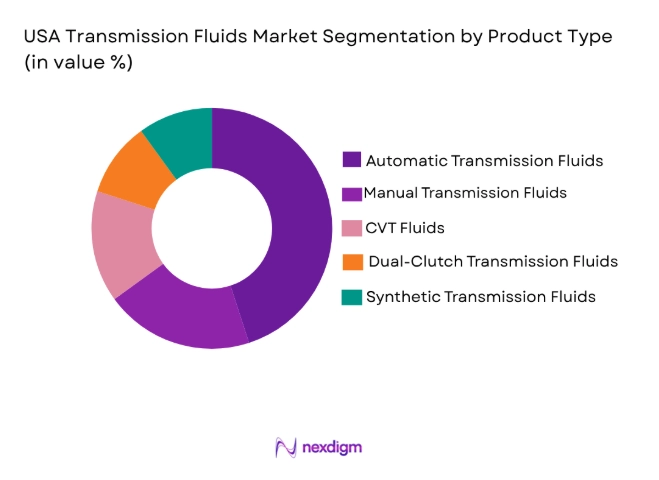
The USA transmission fluids market is segmented by product type into automatic transmission fluids (ATF), manual transmission fluids, continuous variable transmission (CVT) fluids, dual-clutch transmission fluids, and synthetic transmission fluids. The automatic transmission fluid (ATF) sub-segment dominates the market due to its widespread use in passenger and commercial vehicles. This dominance is attributed to factors such as increased vehicle production, the growing popularity of automatic vehicles, and the demand for better driving performance and fuel efficiency. ATF’s compatibility with modern vehicle designs and its ability to improve transmission performance further solidify its position as the market leader.
By Platform Type
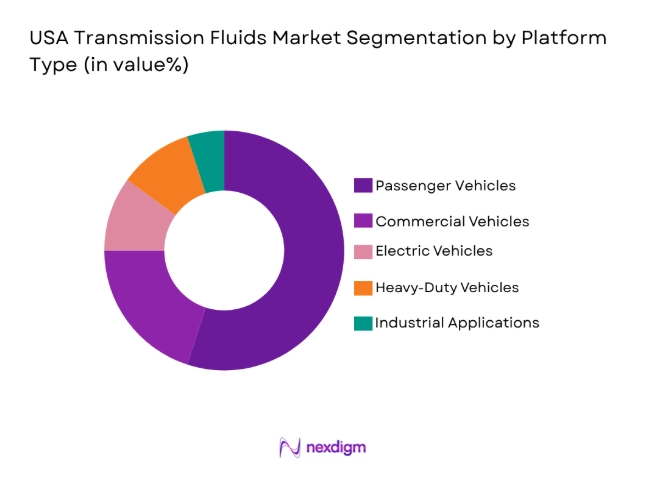
The market is segmented by platform type into passenger vehicles, commercial vehicles, electric vehicles, heavy-duty vehicles, and industrial applications. The passenger vehicle sub-segment holds a dominant market share, driven by the increasing demand for personal mobility and the rise in the production of automatic transmission-equipped cars. The shift towards automatic transmissions in consumer vehicles, driven by ease of use and comfort, has made this sub-segment the most significant in the USA. Additionally, advancements in vehicle technology, including hybrid systems and fuel-efficient transmissions, bolster the demand for transmission fluids.
Competitive Landscape
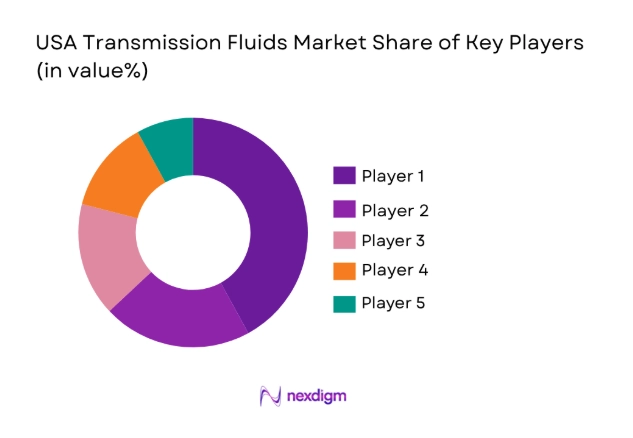
The competitive landscape of the USA transmission fluids market is marked by a few dominant players controlling most of the market share. Major players are continuously innovating their product lines to meet the evolving demands of the automotive sector, with a focus on high-performance and eco-friendly fluids. Strategic partnerships, mergers, and acquisitions are common as companies aim to expand their product offerings and reach.
| Company Name | Establishment Year | Headquarters | Technology Focus | Market Reach | Key Products | Revenue (USD Billion) | R&D Investment (USD Million) |
| ExxonMobil | 1870 | Irving, Texas | ~ | ~ | ~ | ~ | ~ |
| Chevron | 1879 | San Ramon, California | ~ | ~ | ~ | ~ | ~ |
| Royal Dutch Shell | 1907 | The Hague, Netherlands | ~ | ~ | ~ | ~ | ~ |
| Valvoline | 1866 | Lexington, Kentucky | ~ | ~ | ~ | ~ | ~ |
| Castrol | 1899 | Pangbourne, UK | ~ | ~ | ~ | ~ | ~ |
USA Transmission Fluids Market Analysis
Growth Drivers
Increasing Vehicle Production
The USA transmission fluids market is significantly driven by the rise in vehicle production, especially for automatic and semi-automatic transmission-equipped vehicles. Consumer preferences are shifting towards automatic transmissions due to their ease of use, comfort, and improved fuel efficiency. Automakers’ continued emphasis on enhancing vehicle performance, durability, and fuel economy is also fostering market growth. This increasing production of vehicles, especially in the passenger vehicle segment, is driving the demand for high-performance transmission fluids to support these advanced transmission systems. Additionally, stricter fuel efficiency regulations are encouraging advancements in transmission fluid formulations, making them more energy-efficient and sustainable, further fueling market expansion. The development of more efficient transmission technologies in response to regulatory standards and consumer demand is expected to continue pushing the growth of the transmission fluids market at a steady pace.
Technological Advancements in Fluid Formulation
Another crucial driver for the USA transmission fluids market is the continuous innovation in fluid formulation technologies. As the automotive industry seeks to develop more efficient and durable transmission systems, there is an increasing demand for high-performance transmission fluids that can enhance transmission efficiency, reduce fuel consumption, and extend the lifespan of components. With the rise of synthetic oils, which offer better resistance to temperature extremes, oxidation, and wear, the demand for such advanced fluids is gaining momentum. These innovations allow for more efficient power transfer in vehicles, improving overall vehicle performance and longevity. Furthermore, as the adoption of hybrid and electric vehicles (EVs) continues to grow, new formulations specifically designed to meet the unique demands of these vehicles are also gaining prominence. The growth in hybrid and electric vehicle production is thus presenting a significant opportunity for fluid manufacturers to develop specialized fluids, expanding the market for transmission fluids and advancing overall industry growth.
Market Challenges
High Price of Synthetic Fluids
One of the main challenges faced by the USA transmission fluids market is the high cost of synthetic transmission fluids. While synthetic oils offer a range of benefits, such as improved performance, higher efficiency, and longer lifespan, they are often priced significantly higher than conventional transmission fluids. This price disparity creates a barrier for consumers, especially those in cost-sensitive segments, such as small commercial fleets and individual vehicle owners. While the performance and durability advantages of synthetic fluids justify their higher price, this cost factor may limit widespread adoption, particularly for budget-conscious consumers or businesses operating with tight margins. The high cost of these advanced fluids can restrict their usage to higher-end vehicles or specialized applications, which may slow down the overall market growth for transmission fluids, especially in sectors where cost efficiency is prioritized.
Fluctuating Raw Material Prices
Another significant challenge faced by manufacturers in the USA transmission fluids market is the volatility in the prices of raw materials used in fluid production, particularly base oils and additives. The prices of these key ingredients are subject to fluctuations in the global oil markets and supply chain disruptions, which can affect the overall production cost of transmission fluids. This unpredictability in raw material prices makes it challenging for fluid manufacturers to maintain stable pricing for their products, which in turn can lead to pricing instability in the market. Moreover, the fluctuating cost of raw materials can squeeze manufacturers’ margins, potentially leading to higher costs for end consumers. Companies must navigate these challenges by improving their supply chain management and developing long-term strategies to mitigate the impact of volatile raw material prices on their profitability.
Opportunities
Shift Towards Electric and Hybrid Vehicles
One of the most promising opportunities for the USA transmission fluids market lies in the increasing adoption of electric and hybrid vehicles. Although electric vehicles (EVs) traditionally do not require transmission fluids in the same way as internal combustion engine (ICE) vehicles, hybrid vehicles, which combine both electric and conventional powertrains, still rely on transmission fluids. As the popularity of electric and hybrid vehicles continues to rise due to environmental concerns and growing consumer demand for energy-efficient alternatives, the demand for specialized transmission fluids is expected to grow. Manufacturers will need to innovate to develop fluids that meet the specific requirements of these new technologies, including fluid formulations for electric drive systems and hybrid vehicles. This shift provides fluid manufacturers with the opportunity to diversify their product offerings and tap into new markets, driving long-term growth in the transmission fluids market.
Emerging Demand for Eco-friendly Fluids
Another significant opportunity for growth in the USA transmission fluids market is the increasing demand for eco-friendly, sustainable transmission fluids. With environmental concerns on the rise and governments imposing stricter regulations on emissions and vehicle sustainability, there is a growing push for the development of biodegradable, non-toxic, and low-emission transmission fluids. Consumers and automotive manufacturers alike are seeking fluids that reduce environmental impact without compromising performance. Eco-friendly transmission fluids offer improved energy efficiency, reduce fluid consumption, and have a longer lifespan, making them a more sustainable option. As manufacturers continue to innovate in response to sustainability demands, the market for eco-friendly transmission fluids is expected to grow. This trend presents a significant opportunity for fluid suppliers to expand their product lines and cater to the increasing demand for environmentally responsible solutions in the automotive industry.
Future Outlook
The USA transmission fluids market is expected to continue its steady growth over the next five years, driven by advancements in automotive technologies, including the rise of electric and hybrid vehicles. With increasing regulatory support for fuel efficiency and lower emissions, there will be a greater focus on high-performance and eco-friendly transmission fluids. Technological developments, such as the creation of advanced synthetic fluids, will contribute to the market’s expansion. Additionally, as vehicle production increases and consumer preferences shift towards automated systems, the demand for transmission fluids is poised for further growth.
Major Players
- ExxonMobil
- Chevron
- Royal Dutch Shell
- Valvoline
- Castrol
- Fuchs Petrolub
- Lubrizol
- BP
- Idemitsu Kosan
- American Refining Group
- Liqui Moly
- Warren Oil
- Schaeffer Manufacturing
- Prestone Products
- Red Line Synthetic Oil
Key Target Audience
- Investments and venture capitalist firms
- Government and regulatory bodies
- Automotive OEMs
- Aftermarket service providers
- Fleet operators
- Fluid suppliers
- Automotive component manufacturers
Research Methodology
Step 1: Identification of Key Variables
Key variables such as vehicle production rates, fluid formulations, and regulatory frameworks are identified through industry research and expert consultation.
Step 2: Market Analysis and Construction
In-depth market analysis is performed, focusing on historical data, current trends, and growth projections to construct a comprehensive market model.
Step 3: Hypothesis Validation and Expert Consultation
The hypotheses derived from initial data are validated through consultations with industry experts and key stakeholders, including manufacturers and suppliers.
Step 4: Research Synthesis and Final Output
The findings are synthesized into a final report, with recommendations for businesses and insights into future market trends.

- Executive Summary
- Research Methodology (Definitions, Scope, Industry Assumptions, Market Sizing Approach, Primary & Secondary Research Framework, Data Collection & Verification Protocol, Analytic Models & Forecast Methodology, Limitations & Research Validity Checks)

- Market Definition and Scope
- Value Chain & Stakeholder Ecosystem
- Regulatory / Certification Landscape
- Sector Dynamics Affecting Demand
- Strategic Initiatives & Infrastructure Growth

- Growth Drivers
Increasing Vehicle Production and Sales
Rising Demand for Advanced Transmission Systems
Technological Advancements in Fluid Formulations - Market Challenges
High Price of Synthetic Fluids
Environmental Concerns Over Fluid Disposal
Fluctuating Raw Material Prices - Market Opportunities
Shift Towards Electric and Hybrid Vehicles
Growing Demand for Eco-friendly Fluids
Emerging Markets in Asia-Pacific - Trends
Increase in Adoption of High-performance Fluids
Rise in Consumer Preference for Synthetic Fluids - Government Regulations
- SWOT Analysis
- Porter’s Five Forces

- By Market Value, 2020-2025
- By Installed Units, 2020-2025
- By Average System Price, 2020-2025
- By System Complexity Tier, 2020-2025

- By System Type (In Value%)
Automatic Transmission Fluids
Manual Transmission Fluids
CVT Fluids
Dual Clutch Transmission Fluids
Synthetic Transmission Fluids - By Platform Type (In Value%)
Passenger Vehicles
Commercial Vehicles
Electric Vehicles
Heavy-Duty Vehicles
Industrial Applications - By Fitment Type (In Value%)
OEM Fitment
Aftermarket Fitment
Hybrid Fitment
Replacement Fitment - By End User Segment (In Value%)
Automotive OEMs
Aftermarket Service Providers
Fleet Operators

- Market Share Analysis
- Cross Comparison Parameters (System Type, Platform Type, Fitment Type, End User Segment, Fluid Performance, Regional Adoption, Technological Innovation)
- SWOT Analysis of Key Competitors
- Pricing & Procurement Analysis
- Key Players
ExxonMobil
Chevron
Royal Dutch Shell
TotalEnergies
Castrol
Valvoline
Fuchs Petrolub
Lubrizol
BP
Idemitsu Kosan
American Refining Group
Liqui Moly
Warren Oil
Schaeffer Manufacturing
Prestone Products

- OEMs’ Growing Focus on Transmission Fluid Quality
- Aftermarket Service Providers Expanding Product Offerings
- Fleet Operators Seeking Cost-effective Fluid Solutions
- Increased Adoption of Transmission Fluids in Electric Vehicles

- Forecast Market Value, 2026-2035
- Forecast Installed Units, 2026-2035
- Price Forecast by System Tier, 2026-2035
- Future Demand by Platform, 2026-2035


 Request a Sample
 Ask for Customization
 Get a Quote
 Enquire Now