
 Download PDF
Market Overview
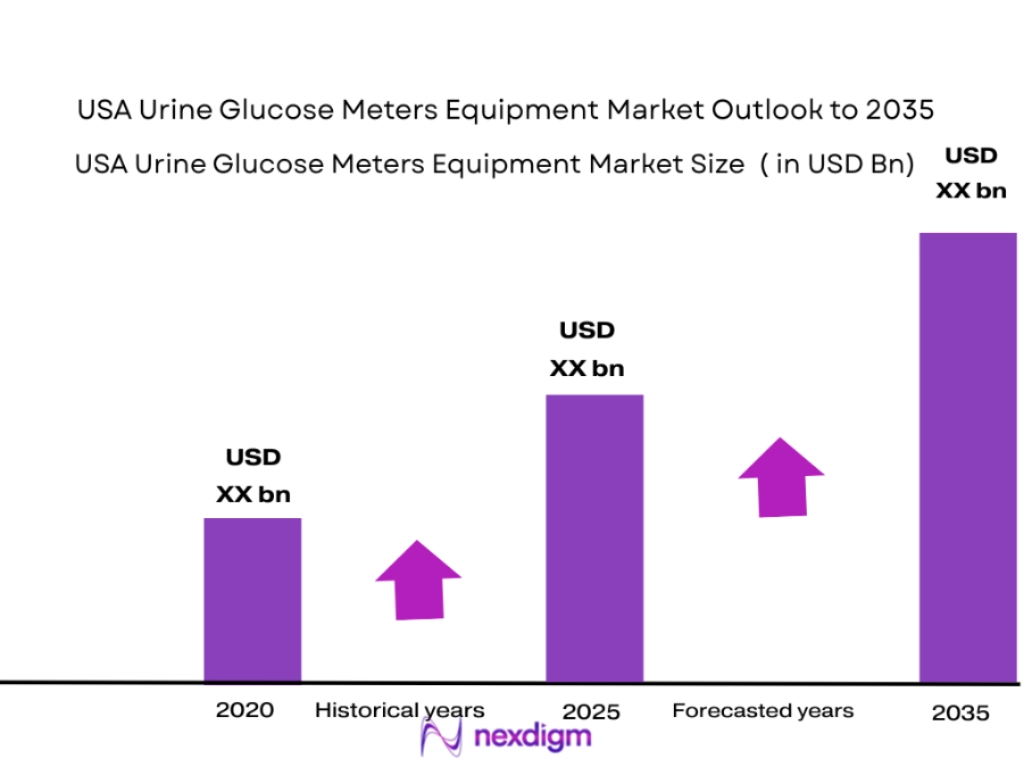
The USA urine glucose meters equipment market has seen substantial growth driven by the increasing prevalence of diabetes and the rising need for efficient glucose monitoring solutions. Based on a recent historical assessment, the market size reached USD ~ billion in 2024, propelled by the demand for non-invasive, portable, and advanced glucose meters that offer accuracy and convenience. The development of smart meters and advancements in sensor technology are also key factors driving the market, with consumer preference shifting towards more personalized and reliable monitoring options. The growing awareness of diabetes management, along with the expanding homecare market, continues to accelerate the adoption of these devices in both medical institutions and home settings.
The USA is the dominant region in the urine glucose meters market, owing to factors such as the high number of diabetes cases, the presence of leading medical device manufacturers, and the advanced healthcare infrastructure. States like California, Texas, and New York lead in adoption due to higher healthcare awareness and significant investments in healthcare technology. Furthermore, the USA’s regulatory environment supports the growth of such advanced medical devices, as the FDA approvals and certifications ensure safety and quality. The increasing demand for smart healthcare devices and home-based healthcare is another contributing factor, making the USA a dominant market player.
Market Segmentation
By Product Type
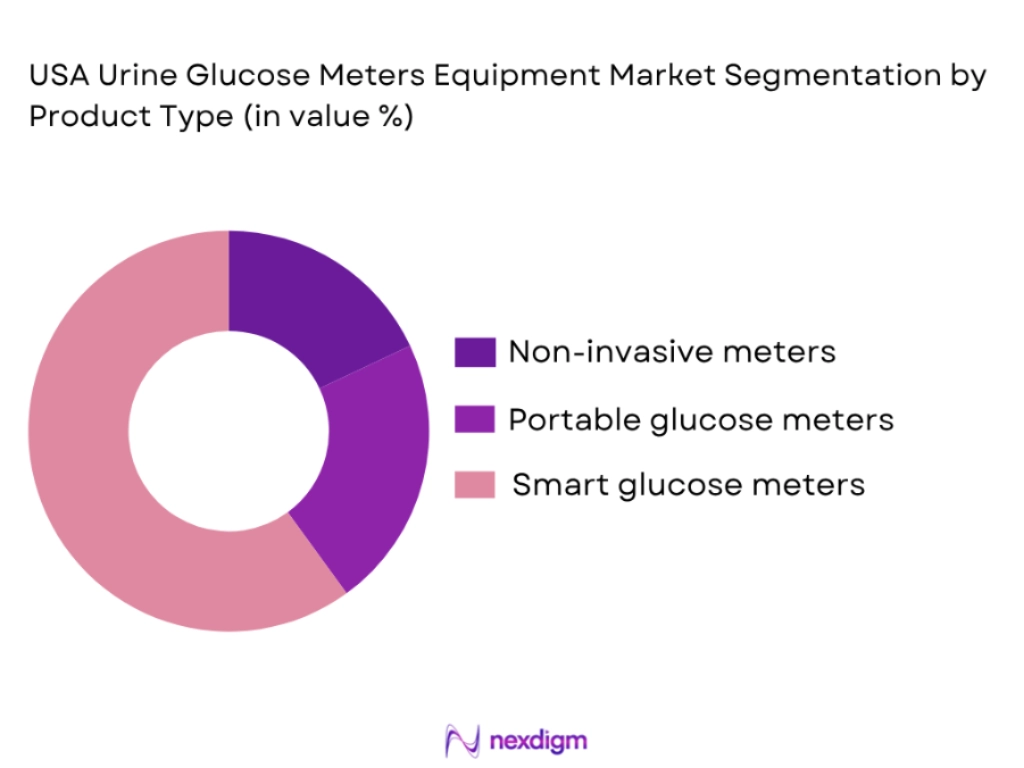
The urine glucose meters market is segmented by product type into non-invasive meters, portable glucose meters, and smart glucose meters. Recently, smart glucose meters have dominated the market share due to factors such as advancements in connectivity, the convenience of real-time data sharing, and integration with mobile platforms. These devices provide users with more accurate readings and the ability to monitor their glucose levels in real time, making them highly desirable in both home and clinical environments. As healthcare continues to embrace digital health solutions, the shift towards smart devices is expected to continue, with growing consumer preference for integrated, user-friendly systems that offer enhanced functionality.
By End-User Segment
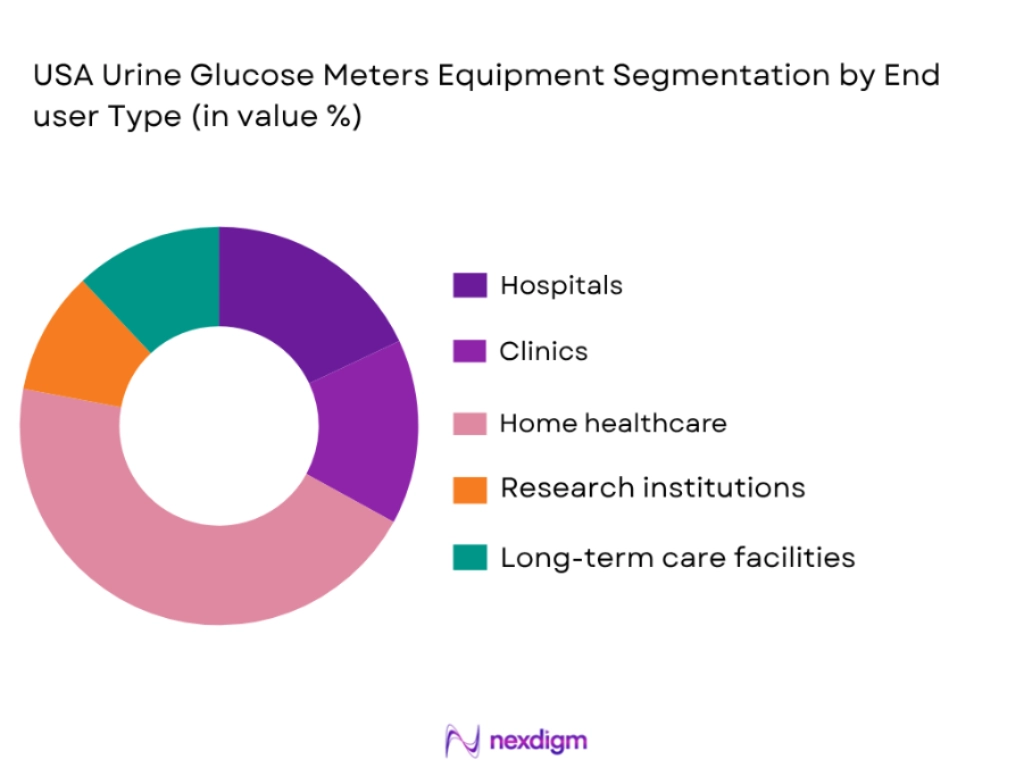
The urine glucose meters market is segmented by end-user segment into hospitals, clinics, home healthcare, research institutions, and long-term care facilities. Recently, the home healthcare segment has gained a dominant market share due to the increasing preference for self-management of diabetes. The rising number of people opting for home monitoring solutions, along with the convenience of remote health tracking, has fueled the growth in this segment. Additionally, advancements in mobile health applications and telemedicine have further strengthened the demand for homecare-based glucose monitoring devices. The affordability and ease of use have also contributed to the segment’s market dominance, making it a primary choice for individuals with diabetes.
Competitive Landscape
The competitive landscape of the USA urine glucose meters market is characterized by the presence of several prominent players focusing on innovation, product development, and strategic partnerships to consolidate their positions. Market leaders are investing in R&D to develop advanced technologies that improve accuracy and ease of use, thus enhancing customer experience and capturing market share. Collaboration between healthcare providers, tech companies, and medical device manufacturers has led to the integration of smart functionalities, expanding market reach and improving product offerings. The market is also witnessing mergers and acquisitions, with larger companies acquiring smaller firms to expand their portfolio and accelerate growth in the competitive market.
| Company Name | Establishment Year | Headquarters | Technology Focus | Market Reach | Key Products | Revenue (USD) | Key Regulatory Approvals |
| Abbott Laboratories | 1888 | Illinois, USA | ~ | ~ | ~ | ~ | ~ |
| Medtronic | 1949 | Minnesota, USA | ~ | ~ | ~ | ~ | ~ |
| Roche Diagnostics | 1896 | Basel, Switzerland | ~ | ~ | ~ | ~ | ~ |
| Siemens Healthineers | 1847 | Erlangen, Germany | ~ | ~ | ~ | ~ | ~ |
| Dexcom | 1999 | California, USA | ~ | ~ | ~ | ~ | ~ |
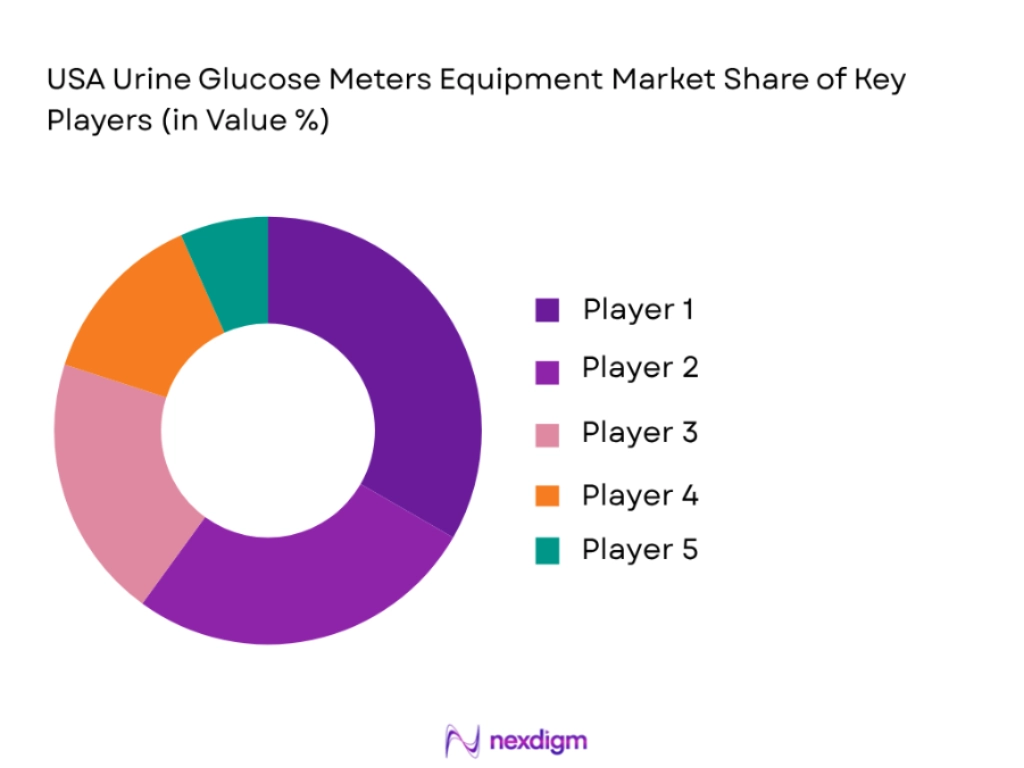
USA Urine Glucose Meters Equipment Market Analysis
Growth Drivers
Increasing Prevalence of Diabetes
The increasing prevalence of diabetes in the United States is a primary driver for the urine glucose meters market. As of 2022, the Centers for Disease Control and Prevention (CDC) reported that nearly 37.3 million Americans, or about 11.3% of the population, suffer from diabetes. This growing number of individuals living with diabetes creates an increasing demand for glucose monitoring devices, including urine glucose meters, for both diabetes management and early detection of potential complications. Diabetes-related healthcare spending is projected to reach $375 billion by 2025, underscoring the importance of glucose monitoring tools.
Technological Advancements in Glucose Monitoring
Advancements in glucose monitoring technology are revolutionizing the urine glucose meter market. The development of non-invasive and more accurate measurement technologies, including electrochemical sensors and digital integration, is enhancing user experience. For instance, the integration of mobile applications with urine glucose meters allows real-time data tracking, which can be analyzed for better management of diabetes. In 2022, over 50% of glucose meters sold in the U.S. included Bluetooth connectivity, showcasing the strong technological shift in the market towards smarter, more efficient devices.
Challenges
High Cost of Advanced Systems
Despite the growing demand for glucose monitoring tools, the high cost of advanced systems remains a significant challenge. The prices for advanced urine glucose meters, especially those integrated with digital technologies like Bluetooth and real-time data analysis, can range between $100 to $500 per unit. For many patients, especially those in lower-income groups, this can be a barrier to accessing these devices. Additionally, the cost of replacement test strips and maintenance further increases the overall cost of using these devices, making them unaffordable for a portion of the population.
Regulatory Hurdles and Compliance Issues
The regulatory approval process for glucose monitoring devices can be complex and time-consuming. The U.S. Food and Drug Administration (FDA) requires stringent testing and clinical trials for the approval of new glucose meters, including urine-based meters. The regulatory hurdles often delay the launch of new technologies and increase costs for manufacturers. Additionally, the need to comply with medical device standards and certifications adds layers of complexity to the production and distribution process, which can stifle innovation and slow market growth.
Opportunities
Expansion of Telemedicine and Home Healthcare Markets
The expansion of telemedicine and home healthcare markets presents a significant opportunity for the urine glucose meters market. As of 2022, the U.S. telemedicine market was valued at $30 billion, with projections to continue growing rapidly. This market expansion, particularly due to the COVID-19 pandemic, has driven the adoption of remote monitoring devices, including urine glucose meters that can be used at home. With an increased focus on reducing hospital visits, patients are turning to remote management solutions, creating a growing demand for home-based diagnostic tools like urine glucose meters.
Collaborations and Partnerships with Medical Institutions
Collaborations and partnerships between medical institutions and urine glucose meter manufacturers present a substantial growth opportunity. In recent years, many leading healthcare providers, including the Mayo Clinic and Cleveland Clinic, have begun to incorporate advanced glucose monitoring tools into their treatment regimens. These partnerships help improve the accessibility of these devices to a broader patient base and provide manufacturers with valuable clinical data to enhance their products. As healthcare institutions increasingly focus on personalized and remote care, partnering with such institutions allows glucose meter manufacturers to expand their market reach and improve product adoption.
Future Outlook
The future of the USA urine glucose meters market looks promising, with growth expected over the next five years. Advancements in glucose monitoring technology, such as continuous glucose monitoring systems and non-invasive meters, will continue to drive market demand. Technological developments are anticipated to improve the accuracy and affordability of glucose meters, increasing their accessibility to a wider range of consumers. Additionally, increasing regulatory support and the growing awareness of diabetes management will help propel market growth. The home healthcare sector, in particular, will benefit from rising demand as consumers seek convenient, user-friendly solutions for glucose monitoring. The convergence of digital health, remote monitoring, and personalized care is expected to further enhance the market’s potential.
Major Players
- Abbott Laboratories
- Medtronic
- RocheDiagnostics
- Siemens Healthineers
- Dexcom
- Terumo Corporation
- Johnson & Johnson
- Ascensia Diabetes Care
- OneTouch
- A. Menarini Diagnostics
- Nova Biomedical
- F. Hoffmann-La Roche
- Omron Healthcare
- GE Healthcare
- Lifescan
Key Target Audience
- Investments and venture capitalist firms
- Government and regulatory bodies
- Healthcare providers
- Medical device distributors
- Insurance companies
- Pharmacies
- Hospitals and clinics
- Diabetes research institutions
Research Methodology
Step 1: Identification of Key Variables
This step involves identifying the core variables that drive the market, including technological advancements, consumer preferences, and demographic factors. We focus on understanding the key parameters that will influence the market’s trajectory.
Step 2: Market Analysis and Construction
We conduct a comprehensive analysis of the current market, including assessing key players, market trends, and historical growth patterns. This helps in constructing a solid foundation for future projections.
Step 3: Hypothesis Validation and Expert Consultation
We validate our hypotheses and projections by consulting with industry experts, healthcare professionals, and key stakeholders. Their insights help ensure that our analysis is grounded in real-world knowledge.
Step 4: Research Synthesis and Final Output
We synthesize all collected data, analyses, and expert feedback into a comprehensive report. The final output includes actionable insights and strategic recommendations for market participants.

- Executive Summary
- Research Methodology (Market Sizing Approach, Primary & Secondary Research Framework, Data Collection & Verification Protocol, Analytic Models & Forecast Methodology, Limitations & Research Validity Checks, Data Collection Framework, Consolidated Research Approach, Primary Research & Validation, Forecasting Methodology, Analytics Calibration, Limitations)

- Market Genesis and Landscape Evolution
- Use‑Case Paradigms
- Technology Landscape Shifts
- User Adoption Behaviour and Clinical Significance
- Regulatory Framework

- Growth Drivers
Increasing prevalence of diabetes
Technological advancements in glucose monitoring
Rising demand for home-based healthcare - Market Challenges
High cost of advanced systems
Regulatory hurdles and compliance issues
Lack of awareness in emerging markets - Market Opportunities
Expansion of telemedicine and home healthcare markets
Collaborations and partnerships with medical institutions
Emerging demand in developing economies - Trends
Integration of AI and IoT in glucose monitoring
Rising demand for non-invasive monitoring solutions
Shift towards personalized and precision medicine
- Government Regulations
- SWOT Analysis of Key Competitors
- Porter’s Five Forces

- By Value, 2020-2025
- By Volume, 2020-2025
- By Average Selling Price Trend, 2020-2025
- Installed Base and Replacement Cycle Metrics, 2020-2025

- By Product Type (In Value%)
Portable Glucose Meters
Smart Glucose Meters
Non-invasive Meters - By EndUser Segment (In Value%)
Hospitals & Clinics
Home Healthcare
Laboratories
Research Institutions
Long-term Care Facilities - By Fitment Type (In Value%)
Standalone Devices
Integrated Devices
Modular Systems
Disposable Units
Reusable Systems - By End User Segment (In Value%)
Hospitals
Clinics
Home Healthcare
Research Institutions
Long-term Care Facilities - By Procurement Channel (In Value%)
Direct Procurement
Third-party Distributors
E-commerce Platforms
Government Contracts
Retail & Pharmacy

- Market Share Analysis
- Cross Comparison Parameters (Device Accuracy, System Cost, Device Portability, Integration with Mobile Platforms, User-Friendliness, Product Portfolios, Sensor Technology Used, Distribution Network Coverage, Installed Base Footprint, Regulatory Clearances, R&D Investment, Connectivity/AI Feature Integration)
- SWOT Analysis of Key Competitors
- Pricing & Procurement Analysis
- Porter’s Five Forces
- Key Players
Abbott Laboratories
Medtronic
Roche Diagnostics
Siemens Healthineers
Bayer Healthcare
Dexcom
Terumo Corporation
Johnson & Johnson
Ascensia Diabetes Care
OneTouch
A. Menarini Diagnostics
Nova Biomedical
F. Hoffmann-La Roche
Omron Healthcare
GE Healthcare

- Hospitals adoption of advanced glucose meters
- Home healthcare market growth and potential
- Laboratory applications of urine glucose meters
- Long-term care facilities’ evolving requirements

- By Value, 2026-2035
- By Volume, 2026-2035
- By Average Selling Price Trend, 2026-2035
- Installed Base and Replacement Cycle Metrics, 2026-2035


 Request a Sample
 Ask for Customization
 Get a Quote
 Enquire Now