

 Download PDF
 Download PDF
Market Overview
The USA Virtual Consultations Market is valued at USD ~ billion, driven by the widespread adoption of digital services, the shift towards remote work, and advancements in communication technology. Key growth drivers include the increasing demand for telehealth services, remote legal consultations, and online education, all amplified by the COVID-19 pandemic. Moreover, cloud-based platforms and the integration of AI technologies for more efficient consultations are accelerating the market’s growth. The market is also supported by the rise of digital transformation across industries such as healthcare, legal services, and corporate consultations.
The USA leads the Virtual Consultations Market, particularly in cities like New York, California, and Texas, due to their robust tech infrastructure and large population that demands such services. These cities have a high concentration of healthcare providers, legal firms, and educational institutions that are increasingly offering virtual consultation services. Cities like San Francisco and Seattle are also prominent due to their significant tech presence, housing companies that specialize in AI and cloud computing, which power virtual consultation platforms. The regulatory environment in the U.S. also supports the growth of virtual consultations, particularly in healthcare.
Market Segmentation
By Consultation Type
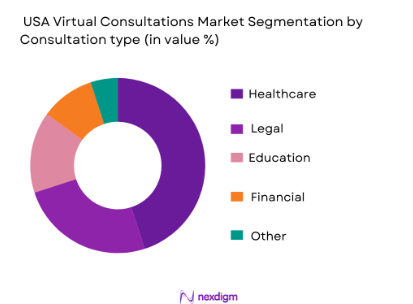
The market is segmented by the type of consultation offered, which includes healthcare, legal, educational, financial, and other services. Healthcare consultations have dominated the market due to increased telemedicine adoption. Telehealth has proven to be a convenient and cost-effective solution for patients, especially in the wake of the COVID-19 pandemic, which increased acceptance of remote healthcare services. Legal consultations have also seen significant growth, particularly in areas like personal injury and estate planning, as clients prefer the convenience of virtual legal services.
By Deployment Model
The market is also segmented based on deployment models. Cloud-based virtual consultation platforms dominate the market due to their scalability, flexibility, and ability to support remote services across multiple devices and locations. The healthcare industry, in particular, relies heavily on cloud platforms to manage patient data and provide telehealth services efficiently. Hybrid solutions are becoming increasingly popular as they allow companies to integrate on-premises systems with cloud capabilities for enhanced security and control, especially in sectors like legal services and finance where privacy and data security are crucial.

Competitive Landscape
The competitive landscape of the USA Virtual Consultations Market is marked by rapid technological innovation and growing adoption of digital health solutions. Key players are focused on providing secure, user-friendly platforms for telemedicine, mental health consultations, and professional services across various sectors. Major companies are investing in AI, enhanced user interfaces, and integrated healthcare tools to differentiate themselves. Additionally, partnerships between tech firms and healthcare providers are strengthening, enhancing service offerings and accessibility. Competition intensifies as regulatory frameworks evolve, and the demand for personalized, remote consultation services increases in both medical and non-medical industries.
| Company Name | Establishment Year | Headquarters | Revenue | Key Products | Technological Focus |
| Microsoft | 1975 | Redmond, WA | – | – | – |
| Teladoc | 2002 | Purchase, NY | – | – | – |
| Amwell | 2006 | Boston, MA | – | – | – |
| Zocdoc | 2007 | New York, NY | – | – | – |
| RingCentral | 1999 | Belmont, CA | – | – | – |

USA Virtual Consultations Market Analysis
Growth Drivers
Post-Pandemic Adoption
The COVID-19 pandemic significantly accelerated the adoption of virtual consultations across multiple sectors, especially healthcare, legal services, and education. The U.S. Census Bureau reports that the use of telemedicine in the healthcare sector surged by over 154% during the pandemic, as remote consultations became a necessary alternative. Additionally, the rise in telecommuting and remote learning fueled the adoption of virtual consultations in education and corporate sectors, leading to sustained growth. This shift is now considered permanent, as both consumers and businesses have seen the advantages of remote services.
Technological Advancements
Technological innovations are central to the growth of the virtual consultations market, particularly advancements in cloud computing, AI, and video conferencing platforms. According to the International Monetary Fund (IMF), cloud services in the U.S. grew by 20% in 2022, highlighting the increasing reliance on cloud-based platforms for virtual services. AI technologies, such as virtual assistants and automated diagnostics in healthcare, are improving the efficiency and user experience of virtual consultations. This technological shift ensures more accessible and scalable services across industries.
Market Challenges
Data Privacy and Security
As virtual consultations involve sensitive personal data, particularly in healthcare and legal services, data privacy and security remain major concerns. The U.S. Federal Trade Commission (FTC) reports that data breaches in the healthcare sector increased by 50% in 2022, highlighting the vulnerability of digital platforms. Regulatory requirements such as HIPAA (Health Insurance Portability and Accountability Act) create additional compliance hurdles for service providers. Companies must invest in secure platforms and encryption technologies to ensure that customer data is protected and in compliance with federal regulations.
Technological Limitations
While technology has been a significant enabler, limitations such as inconsistent internet access, especially in rural areas, hinder the widespread adoption of virtual consultations. The U.S. Federal Communications Commission (FCC) reported that approximately 20 million people in rural America lack broadband access, which affects their ability to engage in high-quality virtual consultations. These technological barriers create gaps in service accessibility and prevent certain demographics from fully benefiting from virtual services, limiting overall market expansion.
Opportunities
Expansion of Telehealth
The telehealth market has witnessed a significant rise, particularly in the aftermath of the pandemic. According to the Centers for Medicare & Medicaid Services (CMS), telehealth claims under Medicare surged by 63% in 2021, and this trend continues to grow. As the U.S. government increases funding and expands coverage for telemedicine, healthcare providers are incentivized to implement virtual consultations for a wider array of services, creating a large opportunity for market players in the healthcare sector.
Corporate Training and Development
Virtual consultations are increasingly being adopted by corporate organizations for training, employee wellness, and HR services. According to the U.S. Chamber of Commerce, over 60% of U.S. businesses use virtual platforms for employee training and development. This sector is growing rapidly as companies look for cost-effective, flexible training options for their remote or hybrid workforce. Virtual consultations for corporate services such as conflict resolution, leadership coaching, and onboarding are poised for further expansion, creating new opportunities in the virtual consultation market.
Future Outlook
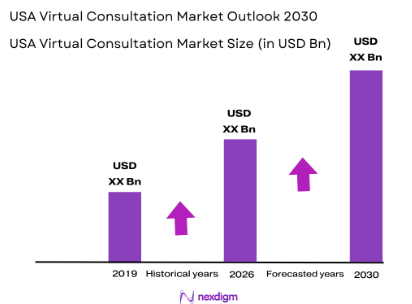
Over the next five years, the USA Virtual Consultations Market is expected to witness robust growth, driven by continuous advancements in communication technologies, AI, and cloud-based solutions. The healthcare sector will remain a key driver, fueled by the expanding telemedicine market and the rising demand for remote care services. Legal and educational consultations will also continue to thrive, as both sectors increasingly adopt virtual platforms for cost efficiency, accessibility, and convenience. Technological innovations such as AI-driven chatbots, secure data encryption, and enhanced video conferencing will make virtual consultations more efficient, secure, and user-friendly, thus further expanding market opportunities.
Major Players in the USA Virtual Consultations Market
- Microsoft
- Teladoc
- Amwell
- Zocdoc
- RingCentral
- Doctor on Demand
- Babylon Health
- Luma Health
- HealthTap
- MDLive
- One Medical
- Talkspace
- PlushCare
- Cerebral
- RelayHealth
Key Target Audience
- Healthcare Providers (Hospitals, Clinics, Telehealth Providers)
- Legal Firms (Lawyers, Consultants)
- Educational Institutions (Schools, Universities, E-learning Platforms)
- Corporate Organizations (HR Departments, Remote Workforce Solutions)
- Insurance Companies (Health Insurance, Legal Insurance)
- Technology Providers (AI Solutions, Cloud Infrastructure)
- Regulatory Bodies (HIPAA, FDA, State Health Agencies)
- Investments and Venture Capitalist Firms (focused on tech, healthcare, and legal sectors)
Research Methodology
Step 1: Identification of Key Variables
The research process begins by identifying key variables that affect the virtual consultations market, such as technological advancements, sector-specific demands, and regulatory factors.
Step 2: Market Analysis and Construction
In this phase, historical market data is gathered and analyzed from reliable sources, including market reports, financial statements, and case studies. Trends in healthcare, legal, and educational virtual consultations are explored.
Step 3: Hypothesis Validation and Expert Consultation
Market hypotheses are tested and validated through expert consultations, interviews, and surveys with professionals from the healthcare, legal, and technology sectors. These insights help refine the initial findings.
Step 4: Research Synthesis and Final Output
The final step involves compiling all research data into a comprehensive report. This includes identifying market opportunities, growth forecasts, and recommendations for key players to succeed in the market.

- Executive Summary
- Research Methodology (Market Definitions and Assumptions, Abbreviations, Market Sizing Approach, Consolidated Research Approach, Understanding Market Potential Through In-Depth Industry Interviews, Primary Research Approach, Limitations and Future Conclusions)

- Definition and Scope
- Overview of Virtual Consultations Market
- Historical Development of Virtual Consultations and Key Milestones in the Market
- Technological Advancements and Market Adoption Trajectory
- Evolution of Leading Companies in the Virtual Consultations Industry

- Growth Drivers
Post-Pandemic Adoption
Technological Advancements
Convenience and Cost-Effectiveness
Increased Demand for Telemedicine and Remote Work - Market Challenges
Data Privacy and Security
Technological Limitations
User Resistance - Opportunities
Expansion of Telehealth:
Integration of AI for Enhanced User Experience
Corporate Training and Development - Trends
AI Integration
Focus on Multi-Channel Platforms - Government Regulation
Telemedicine Regulations
Data Privacy Law - SWOT Analysis
- Porter’s Five Forces
Supplier Power
Buyer Power
Threat of New Entrants
Threat of Substitutes
Industry Rivalry

- Market Size by Value, 2019-2025
- Market Size by Volume, 2019-2025
- Market Size by Average Price, 2019-2025

- By Consultation Type (In Value %)
Healthcare
Legal
Education
Financial - By Deployment Model (In Value %)
Cloud-based
On-premises
Hybrid - By End-User Industry (In Value %)
Healthcare
Corporate
Legal
Education - By Region (In Value %)
Central
Eastern
Western
Southern - By Technology (In Value %)
AI-powered
Video Conferencing
Chatbots

- Market Share by Revenue & Utilization
- Cross‑Comparison Parameters (Company Overview & Corporate Structure , Service Portfolio Breadth, Technology Integration & Interoperability, Reimbursement & Payer Partnerships, Geographic & Clinical Reach )
- SWOT Analysis of Major Players
- Pricing Analysis for Major AEB Systems
- Detailed Profiles of Major Companies
Teladoc Health
Amwell
Doctor on Demand
MDLive
HealthTap
CVS Health
UnitedHealth Group
LIVI (by Babylon Health)
PlushCare
Carena
Zocdoc
Blue Cross Blue Shield
American Well
Walmart Health
Anthem Inc.

- Consumer Expectations & Access Dynamics
- Provider Adoption Patterns & Clinical Workflow Impact
- Payer Strategy & Coverage Trends
- Demographic Utilization Patterns
- Barriers to Adoption & Digital Literacy Factors

- By Value, 2025-2030
- By Volume, 2025-2030
- By Average Price, 2025-2030


 Request a Sample
 Ask for Customization
 Get a Quote
 Enquire Now