
 Download PDF
Market Overview
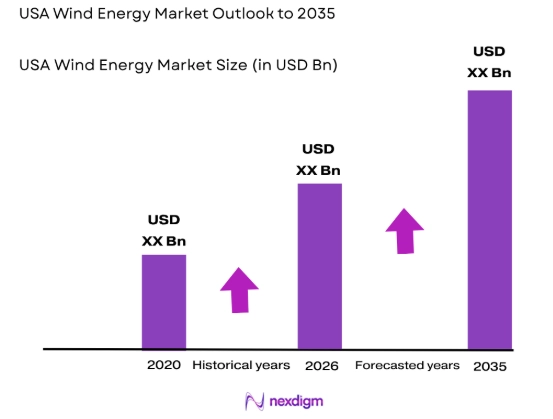
The USA Wind Energy market is expected to reach approximately USD ~ billion based on a recent historical assessment, driven by an increasing demand for renewable energy and governmental policies aimed at reducing greenhouse gas emissions. The U.S. has seen a strong push for wind energy, especially with federal and state tax credits, grants, and incentives for wind turbine installations. The market is further propelled by technological advancements in wind turbine efficiency, cost reductions, and the integration of wind energy into the national grid.
Texas, Iowa, and Oklahoma are the dominant regions in the USA for wind energy development, driven by favorable natural conditions such as strong and consistent winds. These states offer abundant land for wind farm installations and benefit from supportive local and state policies, including renewable energy mandates and incentives for wind energy production. The integration of wind farms into the grid in these regions has been significantly boosted by both private sector investments and governmental backing.
Market Segmentation
By System Type
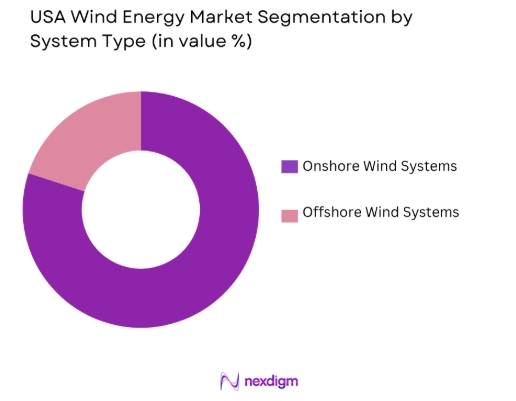
The USA Wind Energy market is segmented by system type into onshore wind systems and offshore wind systems. Recently, onshore wind systems have dominated the market due to their established infrastructure, lower installation costs, and greater availability of suitable land for wind farms. Onshore wind energy remains the most cost-effective solution for large-scale energy generation, especially in regions like the Great Plains, where wind conditions are optimal. Although offshore wind energy is growing, onshore systems continue to be the primary driver of market expansion due to their relatively low-cost development and fast permitting process.
By End-User
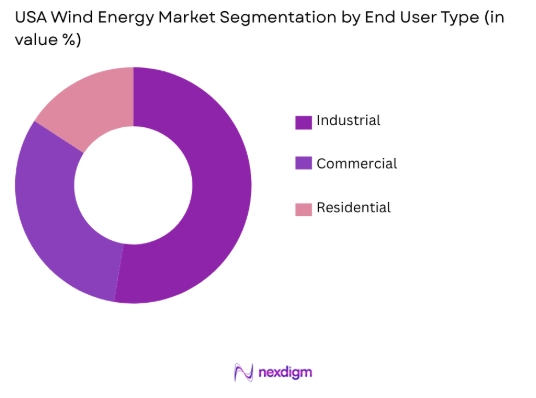
The USA Wind Energy market is segmented by end-user into residential, commercial, and industrial sectors. The industrial sector has emerged as the dominant sub-segment due to the increasing adoption of wind energy by large-scale power producers, utility companies, and heavy industries. These sectors are seeking to reduce energy costs and enhance sustainability efforts. Additionally, many large industrial companies are entering long-term power purchase agreements (PPAs) to ensure a reliable and cost-effective energy supply from wind farms. The adoption of wind energy by the industrial sector has been further supported by federal tax incentives and a growing push for decarbonization.
Competitive Landscape
The competitive landscape of the USA Wind Energy market is shaped by several global and local players, each vying for a share in this rapidly growing industry. The market is witnessing consolidation, as larger companies acquire smaller ones to expand their technological capabilities and geographic reach. This competitive environment fosters innovation in turbine design and energy storage solutions, driving further efficiency and cost reductions. With increasing investments from both public and private sectors, market players continue to innovate and improve the integration of wind energy into the national grid.
| Company Name | Establishment Year | Headquarters | Technology Focus | Market Reach | Key Products | Revenue (USD Billion) | Market-Specific Parameter |
| Vestas | 1945 | Aarhus, Denmark | ~ | ~ | ~ | ~ | ~ |
| Siemens Gamesa | 1976 | Zamudio, Spain | ~ | ~ | ~ | ~ | ~ |
| GE Renewable Energy | 2002 | Schenectady, USA | ~ | ~ | ~ | ~ | ~ |
| Nordex | 1985 | Hamburg, Germany | ~ | ~ | ~ | ~ | ~ |
| Ørsted | 2006 | Fredericia, Denmark | ~ | ~ | ~ | ~ | ~ |
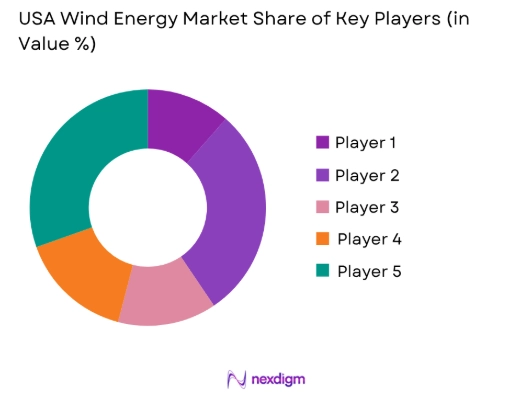
USA Wind Energy Market Analysis
Growth Drivers
Government Support and Policy Initiatives
Government incentives and policies are driving the growth of the USA Wind Energy market. Federal tax credits, such as the Production Tax Credit (PTC) for wind energy, have played a significant role in reducing the financial burden of wind farm development. Additionally, state-level Renewable Portfolio Standards (RPS) and the growing focus on decarbonization have incentivized investments in wind energy projects. The U.S. government’s strong push to reduce greenhouse gas emissions and reliance on fossil fuels has provided a favorable environment for the wind energy sector. These policies are expected to continue driving demand for wind energy solutions, further accelerating the adoption of wind power in both onshore and offshore markets.
Technological Advancements in Wind Turbine Efficiency
Technological advancements in turbine technology have significantly contributed to the growth of the wind energy market in the U.S. Modern wind turbines are increasingly efficient, durable, and capable of operating in a wider range of wind conditions. Developments in turbine size, blade design, and materials have improved the performance of wind farms, enabling them to generate more energy at a lower cost. Additionally, advances in digital monitoring and predictive maintenance technologies have enhanced the reliability and longevity of turbines, reducing operational costs. As the technology continues to evolve, the U.S. wind energy market will benefit from greater cost competitiveness, further driving adoption across the country.
Market Challenges
Intermittency of Wind Energy
One of the major challenges facing the USA Wind Energy market is the intermittency of wind energy generation. Wind energy is not constant, as it depends on fluctuating wind speeds, creating challenges in maintaining a stable and reliable energy supply. This intermittency complicates grid integration and requires energy storage solutions or backup systems to ensure that the energy produced by wind farms can meet demand. Additionally, the need for upgraded grid infrastructure to accommodate large-scale wind energy projects remains a key issue, especially as the share of wind energy in the overall power mix continues to grow. While battery storage and other solutions are improving, the challenge of intermittency still presents hurdles to the broader adoption of wind energy.
Land Use and Environmental Concerns
The development of new wind farms can be hindered by land use issues and environmental concerns. Wind farm projects, particularly large-scale installations, require significant land area, which can sometimes lead to conflicts with landowners, environmentalists, and local communities. Additionally, the construction and operation of wind farms can impact local wildlife, particularly bird and bat populations. These environmental concerns, coupled with zoning restrictions and local opposition, can delay or prevent new projects from moving forward. While the environmental benefits of wind energy are clear, overcoming the challenges related to land use and environmental impact assessments remains a significant obstacle to wind energy expansion.
Opportunities
Offshore Wind Energy Development
Offshore wind energy presents a significant growth opportunity for the USA Wind Energy market. The U.S. has vast untapped offshore wind resources, particularly along the East Coast and in the Great Lakes. Offshore wind farms have the potential to provide large-scale, reliable energy generation, especially in regions with consistent and strong winds. The Biden administration’s focus on offshore wind energy, including incentives and investments in offshore wind infrastructure, is expected to drive rapid growth in this sector. Offshore wind projects benefit from higher capacity factors compared to onshore farms, making them an attractive option for meeting future renewable energy targets. With continued technological advancements and government backing, offshore wind energy will become an essential part of the U.S. renewable energy strategy.
Energy Storage Integration
The integration of wind energy with energy storage solutions offers significant opportunities in the USA Wind Energy market. As the intermittency of wind energy poses challenges, the integration of energy storage systems, such as batteries, with wind farms can help mitigate these issues. By storing excess energy generated during periods of high wind, these storage systems can ensure a reliable power supply even when wind conditions are low. The growing demand for grid stability and the need to ensure continuous energy availability presents a prime opportunity for wind energy developers to invest in energy storage solutions. This integration will enhance the overall efficiency of wind power and contribute to the broader adoption of renewable energy.
Future Outlook
The future outlook for the USA Wind Energy market is optimistic, with strong growth expected in both onshore and offshore segments. Federal and state policies supporting the expansion of renewable energy, along with technological advancements in turbine efficiency and energy storage, will continue to drive market expansion. The increasing focus on reducing carbon emissions and the transition to sustainable energy will further accelerate the growth of the wind energy sector. Offshore wind energy, in particular, presents a significant opportunity, with government backing and technological advancements paving the way for large-scale offshore wind farm developments along the U.S. coastline.
Major Players
- Vestas
- Siemens Gamesa
- GE Renewable Energy
- Nordex
- Ørsted
- Invenergy
- NextEra Energy
- Iberdrola
- RWE
- EDF Renewables
- Duke Energy
- Pattern Energy
- Orsted
- Apex Clean Energy
- Dominion Energy
Key Target Audience
- Investments and venture capitalist firms
- Government and regulatory bodies
- Energy producers and developers
- Independent power producers
- Large-scale energy consumers
- Renewable energy equipment manufacturers
- Wind turbine technology providers
Research Methodology
Step 1: Identification of Key Variables
Identification of critical drivers, challenges, and regulatory frameworks affecting the USA Wind Energy market, including government policies, technological advancements, and economic factors.
Step 2: Market Analysis and Construction
Comprehensive market segmentation and quantitative analysis of the wind energy market in the U.S., with a focus on product types, end-user sectors, and technological innovations.
Step 3: Hypothesis Validation and Expert Consultation
Consultation with industry experts, developers, and government bodies to validate market assumptions and refine forecasts.
Step 4: Research Synthesis and Final Output
Synthesizing the findings from primary and secondary research to create a comprehensive report offering insights into market trends, opportunities, and challenges in the USA Wind Energy market.

- Executive Summary
- Research Methodology (Definitions, Scope, Industry Assumptions, Market Sizing Approach, Primary & Secondary Research Framework, Data Collection & Verification Protocol, Analytic Models & Forecast Methodology, Limitations & Research Validity Checks)

- Market Definition and Scope
- Value Chain & Stakeholder Ecosystem
- Regulatory / Certification Landscape
- Sector Dynamics Affecting Demand

- Growth Drivers
Increasing Demand for Renewable Energy
Government Incentives for Wind Energy
Technological Advancements in Wind Turbines - Market Challenges
High Capital Investment for Offshore Wind
Regulatory Barriers and Permitting Issues
Intermittency of Wind Energy - Market Opportunities
Expansion in Offshore Wind Projects
Development of Floating Wind Farms
Integration with Energy Storage Solutions - Trends
Increase in Offshore Wind Projects
Adoption of Advanced Turbine Technologies - Government Regulations
- SWOT Analysis
- Porter’s Five Forces

- By Market Value, 2020-2025
- By Installed Units, 2020-2025
- By Average System Price, 2020-2025
- By System Complexity Tier, 2020-2025

- By System Type (In Value%)
Onshore Wind Systems
Offshore Wind Systems
Small-scale Wind Systems
Utility-scale Wind Systems
Hybrid Wind Systems - By Platform Type (In Value%)
Onshore Platforms
Offshore Platforms
Floating Platforms
Integrated Platforms - By Fitment Type (In Value%)
Fixed Solutions
Floating Solutions
Hybrid Solutions
Modular Solutions - By End User Segment (In Value%)
Private Sector
Government Agencies
Energy Utilities

- Market Share Analysis
- Cross Comparison Parameters (System Type, Platform Type, Procurement Channel, End User Segment, Fitment Type, Technological Integration, Installation Scale)
- SWOT Analysis of Key Competitors
- Pricing & Procurement Analysis
- Key Players
Siemens Gamesa
Vestas
GE Renewable Energy
Nordex
Suzlon
MHI Vestas Offshore Wind
NextEra Energy
Orsted
Enel Green Power
EDF Renewables
Iberdrola
Boralex
Brookfield Renewable Partners
Ørsted
Invenergy

- Private Sector’s Role in Wind Energy Adoption
- Energy Utilities Increasing Investments
- Government Initiatives for Wind Energy Development
- Rise of Distributed Wind Energy Systems

- Forecast Market Value, 2026-2035
- Forecast Installed Units, 2026-2035
- Price Forecast by System Tier, 2026-2035
- Future Demand by Platform, 2026-2035


 Request a Sample
 Ask for Customization
 Get a Quote
 Enquire Now