

 Download PDF
 Download PDF
Market Overview
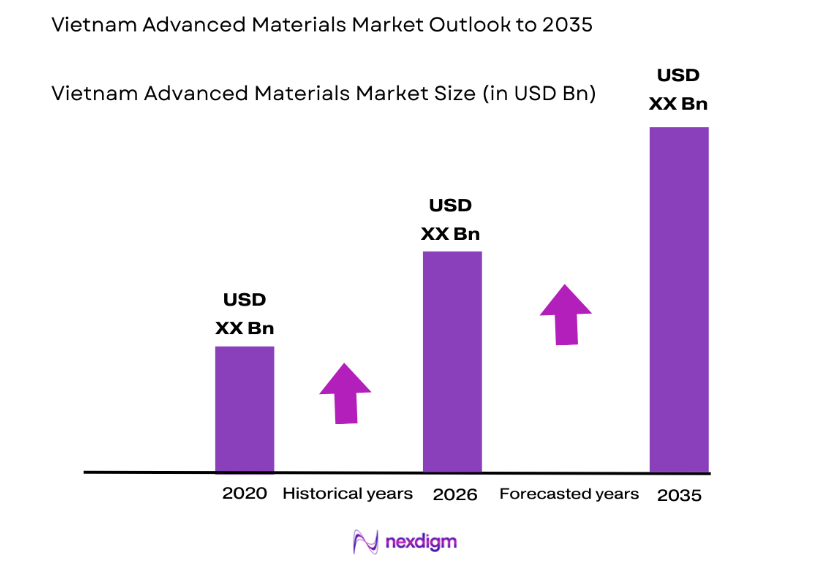
Vietnam’s advanced materials market reached approximately USD ~ based on a recent historical assessment compiled from industrial materials trade data, manufacturing sector statistics, and technology manufacturing reports published by Vietnam’s Ministry of Industry and Trade and international materials industry databases. Growing demand from electronics manufacturing semiconductor packaging automotive components renewable energy systems and aerospace supply chains significantly drives consumption of high performance polymers composites specialty metals and advanced ceramics used across precision engineering and high technology industrial production processes.
Advanced materials demand in Vietnam concentrates heavily across Ho Chi Minh City Hanoi Bac Ninh Hai Phong and Binh Duong where large electronics manufacturing clusters semiconductor packaging facilities and industrial technology parks operate advanced manufacturing operations. These regions host multinational electronics automotive and industrial component manufacturers requiring high purity materials high strength composites specialty alloys and advanced ceramics to support high precision manufacturing processes serving global electronics automotive and industrial export supply chains.
Market Segmentation
By Product Type
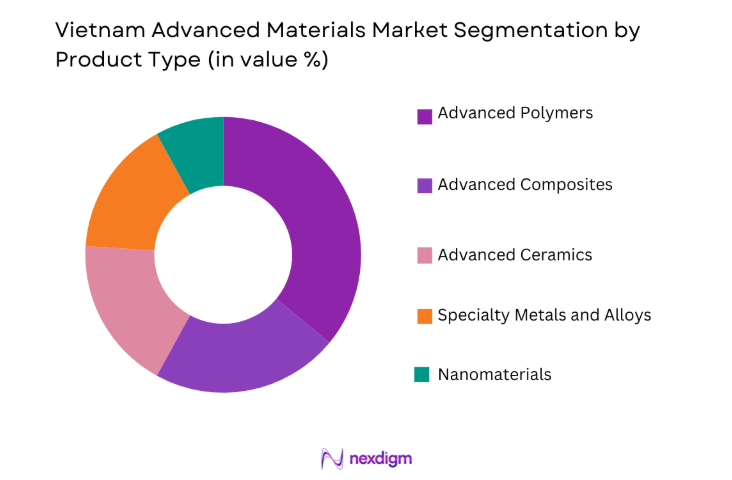
By Product Type Vietnam Advanced Materials market is segmented by product type into Advanced Polymers, Advanced Composites, Advanced Ceramics, Specialty Metals and Alloys, and Nanomaterials. Recently, Advanced Polymers has a dominant market share due to factors such as demand patterns, brand presence, infrastructure availability, or consumer preference. Electronics manufacturing consumer device production and automotive component manufacturing increasingly rely on high performance polymers capable of offering lightweight strength thermal resistance and electrical insulation properties required for modern industrial applications. Vietnam’s expanding electronics manufacturing sector consumes large volumes of polymer based materials used in circuit boards insulation components packaging materials and precision molded electronic parts supporting large scale electronics export manufacturing.
By End Use Industry
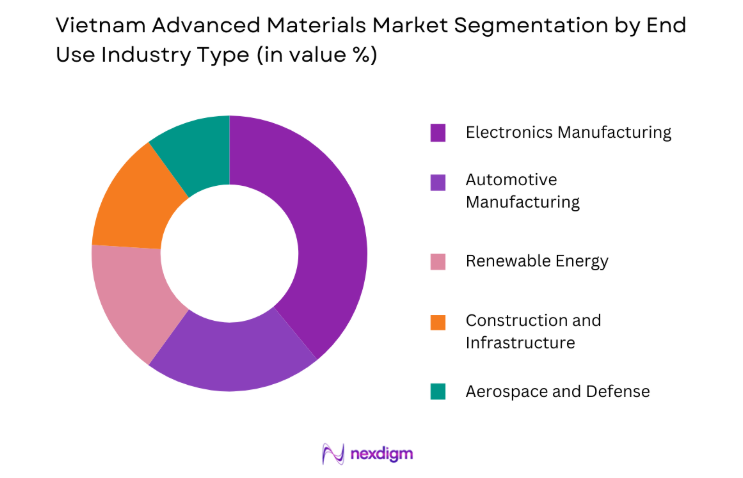
By End Use Industry Vietnam Advanced Materials market is segmented by product type into Electronics Manufacturing, Automotive Manufacturing, Renewable Energy, Construction and Infrastructure, and Aerospace and Defense. Recently, Electronics Manufacturing has a dominant market share due to factors such as demand patterns, brand presence, infrastructure availability, or consumer preference. Vietnam hosts one of Southeast Asia’s fastest growing electronics manufacturing ecosystems producing smartphones semiconductors consumer electronics and telecommunications devices requiring specialized materials including high purity silicon materials advanced polymers specialty alloys and ceramic substrates. Large multinational electronics manufacturers operating across industrial zones demand high performance materials capable of supporting miniaturization durability and thermal management within advanced electronic device production.
Competitive Landscape
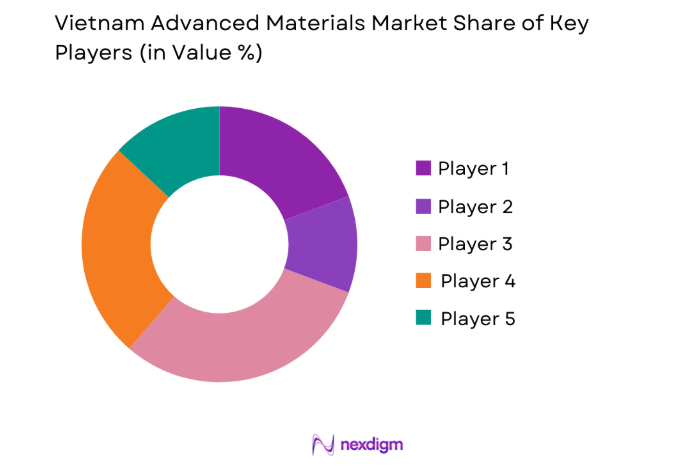
The Vietnam Advanced Materials market features a combination of global materials manufacturers supplying high performance materials to electronics automotive and industrial manufacturers along with regional materials processing companies supporting local manufacturing supply chains. Multinational materials science corporations dominate production of advanced polymers specialty alloys and high purity industrial materials while regional manufacturers focus on processing fabrication and supply of specialized materials to export oriented manufacturing industries operating within Vietnam’s major industrial zones.
| Company Name | Establishment Year | Headquarters | Technology Focus | Market Reach | Key Products | Revenue | Material Innovation Capability |
| BASF SE | 1865 | Germany | ~ | ~ | ~ | ~ | ~ |
| Dow Inc | 2019 | United States | ~ | ~ | ~ | ~ | ~ |
| Toray Industries | 1926 | Japan | ~ | ~ | ~ | ~ | ~ |
| Mitsubishi Chemical Group | 1933 | Japan | ~ | ~ | ~ | ~ | ~ |
| LG Chem | 1947 | South Korea | ~ | ~ | ~ | ~ | ~ |
Vietnam Advanced Materials Market Analysis
Growth Drivers
Rapid Expansion of Electronics and Semiconductor Manufacturing Supply Chains
Vietnam’s emergence as a major electronics manufacturing hub significantly drives demand for advanced materials required for high precision electronics production and semiconductor packaging operations. Multinational electronics companies operate large manufacturing facilities producing smartphones semiconductors consumer electronics telecommunications equipment and computing devices that require specialized materials including high performance polymers advanced ceramics specialty alloys and semiconductor grade materials. These manufacturing processes require materials capable of maintaining high thermal stability electrical insulation corrosion resistance and structural integrity within extremely compact electronic devices. Advanced materials enable miniaturization improved durability and higher performance across electronic components used in global consumer technology markets. Semiconductor packaging facilities rely heavily on high purity materials advanced resins ceramic substrates and metallic bonding materials used in chip packaging processes. Electronics manufacturers also demand lightweight high strength materials that improve product durability and reduce component size across modern consumer devices. Vietnam’s expanding role in global electronics supply chains encourages material suppliers to establish regional distribution networks and processing facilities supporting electronics manufacturers operating within industrial parks. As electronics production continues expanding across Vietnam’s manufacturing clusters demand for specialized advanced materials supporting semiconductor packaging electronic device assembly and high performance electronic component manufacturing will continue increasing significantly across the materials supply ecosystem.
Growth of Automotive Manufacturing and Electric Vehicle Component Production
Vietnam’s rapidly developing automotive manufacturing sector increasingly requires advanced materials capable of supporting lightweight vehicle design high performance structural components and energy efficient transportation technologies. Automotive manufacturers rely heavily on advanced composites lightweight alloys engineering polymers and ceramic materials used in structural vehicle components battery systems electronic control modules and powertrain components. Lightweight materials help reduce overall vehicle weight improving energy efficiency and vehicle performance while meeting international automotive safety standards. Advanced composites and aluminum alloys are widely used in vehicle chassis body panels and interior components enabling manufacturers to reduce fuel consumption and emissions. Electric vehicle development further increases demand for specialized materials including battery materials thermal management materials lightweight composite structures and high conductivity metals used in electric power systems. Automotive component manufacturers operating within Vietnam’s industrial zones supply global automotive supply chains producing electronic modules battery components and structural vehicle components requiring advanced materials. As the automotive sector continues expanding with growing interest in electric mobility and advanced vehicle technologies the consumption of specialized advanced materials will expand across Vietnam’s automotive manufacturing ecosystem.
Market Challenges
Limited Domestic Production Capacity for High Purity Advanced Materials
Vietnam currently relies heavily on imported advanced materials including specialty polymers high purity semiconductor materials advanced composites and specialty alloys required by electronics automotive and high technology manufacturing industries. Domestic production capacity for advanced materials remains limited due to high capital investment requirements specialized processing technologies and complex material purification processes required to manufacture these materials at industrial scale. Establishing advanced materials manufacturing facilities requires significant investment in chemical processing plants materials research laboratories and specialized manufacturing equipment. Many high technology materials require strict quality control systems advanced testing laboratories and sophisticated production technologies capable of maintaining extremely high purity levels and precise material characteristics. As a result multinational manufacturers often import advanced materials from established global suppliers located in Japan South Korea Europe and the United States. Dependence on imported materials can create supply chain vulnerabilities especially during global supply disruptions affecting semiconductor materials specialty chemicals or advanced composite components. Expanding domestic advanced materials manufacturing capabilities requires large scale investment in research infrastructure technology transfer and industrial manufacturing facilities capable of supporting high precision materials production.
Technological Complexity in Advanced Materials Processing and Manufacturing
Manufacturing advanced materials requires highly specialized scientific knowledge advanced engineering capabilities and complex industrial processing technologies that remain limited within many emerging industrial economies. Production of high performance materials such as carbon fiber composites semiconductor grade materials high purity alloys and nanomaterials involves multi stage chemical synthesis precision fabrication and strict quality control processes that require advanced research infrastructure and highly skilled technical personnel. Many manufacturing companies lack the technical expertise necessary to develop proprietary advanced materials technologies domestically. Establishing advanced materials production also requires extensive research collaboration between universities research institutes and industrial manufacturers capable of developing innovative materials technologies. The need for advanced processing equipment specialized laboratory facilities and materials testing infrastructure significantly increases the cost of establishing advanced materials manufacturing facilities. Without strong domestic research ecosystems companies may depend heavily on imported technologies or licensing agreements with international materials producers. These technological challenges slow the development of domestic advanced materials industries despite increasing demand from Vietnam’s expanding manufacturing sector.
Opportunities
Government Supported High Technology Manufacturing and Industry Development Policies
Vietnam’s government continues promoting high technology manufacturing sectors including electronics semiconductor packaging renewable energy equipment and advanced automotive manufacturing through industrial development strategies encouraging technology intensive industries. These national industrial development programs create strong demand for advanced materials required in high precision manufacturing processes. Industrial parks and technology zones increasingly attract multinational electronics manufacturers semiconductor packaging companies and advanced industrial technology producers that require specialized materials for their production operations. Government incentives supporting technology transfer research investment and industrial infrastructure development create opportunities for advanced materials manufacturers to establish production facilities within Vietnam. As high technology manufacturing industries expand demand for advanced materials such as high purity polymers advanced composites specialty alloys and ceramic materials will continue increasing across industrial supply chains supporting electronics renewable energy automotive and industrial equipment manufacturing sectors.
Development of Renewable Energy Infrastructure and Battery Manufacturing Ecosystems
Vietnam continues investing heavily in renewable energy infrastructure including solar power wind energy and battery storage systems supporting the country’s long term energy transition strategy. Renewable energy technologies rely heavily on advanced materials including lightweight composites specialty alloys semiconductor materials and advanced polymers used in solar panels wind turbine blades energy storage systems and electrical infrastructure. Battery manufacturing ecosystems require advanced cathode materials anode materials electrolyte chemicals and thermal management materials used in modern lithium ion battery systems. As renewable energy infrastructure expands across Vietnam demand for specialized materials used in photovoltaic modules energy storage systems and power electronics will increase significantly. Global renewable energy companies investing in Vietnam’s energy sector create new opportunities for advanced materials suppliers capable of supporting solar panel manufacturing battery production and wind energy component manufacturing industries operating within Vietnam’s rapidly expanding clean energy technology ecosystem.
Future Outlook
Vietnam advanced materials market is expected to experience strong growth as high technology manufacturing electronics production and renewable energy infrastructure continue expanding across the country. Industrial policies supporting semiconductor electronics and advanced manufacturing sectors will strengthen demand for specialized materials. Increasing investment in electric vehicle production battery technologies and clean energy infrastructure will further accelerate material innovation and consumption. Advances in nanotechnology advanced composites and high performance polymers will play a critical role in supporting next generation manufacturing capabilities across Vietnam’s evolving industrial economy.
Major Players
- BASF SE
- Dow Inc
- Toray Industries
- Mitsubishi Chemical Group
- LG Chem
- Sumitomo Chemical
- Arkema SA
- Evonik Industries
- Solvay SA
- Covestro AG
- SABIC
- Huntsman Corporation
- DuPont de Nemours
- Hexcel Corporation
- Teijin Limited
Key Target Audience
- Electronics Manufacturing Companies
- Automotive Component Manufacturers
- Renewable Energy Equipment Manufacturers
- Semiconductor Manufacturing Companies
- Construction and Infrastructure Companies
- Investments and venture capitalist firms
- Government and regulatory bodies
Research Methodology
Step 1: Identification of Key Variables
The research process begins with identifying critical variables influencing the Vietnam Advanced Materials market including industrial production growth manufacturing investment material consumption patterns and technological adoption trends across high technology manufacturing sectors.
Step 2: Market Analysis and Construction
Industrial manufacturing statistics materials consumption data and trade reports are analyzed to construct the Vietnam Advanced Materials market framework. Segmentation models evaluate material demand across product types and industrial end use sectors.
Step 3: Hypothesis Validation and Expert Consultation
Materials science specialists manufacturing engineers and industrial technology experts review initial research findings validating material demand trends production capabilities and supply chain developments across Vietnam’s advanced manufacturing ecosystem.
Step 4: Research Synthesis and Final Output
Validated insights are integrated into a structured market model combining industrial investment indicators material demand patterns and manufacturing sector growth statistics to produce the final Vietnam Advanced Materials market report.

- Executive Summary
- Research Methodology (Definitions, Scope, Industry Assumptions, Market Sizing Approach, Primary & Secondary Research Framework, Data Collection & Verification Protocol, Analytic Models & Forecast Methodology, Limitations & Research Validity Checks)

- Market Definition and Scope
- Value Chain & Stakeholder Ecosystem
- Regulatory / Certification Landscape
- Sector Dynamics Affecting Demand

- Growth Drivers
Expansion of Electronics and Semiconductor Manufacturing Ecosystem
Increasing Automotive and Electric Vehicle Production Across Vietnam
Growing Demand for High Performance Materials in Renewable Energy Infrastructure - Market Challenges
High Production Costs Associated with Advanced Material Processing
Limited Domestic Supply of Specialized Raw Materials
Dependence on Imported Advanced Material Manufacturing Technologies - Market Opportunities
Expansion of Electric Vehicle Supply Chains Requiring Lightweight Materials
Growing Demand for Nanomaterials in Semiconductor and Electronics Manufacturing
Development of Advanced Composite Materials for Aerospace and Aviation Applications - Trends
Increasing Integration of Nanotechnology in High Performance Industrial Materials
Growing Adoption of Advanced Composites in Automotive Lightweight Engineering - Government Regulations
- SWOT Analysis
- Porter’s Five Forces

- By Market Value, 2020-2025
- By Installed Units, 2020-2025
- By Average System Price, 2020-2025
- By System Complexity Tier, 2020-2025

- By System Type (In Value%)
Advanced Composite Materials
High Performance Polymers
Advanced Ceramics
Nanomaterials
Metal Matrix Composites - By Platform Type (In Value%)
Automotive and Electric Vehicle Platforms
Electronics and Semiconductor Platforms
Aerospace and Aviation Platforms
Energy and Power Infrastructure Platforms - By Fitment Type (In Value%)
Structural Components
Thermal Management Systems
Electronic and Semiconductor Components
Industrial Equipment Components - By End User Segment (In Value%)
Automotive and Transportation Industry
Electronics and Semiconductor Industry
Energy and Industrial Manufacturing

- Market Share Analysis
- Cross Comparison Parameters (Material Technology Portfolio, Manufacturing Capability, Application Industry Coverage, Supply Chain Integration, Pricing Structure, Innovation Capability, Regional Distribution Network)
- SWOT Analysis of Key Competitors
- Pricing & Procurement Analysis
- Key Players
Toray Industries
Hexcel Corporation
Solvay SA
Teijin Limited
SGL Carbon SE
3M Company
DuPont de Nemours
Dow Inc
BASF SE
Saint Gobain
Huntsman Corporation
Mitsubishi Chemical Group
Evonik Industries
Arkema SA
SCG Chemicals

- Automotive Manufacturers Utilizing Lightweight Materials to Improve Vehicle Efficiency
- Electronics Producers Deploying Nanomaterials for Semiconductor and Device Manufacturing
- Energy Companies Utilizing Advanced Materials in Renewable Power Infrastructure
- Industrial Equipment Manufacturers Using High Performance Materials for Durability

- Forecast Market Value, 2026-2035
- Forecast Installed Units, 2026-2035
- Price Forecast by System Tier, 2026-2035
- Future Demand by Platform, 2026-2035


 Request a Sample
 Ask for Customization
 Get a Quote
 Enquire Now