

 Download PDF
Market Overview
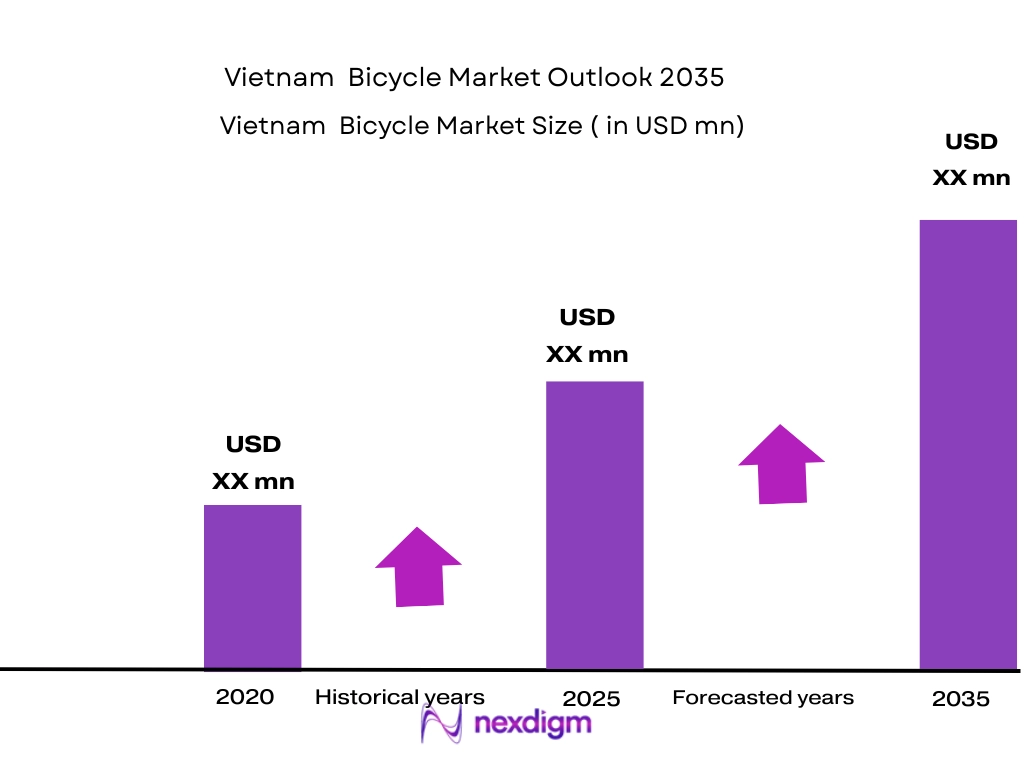
The Vietnam bicycle market is valued at approximately USD ~ billion, driven by increasing demand for affordable transportation, rising environmental awareness, and growing interest in fitness activities. Bicycles remain a widely used mode of transport in both urban and rural areas, supported by Vietnam’s dense population and cost-conscious consumers. Additionally, the growing popularity of electric bicycles and improvements in product design and quality are reshaping consumer preferences. Expansion of retail networks and online platforms is further enhancing accessibility and market growth.
Major cities such as Ho Chi Minh City and Hanoi dominate the market due to high population density and increasing traffic congestion. These urban centers are witnessing a shift toward bicycles and e-bikes for short-distance commuting. Rural regions also contribute significantly due to daily transportation needs. Government initiatives promoting eco-friendly mobility and sustainable transportation further support market expansion across the country.
Market Segmentation
By Product Type
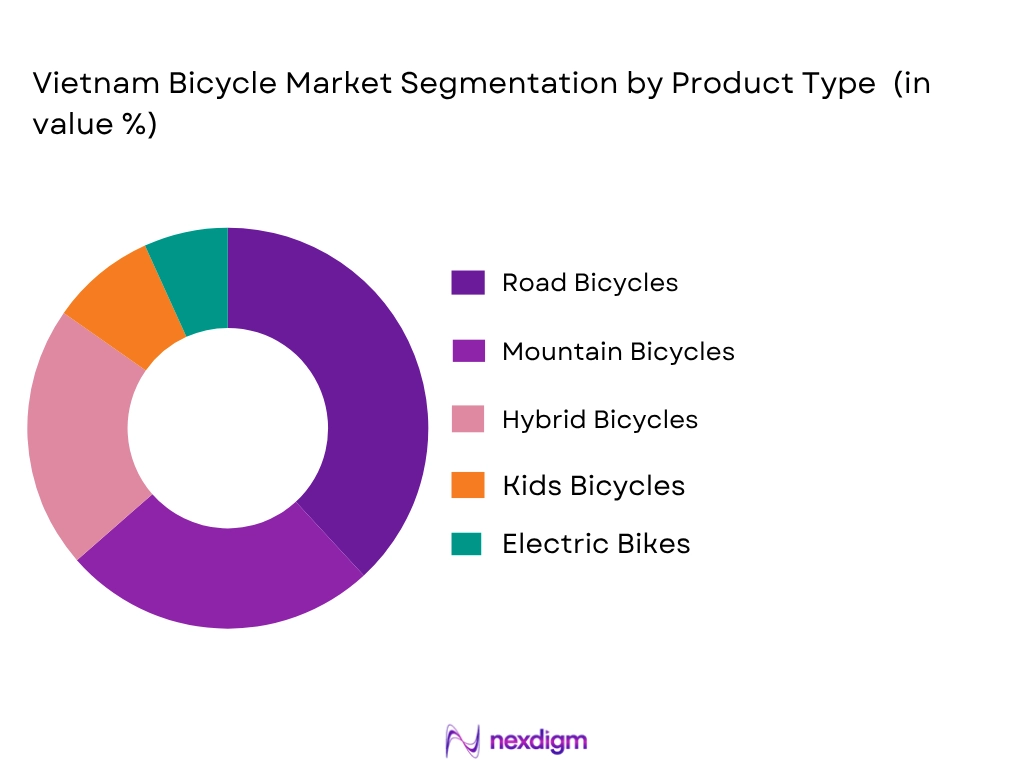
The Vietnam bicycle market is segmented into road bicycles, mountain bicycles, hybrid bicycles, kids bicycles, and electric bicycles. Among these, traditional commuter bicycles dominate due to affordability and widespread usage. However, electric bicycles are gaining traction in urban areas due to convenience and ease of use.
By Distribution Channel
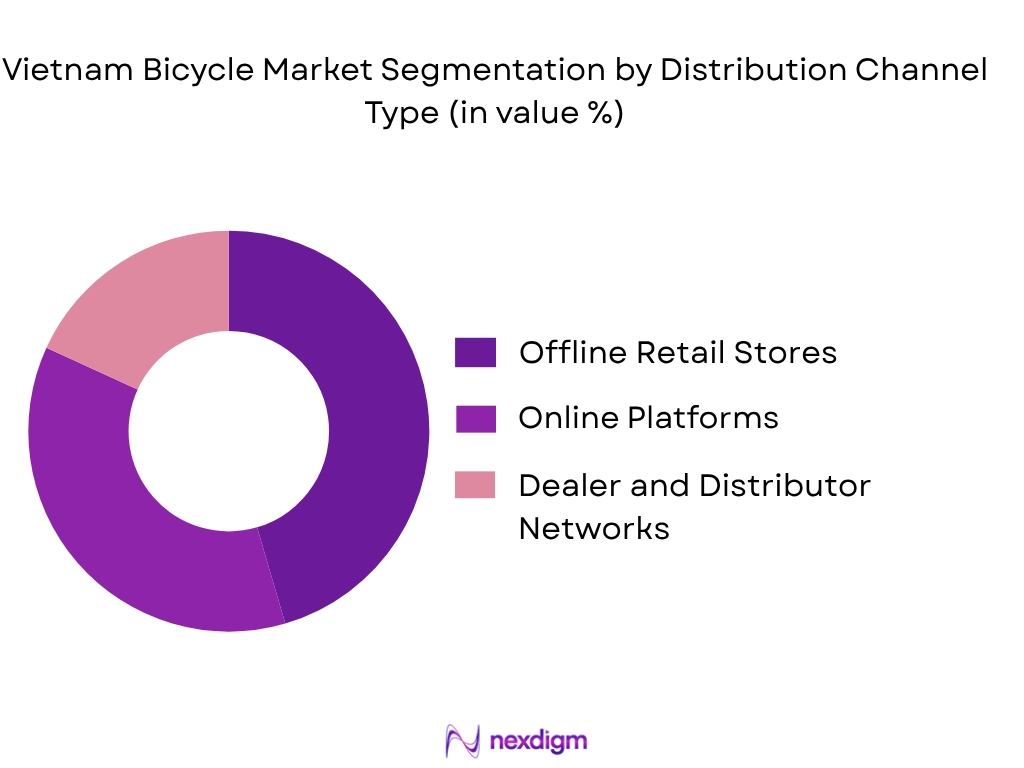
The market is segmented into offline retail stores, online platforms, and dealer networks. Offline retail stores dominate due to consumer preference for physical inspection and after-sales service, while online channels are growing rapidly with increasing digital adoption.
Competitive Landscape
The Vietnam bicycle market is moderately fragmented, with a mix of domestic manufacturers and international brands. Key players compete on pricing, product quality, and distribution reach. Local manufacturers have a strong presence in the mass segment, while international brands focus on premium and performance bicycles. Increasing focus on innovation and e-bicycles is intensifying competition.
| Company Name | Establishment Year | Headquarters | Product Offering | Technology Integration | Pricing Strategy | Annual Revenue (USD) |
| Giant Vietnam | 1972 | Vietnam | ~ | ~ | ~ | ~ |
| Thống Nhất Bicycles | 1962 | Vietnam | ~ | ~ | ~ | ~ |
| Asama Vietnam | 1954 | Vietnam | ~ | ~ | ~ | |
| Martin 107 | 1950 | Vietnam | ~ | ~ | ~ | ~ |
| Fornix Vietnam | 1960 | Vietnam | ~ | ~ | ~ | ~ |

Vietnam Bicycle Market Analysis
Growth Drivers
Increasing Urbanization and Traffic Congestion:
Vietnam is experiencing rapid urbanization, particularly in major cities like Hanoi and Ho Chi Minh City, leading to increased traffic congestion and longer commute times. As a result, bicycles are emerging as a practical and cost-effective solution for short-distance travel. They help reduce dependency on motorbikes and fuel consumption while offering flexibility in navigating crowded streets. Additionally, rising environmental concerns and government efforts to promote eco-friendly mobility are encouraging bicycle adoption. Urban infrastructure improvements and awareness campaigns further support this shift. This trend is expected to sustain demand for bicycles, particularly in densely populated urban areas.
Rising Health and Fitness Awareness
Growing awareness about health and fitness is significantly influencing the Vietnam bicycle market, especially among younger and urban populations. Cycling is increasingly seen as an affordable and effective way to maintain physical fitness and improve overall well-being. Rising cases of lifestyle-related issues such as obesity and stress are encouraging individuals to adopt active lifestyles. Social media, fitness influencers, and cycling communities are also promoting cycling as a recreational and fitness activity. Additionally, participation in cycling events and group rides is increasing across cities. This shift toward healthier living is expected to drive consistent demand for bicycles in the coming years.
Challenges
Price Sensitivity Among Consumers
Price sensitivity remains a major challenge in the Vietnam bicycle market, as a large portion of the population prefers affordable transportation options. Consumers often prioritize cost over advanced features, making it difficult for manufacturers to introduce premium or technologically advanced bicycles. This limits profit margins and restricts innovation within the market. Additionally, economic fluctuations and income disparities further influence purchasing decisions, especially in rural and semi-urban areas. As a result, companies must balance cost efficiency with quality to remain competitive. This challenge continues to impact overall market growth and profitability for organized players.
Competition from Motorbikes
Motorbikes dominate Vietnam’s transportation landscape, posing strong competition to bicycles. They are preferred for longer distances due to speed, convenience, and efficiency. Many consumers view bicycles as less practical for daily commuting, especially in cities with heavy traffic and longer travel routes. Additionally, motorbike ownership is often associated with higher social status, further reducing bicycle adoption among certain groups. This strong preference limits the growth potential of bicycles in the transportation segment. To overcome this challenge, manufacturers must focus on innovation, affordability, and positioning bicycles as viable alternatives for short-distance commuting.
Opportunities
Expansion of E-Bicycle Market
The growing demand for electric bicycles presents a significant opportunity in the Vietnam bicycle market. E-bikes offer a convenient and energy-efficient mode of transport, particularly for urban commuters. They require less physical effort compared to traditional bicycles, making them suitable for a broader consumer base, including older individuals. Rising fuel prices and increasing environmental awareness are further encouraging the shift toward electric mobility. Government support for sustainable transportation and advancements in battery technology are also boosting adoption. As infrastructure improves, the e-bicycle segment is expected to experience rapid growth in urban regions.
Export Growth Opportunities
Vietnam has strong manufacturing capabilities and cost advantages, positioning it as a key exporter in the global bicycle market. The country benefits from competitive labor costs and established production facilities, enabling manufacturers to supply international markets efficiently. Increasing demand for bicycles in regions such as Europe and North America is creating export opportunities. Trade agreements and favorable government policies further support export growth. Additionally, global trends toward eco-friendly transportation are boosting international demand. By focusing on quality and innovation, Vietnamese manufacturers can strengthen their presence in global markets and drive long-term growth.
Future Outlook
The Vietnam bicycle market is expected to grow steadily over the forecast period, driven by urbanization, environmental concerns, and increasing adoption of electric bicycles. Government support for sustainable mobility and improvements in infrastructure will further enhance market growth. Rising disposable incomes and changing consumer preferences will also contribute to expansion, particularly in premium and fitness-oriented segments.
Major Players
- Giant Vietnam
- Thống Nhất Bicycles
- Asama Vietnam
- Martin 107
- Fornix Vietnam
- Twitter Bikes Vietnam
- Galaxy Bikes
- Phoenix Bicycle Vietnam
- Forever Bicycle Vietnam
- Trinx Vietnam
- Java Bikes Vietnam
- Sava Bikes Vietnam
- Calli Bikes Vietnam
- Trek Vietnam
- Specialized Vietnam
Key Target Audience
- Bicycle manufacturers
- Component suppliers
- Retailers and distributors
- E-commerce platforms
- Government and regulatory authorities
- Fitness organizations
- Investment firms
Research Methodology
Step 1: Identification of Key Variables
Key variables such as demand drivers, pricing trends, consumer behavior, and regulatory factors are identified. These variables help in understanding market dynamics and growth patterns.
Step 2: Market Analysis and Construction
Market size is estimated using both primary and secondary data sources. Segmentation and forecasting models are applied to ensure accuracy.
Step 3: Hypothesis Validation and Expert Consultation
Market assumptions are validated through expert interviews and industry consultations. Feedback is incorporated to refine analysis and projections.
Step 4: Research Synthesis and Final Output
All findings are compiled into a structured report with validated insights and forecasts. Data triangulation ensures reliability and consistency.

- Executive Summary
- Research Methodology (Market Definitions and Assumptions, Abbreviations and Terminology, Data Sources and Validation Approach, Vietnam Bicycle Market Sizing Methodology, Primary and Secondary Research Benchmarks, Market Reliability and Confidence Intervals)

- Industry Definition and Scope
- Market Genesis and Evolution in Vietnam
- Consumer Adoption Patterns
- Market Value Chain and Distribution Structure
- Import and Export Dynamics

- Growth Drivers
Increasing Urbanization and Traffic Congestion
Rising Health and Fitness Awareness
Government Support for Sustainable Transport
Growing Demand for E-Bicycles - Challenges
Price Sensitivity Among Consumers
Competition from Motorbikes
Fragmented Market Structure
Limited Dedicated Cycling Infrastructure - Opportunities
Expansion of E-Bicycle Market
Export Growth Opportunities
Rising Demand in Urban Areas
Growth of Premium Bicycle Segment - Trends
Shift Toward Eco-Friendly Transportation
Growth of Fitness-Oriented Cycling
Digital Sales Channel Expansion
Innovation in Lightweight and Smart Bicycles - Government Regulations
- SWOT Analysis
- Porter’s Five Forces

- By Market Value, 2020-2025
- By Volume (Units Sold), 2020-2025
- By Segment Growth, 2020-2025

- By Product Type (In Value %)
Road Bicycles
Mountain Bicycles
Hybrid Bicycles
Kids Bicycles
Electric Bicycles - By Distribution Channel (In Value %)
Offline Retail Stores
Online Platforms
Dealer and Distributor Networks - By Consumer Demographic (In Value %)
Students
Working Professionals
Fitness Enthusiasts
Rural Population - By Pricing Model (In Value %)
Economy Segment
Mid-Range Segment
Premium Segment - By Region (In Value %)
Northern Vietnam
Central Vietnam
Southern Vietnam

- Market Share by Product Category
- Revenue by Major Players
- Cross Comparison Parameters(Company Overview, Product Portfolio, Pricing Strategy, Distribution Network, Brand Positioning, Innovation Capability, Market Presence, Growth Strategy)
- Company Profiles
Giant Vietnam
Thống Nhất Bicycles
Asama Vietnam
Martin 107
Fornix Vietnam
Twitter Bikes Vietnam
Galaxy Bikes
Phoenix Bicycle Vietnam
Forever Bicycle Vietnam
Trinx Vietnam
Java Bikes Vietnam
Sava Bikes Vietnam
Calli Bikes Vietnam
Trek Vietnam
Specialized Vietnam

- Buying Decision Drivers
- Brand Preference and Loyalty
- Pricing Sensitivity
- Usage Patterns
- Pain Points in Product Availability and Quality

- By Market Value, 2026-2035
- By Volume (Units Sold), 2026-2035
- By Segment Growth, 2026-2035


 Request a Sample
 Ask for Customization
 Get a Quote
 Enquire Now