

 Download PDF
Market Overview
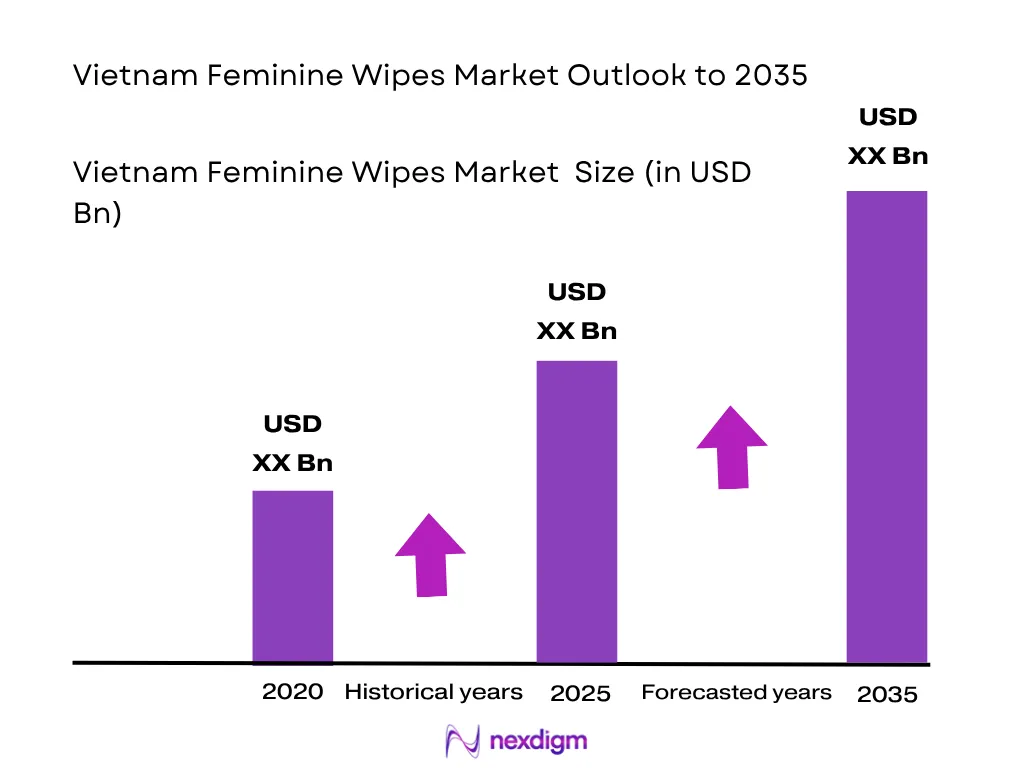
The global feminine wipes market was valued at USD ~ billion in 2025, with intimate and feminine wipes forming a major sub‑category of personal hygiene products. This scale reflects strong global demand driven by rising women’s health awareness, urban lifestyles, and convenience‑oriented purchasing behavior, supported by retail expansion and e‑commerce accessibility. Consumer preference for pH‑balanced and dermatologist‑tested formulations has also contributed to market expansion.
The Asia‑Pacific region, including markets such as China, India, and Southeast Asia, dominates due to rapid urbanisation, rising disposable income, increased focus on personal hygiene, and expanding retail networks, which enhance product availability. Europe and North America also command significant influence due to higher purchasing power, advanced retail infrastructure, and strong consumer awareness about feminine health products.
Market Segmentation
By Product Type
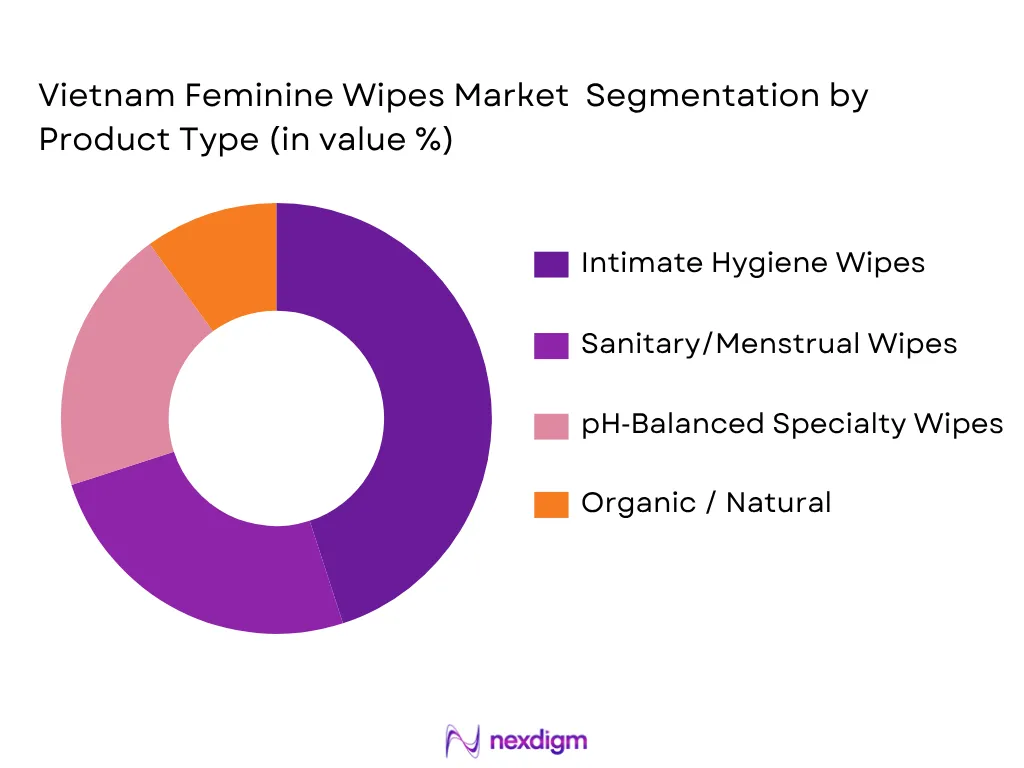
Intimate hygiene wipes hold the largest share in the feminine wipes category. Their dominance stems from widespread consumer recognition of their core function gentle cleansing and freshness of the intimate area. The formulation of these wipes often incorporates pH‑balanced ingredients and soothing agents that appeal to broad consumer segments seeking daily hygiene solutions rather than menstrual‑specific use. Additionally, global marketing and health education have increased acceptance of intimate wipes as a standard personal care item, supporting their adoption over other specialty variants within the segment.
By Distribution Channel
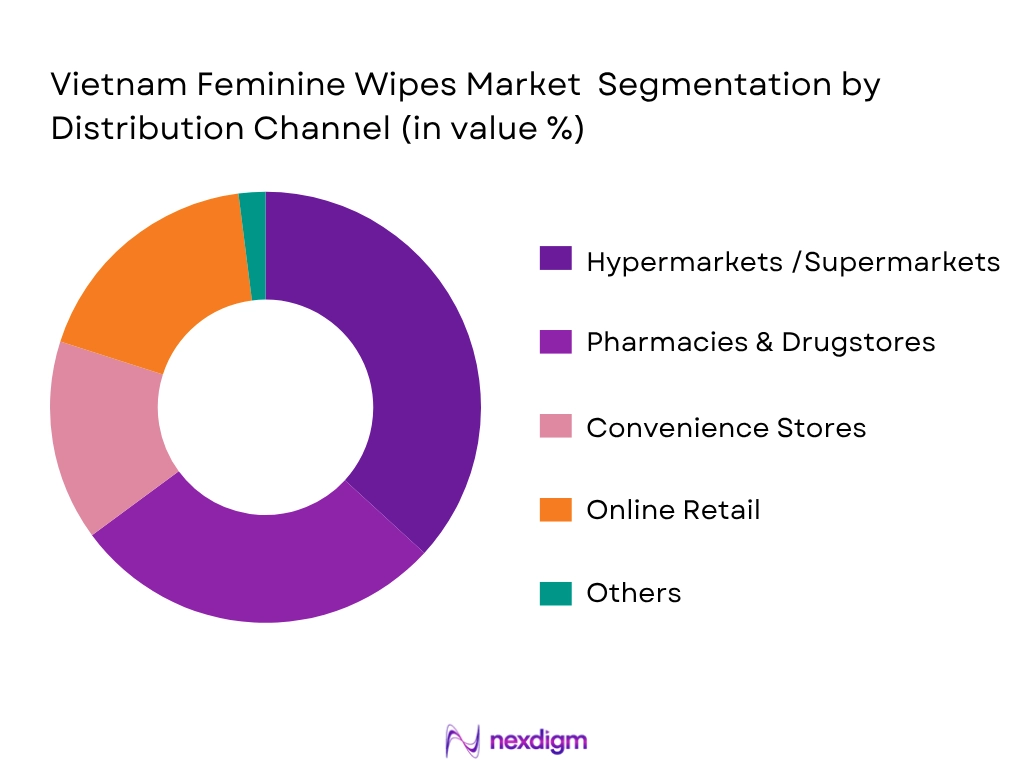
Supermarkets and hypermarkets command the leading share for feminine wipes distribution globally. This dominance is largely attributable to their extensive product assortment, strong brand visibility, and the opportunity for one‑stop shopping, which drives high footfall for everyday personal care items, including wipes. Consumers trust these formal retail environments for hygiene products due to quality assurance and variety within product lines. Meanwhile, pharmacies also contribute significantly, especially for premium and health‑oriented wipes, catering to consumers concerned with dermatological safety and clinical recommendations.
 Competitive Landscape
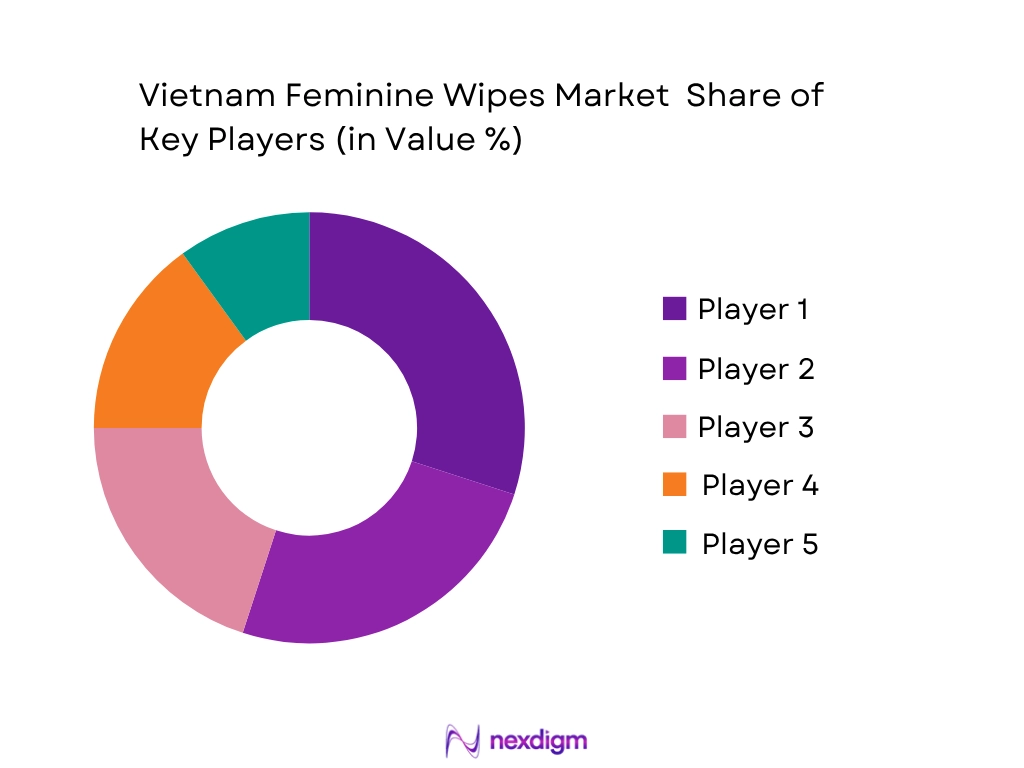
The global feminine wipes market features a mixture of multinational consumer goods companies and specialised hygiene brands. This consolidation reflects strong brand influence and robust distribution frameworks across regions. The feminine wipes market is characterized by a mix of large FMCG companies and niche hygiene specialists. Major players leverage extensive distribution networks, diverse product portfolios (including pH‑balanced and organic variants), and marketing campaigns centred on health, hygiene, and convenience. Competitive intensity is increased by ongoing product innovation in biodegradable materials, fragrance‑free formulations, and multi‑function wipes catering to various use occasions.
| Company | Year Established | Headquarters | Product Portfolio Breadth | Retail Channel Reach | Formulation Innovation | Sustainability Initiatives | Online Presence | Brand Recognition |
| Procter & Gamble | 1837 | USA | ~ | ~ | ~ | ~ | ~ | ~ |
| Johnson & Johnson Services, Inc. | 1886 | USA | ~ | ~ | ~ | ~ | ~ | ~ |
| Edgewell Personal Care | 1992 | USA | ~ | ~ | ~ | ~ | ~ | ~ |
| Unicharm Corporation | 1961 | Japan | ~ | ~ | ~ | ~ | ~ | ~ |
| Albaad | 1988 | Israel | ~ | ~ | ~ | ~ | ~ | ~ |
Vietnam Feminine Wipes Market Analysis
Growth Drivers
Hygiene Awareness
Hygiene awareness in Vietnam is increasingly reinforced by improvements in public sanitation and health infrastructure, which influence personal care behaviours relevant to products such as feminine wipes. According to World Bank indicators, 45.374 percent of the population used safely managed sanitation services in 2024, reflecting a rise from 44.393 percent in 2023 indicating ongoing improvements in hygiene environments that can underpin consumer demand for related hygiene products in daily routines. Simultaneously, 58.581 percent of individuals used safely managed drinking water services in 2024, suggesting broader improvements in access to basic health‑related amenities that correlate with heightened hygiene consciousness among households. Both sanitation and water access improvements directly affect public perception of hygiene standards, encouraging consumers, particularly women, to invest in secondary hygiene products like feminine wipes for personal comfort beyond basic facility usage. These macro hygiene indicators show that as foundational sanitation conditions improve, households are more likely to adopt supplementary hygiene practices, thereby catalysing demand for intimate care products in urban and peri‑urban settings where infrastructure is more developed.
Urbanization
Urbanization in Vietnam is a significant socio‑economic driver shaping consumer behaviour and market demand for convenience‑oriented personal care products such as feminine wipes. In 2024, Vietnam’s urban population reached 40.6 million people, up from 39.6 million in 2023, representing sustained migration into urban settlements where lifestyle patterns and retail access favour modern personal hygiene products. The proportion of the population living in urban areas rose to 40.19 percent of the total population in 2024, highlighting the ongoing shift from rural to urban living. Urban residents typically have greater exposure to organised retail environments, including supermarkets, pharmacies, and e‑commerce platforms, that drive visibility and availability of feminine wipes. Increased urban concentration also aligns with higher disposable incomes and greater participation of women in the workforce, both of which correlate with a tendency toward convenience‑centric purchase decisions. Furthermore, infrastructure improvements associated with urban expansion, such as enhanced sanitation facilities and healthcare access, reinforce hygiene behaviours and normalize the use of intimate care products among urban consumers.
Market Restraints
Cultural Stigma
Cultural stigma surrounding intimate hygiene practices can constrain the adoption of feminine wipes in Vietnam despite broader sanitation improvements. According to joint WASH reports, significant gaps persist in hygiene practices at the community level for example, more than 85 percent of the population reportedly do not wash hands with soap at key moments in many settings, and nearly 40 percent of girls and their families lack accurate knowledge of menstrual health management, indicating ongoing cultural barriers to open discussion and adoption of hygiene products associated with intimate areas. These hygiene behaviour trends reflect deeply ingrained social norms that can reduce the perceived need or acceptability of feminine wipes, especially in rural or conservative contexts where personal hygiene products beyond basics may be considered taboo or unnecessary. While official sanitation metrics like safely managed sanitation access are rising, behavioural uptake lags in some communities showing that improved infrastructure alone does not immediately translate to acceptance of all personal care innovations. Such cultural attitudes can temper market uptake of feminine wipes, creating a restraint for brands seeking to expand beyond early adopters and urban segments.
Price Sensitivity
Price sensitivity in consumer markets like Vietnam influences purchasing decisions for non‑essential personal care items such as feminine wipes, particularly among lower income segments. Vietnam’s GDP per capita stood at USD 4,717.3 in 2024, revealing a middle‑income economy where discretionary spending on secondary hygiene products must compete with essential household expenditures. Consumer spending power varies significantly between urban and rural populations, where urban consumers might prioritise convenience products while rural populations allocate a larger proportion of income to basic needs. Additionally, macroeconomic factors such as inflation recorded at 3.6 percent in 2024, can erode real purchasing power and encourage price‑driven buying behaviour. For many households, products perceived as non‑essential may be deferred in favour of core necessities when budget constraints are tight, limiting penetration for premium segments of feminine wipes. This price sensitivity can act as a market restraint, necessitating affordable price points and value packaging strategies for brands aiming to capture a broader share of cost‑conscious consumers.
Opportunities
Eco‑friendly Wipes
Eco‑friendly feminine wipes present a market opportunity aligned with rising environmental awareness and consumer preference for sustainable products. Although Vietnam’s access to safely managed sanitation services remains under development, with 45.374 percent of the total population using such services in 2024, environmental considerations in hygiene product life cycles are becoming more relevant to consumers and policy agendas. In eco‑conscious segments, consumers increasingly prioritise products that reduce waste impact, such as biodegradable materials and reduced plastic content. Given the substantial proportion of population still lacking comprehensive sanitation infrastructure, environmentally responsible products can reduce strain on systems that struggle with waste management. Brands that innovate with biodegradable wipe substrates or recyclable packaging can position themselves favorably with consumers seeking to align personal care with environmental stewardship. As sustainable consumption trends grow globally and within Vietnamese urban centres, eco‑friendly wipes can differentiate offerings and attract environmentally minded buyers, expanding beyond conventional intimate care product lines.
Biodegradable Formulations
Biodegradable formulations represent another current opportunity within the feminine wipes market that responds to broader concerns about waste and sanitation infrastructure constraints. Despite improvements in access to safe drinking water and sanitation, only 45.374 percent of Vietnam’s population used safely managed sanitation services in 2024, indicating ongoing challenges with waste treatment and disposal. Biodegradable wipes can ease environmental burdens in areas where sewer and waste systems are not yet fully equipped to handle non‑degradable products. Urban populations, poised for higher adoption of modern hygiene products, are also increasingly aware of environmental issues linked to conventional wet wipes, many of which contribute to microplastic pollution. By developing and marketing biodegradable options that breakdown more readily in the environment, companies can address both consumer preferences for personal care and public concerns about environmental impact. Such product attributes can also align with sustainability goals set by local authorities and global frameworks encouraging reduced environmental footprint in consumer goods.
Future Outlook
Over the next decade, the feminine wipes market is projected to show sustained growth driven by ongoing shifts toward personal hygiene awareness and premiumisation of intimate care products. Growth will be supported by expanding e‑commerce penetration, demand for natural/organic formulations, and increased retail distribution in developing regions. Demographic trends and lifestyle changes will further amplify usage occasions, particularly in urban and digitally connected populations. (Projected global outlook based on available CAGR data.) Most recent global forecasts indicate a compound annual growth rate (CAGR) in the range of approximately 5.5%–7.7% for the global feminine wipes category over the next decade.
Major Market Players
- Procter & Gamble
- Johnson & Johnson Services, Inc.
- Edgewell Personal Care
- Unicharm Corporation
- Albaad
- Guy & O’Neill, Inc.
- Bodywise (UK) Limited
- Corman SpA
- Laclede, Inc.
- KCWW
- Rael Inc.
- Nice‑Pak Products, Inc.
- The Honey Pot Company
- Pink Bible
- Sweetums Brands
Key Target Audience
- FMCG Brand Managers
- Private Equity & Investment Firms (Investments and Venture Capitalist Firms)
- Retail & E‑Commerce Category Heads
- Fast‑Moving Consumer Goods Distributors
- Manufacturing & Supply Chain Decision Makers
- Regulatory & Health Authorities (Ministry of Health Vietnam, ASEAN Cosmetovigilance Agencies)
- Procurement Decision Experts
- Product Innovation & R&D Heads
Research Methodology
Step 1: Secondary Data Collection
Comprehensive compilation of existing industry reports, syndicated data, and market databases was undertaken to establish baseline market values, trends, and segmentation benchmarks. This phase leverages multiple open‑source industry insights to ensure robust quantitative input.
Step 2: Market Structuring and Validation
Historical data was analysed to determine market consistency and segmentation patterns. Distribution channel, product type, and geographic trends were validated against reputable market research sources for accuracy and relevance.
Step 3: Forecasting and Trend Analysis
Applying established forecasting methods (CAGR extrapolation) based on 2024 base values, future market scales were modelled. Drivers such as consumer behaviour evolution and digital commerce growth were factored into scenario assumptions.
Step 4: Competitive & Qualitative Synthesis
Company profiling and competitive parameter selection focused on market relevance including formulation innovation, channel reach, and sustainability positioning. Qualitative insights were integrated to enrich competitive context and trajectory.

Executive Summary
Research Methodology (Market Definitions & Assumptions, Abbreviations & Glossary, Market Sizing Methodology (Revenue, Units, ASP), Demand Estimation Approach (Bottom‑Up & Top‑Down), Primary Data Collection & Validation Protocols, Limitations and Future Scope)

- Definition and Scope (Feminine / Intimate Wipes Category)
- Industry Genesis & Adoption Curve
- Usage Lifecycle & Product Maturity
- Hygiene Category Classification vs. Adjacent Segments
- Supply Chain Mapping
- Retail & eCommerce Fulfilment Structures

- Growth Drivers (Hygiene Awareness, Urbanization, Female Workforce Growth)
- Market Restraints (Cultural Stigma, Price Sensitivity, Raw Material Availability)
- Opportunities (Eco‑friendly Wipes, Biodegradable Formulations, Private Label Growth)
- Emerging Trends (pH‑Balanced Products, Novel Dispensers, Subscription Sales)
- Regulatory & Compliance Landscape (Cosmetic Safety, pH Claims, Import Standards)
- Porter’s Five Forces Analysis (Threat of New Entrants, Supplier Power)
- SWOT Analysis (Market Level)
- Value Chain and Supply Chain Analysis (Raw Material Sourcing – Nonwoven Fabrics & Cleansing Agents, Domestic vs Imported Ingredients, Manufacturing Nodes, Logistics Hubs, Wholesale & Retail Distribution, Quality Assurance & Testing)
- Pricing Dynamics and Margin Stack (ASP by Segment – Value, Mid, Premium; Channel Price Differentiation; Promotional Discounts; Gross & Contribution Margins; Online vs Offline Economics; Cost Pass-Through Mechanisms)

- By Market Revenue (2020-2025)
- By Market Volume (2020-2025)
- By Average Selling Price Trends (2020-2025)
- By Market Penetration Metrics (2020-2025)
- By Unit Economics and Consumption Frequency (2020-2025)

- By Product Formulation (In Value%)
pH‑Balanced
Perfumed/Scented
Unscented
Alcohol‑Free
Dermatologist‑Teste - By Material Type (In Value%)
Non‑woven Fabric
Cotton
Biodegradable Substrate
Recycled Fibres - By Distribution Channel (In Value%)
Supermarkets/Hypermarkets
Pharmacies/Drugstores
Convenience Retail
eCommerce Marketplaces
Specialty Retail - By Packaging Format (In Value%)
Individual Sachets
Resealable Packs
Travel Packs
Bulk Packs - By Consumer Demographics (In Value%)
Adolescents/Teens
Working Women
Frequent Travellers
Mature Women
Sensitive Skin Segment

- Market Share of Major Players (Value share, volume share, pack share, retail shelf share, pharmacy channel share, grocery channel share, online marketplace share)
- Cross‑Company Comparison Parameters (Company Overview, Product Formulation Portfolio Breadth, Material Innovation Index (Biodegradability, Cotton %), Distribution Channel Penetration (eCommerce vs Traditional Retail), Geographic Coverage Score (National Retail Footprint),Pricing Strategy & ASP Positioning, Retailer & Pharmacy Shelf Space Metrics, Consumer Sentiment / Brand Trust Index)
- SWOT Analysis of Major Players (Brand equity, retailer coverage, formulation credibility, price competitiveness, sustainability risk, digital visibility, portfolio depth, private-label exposure)
- SKU Benchmarking of Major Players (Pack size, ingredient architecture, substrate claim, fragrance profile, product format, claims hierarchy, disposal instruction, unit economics)
- Pricing Analysis Basis SKUs for Major Players (Entry price, average selling price, price per wipe, promotional depth, multipack price, online marketplace variance, retailer loyalty price, premium uplift)
- Retail Shelf and Digital Shelf Analysis (Search rank, product title optimisation, claim visibility, review count, rating quality, image pack hierarchy, subscription availability, out-of-stock frequency)
- Detailed Company Profiles
Procter & Gamble Company
Johnson & Johnson Services, Inc.
Edgewell Personal Care Company
Unicharm Corporation
Essity AB
Albaad Massuot Yitzhak Ltd
Bodywise (UK) Limited
Corman S.p.A
Laclede, Inc.
Guy & O’Neill, Inc.
Nice‑Pak Products, Inc.
Rael Inc.
Healthy Hoohoo LLC
IntiWipes
Bella

- Buyer Cohort Profiling (age, gender, income level, lifestyle orientation, hygiene-consciousness, urban vs semi-urban residence)
- Purchase Drivers and Barriers (brand reputation, price sensitivity, product efficacy, skin-friendly formulation, availability, cultural perception)
- Shopper Journey and Decision Funnel (awareness channels, social media & influencer impact, trial triggers, reviews, purchase friction points, repurchase motivators)
- Channel Behavior Analysis (discovery channels, purchase channels, replenishment frequency, basket mission, cross-category bundling)
- E-Commerce, DTC, and Social Commerce Analysis (traffic source, customer acquisition cost, conversion rate, subscription mix, repeat purchase rate, AR/VR engagement)
- Basket Composition and Repurchase Economics (cross-sell & upsell rates, attach rate per category, replenishment cycles, bundle adoption, seasonal SKU preference)
- Retailer and Influencer/Stylist Influence (shelf curation, influencer endorsements, personal shopper input, product sampling, event-driven triggers)

- By Market Volume (2026-2035)
- By Average Selling Price Trends (2026-2035)
- By Market Penetration Metrics (2026-2035)
- By Unit Economics and Consumption Frequency (2026-2035)


 Request a Sample
 Ask for Customization
 Get a Quote
 Enquire Now