
 Download PDF
 Download PDF
Market Overview
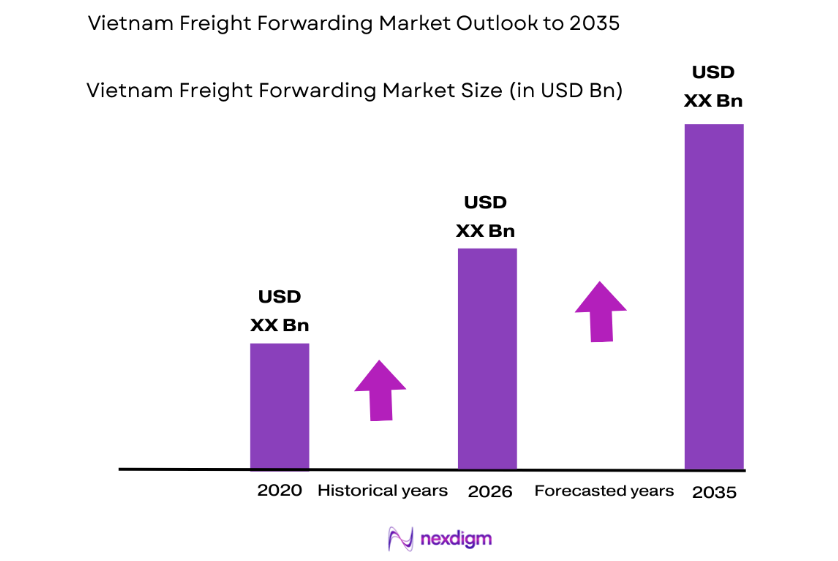
Vietnam’s freight forwarding market demonstrates strong scale within Southeast Asia due to the country’s export-oriented manufacturing ecosystem and growing cross-border trade flows. Based on a recent historical assessment, the Vietnam freight forwarding market generated approximately USD ~ billion in revenue according to combined trade and logistics activity data compiled by the Vietnam Logistics Business Association and UNCTAD merchandise trade statistics. Strong international shipping demand from electronics, textiles, footwear, and furniture exports continues to drive forwarding volumes across maritime, air, and multimodal transport channels.
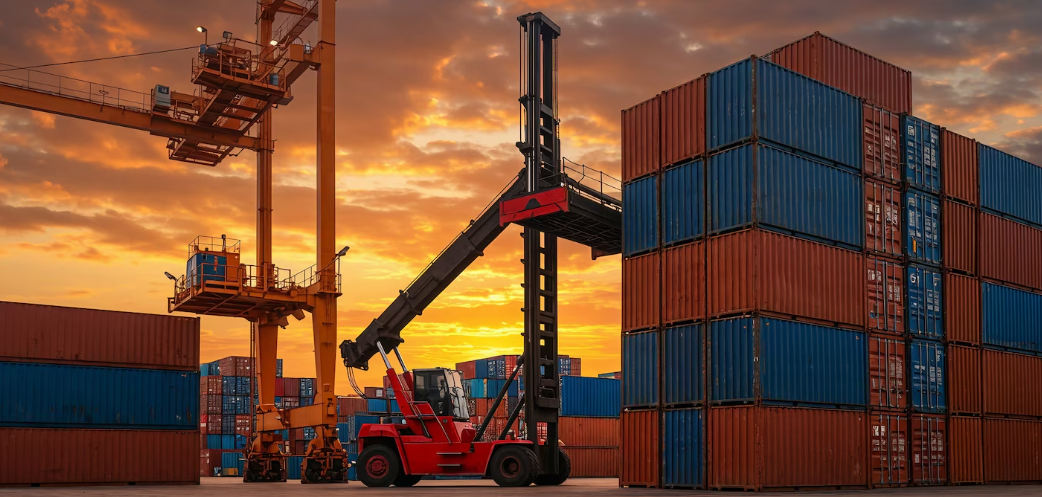
Major logistics activity is concentrated in Ho Chi Minh City, Hanoi, Hai Phong, and Da Nang where industrial zones and international ports support large volumes of containerized trade. Ho Chi Minh City dominates export logistics because of its proximity to manufacturing clusters and the deep-water Cai Mep–Thi Vai port complex, while Hai Phong serves northern industrial corridors supplying electronics and machinery exports. Hanoi functions as a key coordination hub for air freight and customs documentation, while Da Nang strengthens central region logistics connectivity linking industrial parks with international maritime trade routes.
Market Segmentation
By Transport Mode
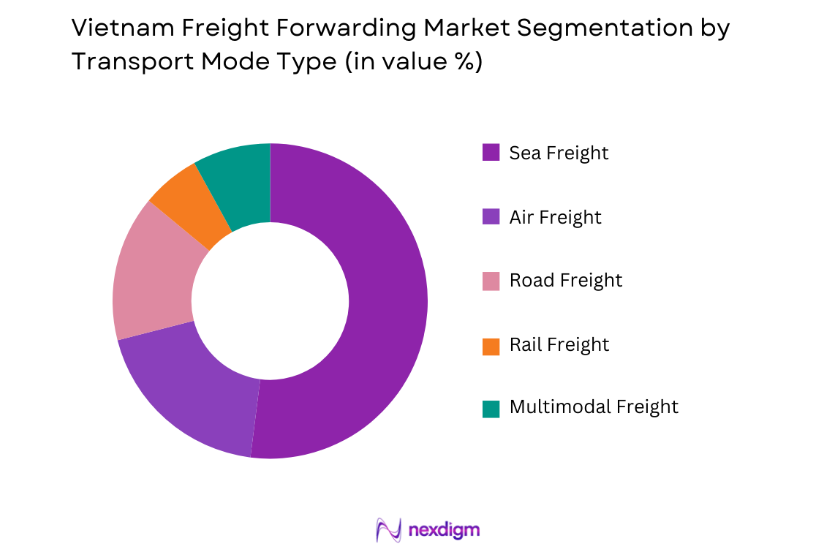
Vietnam Freight Forwarding market is segmented by product type into Sea Freight, Air Freight, Road Freight, Rail Freight, and Multimodal Freight. Recently, Sea Freight has a dominant market share due to factors such as export-driven manufacturing activity, cost efficiency for bulk cargo, and strong port infrastructure along Vietnam’s coastline. Large container volumes associated with electronics, garments, and furniture exports move primarily through maritime shipping routes coordinated by freight forwarders. Vietnam’s strategic location along major global shipping lanes also strengthens maritime logistics connectivity with China, the United States, Europe, and other ASEAN markets. Continuous expansion of container terminals and deep-water port facilities further supports sea freight dominance.
By End-Use Industry
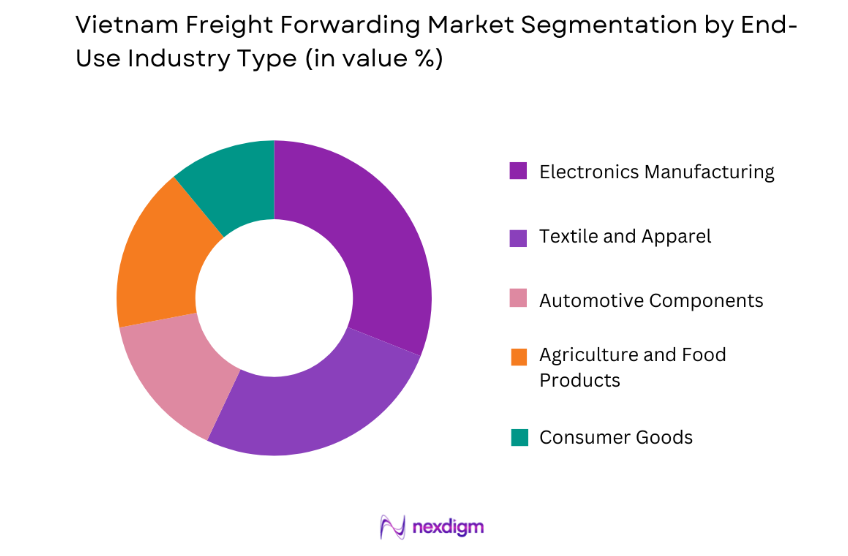
Vietnam Freight Forwarding market is segmented by product type into Electronics Manufacturing, Textile and Apparel, Automotive Components, Agriculture and Food Products, and Consumer Goods. Recently, Electronics Manufacturing has a dominant market share due to strong foreign direct investment from global technology manufacturers and rapid expansion of export-oriented industrial zones. Large electronics production facilities require complex international logistics coordination involving component imports and finished goods exports. Freight forwarders manage customs documentation, container scheduling, and multimodal transport networks connecting factories with international shipping ports. Increasing participation of multinational electronics companies further strengthens demand for specialized forwarding services supporting high-value and time-sensitive cargo shipments.
Competitive Landscape
Vietnam’s freight forwarding market features a mix of global logistics corporations and regional forwarding specialists operating through extensive port and airport logistics networks. Large international logistics firms maintain strong positions due to their integrated transportation infrastructure, digital logistics systems, and global shipping partnerships. However, domestic forwarding companies also maintain competitive advantages in customs brokerage, local regulatory knowledge, and domestic transport coordination. Market consolidation is gradually increasing as global logistics providers expand through acquisitions, partnerships with Vietnamese firms, and investments in warehousing and digital supply chain technologies.
| Company Name | Establishment Year | Headquarters | Technology Focus | Market Reach | Key Products | Revenue | Logistics Network Infrastructure |
| DHL Global Forwarding | 1969 | Germany | ~ | ~ | ~ | ~ | ~ |
| Kuehne + Nagel | 1890 | Switzerland | ~ | ~ | ~ | ~ | ~ |
| DB Schenker | 1872 | Germany | ~ | ~ | ~ | ~ | ~ |
| Nippon Express | 1937 | Japan | ~ | ~ | ~ | ~ | ~ |
| Gemadept Corporation | 1990 | Vietnam | ~ | ~ | ~ | ~ | ~ |
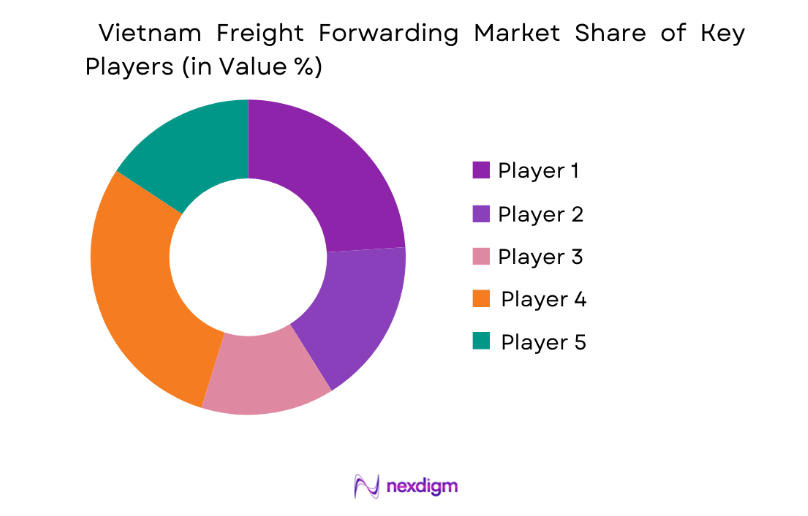
Vietnam Freight Forwarding Market Analysis
Growth Drivers
Expansion of Export Oriented Manufacturing and Global Supply Chain Integration
Vietnam has emerged as one of the most dynamic manufacturing hubs in Asia due to rising foreign direct investment and relocation of production activities from other regional markets. Global technology companies, apparel manufacturers, and consumer goods producers have established large scale production facilities across industrial zones located in northern and southern Vietnam. These factories produce high volumes of export goods that require complex international shipping coordination handled by freight forwarders responsible for documentation, container booking, customs clearance, and transport scheduling. As manufacturing output expands, the logistics sector must support larger cargo volumes moving between industrial parks and international seaports. Freight forwarding companies therefore provide critical coordination between exporters, shipping lines, and customs authorities. Integration of Vietnam into global trade agreements further increases international cargo movements that require professional freight management. Major trade corridors connecting Vietnam with the United States, Europe, and other Asian economies continue generating significant freight forwarding demand. Growing participation in electronics and high value manufacturing supply chains also requires advanced logistics coordination capable of managing time sensitive international shipments.
Growth of E Commerce and Regional Distribution Logistics Networks
Rapid expansion of digital commerce platforms and regional consumer markets is significantly increasing freight transportation requirements across Southeast Asia. Vietnam’s rising internet penetration and growing middle class population are strengthening cross border trade in consumer products ordered through online marketplaces. Freight forwarding companies play a key role in managing international shipping, customs documentation, and distribution logistics associated with e commerce trade flows. Regional distribution centers increasingly depend on professional logistics providers capable of coordinating multimodal transportation networks connecting international suppliers with Vietnamese consumers. Cross border parcel shipments involving electronics, apparel, and household products require sophisticated freight coordination across air cargo and container shipping channels. The growth of digital trade also expands demand for integrated logistics services combining freight forwarding with warehousing and last mile delivery operations. Many international retailers and online marketplaces rely on logistics partners that can manage global procurement supply chains efficiently. These developments significantly increase the importance of freight forwarders in coordinating international cargo movement supporting digital commerce supply networks.
Market Challenges
Infrastructure Bottlenecks and Port Congestion in Major Logistics Gateways
Vietnam’s rapid export growth has created significant pressure on existing port and transport infrastructure across major logistics gateways. Container terminals located in Ho Chi Minh City and Hai Phong frequently experience congestion during peak shipping seasons as manufacturing exports generate extremely high cargo volumes requiring international shipment. Limited road connectivity linking industrial zones with seaports often causes delays in container transport which can disrupt shipping schedules managed by freight forwarding companies. Freight operators must coordinate cargo movement carefully in order to avoid port congestion and vessel scheduling conflicts. Logistics infrastructure expansion projects are underway but capacity constraints continue affecting efficiency across major trade corridors. These infrastructure limitations increase transportation costs and operational complexity for freight forwarding companies responsible for coordinating export shipments. Port congestion also increases cargo dwell times which reduces supply chain efficiency for manufacturers relying on just in time production logistics. As trade volumes continue expanding, logistics infrastructure improvements will be essential for maintaining reliable freight forwarding services.
Regulatory Complexity and Customs Compliance in International Trade Operations
Freight forwarding companies operating in Vietnam must navigate complex customs procedures and international trade documentation requirements that govern cross border cargo movement. Export shipments require detailed documentation including customs declarations, certificates of origin, shipping manifests, and compliance with international trade regulations. Managing these documentation processes can be time consuming and requires specialized knowledge of regulatory frameworks that frequently change as governments update trade policies. Freight forwarders must therefore invest heavily in customs expertise and digital documentation systems capable of ensuring regulatory compliance. Delays in customs clearance can disrupt shipment schedules and increase logistics costs for exporters relying on efficient freight coordination. International trade agreements introduce additional documentation requirements related to tariffs, trade compliance, and supply chain transparency. Freight forwarding companies must continuously update their operational systems in order to comply with evolving customs regulations and cross border trade policies. Regulatory complexity therefore remains a major operational challenge affecting freight forwarding efficiency across international trade networks.
Opportunities
Development of Integrated Logistics Parks and Multimodal Transport Infrastructure
Vietnam’s government and private sector investors are increasingly developing large scale logistics parks designed to integrate warehousing, freight forwarding, and multimodal transportation infrastructure within centralized industrial zones. These logistics complexes enable freight forwarding companies to coordinate cargo consolidation, customs processing, and transportation scheduling within highly efficient distribution hubs located near manufacturing centers. Integrated logistics parks reduce transportation distances between factories and shipping terminals while improving operational efficiency for logistics service providers. Freight forwarders operating within these hubs gain access to advanced cargo handling infrastructure including container terminals, automated warehouses, and digital supply chain management systems. These facilities also improve coordination between trucking operators, shipping lines, and air cargo providers responsible for international freight movement. Expansion of logistics parks across northern and southern Vietnam creates new opportunities for forwarding companies to expand service capabilities and increase shipment processing capacity. Multimodal logistics hubs therefore strengthen Vietnam’s position as a regional trade and logistics center supporting global supply chains.
Adoption of Digital Freight Platforms and Smart Logistics Technologies
Technological innovation is transforming freight forwarding operations through the introduction of digital freight platforms capable of optimizing cargo booking, shipment tracking, and supply chain visibility. Freight forwarding companies are increasingly implementing cloud based logistics systems that enable real time coordination between exporters, carriers, and customs authorities. Digital documentation platforms streamline customs clearance processes while reducing administrative delays associated with international shipping paperwork. Smart logistics technologies including predictive analytics and automated route optimization help forwarders manage transportation schedules more efficiently across complex global shipping networks. These technologies also enable logistics providers to offer enhanced shipment visibility allowing customers to track cargo movement throughout international supply chains. Adoption of digital freight solutions therefore improves operational transparency and reduces logistical inefficiencies across forwarding operations. As Vietnamese exporters increasingly demand reliable logistics coordination, technology driven freight forwarding services will become a critical competitive advantage within the logistics industry.
Future Outlook
Vietnam’s freight forwarding market is expected to strengthen steadily over the coming years as export manufacturing and international trade volumes continue expanding across Southeast Asia. Growing investments in port infrastructure, logistics parks, and digital supply chain technologies are likely to improve freight movement efficiency across the country. Government initiatives supporting trade facilitation and logistics modernization will further enhance the competitiveness of Vietnam’s international logistics sector. Rising participation in global manufacturing supply chains and regional trade networks will continue generating strong demand for freight forwarding services.
Major Players
- DHL Global Forwarding
- Kuehne + Nagel
- DB Schenker
- Nippon Express
- Gemadept Corporation
- CJ Logistics Vietnam
- Yusen Logistics
- Kerry Logistics
- Expeditors International
- CEVA Logistics
- DSV A/S
- Panalpina
- Agility Logistics
- Sinotrans Vietnam
- Transimex Corporation
Key Target Audience
- Logistics infrastructure investors
- International freight forwarding companies
- E commerce distribution companies
- Manufacturing exporters and industrial corporations
- Investments and venture capitalist firms
- Government and regulatory bodies
- Maritime shipping companies
Research Methodology
Step 1: Identification of Key Variables
Key supply chain variables such as freight volume, port throughput, international trade flows, and logistics infrastructure capacity are identified. These variables determine the operational scale of the Vietnam freight forwarding market. Secondary datasets from trade organizations and logistics agencies support the identification process.
Step 2: Market Analysis and Construction
Quantitative trade data, logistics revenue statistics, and supply chain activity indicators are analyzed to construct the market structure. Segmentation is developed based on transport mode and industry demand patterns. Market share estimates are derived through triangulation of industry reports and logistics company disclosures.
Step 3: Hypothesis Validation and Expert Consultation
Industry hypotheses are validated through consultation with logistics professionals, supply chain specialists, and freight forwarding executives operating in Southeast Asia. These experts provide insights into operational dynamics, emerging trade routes, and logistics infrastructure developments influencing the market.
Step 4: Research Synthesis and Final Output
All collected datasets and expert insights are synthesized into a structured analytical framework. The final research output integrates quantitative trade indicators with qualitative logistics industry insights. This process ensures a comprehensive evaluation of the Vietnam freight forwarding market structure and future development trajectory.

- Executive Summary
- Research Methodology (Definitions, Scope, Industry Assumptions, Market Sizing Approach, Primary & Secondary Research Framework, Data Collection & Verification Protocol, Analytic Models & Forecast Methodology, Limitations & Research Validity Checks)

- Market Definition and Scope
- Value Chain & Stakeholder Ecosystem
- Regulatory / Certification Landscape
- Sector Dynamics Affecting Demand

- Growth Drivers
Expansion of export oriented manufacturing across electronics textiles and consumer goods sectors
Growth of cross border e commerce shipments requiring international logistics coordination
Government investments in ports logistics corridors and transport infrastructure - Market Challenges
Port congestion and infrastructure bottlenecks affecting shipment turnaround time
Regulatory complexity in customs documentation and international trade compliance
High operational costs linked to fuel price volatility and logistics capacity constraints - Market Opportunities
Rising foreign direct investment in export manufacturing hubs across northern and southern Vietnam
Expansion of digital freight platforms enabling shipment visibility and logistics optimization
Development of multimodal logistics corridors connecting Vietnam with ASEAN and China - Trends
Adoption of digital freight management platforms and real time cargo tracking systems
Increasing integration of freight forwarding with third party logistics and supply chain services - Government Regulations
- SWOT Analysis
- Porter’s Five Forces

- By Market Value, 2020-2025
- By Installed Units, 2020-2025
- By Average System Price, 2020-2025
- By System Complexity Tier, 2020-2025

- By System Type (In Value%)
Air Freight Forwarding
Sea Freight Forwarding
Road Freight Forwarding
Rail Freight Forwarding
Multimodal Freight Forwarding - By Platform Type (In Value%)
Domestic Freight Forwarding
International Freight Forwarding
Cross Border E Commerce Logistics
Integrated Logistics Platforms - By Fitment Type (In Value%)
Contract Logistics Services
Spot Freight Forwarding
Project Cargo Forwarding
Express Freight Services - By End User Segment (In Value%)
Manufacturing and Industrial Exporters
Retail and E Commerce Companies
Agriculture and Commodity Exporters

- Market Share Analysis
- Cross Comparison Parameters (Service Portfolio, Geographic Network Coverage, Digital Freight Platform Capability, Multimodal Logistics Integration, Customs Brokerage Expertise, Pricing Strategy, Strategic Partnerships)
- SWOT Analysis of Key Competitors
- Pricing & Procurement Analysis
- Key Players
DHL Global Forwarding
Kuehne + Nagel
DB Schenker
Dimerco Express Group
Expeditors International
Nippon Express
CJ Logistics
Sotrans Logistics
Gemadept Logistics
Transimex Corporation
ITL Corporation
Saigon Newport Logistics
Yusen Logistics
CEVA Logistics
Sinotrans Limited

- Export manufacturers rely on freight forwarders to coordinate international shipments and customs documentation
- Retail and e commerce firms depend on integrated forwarding services for cross border fulfillment operations
- Agricultural exporters require temperature controlled and bulk shipment forwarding solutions
- Industrial suppliers use multimodal freight forwarding for cost efficient regional distribution

- Forecast Market Value, 2026-2035
- Forecast Installed Units, 2026-2035
- Price Forecast by System Tier, 2026-2035
- Future Demand by Platform, 2026-2035


 Request a Sample
 Ask for Customization
 Get a Quote
 Enquire Now