
 Download PDF
Market Overview
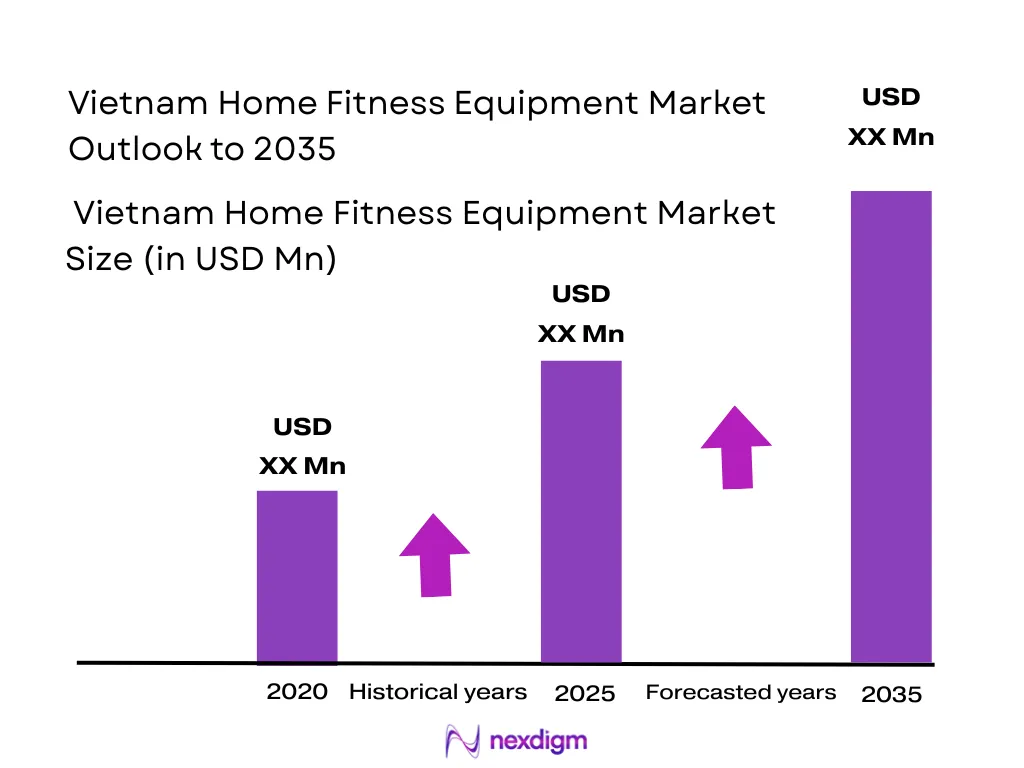
The Vietnam home fitness equipment market is valued at approximately USD ~ million in 2024. This market has been significantly influenced by a growing awareness of health and fitness, rising disposable incomes, and a shift towards healthier lifestyles. The COVID-19 pandemic accelerated the adoption of home fitness solutions, with more consumers opting for in-home exercise equipment due to lockdowns and restricted access to gyms. Additionally, the increasing popularity of fitness-related mobile apps and smart technology integration in fitness equipment is further contributing to market growth. The demand for connected fitness solutions, such as smart treadmills, exercise bikes, and other IoT-enabled devices, is a major driver of the market. With continuous advancements in fitness technology, this market is expected to see sustained growth.
Hanoi, Ho Chi Minh City, and Da Nang are the dominant cities driving the growth of the home fitness equipment market in Vietnam. Ho Chi Minh City, being the largest urban center, leads the market due to its high concentration of working professionals who are more likely to invest in home fitness solutions due to time constraints and increasing health awareness. Hanoi, with its expanding middle class and growing disposable income, follows closely. Da Nang, with its increasing focus on wellness tourism and a rising number of young professionals, also contributes significantly to the market’s growth. The urbanization rate in these cities, combined with the increasing trend of health consciousness among the population, makes them key drivers of the market’s growth.
Market Segmentation
By Product Type
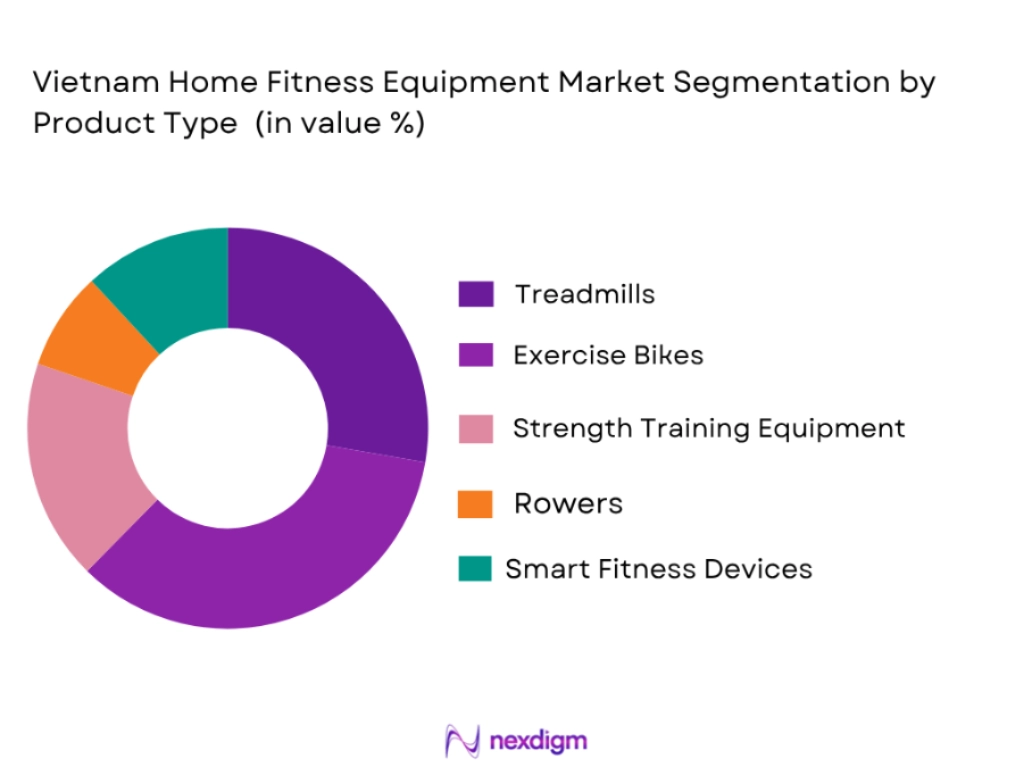
The Vietnam home fitness equipment market is primarily segmented into the following product types: treadmills, exercise bikes (spin, upright, recumbent), strength training equipment (home gyms, free weights), rowers, and smart fitness devices (connected equipment, AI-enabled). Among these, exercise bikes, particularly spin bikes and upright bikes, dominate the market due to their affordability, ease of use, and compact design, making them ideal for smaller living spaces in urban areas. The trend towards functional fitness and cardiovascular training further bolsters the popularity of exercise bikes in the region.
By End User
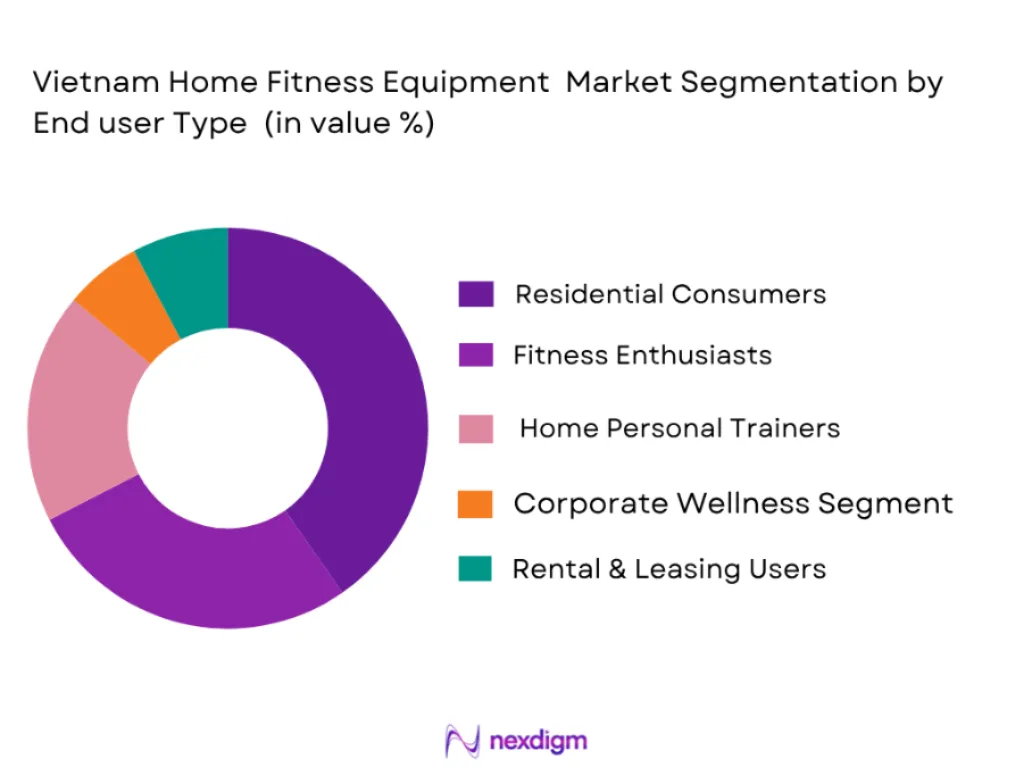
The market is segmented by end user into residential consumers, fitness enthusiasts, home personal trainers, corporate wellness programs, and rental/leasing users. Residential consumers represent the largest segment, as more individuals are opting for home fitness solutions driven by convenience, privacy, and the increasing influence of digital fitness platforms. Fitness enthusiasts, on the other hand, seek more advanced equipment with specific features such as connectivity and performance tracking, contributing to the growth of the smart fitness segment.
Competitive Landscape
The Vietnam home fitness equipment market is dominated by a mix of local and international players. Leading companies include Technogym, Life Fitness, Johnson Health Tech, Nautilus, and SOLE Fitness. These companies benefit from their established brand presence, comprehensive product portfolios, and distribution networks. International brands such as NordicTrack and ProForm have also made significant inroads into the market through their robust e-commerce platforms and strategic partnerships with local distributors. The competitive landscape shows a trend toward differentiation through connected fitness technology, offering smart devices that cater to the growing demand for fitness apps and interactive training solutions.
| Company Name | Establishment Year | Headquarters | Product Portfolio | Distribution Channels | Market Focus | R&D Investment |
| Technogym | 1983 | Italy | ~ | ~ | ~ | ~ |
| Life Fitness | 1990 | USA | ~ | ~ | ~ | ~ |
| Johnson Health Tech | 1975 | Taiwan | ~ | ~ | ~ | ~ |
| Nautilus | 1986 | USA | ~ | ~ | ~ | ~ |
| SOLE Fitness | 2001 | USA | ~ | ~ | ~ | ~ |
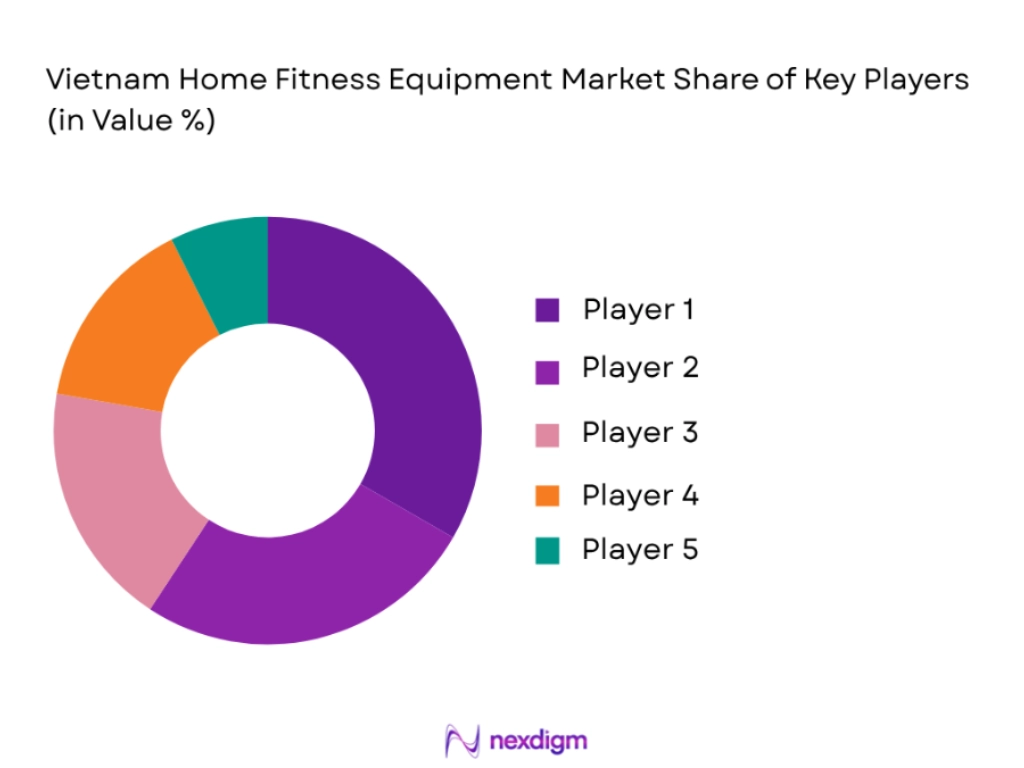
Vietnam Home Fitness Equipment Market Analysis
Growth Drivers
Urbanization & Health Awareness
Urbanization is one of the key drivers of the home fitness equipment market in Vietnam. The country’s urban population is growing rapidly, with nearly 38% of Vietnam’s population living in urban areas in 2022, according to the World Bank. This number is expected to increase further as more people migrate to cities in search of better job opportunities and improved living standards. As urban dwellers lead more sedentary lifestyles due to long working hours, there is a growing awareness of health and fitness. The demand for home fitness equipment is rising as people prefer the convenience of working out at home, especially in densely populated urban centers like Hanoi and Ho Chi Minh City. In addition, health-consciousness is growing among Vietnamese consumers, with a rise in spending on fitness-related products, driven by increased public awareness about the risks of sedentary lifestyles. The rising incidence of obesity and related diseases in urban areas has also contributed to this shift.
Increasing Disposable Incomes
Vietnam’s rapidly growing middle class is one of the primary factors influencing the home fitness equipment market. The country’s GDP per capita has increased steadily, with Vietnam’s GDP per capita reaching USD 4,500 in 2023, according to the World Bank. This increase in income levels has given consumers greater purchasing power, particularly in urban regions. As disposable incomes rise, Vietnamese consumers are more willing to invest in personal well-being and health, including fitness equipment for home use. This growth in disposable income, particularly in younger, urban households, is allowing more people to opt for higher-end fitness devices and smart connected fitness equipment. Furthermore, Vietnam’s increasing focus on the health and wellness sector is aligned with government-led initiatives to promote healthy living and physical activities.
Challenges
Import Tariff Structures and FX Volatility
The Vietnamese home fitness equipment market faces challenges related to import tariffs and foreign exchange (FX) volatility. Many fitness equipment brands in Vietnam are imported from overseas, primarily from countries like China, the United States, and Japan. According to data from the Vietnam Ministry of Finance, the import tariff for fitness equipment in Vietnam can reach as high as 25% for certain categories, which significantly impacts the pricing of imported products. Moreover, the Vietnamese dong has been facing fluctuations against major currencies, particularly the US dollar, which can result in higher costs for imports. For instance, the Vietnamese dong depreciated by 2.3% against the US dollar in 2022, adding pressure on the cost of imported fitness equipment. These factors contribute to higher retail prices and can make fitness equipment less affordable, especially for the price-sensitive consumer segments.
Supply Chain Bottlenecks
The home fitness equipment market in Vietnam is heavily impacted by global supply chain bottlenecks. The COVID-19 pandemic has caused significant disruptions in manufacturing and logistics, which continue to affect the availability of home fitness products in the country. Supply chain delays have led to inventory shortages and longer delivery times. According to the Vietnam General Statistics Office, the logistics industry experienced a slowdown in 2022, with import and export operations facing challenges due to port congestion and labor shortages. As the demand for home fitness equipment continues to grow, these supply chain issues make it difficult for retailers and manufacturers to keep up with consumer demand. Furthermore, raw material shortages for equipment production have been reported globally, impacting the local market as well. The recovery of the global supply chain is expected to take time, with delays expected to persist into 2024.
Opportunities
AI / IoT Enabled Fitness Solutions
AI and IoT-enabled fitness solutions represent a significant growth opportunity for the Vietnam home fitness equipment market. The adoption of smart fitness devices, such as AI-powered exercise machines and IoT-connected wearable fitness trackers, has been growing globally, including in Vietnam. According to the Vietnam Internet Network Information Center, the country has over 72 million internet users, with 68% of the population using mobile devices to access online content. This high penetration of mobile internet opens up opportunities for fitness equipment manufacturers to integrate advanced features like live coaching, real-time performance tracking, and virtual training sessions into their products. The demand for smart fitness devices, which allow users to track their fitness progress and access personalized workout routines, is expected to increase as consumers seek more interactive and tech-driven fitness experiences at home. This trend aligns with the growing health-consciousness in the country and the preference for digital solutions that provide more engaging and customized fitness experiences.
Fitness Subscription Ecosystems
The increasing trend of fitness subscription ecosystems presents a major growth opportunity in the Vietnam home fitness market. Subscription-based models, which offer access to virtual workouts, on-demand training sessions, and live classes, are gaining popularity worldwide, including in Vietnam. In 2022, Vietnam’s internet penetration reached 72%, with a growing interest in online fitness content. According to the Vietnam Digital Economy Report 2023, 45% of urban internet users in Vietnam had subscribed to at least one online fitness service in 2022, which demonstrates a shift toward digital fitness solutions. As more consumers opt for at-home fitness experiences, the subscription-based model is expected to grow, providing consumers with flexible and affordable ways to stay fit. The ability to access fitness services from home, especially after the pandemic, is a key factor in this shift. Additionally, partnerships between fitness equipment manufacturers and fitness app providers will further drive the growth of fitness subscription ecosystems.
Future Outlook
Over the next five years, the Vietnam home fitness equipment market is expected to show significant growth driven by continuous government support, advancements in fitness technology, and increasing consumer demand for eco-friendly and efficient fitness solutions. As more consumers embrace a fitness-oriented lifestyle, especially in urban centers, the market will continue to expand. The demand for smart fitness devices that integrate with mobile apps and offer personalized training experiences will be a major growth driver. Additionally, as online retail platforms become more popular for purchasing fitness equipment, accessibility and convenience will further fuel market growth.
Major Players
- Technogym
- Life Fitness
- Johnson Health Tech
- Nautilus
- SOLE Fitness
- NordicTrack
- ProForm
- BH Fitness
- Xterra Fitness
- Matrix Fitness
- Force USA
- Decathlon Vietnam (Domyos)
- Body-Solid
- Schwinn Fitness
- Reebok Fitness
Key Target Audience
- Investment and Venture Capitalist Firms
- Government and Regulatory Bodies
- Fitness Equipment Manufacturers
- Fitness Equipment Distributors and Retailers
- E-commerce Platforms
- Corporate Wellness Program Managers
- Gym and Fitness Club Owners
- Private Home Fitness Centers
Research Methodology
Step 1: Identification of Key Variables
The first step involves defining the key parameters that influence the Vietnam home fitness equipment market. This includes market trends, growth drivers, and challenges, alongside key market segments such as product types and end users. Desk research, supported by proprietary databases, forms the basis for the ecosystem map.
Step 2: Market Analysis and Construction
This step includes the compilation and analysis of historical data on market dynamics, including sales figures, consumer preferences, and the penetration of various types of fitness equipment. The focus will be on the segmentation and trends emerging in the consumer behavior towards home fitness products.
Step 3: Hypothesis Validation and Expert Consultation
Expert interviews with industry stakeholders, including fitness equipment manufacturers, retailers, and distributors, will be conducted. Insights will be gathered through consultations with industry professionals to validate assumptions and refine the market model.
Step 4: Research Synthesis and Final Output
The final stage will involve synthesizing the data collected from various sources, including market reports, interviews, and expert consultations. This will culminate in a validated, comprehensive market report providing insights and actionable recommendations for stakeholders.

- Executive Summary
- Research Methodology (Market Definitions and Assumptions, Abbreviations, Data Triangulation Approach, Primary & Secondary Research Mix, Sample Frame by Channel and Consumer Cohort, Market Sizing and Forecasting Model, CAGR Validation Protocol, Limitations and Data Convergence Confidence)

- Definition and Scope
- Genesis and Evolution of Home Fitness Adoption in Vietnam
- Digital Fitness Integration and Consumer Behavior Shifts
- Economic and Lifestyle Drivers Affecting Home Fitness Purchases
- Market Value Chain – From OEM to End Consumer
- Distribution Infrastructure Overview

- Growth Drivers
Urbanization & Health Awareness
Increasing Disposable Incomes
Remote Work Culture & Home Lifestyle Trends
Emergence of Fitness Tech and Connected Platforms - Challenges
Import Tariff Structures and FX Volatility
Supply Chain Bottlenecks - Growth Opportunities
AI / IoT Enabled Fitness Solutions
Fitness Subscription Ecosystems
Brand Partnerships with Digital Health Platforms
Localized Contract Manufacturing for Cost Optimization - Market Trends
Shift Toward Smart / Connected Equipment
Fitness as a Service (Subscription Models)
Social Commerce & Influencer‑Led Purchases
Hybrid Retail Experiences (Omni‑channel Fit) - GOVERNMENT REGUATIONS
- SWOT Analysis
- Porter’s Five Forces

- By Revenue, 2020-2025
- By Unit Shipments, 2020-2025
- By Average Selling Price, 2020-2025
- By Channel Contribution, 2020-2025

- By Product Type (In Value %)
Treadmills
Exercise Bikes
Strength Training Equipment
Rowers
Smart Fitness Devices - By End User (In Value %)
Residential Consumers
Fitness Enthusiasts
Home Personal Trainers
Corporate Wellness Segment
Rental & Leasing Users - By Distribution Channel (In Value %)
E‑commerce Platforms
Specialized Fitness Retailers
Multi‑brand Sports Chains
Direct‑to‑Consumer
Second‑hand & Used Equipment Channels - Price Tier (In Value %)
Value / Budget Segment
Mid‑Tier Mainstream
Premium / Connected Fitness Segment
Luxury / Bespoke Installations - By Geographic (In Value %)
Northern Vietnam
Central Vietnam
Southern Vietnam

- Market Share Analysis – By Revenue / Volume
By Product Category
By Distribution Channel
- Cross Comparison Parameters(Company Overview, Brand Portfolio & SKU Depth, Production Capabilities, Sales & Distribution Reach, Channel Mix, Pricing Architecture & ASP Trends, Digital Fitness Services Integration, After‑sales Service Network,
Marketing and Brand Positioning Metrics, Supply Chain Resilience Score, R&D
Investments & New Product Introductions, Strategic Partnerships & Alliances,
Financial Metrics) - SWOT Profiles of Key Competitors
- Pricing & SKU Mapping Across Channels
- Major Competitors (Detailed Profiles)
Technogym
Life Fitness (GF Strong Intl Presence)
Johnson Health Tech (Horizon / Vision)
Nautilus (Bowflex / Schwinn)
SOLE Fitness
NordicTrack / ICON Health & Fitness
ProForm
BH Fitness
Xterra Fitness (East Asia Focus)
Matrix Fitness
Force USA
Decathlon Vietnam (Domyos)
Local OEM / Private Label Manufacturers
E‑commerce Brands (Lazada / Tiki / Shopee Featured Fitness Brands)
Boutique Connected Fitness Entrants

- Market Demand and Utilization Patterns
- Purchasing Power and Budget Allocation
- Regulatory and Compliance Requirements for End Users
- Needs, Desires, and Pain Points Analysis
- Decision-Making Process and Influencers

- By Revenue, 2026-2035
- By Unit Shipments, 2026-2035
- By Average Selling Price, 2026-2035
- By Channel Contribution, 2026-2035


 Request a Sample
 Ask for Customization
 Get a Quote
 Enquire Now