

 Download PDF
Market Overview
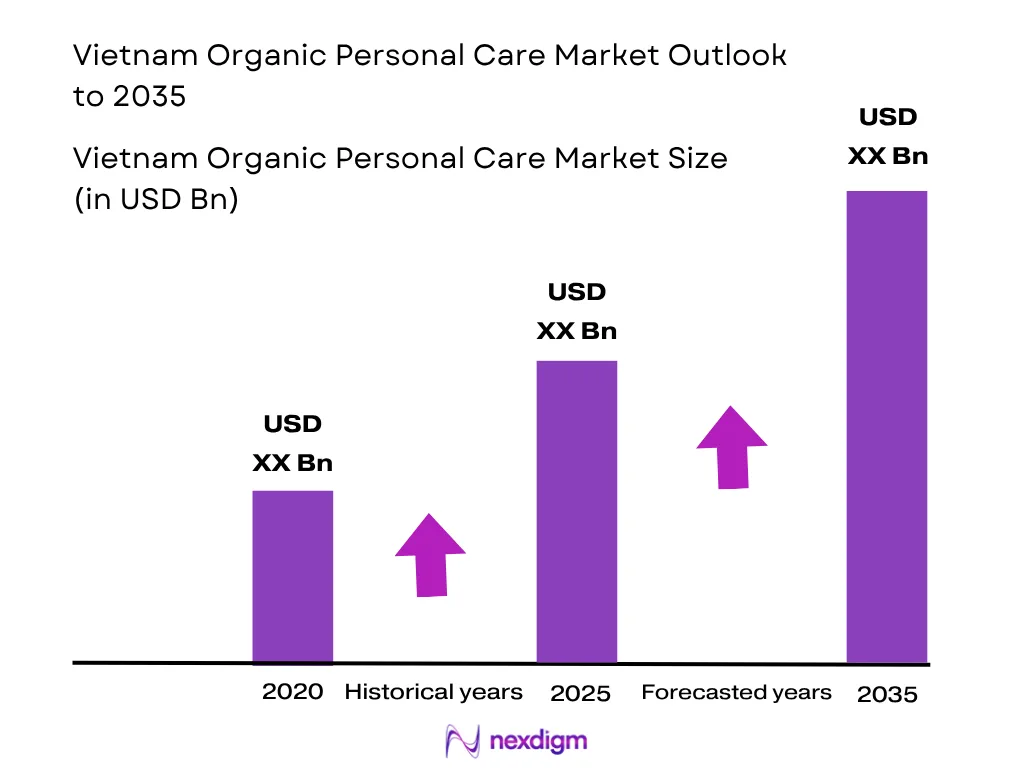
The Vietnam organic personal care market is valued at USD ~ billion. The rapid growth of this market is attributed to increasing consumer preference for natural and eco-friendly products. Health and wellness trends, growing environmental consciousness, and a rising demand for cruelty-free products have been significant drivers. Additionally, the market benefits from a shift towards cleaner beauty products, especially among millennials and Gen Z consumers, who are more inclined toward organic alternatives.
Hanoi and Ho Chi Minh City dominate the Vietnam organic personal care market due to their high population density, urbanization, and increasing purchasing power. These cities are hubs for retail activity, with a strong presence of organic and natural beauty brands. The local demand for organic personal care products is driven by an increasing awareness of skincare and the availability of international and domestic brands that cater to eco-conscious consumers.
Market Segmentation
By Product Type
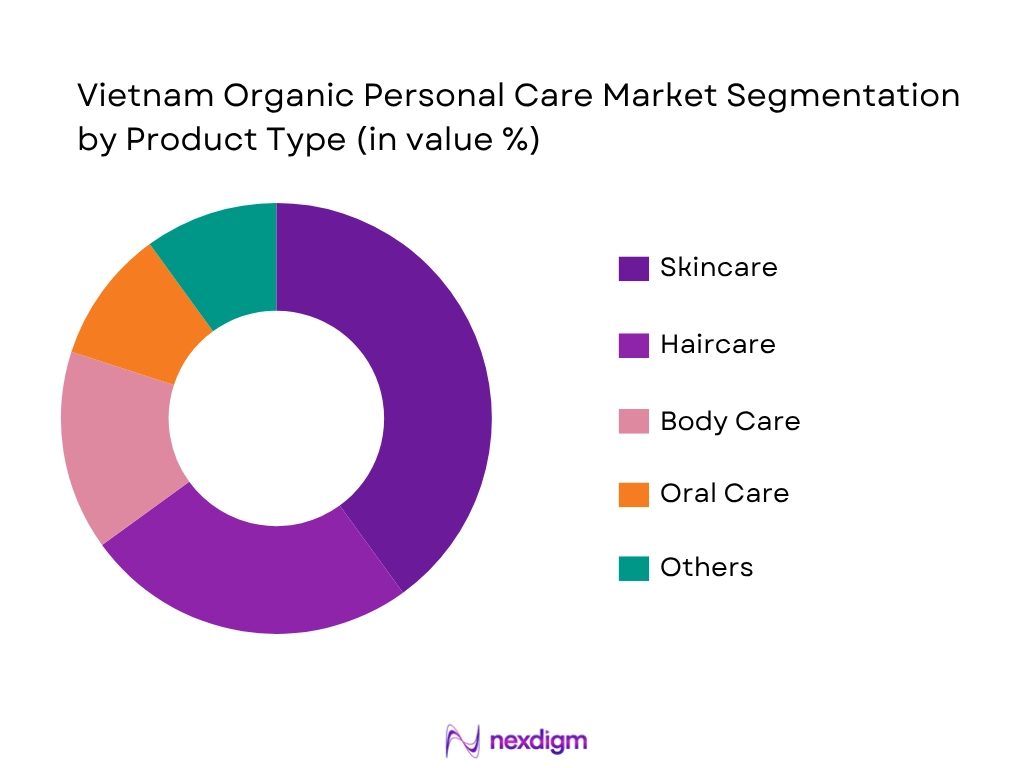
The Vietnam organic personal care market is segmented by product category into skincare, haircare, body care, oral care, color cosmetics, and fragrances. Among these, skincare products dominate the market share. The popularity of organic skincare is fueled by increasing concerns about skin health, pollution, and sensitivity to synthetic chemicals. Products such as organic face creams, cleansers, and sunscreens are particularly sought after due to their perceived natural benefits, and the presence of well-established brands in this segment helps drive consumer trust.
By Consumer Group
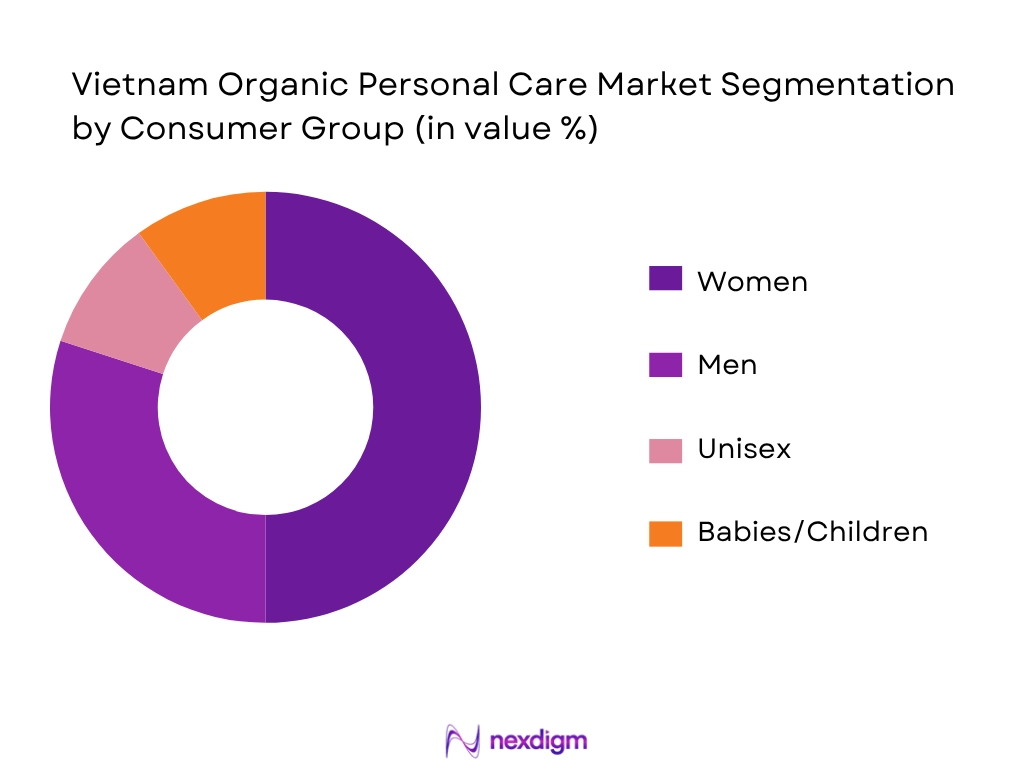
The market is also segmented by consumer group, including women, men, unisex, and babies/children. Among these, women’s products dominate the market due to their higher consumption of personal care products, particularly in skincare and cosmetics. Women’s increasing interest in clean beauty and natural ingredients has significantly impacted the organic personal care market. Many local and international brands cater specifically to women’s skincare needs, thus reinforcing the dominance of this segment.
Competitive Landscape
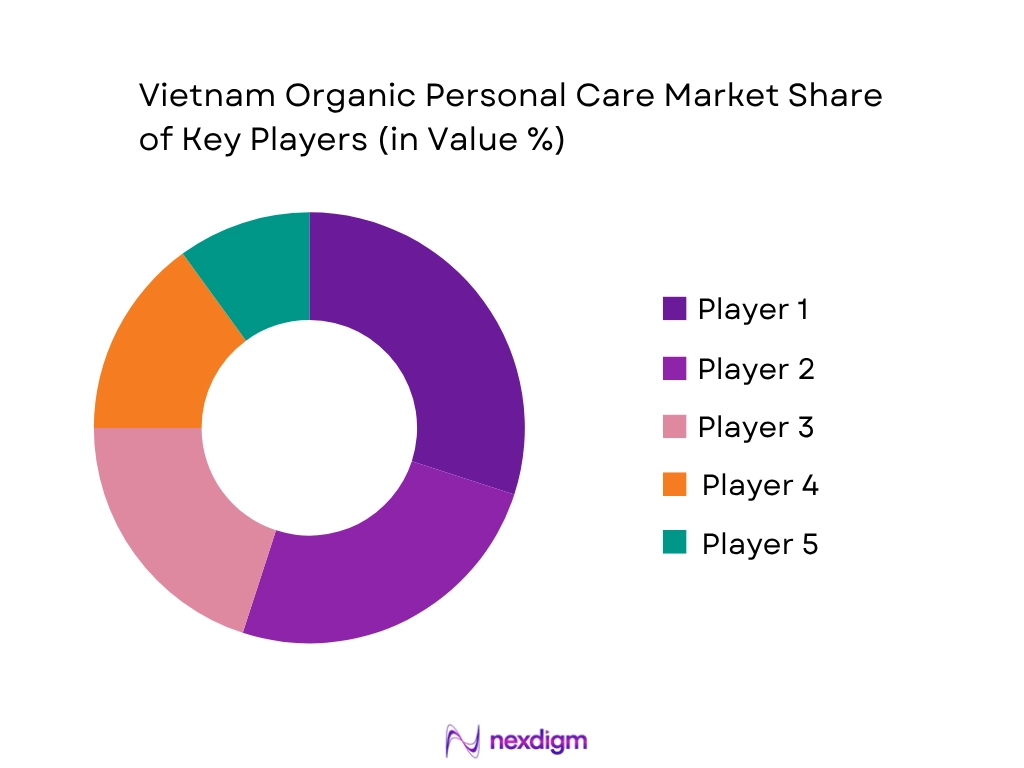
The Vietnam organic personal care market is dominated by a few key players, including local brands such as Cocoon Vietnam and Co-Mem, as well as international brands like The Body Shop and Innisfree. The presence of these companies highlights the growing consumer preference for organic and natural products. Furthermore, the competitive environment is increasingly shaped by these brands’ investments in sustainable sourcing, certifications, and product innovation.
| Company Name | Establishment Year | Headquarters | Product Portfolio | Market Position | Sustainability Initiatives | Distribution Network | R&D/Innovation Focus | Pricing Strategy | Certifications | Partnerships |
| Cocoon Vietnam | 2017 | Hanoi, Vietnam | ~ | ~ | ~ | ~ | ~ | ~ | ~ | ~ |
| Co-Mem | 2015 | Ho Chi Minh City, Vietnam | ~ | ~ | ~ | ~ | ~ | ~ | ~ | ~ |
| The Body Shop Vietnam | 1995 | Ho Chi Minh City, Vietnam | ~ | ~ | ~ | ~ | ~ | ~ | ~ | ~ |
| Innisfree Vietnam | 2006 | Ho Chi Minh City, Vietnam | ~ | ~ | ~ | ~ | ~ | ~ | ~ | ~ |
| Milaganics | 2010 | Hanoi, Vietnam | ~ | ~ | ~ | ~ | ~ | ~ | ~ | ~ |
Vietnam Organic Personal Care Market Analysis
Growth Drivers
Health/Wellness Trends
Vietnam’s health and wellness orientation has been shifting in recent years, with broader consumer behavior increasingly favoring products perceived as safer for personal health. The country’s macroeconomic environment in 2024 reflects continued economic growth, with Vietnam’s gross domestic product reaching approximately USD 476.39 billion and gross domestic product per capita at approximately USD 4,717.3, creating a larger middle class with increasing discretionary spending capacity. This economic backdrop supports rising expenditure on lifestyle and personal wellbeing products rather than basic necessities. Within this context, the beauty and personal care industry has seen the organic and natural segment emerge as a distinct category due to heightened consumer focus on health-conscious choices such as products free from synthetic chemicals. Academic research on consumption behavior in Vietnam also indicates that environmental and health consciousness are pivotal psychological drivers influencing consumer intentions toward green and healthier product categories, including personal care offerings. This trend underscores how Vietnamese consumers’ elevated health awareness, set against a backdrop of economic growth and improved living standards, is reinforcing the demand for organic personal care products that are marketed as gentler and more compatible with wellbeing priorities.
Eco‑Consciousness
Vietnamese consumer eco‑consciousness is gaining traction as sustainability concerns enter mainstream purchasing priorities, shaping demand for environmentally friendly goods. National macro indicators, such as forest area covering 47.4 percent of land, reflect broader environmental contexts in which citizens are increasingly aware of ecological impacts. Public discourse and consumer trend reports note rising engagement with sustainable lifestyle practices such as recycling and plastic reduction, indicating a shift from traditional consumption to choices reflecting environmental preservation values. Industry observations specifically highlight that consumers are more inclined to adopt products perceived as “green” or environmentally responsible in their purchasing decisions. This behavioral shift is particularly pertinent to the organic personal care category, where the environmental impact of conventional products through chemical waste, packaging pollution or depletion of natural resources is increasingly scrutinized. Such eco‑awareness facilitates preference for brands that emphasize sustainable sourcing, biodegradable ingredients, or reduced environmental harm. The resultant consumer preference dynamic places eco‑friendly and organic personal care products in a favorable position within Vietnam’s broader consumer goods market, aligning personal health priorities with environmental stewardship and reinforcing the market’s growth trajectory.
Market Challenges
Higher Price Points
A prevailing challenge in the Vietnam organic personal care market is the premium pricing of organic products compared to conventional alternatives. While Vietnam’s overall economy is expanding with 2024 GDP recorded at USD 476.39 billion and GDP per capita at approximately USD 4,717.3 a significant portion of consumer spending still prioritizes essential goods over higher‑priced discretionary items. For many consumers, particularly in less affluent or rural segments, this economic dynamic limits the willingness to allocate larger portions of household budgets to premium organic personal care products, which often carry higher price tags due to their ingredient sourcing, certification, and production costs. Vietnam’s retail environment also reflects uneven distribution of income and consumption power, with urban centers capturing much of the luxury and premium consumption while regional areas remain more price sensitive. This price sensitivity is compounded by limited scale economies in supply chains for organic products, where smaller production runs and lower throughput contribute to higher end prices. Consequently, despite increasing interest in organic personal care, the relatively higher cost of these products constitutes a market barrier that restricts broader adoption within price‑conscious segments, slowing the pace at which organic alternatives can capture mainstream consumer budgets.
Lack of Organic Certification Awareness
Another significant challenge for the Vietnam organic personal care market is insufficient awareness and understanding of organic certification standards among consumers. Market research on green consumption behavior in Vietnam highlights that while health and environmental concerns influence consumer intentions toward sustainable products, actual purchase behavior remains constrained by limited recognition of certification marks and credible quality signals. In the context of organic personal care products, this gap in certification literacy means consumers may hesitate to trust claims about “organic” or “natural” ingredients, particularly when many products in the market do not carry recognized certification logos or when labeling standards vary. At a macro level, this behavioral constraint limits the clarity and distinction between conventional and certified organic products in the minds of consumers despite rising environmental and health consciousness. Furthermore, limited public and private efforts to educate buyers on the meaning and value of certified organic claims reduce market transparency and create hesitation. Overcoming this education gap is thus critical for enabling organic personal care brands to differentiate themselves and convert consumer interest into purchase decisions grounded in confidence about product authenticity.
Market Opportunities
E‑commerce Expansion
Vietnam’s e‑commerce ecosystem offers a substantial opportunity for organic personal care brands by extending reach beyond traditional retail channels. In 2024, Vietnam’s total e‑commerce market size exceeded USD 24 billion, with retail e‑commerce contributing approximately USD 17 billion, indicating a robust digital marketplace through which consumer goods, including beauty and personal care products are transacted. Smartphone penetration remains high, with an average Vietnamese online shopper spending approximately USD 275 annually on e‑commerce purchases and shopping online about four times per month. These metrics demonstrate that digital retail platforms have become significant conduits for consumer goods distribution, while online health and beauty categories are among the more actively purchased segments by Vietnamese consumers. For organic personal care products, digital marketplaces such as Shopee, Lazada, and TikTok Shop present channels to reach a wider audience, particularly urban consumers who prefer the convenience of online shopping. The digital channel also allows niche and smaller brands to compete against larger players without the overhead of physical store footprints, leveraging targeted digital marketing and data‑driven consumer insights. As internet usage and digital transactions continue to mature, e‑commerce provides an accessible and scalable pathway for organic personal care product adoption across broader demographic segments.
Regional Trade
Vietnam’s integration into regional trade frameworks enhances opportunities for organic personal care product manufacturers to source materials and export finished goods. As an economy deeply engaged in international trade, evidenced by strong export performance exports grew to USD 405.53 billion in 2024 Vietnam benefits from trade agreements that improve market access and supply chain connectivity. Participation in agreements such as the Comprehensive and Progressive Agreement for Trans‑Pacific Partnership (CPTPP) and the Regional Comprehensive Economic Partnership (RCEP) facilitates more efficient cross‑border movement of goods, including cosmetic and personal care ingredients and finished products, by reducing tariffs and aligning regulatory standards. Enhanced regional logistics and trade facilitation also support faster movement of sustainable and organic goods, enabling Vietnamese producers to tap demand in neighboring ASEAN markets and beyond. This environment supports potential growth avenues where organic personal care brands can source cost‑effective natural ingredients from regional partners or export Vietnam‑made organic personal care products to markets with growing demand for sustainable goods. In this way, regional trade frameworks help position Vietnam as both a production hub and distribution node within Southeast Asia for organic personal care products, expanding commercial prospects beyond the domestic market.
Future Outlook
Over the next decade, the Vietnam organic personal care market is expected to experience steady growth. This growth is driven by continued consumer interest in health and wellness, sustainable living, and eco-friendly products. Innovations in organic ingredients, growing demand for cruelty-free options, and the expansion of e-commerce will continue to contribute to market growth. Additionally, the increasing availability of organic products in mainstream retail outlets will help fuel further expansion, particularly in regional markets beyond the major urban centers.
Major Players
- Cocoon Vietnam
- Co-Mem
- The Body Shop Vietnam
- Innisfree Vietnam
- Milaganics
- Saigon Cosmetics
- MOI Cosmetics
- Tami Natural Home
- Heebee Vietnam
- Thorakao
- Green Garden
- Skinna
- OCM Vietnam
- Phan Nu Hoang Cung
- NauNau
Key Target Audience
- Investments and venture capitalist firms
- Government and regulatory bodies (Ministry of Health, Vietnam)
- Large retailers and distributors
- E-commerce platforms
- Organic and natural product manufacturers
- Cosmetic brands (both local and international)
- Environmental organizations focused on sustainability
- Packaging suppliers and recyclers
Research Methodology
Step 1: Identification of Key Variables
The initial phase involves identifying all stakeholders, including manufacturers, suppliers, and regulatory bodies, within the Vietnam organic personal care market. Extensive desk research and secondary data analysis will be conducted to gather comprehensive industry information, including consumer behavior, sales trends, and market drivers.
Step 2: Market Analysis and Construction
This phase will involve the construction of a market model based on historical data, focusing on market penetration, pricing trends, and consumer adoption. Insights into the adoption rates of organic personal care products across various consumer demographics will be key to constructing an accurate market estimate.
Step 3: Hypothesis Validation and Expert Consultation
Expert consultations, including interviews with industry leaders and market players, will be carried out to validate hypotheses developed during earlier stages. This validation process is crucial for confirming the accuracy of market data and identifying potential barriers to growth.
Step 4: Research Synthesis and Final Output
The final output will be synthesized by integrating market data with insights gathered through expert consultations and on-the-ground surveys. This stage ensures that the research findings are comprehensive and reliable, providing a complete picture of the market dynamics.

- Executive Summary
- Research Methodology (Market Definitions and Boundary Conditions, Secondary Research Architecture, Research Framework, Top-to-Bottom Market Sizing Approach, Bottom-to-Top Market Sizing Approach, Forecasting Framework, Data Triangulation and Reconciliation, Assumptions, Limitations, and Validation Notes)

- Definition & Scope
- Market Genesis & Evolution
- Timeline of Major Milestones
- Business Cycle & Industry Lifecycle
- Supply Chain & Value Chain Analysis

- Growth Drivers (Health/Wellness Trends, Eco-Consciousness, Rising Incomes)
- Market Challenges (Higher Price Points, Lack of Organic Certification Awareness)
- Opportunities (E‑commerce Expansion, Regional Trade, Sustainable Sourcing Partnerships)
- Industry Trends (Digital/Retail Shift, Local Botanical Ingredients, Clean/Green Beauty)
- Regulatory & Certification Landscape (ASEAN Cosmetic Regulations, Organic Labeling Gaps)
- SWOT Analysis (Market Strengths, Weaknesses, Opportunities, Threats)
- Stakeholder Ecosystem (Suppliers, Farmers, Retailers, Distributors)
- Porter’s Five Forces Analysis (Competition, Supplier Power, New Entrants, Buyer Power, Substitutes)
- Competitive Ecosystem (Market Concentration, Niche vs Multinational Share)
- Vietnam Organic Personal Care Market Consumer Analysis
- Demographic & Psychographic Profile (Urban Millennials/Gen Z, Health-Conscious Consumers)

- By Value (2020-2025)
- By Volume (2020-2025)
- By Average Selling Price Trends (2020-2025)

- By Product Category (In Value%)
Skincare
Haircare
Body Care
Oral Care
Color Cosmetics
Fragrances - By Consumer Group (In Value%)
Women
Men
Unisex
Babies/Children - By Distribution Channel (In Value%)
Supermarkets/Hypermarkets
Pharmacies/Drugstores
Specialty Beauty Stores
Online/E‑commerce
Direct Selling - By Price Tier (In Value%)
Mass
Premium
Luxury - By Region (In Value%)
Northern Vietnam
Central Vietnam
Southern Vietnam - By Packaging Type (In Value%)
Bottles
Tubes
Refill Packs
Biodegradable/Recyclable Packaging

- Market Share of Leading Players (by Value and Volume)
- Cross-Comparison Parameters (Company Overview, Product Portfolio & Certifications, Distribution Network, R&D/Innovation, Marketing/Brand Strategy, Sustainability Initiatives, Financial Performance, Partnerships)
- Category-Claim Benchmarking (baby-safe, sensitive-skin, lip care, soap, scalp care, deodorant, oral care, sun care)
- SKU Pricing and Pack Architecture Analysis (price per ml, promo depth, assortment ladder, size normalization)
- SWOT of Major Players (Individual Strengths & Weaknesses)
- Detailed Profiles of Major Companies
Cocoon Vietnam
Co-Mem
Thorakao
Saigon Cosmetics
MOI Cosmetics
Tami Natural Home
Heebee Vietnam
Milaganics
The Body Shop Vietnam
Innisfree Vietnam
OCM Vietnam
Phan Nu Hoang Cung
NauNau
Skinna
Green Garden

- Buyer Cohort Profiling (age, income, household type, condition-led needs, wellness orientation)
- Consumer Purchasing Behavior (Online vs Offline Adoption, Brand Loyalty)
- Needs, Preferences & Pain Points (Ingredient Safety Concerns, Label Trust)
- Decision-Making Journey (Influence of KOLs/Media, Social Engagement, awareness source, trial trigger, review influence, conversion friction, repurchase trigger)
- Budget & Spending Patterns (Average Spend per Consumer, Premiumization Trend)
- Retailer and Practitioner Influence (buyer gatekeeping, shelf standards, dermatologist/esthetician/pediatric endorsement)

- By Value (2026-2035)
- By Volume (2026-2035)
- By Average Selling Price (2026-2035)
- By Category Growth Contribution (2026-2035)
- By Channel Growth Contribution (2026-2035)


 Request a Sample
 Ask for Customization
 Get a Quote
 Enquire Now