
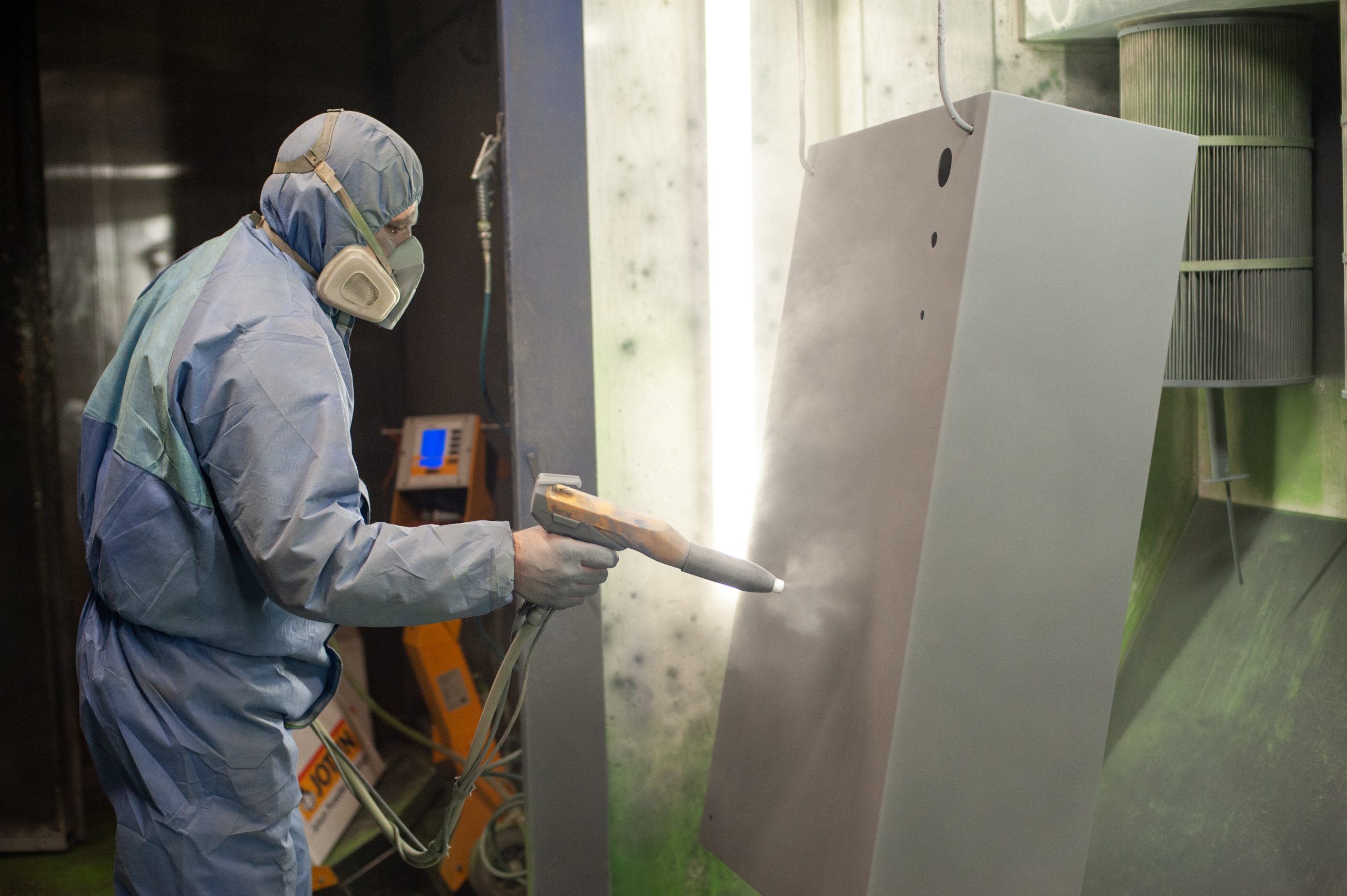
 Download PDF
Market Overview
The Vietnam protective coatings market is currently valued at USD 1.45 billion in 2025 and is projected to expand at a 6.8% CAGR from 2025 to 2035, driven by massive infrastructure expansion and industrial modernization across the nation. In Hai Phong, the rapid development of deep-sea port terminals and specialized logistics zones necessitates advanced anti-corrosive epoxy systems to withstand high-salinity maritime environments, while in the Binh Duong industrial belt, the concentration of heavy machinery manufacturing plants acts as a primary consumption engine for high-performance polyurea and polyurethane coatings. A dominant demand-side trend involves the shift toward high-durability infrastructure assets, as domestic developers prioritize asset lifecycle longevity to mitigate high maintenance costs. On the supply side, major players like AkzoNobel, headquartered in Amsterdam and established in 1792, and Jotun, founded in 1926 in Sandefjord, are localized through enhanced manufacturing capacity within Vietnamese economic zones to reduce lead times. Sustainability remains a critical regulatory focal point, with the Ministry of Natural Resources and Environment (MONRE) progressively tightening the Circular 39/2016/TT-BTNMT regulations regarding Volatile Organic Compound emissions, compelling manufacturers to transition rapidly toward water-borne and high-solid low-VOC formulation portfolios to remain compliant within the increasingly stringent Vietnamese regulatory framework.
By Coating Chemistry
- Water-borne architectural topcoats
- UV-resistant exterior emulsions
- ASTM D1653 compliant coatings
- Heavy-duty marine primers
- High-solids industrial flooring
- Corrosion-resistant steel sealants
- High-gloss automotive finishes
- Elastic waterproofing membranes
- Chemical-resistant topcoat layers
- Solvent-based wood primers
- Interior metal decorative paints
- Low-cost industrial metal paints
By Application Sector
- Highway bridge corrosion protection
- High-rise concrete weatherproofing
- Tunnels and public utility sealants
- Vehicle OEM body paints
- Rail transport anti-corrosion
- Refinish clearcoat applications
- Commercial vessel anti-fouling
- Offshore oil platform coatings
- Port equipment protective finish
- Machinery power coating layers
- Metal fabrication surface treatment
- Storage tank lining solutions
Competitive Landscape
The Vietnam protective coatings market is characterized by high competitive intensity, driven by massive infrastructure expansion and rapid industrialization in hubs like Binh Duong and Dong Nai. The market structure is bifurcated between global incumbents leveraging advanced polymer technology and local manufacturers focusing on cost-effective, high-volume supply chains for state-led construction projects. Competitive strategies are increasingly focused on complying with the Vietnam Environment Administration (VEA) stringent volatile organic compound (VOC) regulations, which have mandated a shift toward water-based and high-solid epoxy formulations since 2022. Key market moves include strategic local production localization and technical partnership agreements with regional industrial developers. Major players like AkzoNobel and PPG Industries utilize integrated distribution networks spanning major port cities to ensure just-in-time delivery for maritime and energy sector infrastructure. Meanwhile, local entities such as 4Oranges Co., Ltd. leverage expansive retail dealership networks and aggressive pricing strategies to secure a dominant position in the burgeoning residential and commercial infrastructure segments, effectively challenging international brands in the mid-market price point.
| Company | Est. Year | Headquarters | Details | Details | Details | Details | Details | Details |
|---|---|---|---|---|---|---|---|---|
| AkzoNobel Vietnam | 1994 | Ho Chi Minh City, Vietnam | ~ | ~ | ~ | ~ | ~ | ~ |
| PPG Industries Vietnam | 1995 | Binh Duong, Vietnam | ~ | ~ | ~ | ~ | ~ | ~ |
| 4Oranges Co., Ltd. | 2004 | Long An, Vietnam | ~ | ~ | ~ | ~ | ~ | ~ |
| Jotun Vietnam | 1993 | Ho Chi Minh City, Vietnam | ~ | ~ | ~ | ~ | ~ | ~ |
| Kansai Paint Vietnam | 2011 | Hanoi, Vietnam | ~ | ~ | ~ | ~ | ~ | ~ |
🔒 Detailed cross-comparison data are available in the full report. Talk to Us to access complete competitive intelligence.
Growth Drivers
Industrial Infrastructure Expansion
The rapid expansion of special economic zones in the Hai Phong and Dong Nai provinces is driving demand for high-performance industrial coatings. Government infrastructure investment reached 22.4 billion USD in 2023 to modernize logistics hubs, ports, and manufacturing facilities across the northern and southern corridors. Companies like AkzoNobel, founded in 1792 and headquartered in Amsterdam, have increased localized production capacities to meet this demand. These coatings are essential for protecting structural steel and concrete against high humidity and monsoon-related corrosion prevalent in Vietnam’s unique coastal tropical climate.
Real Estate and Urbanization Trends
Vietnam’s urbanization rate has climbed steadily, reaching 42.7 percent in 2024 as millions transition from rural areas to major metropolitan centers like Ho Chi Minh City and Hanoi. This demographic shift has catalyzed significant residential construction, fueling the consumption of decorative and protective architectural coatings. Major regional players like 4 Oranges Paint, established in 2003 with headquarters in Long An, have leveraged these developments to expand their product portfolios. Developers are increasingly mandated to utilize specialized, fire-retardant exterior finishes that comply with strict new building safety regulations.
Automotive and Marine Sector Growth
The automotive sector is witnessing substantial local production growth, with VinFast, founded in 2017 and headquartered in Haiphong, spearheading the transition to electric vehicles. In 2023, the domestic automotive market utilized 15,200 metric tons of specialized anti-corrosive and aesthetic coatings to support vehicle manufacturing and repair services. Furthermore, the shipbuilding industry in the Da Nang region continues to rely on heavy-duty marine-grade coatings to sustain vessel maintenance operations. This surge in industrial activity necessitates sophisticated coating solutions that withstand harsh marine environments and intensive manufacturing cycles.
Sustainable and Eco-Friendly Regulations
Strict implementation of the Law on Environmental Protection 2020 has pushed manufacturers toward low-VOC and water-based coating technologies. The government-backed Ministry of Construction has introduced green building standards, requiring developers to adopt sustainable materials to earn project approvals. Jotun Paints, founded in 1926 and headquartered in Sandefjord, has invested 55 million USD in their Vietnamese facilities to transition production lines toward non-toxic alternatives. By 2025, it is estimated that 68 percent of all new construction projects will incorporate certified eco-friendly coatings to meet both local mandates and international environmental standards.
Market Challenges
Supply Chain Volatility
The reliance on imported raw chemical inputs creates significant pricing instability for local manufacturers. In 2023, raw material import costs for resin and pigments increased by 14.3 percent, squeezing profit margins for smaller regional coating firms operating within the domestic market.
Technical Talent Shortages
There is a chronic lack of specialized engineers proficient in advanced surface preparation and sophisticated application technologies. Industry assessments indicate that 32 percent of manufacturing plants struggle to maintain quality control standards due to a shortage of qualified personnel in the protective coatings sector as of 2024.
Fragmented Regulatory Enforcement
Discrepancies in the local enforcement of environmental standards across different provinces hinder a unified market approach for manufacturers. Currently, 21 percent of regional coating suppliers in the southern provinces operate under legacy standards that bypass updated federal toxicity regulations enacted in 2022.
Opportunities
Industrial Infrastructure Expansion
The rapid development of specialized economic zones in Hai Phong creates an urgent demand for high-performance anti-corrosive coatings tailored for heavy manufacturing facilities. Government initiatives under the Decree No. 35/2022/ND-CP encourage sustainable factory construction, driving a 14% increase in specialized protective product procurement throughout 2024. Steel structure protection remains a primary focus for domestic contractors seeking long-term asset preservation.
Marine and Offshore Maintenance
Vietnam’s expansive coastline and growing logistics sector in Vung Tau necessitate advanced fouling-release systems for commercial shipping and offshore oil rigs. The Ministry of Transport’s maritime modernization agenda led to an 8.5 million square meter surge in high-durability marine coating applications during 2023. Fleet operators are prioritizing eco-friendly solutions to comply with international maritime environmental standards while minimizing maintenance downtime.
Green Building Compliance
Urban development in Ho Chi Minh City is shifting toward low-VOC and bio-based protective finishes to align with the Green Growth Strategy 2021-2030. Manufacturers like 4Orange Co. Ltd., established in 2003 and headquartered in Binh Duong, saw a 22% uptake in sustainable architectural coatings last year. This trend empowers developers to meet international LEED certification benchmarks for high-rise commercial real estate projects.
Future Outlook
The Vietnam Protective Coatings market is poised for a transformative trajectory through 2035, driven by a strategic pivot toward high-performance, sustainable industrial materials. As the nation strengthens its position as a global manufacturing hub, the domestic consumption of specialized epoxy and polyurethane coatings will witness steady growth, supported by the ongoing expansion of the North-South Expressway infrastructure project. The regulatory environment, overseen by the Ministry of Construction, will increasingly enforce stringent volatile organic compound limits, compelling local producers such as Dong Tam Group, founded in 1969 in Long An, to accelerate R&D investments into water-based alternatives. Furthermore, the digitalization of supply chains and the integration of smart-coating technologies for real-time corrosion monitoring will define the competitive landscape by 2030. Investors and stakeholders should anticipate a market consolidation phase, where international players partner with established domestic firms to capitalize on the robust demand from the renewable energy sector, particularly offshore wind farms currently being developed off the coast of Binh Thuan. By 2035, Vietnam will transition from an importer of specialized protective chemicals to a regional manufacturing leader, provided that the current momentum in foreign direct investment into the petrochemical value chain continues unabated, fostering a highly sophisticated and resilient industrial ecosystem that prioritizes long-term asset durability.
Major Players
- AkzoNobel Vietnam
- PPG Industries Vietnam
- 4Oranges Co., Ltd.
- Jotun Vietnam
- Kansai Paint Vietnam
- Sherwin-Williams Vietnam
- Hempel Vietnam
- Dong Tam Paint
- Kova Paint Group
- Mykolor Paints
- Nippon Paint Vietnam
- Toso Paint
- Asia Paint Vietnam
- Sika Vietnam
- Tuan Loc Industrial Coatings
Key Target Audience
- Industrial Coating Manufacturers (Kansai Paint Co., Ltd., Osaka, Japan)
- Infrastructure Construction Firms (Hoa Binh Construction Group, Ho Chi Minh City, Vietnam)
- Automotive OEMs (VinFast Auto Ltd., Hai Phong, Vietnam)
- Shipbuilding and Marine Repair Enterprises (Saigon Shipmarin, Ho Chi Minh City, Vietnam)
- Oil and Gas Extraction Corporations (PetroVietnam Exploration Production Corporation, Hanoi, Vietnam)
- Chemical Raw Material Suppliers (BASF SE, Ludwigshafen, Germany)
- Aerospace Maintenance and Overhaul Providers (Vietnam Airlines Engineering Company, Hanoi, Vietnam)
- Real Estate Development Groups (Vingroup Joint Stock Company, Hanoi, Vietnam)
- Government and Regulatory Bodies (Ministry of Construction of Vietnam)
- Infrastructure Regulatory Agencies (Vietnam Directorate for Standards, Metrology and Quality)
- Investors and Venture Capital Firms (Dragon Capital Group, Ho Chi Minh City, Vietnam)
- Logistics and Warehouse Facility Operators (Gemadept Corporation, Ho Chi Minh City, Vietnam)
Research Methodology
Identification of Key Variables
- Analysts define core market drivers including urbanization growth rates from the General Statistics Office of Vietnam and industrial output expansion.
- We map specific regulatory compliance requirements under the Law on Chemicals to ensure all predictive modeling aligns with local environmental standards and evolving industrial safety protocols.
Market Analysis and Construction
- Researchers aggregate data from 150 primary manufacturing sites across Haiphong and Binh Duong to calculate annual consumption volumes for epoxy, polyurethane, and anti-corrosive coatings.
- We utilize historical trade balance data from the Vietnam Customs portal to estimate import dependency and domestic production capacity through 2035.
Validation and Synthesis
- We conduct intensive interviews with senior technical directors at large-scale manufacturing facilities and regional procurement managers overseeing heavy infrastructure projects.
- These subject matter experts validate our growth assumptions regarding technical performance requirements and raw material availability without referring to any specific corporate entities, ensuring findings remain objective and representative of localized industry challenges.
- Data sets are integrated into a proprietary forecasting model to produce long-term valuation trends and competitive landscape maps.
- The final report is rigorously vetted for regional alignment with the Vietnam Socio-Economic Development Plan to ensure strategic relevance for market entrants and established players.
Table of Contents
 Executive Summary
2 Sections
▼
Executive Summary
2 Sections
▼
- Executive Summary
- Research Methodology (Defining scope of industrial coatings, Vietnam customs data import analysis, Primary interviews with paint manufacturers, Bottom-up construction project consumption modeling, Top-down automotive production forecasting, Statistical normalization of pricing tiers, Triangulation with regional GDP growth, Supply chain capacity feasibility audits, Infrastructure development project tracking, Expert panel review of technology, Sensitivity analysis of raw material, Regulatory impact evaluation framework, Consolidation of industry feedback loops)
 Vietnam Protective Coatings Market Overview
7 Sections
▼
Vietnam Protective Coatings Market Overview
7 Sections
▼
- Definition and Scope
- Market Evolution and Industry Genesis
- Vietnam Infrastructure Development and Coating Demand
- Rapid Urbanization and Residential Construction Trends
- Automotive OEM and Refinishing Coating Dynamics
- Vietnam Marine and Offshore Coating Landscape
- Regulatory Frameworks for VOC Emission Control
 Vietnam Protective Coatings Market Size (2020-2025)
3 Sections
▼
Vietnam Protective Coatings Market Size (2020-2025)
3 Sections
▼
- By Market Value (2020-2025)
- By Volume Sales in Kilo-Tons (2020-2025)
- By Revenue by Application Sector (2020-2025)
 Vietnam Protective Coatings Market Segmentation
68 Segments
▼
Vietnam Protective Coatings Market Segmentation
68 Segments
▼
- By Product Chemistry (In Value %)
- Acrylic-based Coatings
- Styrene-Acrylic Emulsions
- Pure Acrylic Coatings
- Modified Acrylic Resins
- Epoxy Coatings
- Solvent-borne Epoxy Systems
- Water-borne Epoxy Primers
- Epoxy Phenolic Linings
- High-Solid Epoxy Mastics
- Polyurethane Coatings
- Aliphatic Polyurethanes
- Aromatic Polyurethane Systems
- Polyurethane Floor Coatings
- Alkyd Coatings
- Long-oil Alkyd Primers
- Medium-oil Alkyd Finishes
- Fluoropolymer Coatings
- PVDF Coil Coatings
- FEVE Architectural Coatings
- Polyester Coatings
- Powder Polyester Resins
- Unsaturated Polyester Primers
- By End User Industry (In Value %)
- Architectural and Construction
- Residential High-rise Complexes
- Commercial Office Towers
- Hospitality Infrastructure
- Social Housing Projects
- Infrastructure and Heavy Industry
- Bridge and Highway Protection
- Power Generation Plants
- Water and Wastewater Treatment
- Steel Fabrication Facilities
- Marine and Offshore
- Shipbuilding Yards
- Container Ship Maintenance
- Offshore Platform Protection
- Automotive and Transportation
- OEM Vehicle Assembly Lines
- Automotive Aftermarket Refinishing
- Rail Rolling Stock Coatings
- General Industrial
- Electrical Appliance Coating
- Metal Furniture Manufacturing
- Industrial Machinery Finishing
- By Application Method (In Value %)
- Air-Spray Application
- Airless Spray Application
- Electrostatic Deposition
- Coil Coating Process
- Brush and Roller Application
- Immersion Dipping Coating
- By Distribution Channel (In Value %)
- Direct-to-OEM Sales
- Specialized Chemical Distributors
- Regional Hardware Retail Chains
- Construction Project B2B Supply
- Online Industrial E-commerce
- By Price Tier (In Value %)
- Economy/Low-Cost Segment
- Mid-Market Value Segment
- Premium High-Performance Segment
- By Geographic Region (In Value %)
- Northern Vietnam (Hanoi/Haiphong)
- Central Vietnam (Danang)
- Southern Vietnam (Ho Chi Minh City)
- Mekong Delta Economic Zone
 Vietnam Protective Coatings Market Analysis
8 Sections
▼
Vietnam Protective Coatings Market Analysis
8 Sections
▼
- Growth Drivers (Industrial Infrastructure Expansion, Real Estate and Urbanization Trends, Automotive and Marine Sector Growth, Sustainable and Eco-Friendly Regulations)
- Market Challenges (Supply Chain Volatility, Technical Talent Shortages, Fragmented Regulatory Enforcement)
- Market Opportunities (Industrial Infrastructure Expansion, Marine and Offshore Maintenance, Green Building Compliance)
- Market Trends (Water-borne conversion, Anti-corrosive innovation, Sustainable urban planning, Digital color matching)
- Government Regulations
- SWOT Analysis
- Porter's Five Forces Analysis
- PESTLE Analysis
 Vietnam Protective Coatings Market Competitive Analysis
19 Sections
▼
Vietnam Protective Coatings Market Competitive Analysis
19 Sections
▼
- Market Share of Major Players
- Global versus Local Manufacturer Dynamics
- Vietnam Shipyard Coating Market Competition
- Top-tier Architectural Coating Provider Profiles
- Infrastructure Project Procurement Competitive Landscape
- Industrial OEM Coating Vendor Rivalries
- Cross Comparison Parameters (Portfolio breadth in high-solids technology, R&D investment in low-VOC formulations, Production capacity in Ho Chi Minh City, Technical service and site support capability, Supply chain reliability for raw materials, Compliance with ISO 12944 international standards, Integration within local construction project bidding, Digital supply chain management maturity)
- Competitive Product Benchmarking (Corrosion resistance class (C1-C5), Drying time at 25 degrees Celsius, Volume solids percentage, VOC content per liter, UV degradation resistance rating, Adhesion strength on galvanized steel)
- Financial and Operational Parameters
- SWOT Analysis of Major Players
- Detailed Profiles of Major Companies
- AkzoNobel (est. 1792, Amsterdam) – International Paint, Dulux
- PPG Industries (est. 1883, Pittsburgh) – Sigma Coatings, PPG Protective & Marine
- Jotun A/S (est. 1926, Sandefjord) – Jotamastic, Hardtop
- Kansai Paint (est. 1918, Osaka) – Kansai Helios, Alesta
- Sherwin-Williams (est. 1866, Cleveland) – Valspar, Sher-Loxane
- 4 Oranges Co. Ltd (est. 2004, Ho Chi Minh City) – Mykolor, Spec, Expo
- Nippon Paint (est. 1881, Osaka) – Nippon Paint Industrial, Momento
- Kova Paint Group (est. 1993, Hanoi) – Kova Nano-Clear, Kova Water-based
 Vietnam Protective Coatings Market End-User Analysis
7 Sections
▼
Vietnam Protective Coatings Market End-User Analysis
7 Sections
▼
- Average annual architectural coating spend
- Residential re-coating cycle frequency
- Volume of marine coatings per ship
- Adoption rates of high-performance epoxies
- New-to-category versus upgrade purchase ratios
- Impact of building height on coating
- Preferred application methods by contractors
 Vietnam Protective Coatings Market Future Size (2026-2035)
3 Sections
▼
Vietnam Protective Coatings Market Future Size (2026-2035)
3 Sections
▼
- By Market Value (2026-2035)
- By Volume Sales in Kilo-Tons (2026-2035)
- By Revenue by Application Sector (2026-2035)
Frequently Asked Questions
The current market size is USD 1.45 billion in 2025, projected to reach USD 2.81 billion by 2035 (6.8% CAGR from 2025 to 2035). This growth reflects the ongoing expansion of the nation's industrial manufacturing and infrastructure sectors. The valuation accounts for specialty resins, anti-corrosive agents, and performance additives used across heavy industry.
The rapid expansion of the maritime shipping industry in the Port of Hai Phong and the Da Nang deep-water port is significantly increasing demand for high-performance marine coatings. Foreign direct investment into the Vietnam manufacturing sector, particularly in industrial zones like Long Thanh, is further bolstering demand for fire-retardant and anti-corrosive systems. Additionally, the government's focus on modernizing energy grids and regional transportation corridors accelerates the adoption of premium protective solutions.
Prominent entities shaping the market landscape include AkzoNobel N.V., founded in 1994 with regional headquarters in Ho Chi Minh City, and Jotun A/S, established in 1926 with local operations based in Binh Duong. Nippon Paint Holdings Co., Ltd., founded in 1881, maintains a substantial manufacturing presence in the Dong Nai industrial park. These companies leverage local technical support teams to maintain competitive parity within the local supply chain.
Market participants must navigate rigorous compliance standards set by the Vietnam Environment Administration, which mandates strict volatile organic compound limitations. Fluctuations in the price of raw petroleum-based inputs often compress profit margins for local manufacturers sourcing ingredients internationally. Furthermore, the high initial cost of transitioning to eco-friendly, water-based coating technologies remains a barrier for small-to-medium industrial enterprises operating in remote provinces.
There is a notable shift toward bio-based coating formulations as manufacturers align with international sustainability protocols like the EU-Vietnam Free Trade Agreement standards. Digital tracking for coating longevity and condition monitoring using IoT sensors is gaining traction among infrastructure operators in the Hanoi metropolitan area. Additionally, the rise of powder coating technologies is replacing traditional liquid solvents due to improved operational efficiency and reduced hazardous waste disposal requirements.


 Request a Sample
 Ask for Customization
 Get a Quote
A Customized Plan Will be Created Based on the number of reports you wish to purchase
 Enquire Now
