

 Download PDF
Market Overview
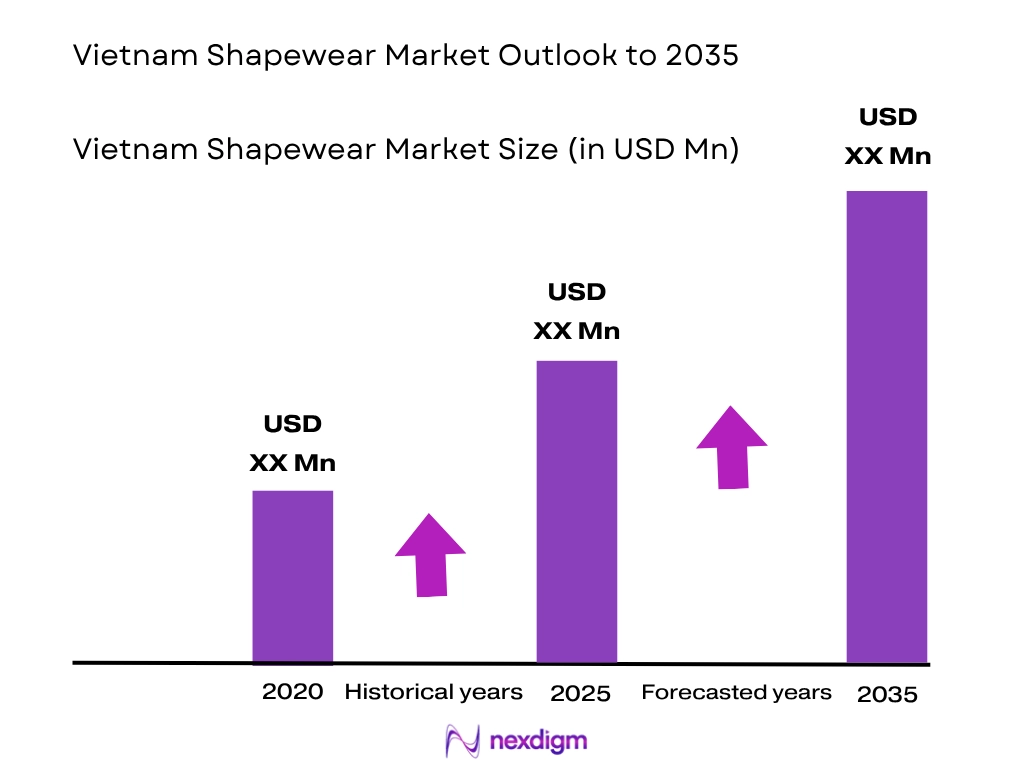
The Vietnam shapewear market is valued at approximately USD ~ million, driven by the rising demand for body-slimming and shaping products. This growth is primarily attributed to changing consumer preferences toward body confidence and increased awareness of functional apparel. The market’s expansion is fueled by the penetration of premium and specialized shapewear, coupled with growing e-commerce platforms that have made these products more accessible. The shift towards online shopping, along with the increasing number of young professionals and postpartum mothers, continues to drive the demand for a wide range of shapewear solutions.
The key players in the Vietnam shapewear market are primarily concentrated in the southern metropolitan region, especially Ho Chi Minh City, due to its thriving retail ecosystem and fashion-forward consumer base. Hanoi in the north also holds a significant share, driven by its premium retail outlets and bridal wear market. In addition, cities like Da Nang and Hai Phong are emerging, thanks to the growth in tourism-related retail and the penetration of online shopping platforms. The dominance of these cities is attributed to their urbanization, higher disposable income, and increasing fashion-conscious consumers.
Market Segmentation
By Product Type
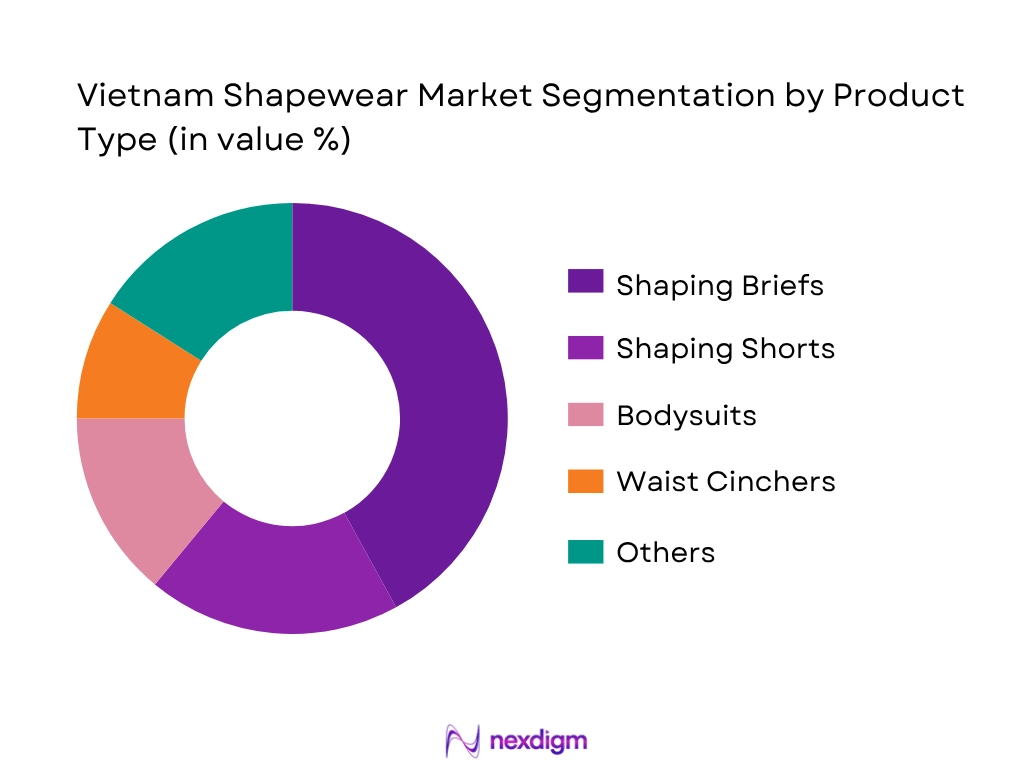
The Vietnam shapewear market is segmented by product type into shaping briefs, shaping shorts, bodysuits, waist cinchers, shaping camisoles, and postpartum corsets. Among these, shaping briefs have a dominant market share. This segment leads due to their widespread appeal for daily wear, offering a balance of comfort and functionality. The shift in consumer preference toward high-waist shaping briefs, often designed for tummy control and no-visible panty lines (no-VPL), contributes to their popularity. Brands like Triumph and Wacoal have capitalized on the demand by offering a range of products that cater to different body shapes and sizes, reinforcing their strong presence in the market.
By Control Level
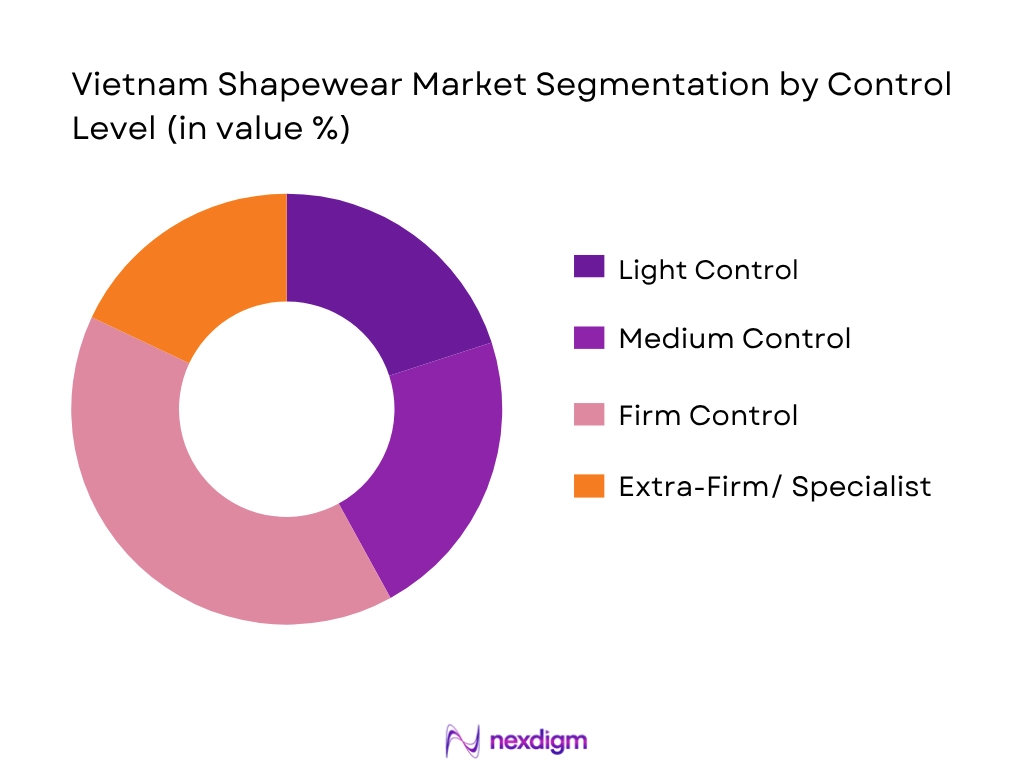
The market is also segmented by control level into light control, medium control, firm control, and extra-firm or specialist control. Firm control shapewear leads this segment, driven by its use in occasion wear such as weddings and parties. These products offer more noticeable body sculpting, which makes them a popular choice among consumers looking for dramatic shaping effects. The preference for firm control items has been bolstered by increasing demand from consumers seeking significant tummy-tucking and body-shaping results, especially for form-fitting clothing and special events.
Competitive Landscape
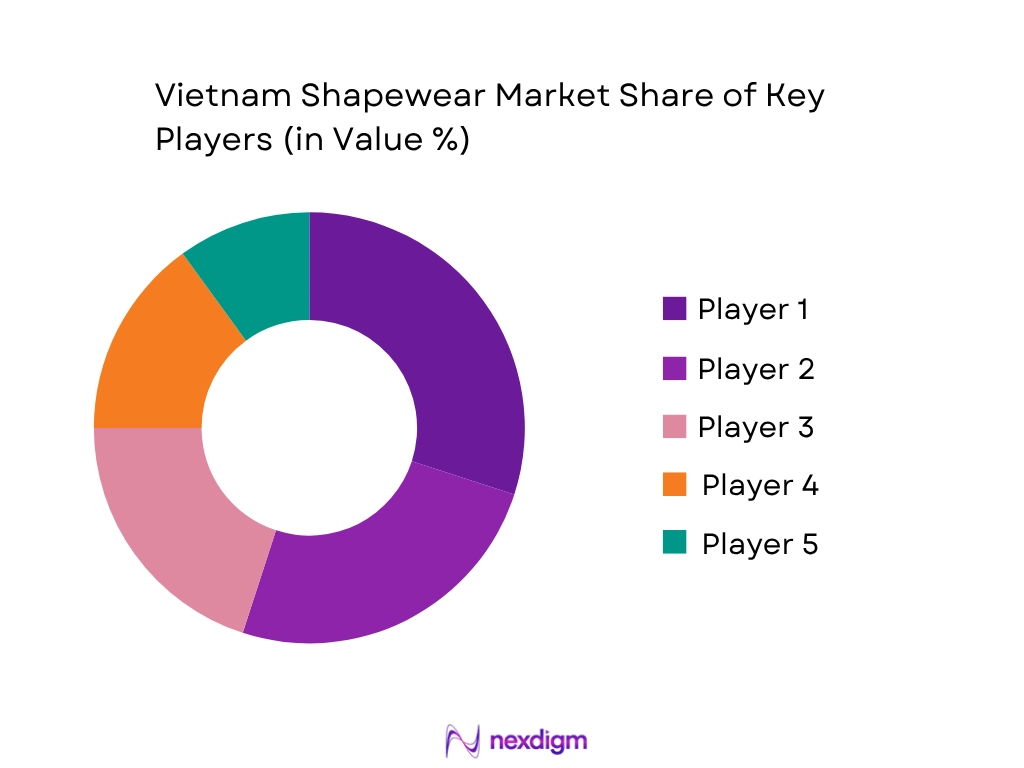
The Vietnam shapewear market is characterized by the presence of both local and international brands, each competing across various price segments. The dominant players in the market include international brands like Triumph, Wacoal, and Sloggi, along with local brands such as VERA and Mialala. These companies have successfully captured market share by offering diverse product ranges, strong brand recognition, and strategic distribution channels. E-commerce platforms have become crucial in amplifying the market reach of these brands, particularly with growing online shopping behavior.
| Company Name | Establishment Year | Headquarters | Target Cohort | Product Types | Market Segment | Distribution Channels |
| Triumph | 1886 | Germany | ~ | ~ | ~ | ~ |
| Wacoal | 1949 | Japan | ~ | ~ | ~ | ~ |
| Sloggi | 1985 | Italy | ~ | ~ | ~ | ~ |
| VERA | 2005 | Vietnam | ~ | ~ | ~ | ~ |
| Mialala | 2015 | Vietnam | ~ | ~ | ~ | ~ |
Vietnam Shapewear Market Analysis
Growth Drivers
Female Workforce
The increasing participation of women in the workforce in Vietnam has significantly contributed to the growth of the shapewear market. As of 2024, the female labor force participation rate in Vietnam stands at approximately 73%, according to the World Bank. This trend indicates a growing number of women actively engaging in professional and social activities that demand clothing solutions such as shapewear. With more women joining the workforce and seeking attire that supports both comfort and professional aesthetics, shapewear is becoming an essential part of their wardrobe. This shift towards professional environments and an active lifestyle is creating a strong demand for functional body-shaping products that can provide support while maintaining a sleek appearance.
Bodycon Fashion
The popularity of bodycon fashion in Vietnam is a significant driver of the shapewear market, as the trend emphasizes form-fitting clothing that accentuates the body’s natural curves. As of 2024, the fashion industry in Vietnam has seen a noticeable rise in demand for bodycon dresses, particularly among women aged 18 to 34. This age group, which constitutes about 35% of Vietnam’s total female population, is embracing more daring and body-conscious styles, such as bodycon dresses and skirts, which require supportive and shaping undergarments. The preference for slimmer silhouettes in both everyday wear and occasion wear has created a significant demand for shapewear products.
Market Challenges
Fit Uncertainty
Fit remains a major challenge for the shapewear market in Vietnam. Despite the growing demand for shapewear, many consumers face difficulties in finding the right fit due to the wide variation in body shapes. According to Vietnam’s General Statistics Office, in 2024, approximately 18% of women report dissatisfaction with the fit of clothing, especially shapewear, due to its tight nature and the varying sizing standards across brands. This challenge is compounded by the lack of standardized sizing systems and difficulties in adjusting to fit different body types. As shapewear is designed to provide compression and shaping, the discomfort associated with poor fit is often cited as a barrier to purchase.
Heat and Humidity Discomfort:
Vietnam’s tropical climate, with high temperatures and humidity, poses a significant challenge for the shapewear market. The average annual temperature in Vietnam in 2024 is expected to be around 27.5°C (81.5°F), with humidity levels exceeding 80% in many urban areas, particularly in the southern regions like Ho Chi Minh City. These weather conditions make wearing shapewear uncomfortable for many consumers, especially during the hot and humid months. According to the Vietnam Meteorological and Hydrological Administration, these environmental factors are leading to consumer concerns about breathability and comfort in shapewear, particularly those made from non-breathable fabrics like nylon and latex. As a result, there is a growing demand for lightweight, breathable, and moisture-wicking shapewear products designed to suit the local climate.
Market Opportunities
Plus-Size Gap
The plus-size segment in Vietnam presents a significant growth opportunity for the shapewear market. In 2024, it is estimated that around 25% of Vietnamese women are classified as overweight or obese according to the World Health Organization, and this percentage has been increasing in recent years due to urbanization, changing diets, and sedentary lifestyles. Despite this growing demographic, there remains a limited availability of shapewear products catering to plus-size individuals. Local and international brands have started to recognize this gap, and retailers are gradually expanding their product offerings to include a wider range of sizes. As consumer awareness of body positivity and inclusivity continues to rise, brands that provide shapewear solutions for plus-size consumers are likely to capture a significant portion of the market in the coming years.
Nude-Shade Localization:
The demand for shapewear in nude shades has also opened up an opportunity for brands to cater to diverse consumer preferences in Vietnam. The population’s diverse skin tones, particularly in regions like the southern Mekong Delta, are driving the need for a wider range of nude-colored shapewear options. As of 2024, research indicates that the demand for products that match specific skin tones is increasing, particularly in online shopping channels where consumers are more likely to search for “nude” or “skin-tone” variants. Shapewear brands that localize their color offerings to match a wider spectrum of Vietnamese skin tones can effectively tap into this growing market segment.
Future Outlook
Over the next decade, the Vietnam shapewear market is expected to show significant growth, driven by increased consumer awareness about body confidence, the rise of body-shaping products, and the growing popularity of e-commerce channels. The trend toward premiumization and functional shapewear is expected to continue, with more consumers opting for products that provide both comfort and shaping benefits. Innovations in fabric technology, including seamless designs and cooling yarns, are expected to fuel growth in the market.
15 Major Players
- Triumph
- Wacoal
- Sloggi
- VERA
- Mialala
- OnOff
- Bon Bon Underwear
- Sabina
- Relax
- Vedette
- Mama’s Choice
- UNIQLO
- Vedette
- KUKU Duckbill
- Inujirushi
Key Target Audience
- Investments and venture capitalist firms
- Government and regulatory bodies (Vietnam Ministry of Industry and Trade)
- Shapewear retailers
- E-commerce platforms
- Health and wellness brands
- Fashion designers and brands
- Fitness centers and wellness centers
- Textile manufacturers
Research Methodology
Step 1: Identification of Key Variables
The initial phase involves mapping all major stakeholders within the Vietnam shapewear market. We conduct extensive desk research using secondary and proprietary data sources to identify key market variables, such as product types, control levels, distribution channels, and market drivers.
Step 2: Market Analysis and Construction
We analyze historical data and conduct segmentation to assess the market structure. This phase also involves calculating the market penetration rates, sales trends, and consumer demand, ensuring a comprehensive understanding of the current market landscape.
Step 3: Hypothesis Validation and Expert Consultation
We validate market hypotheses through consultations with industry experts, including retailers, manufacturers, and supply chain specialists. These consultations help in refining market assumptions and provide insight into market dynamics.
Step 4: Research Synthesis and Final Output
The final phase synthesizes data from both primary and secondary sources, offering an in-depth analysis of market trends, competitive positioning, and consumer behavior, culminating in a validated market forecast and segmentation outlook.

- Executive Summary
- Research Methodology (market definitions, shapewear inclusion-exclusion, HS-code mapping, top-down addressable spend triangulation, bottom-up SKU-storefront crawl, price audit, primary validation, forecast sensitivity, Forecast Framework, Limitations)

- Definition and Scope
- Market Genesis and Adoption Curve
- Value Chain Analysis
- Supply Chain and Trade Structure
- Business Cycle and Seasonality namaste
- Price Architecture
- Channel Landscape

- Growth Drivers (female workforce, bodycon fashion, wedding and occasionwear, digital discovery, premiumization)
- Market Challenges (fit uncertainty, heat and humidity discomfort, counterfeit risk, returns, discount dependency)
- Market Opportunities (plus-size gap, nude-shade localization, seamless innovation, postpartum adjacencies, tier-2 expansion)
- Market Trends (free-cut hems, power-mesh zoning, cooling yarns, cotton gusset, multi-use supportwear)
- Government Regulations and Compliance (label compliance, origin disclosure, textile chemical conformity, platform registration).
- Margin and Channel Economics (gross margin ladder, promo burn, fulfillment cost, return risk)
- Stakeholder Ecosystem (brands, OEM and ODM, importers, marketplaces, KOLs, logistics providers)
- Porter’s Five Forces (supplier intensity, buyer switching, substitute products, entry barriers, rivalry)
- SWOT Analysis (brand trust, fit gaps, channel dependence, white space)

- By Value (2020-2025)
- By Volume (2020-2025)
- By Average Selling Price (2020-2025)
- By Organized vs Unorganized Share (2020-2025)

- By Product Type (In Value%)
Shaping Briefs
Shaping Shorts and Thigh Shapers
Bodysuits and Full-Body Shapers
Waist Cinchers and Waist Trainers
Shaping Camisoles and Slips
Postpartum Corsets and Recovery Shapers
- By Control Level (In Value%)
Light Control
Medium Control
Firm Control
Extra-Firm and Specialist Control - By Price Band (In Value%)
Entry
Mass Premium
Premium
Super Premium and Specialist
- By Distribution Channel (In Value%)
Brand-Owned Stores
Department Stores and Specialty Innerwear Chains
Modern Trade and Supermarket
E-Commerce Marketplaces
Social Commerce and Live-Commerce
Brand D2C Websites - By End Use (In Value%)
Daily Wear Smoothing
Occasion and Bridal Wear
Postpartum Recovery
Post-Surgical Support Adjacent
Active and Athleisure Layering - By Fabric Construction (In Value%)
Seamless Circular Knit
Power Mesh and Panelled Construction
Nylon-Spandex Blends
Cotton-Blended Comfort Construction
Lace-Enhanced and Fashion Shaping
Latex or High-Compression Specialist Build - By Geography (In Value%)
Southern Metropolitan Cluster
Northern Metropolitan Cluster
Central Urban Cluster
Delta and Secondary Cities
Other Provincial Markets

- Market Share of Major Players (value share, volume share, online visibility share)
- Cross Comparison Parameters (compression-level portfolio, seamless vs panel-constructed SKU depth, size-range width, fabric technology mix, average realized selling price and discount depth, marketplace rating-review density, offline touchpoint coverage, import and manufacturing footprint)
- Pricing Analysis by Benchmark SKUs (high-waist brief, shaping short, bodysuit, waist cincher, postpartum corset)
- SKU and Merchandising Benchmarking (hero-SKU depth, color depth, bundle strategy, stock freshness, promo intensity)
- Detailed Profiles of Major Companies
Triumph
sloggi
Wacoal
VERA
ONOFF
iBasic
Bon Bon Underwear
Relax
Sabina
UNIQLO
Vedette
Mialala
Mama’s Choice
KUKU Duckbill
Inujirushi

- Need, Desire, and Pain Point Mapping (flat tummy, no-roll waistband, no visible lines, breathable hold, correct size)
- Purchase Triggers and Conversion Drivers (sale festivals, outfit-specific need, KOL demos, peer reviews, repeat familiarity)
- Budget Allocation and Spending Ladder (trial basket, core repeat basket, premium upgrade path)
- Decision-Making Journey (search, compare, size-check, live demo, cart conversion, repeat purchase)
- Retention and Repeat Purchase Behaviour (size consistency, fabric satisfaction, loyalty perks, replenishment cadence)

- By Value (2026-2035)
- By Volume (2026-2035)
- By Average Selling Price (2026-2035)
- By Organized vs Unorganized Share (2026-2035)


 Request a Sample
 Ask for Customization
 Get a Quote
 Enquire Now