
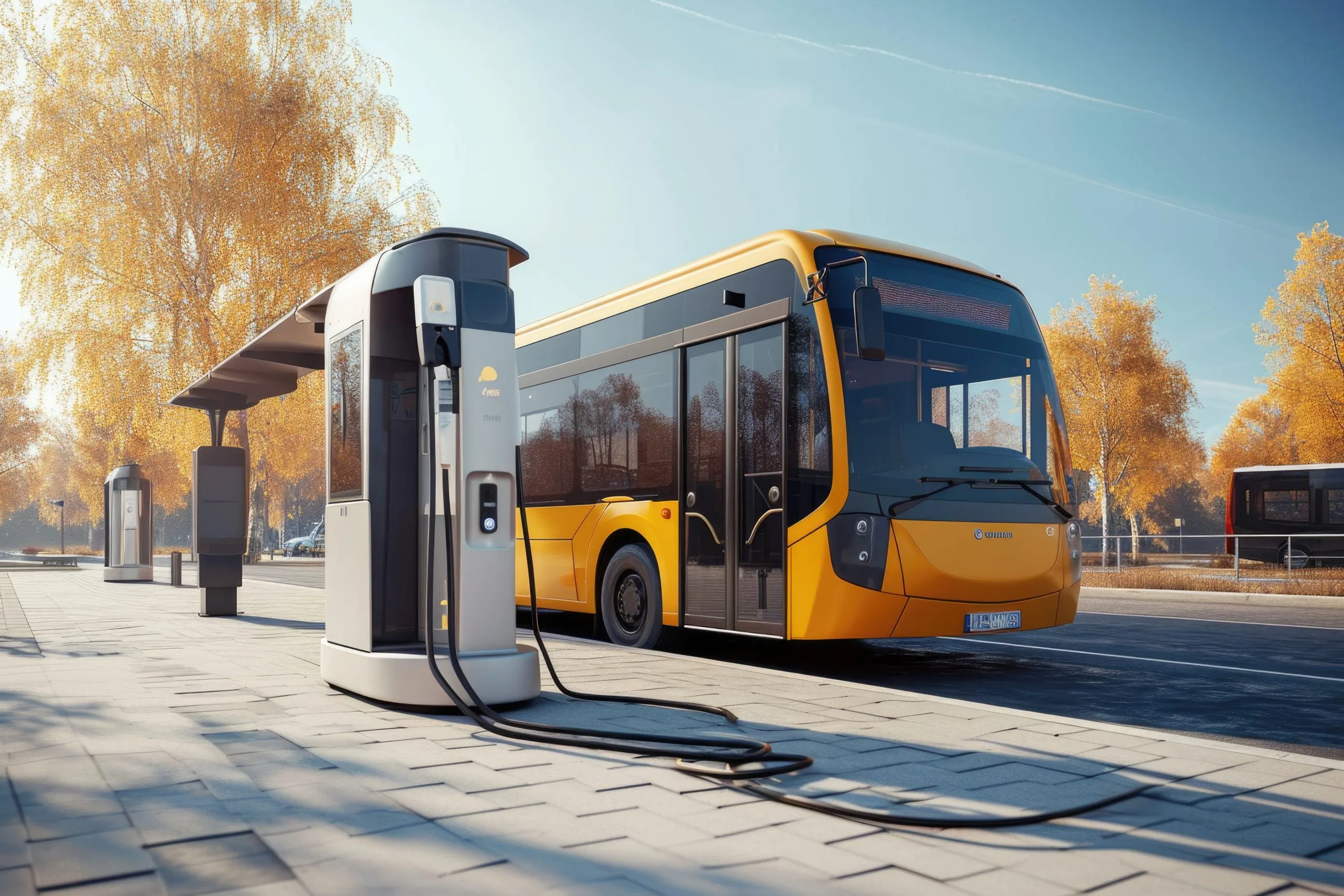
Australia’s electric bus market is entering a high-growth phase, driven by sustainability targets and rapid electrification of public transport fleets. Valued at around AUD 932 million in 2025, the market is projected to grow at a CAGR of about 21% to exceed AUD 6.2 billion by 2035. Despite this momentum, adoption remains at an early stage, with electric buses comprising roughly 1% or less of the national fleet. Increasing environmental awareness, urbanization, and policy support are expected to accelerate deployment across major cities and regional transport systems.
Key Market Drivers Accelerating the Transition to Electric Buses in Australia
Decarbonization and Net-Zero Targets
Australia’s commitment to achieving net-zero emissions by 2050 is a primary catalyst for electric bus adoption. Public transport accounts for a significant share of urban emissions, and electric buses offer a zero-emission alternative that improves air quality and reduces carbon output. These buses also lower noise pollution and enhance passenger comfort, making them suitable for dense urban corridors.
Economic Benefits and Rising Fuel Costs
Electric buses offer lower operating and maintenance costs compared to diesel alternatives. With diesel prices exceeding AUD 3 per liter in 2026, operators are increasingly exploring electric fleets to reduce long-term expenditure. Over time, savings on fuel and fewer mechanical components make electric buses economically attractive despite higher upfront costs.
Advancements in Battery and EV Ecosystem
Technological improvements in battery capacity, charging infrastructure, and energy efficiency are enhancing the viability of electric buses. Trials in Australia have demonstrated daily operational ranges of around 200 km, proving their suitability for urban routes. Additionally, the broader growth of the EV market—expected to reach 30% of total vehicle sales by 2030—supports ecosystem development, including charging networks and supply chains.
Government Policies and Strategic Initiatives Supporting Electric Bus Adoption in Australia
Federal and state governments play a central role through funding programs, procurement mandates, and infrastructure investments. For instance, New South Wales aims to transition its 8,000-bus fleet to electric by 2040, with hundreds of buses already ordered. Large-scale renewable energy agreements will power public transport systems from 2027, reducing emissions by over 800,000 tons annually. Incentives such as grants and depot electrification projects are further accelerating adoption.
Competitive Landscape and Key Players Shaping Australia’s Electric Bus Market
The market features a mix of global and domestic players, including manufacturers such as Volvo, BYD (via distributors), Yutong, and local body builders like Volgren. Partnerships between OEMs, state governments, and transit operators are common, with contracts often tied to large procurement programs. Local assembly and component sourcing are increasingly emphasized to support domestic industry and reduce supply chain risks, shaping competition in the coming decade.
Key Challenges Impacting the Adoption of Electric Buses in Australia
Infrastructure and High Upfront Costs
Despite strong growth potential, high initial investment and limited charging infrastructure remain key barriers. Depot upgrades, grid capacity, and charging networks require substantial capital expenditure, slowing adoption in some regions.
Slow Adoption Rate
Australia lags behind global leaders, with electric buses accounting for only a small fraction of the total fleet. This reflects policy gaps, fragmented implementation across states, and reliance on diesel-based systems.
Future Outlook
The outlook for Australia’s electric bus market to 2035 is strongly positive, with rapid scaling expected as costs decline and infrastructure improves. Large procurement pipelines, such as thousands of buses planned in New South Wales, indicate significant fleet transformation ahead. Integration with renewable energy and smart transport systems will further enhance sustainability outcomes. As policy frameworks mature and private operators participate more actively, electric buses are likely to become the standard for urban mobility, positioning Australia as a growing, though still catching-up, market in the global zero-emission transport transition.
Consultants at Nexdigm, in their latest publication “Australia Electric Bus Market Outlook to 2035,” analyze the sector by System Type (Battery Electric Buses, Plug-in Hybrid Electric Buses, Fuel Cell Electric Buses, Urban Electric Buses), By Platform Type (Bus Rapid Transit Systems, Electric Bus Fleet Systems, Government Transit Systems), and By Fitment Type (Standard Bus Systems, High-Capacity Bus Systems, Double-Decker Bus Systems). Nexdigm suggests that businesses should align their strategies with evolving market dynamics by investing in electrification, building partnerships across the EV value chain, and proactively adapting to regulatory and sustainability requirements in Australia’s electric bus ecosystem.
To take the next step, simply visit our Request a Consultation page and share your requirements with us.
Harsh Mittal
+91-8422857704