
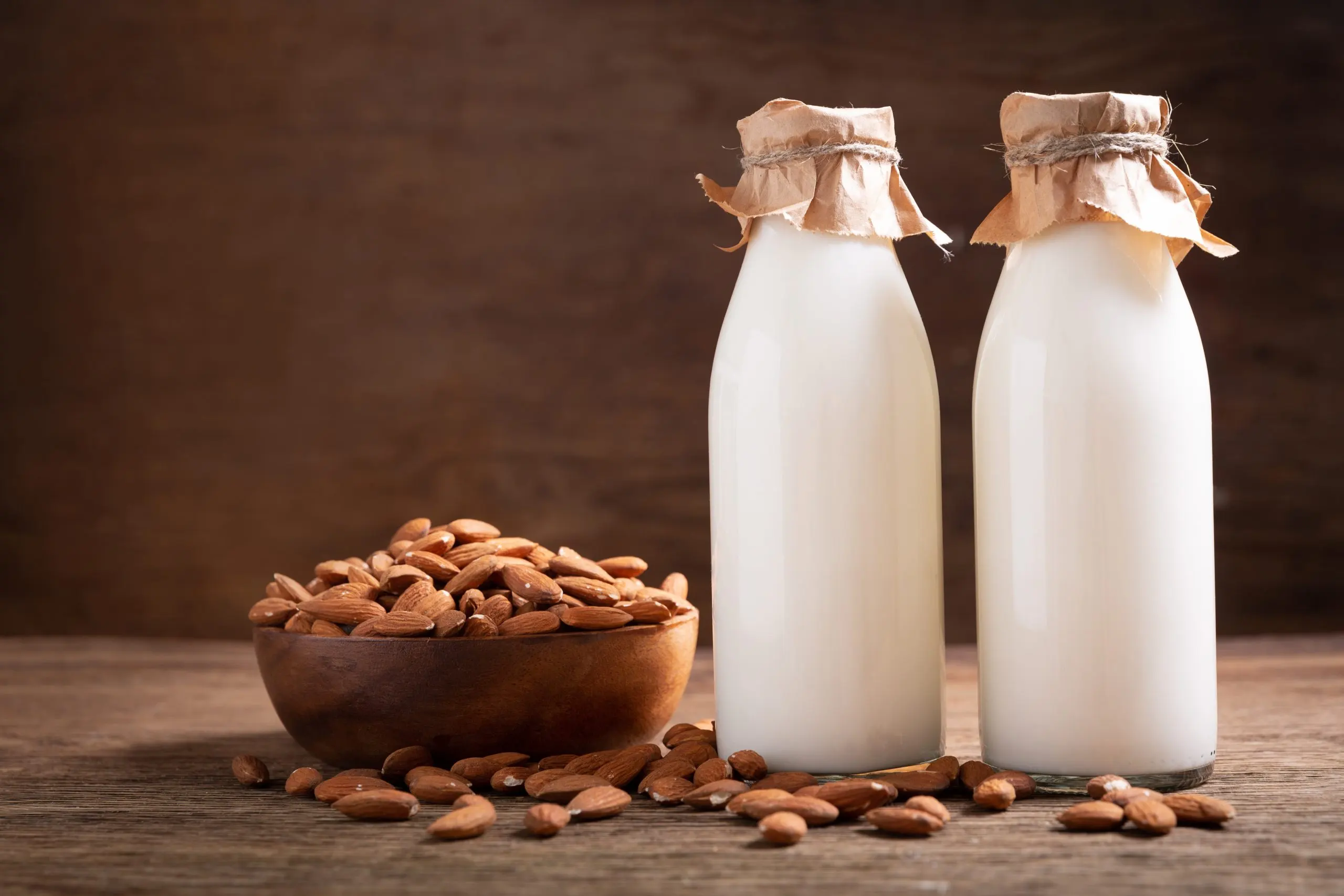
The Brazil Almond Milk Market is experiencing strong growth as consumers increasingly embrace plant-based nutrition and dairy alternatives. Valued at approximately USD 470 million, the market is projected to surpass USD 1.23 billion, reflecting rising demand for healthier and more sustainable beverage options. Brazil’s growing health-conscious population, coupled with increasing awareness of lactose intolerance, is encouraging consumers to switch from traditional dairy products to almond milk. With more than 63% of Brazilians estimated to experience lactose intolerance and a growing vegan and vegetarian community, almond milk is gradually becoming a mainstream choice across households, cafés, and foodservice establishments.
Key Growth Drivers Accelerating the Brazil Almond Milk Market
Rising Demand for Dairy-Free and Lactose-Free Alternatives
One of the primary drivers of the Brazil Almond Milk Market is the growing prevalence of lactose intolerance. More than 63% of the Brazilian population experiences lactose intolerance, creating a substantial consumer base seeking dairy-free alternatives. Almond milk has emerged as an attractive option because it is naturally lactose-free, easy to digest, and suitable for a wide range of dietary needs. Consumers are increasingly incorporating almond milk into coffee, smoothies, breakfast cereals, and baking applications. As awareness of digestive health and wellness continues to rise, demand for plant-based beverages is expected to increase further. The shift is especially visible among younger consumers and urban households seeking healthier lifestyle choices.
Expanding Vegan and Vegetarian Population
Brazil has become one of the largest markets for plant-based products in Latin America. The country is home to an estimated 10 million vegans and approximately 40 million vegetarians, creating strong demand for non-dairy products such as almond milk. The popularity of veganism, flexitarian eating habits, and ethical consumption practices is encouraging consumers to explore alternative sources of nutrition. Almond milk aligns well with these preferences due to its lower environmental footprint compared to traditional dairy products. As more consumers prioritize sustainability and animal welfare, demand for plant-based beverages is likely to continue expanding.
Innovation and Premium Product Expansion
Product innovation is playing a crucial role in strengthening the Brazil Almond Milk Market. Manufacturers are introducing flavored varieties, organic options, fortified formulations, and ready-to-drink products to cater to changing consumer preferences. Popular flavors such as chocolate, vanilla, and coffee-infused almond milk are helping brands attract new customer segments. Fortified almond milk products enriched with calcium, vitamins, protein, probiotics, and antioxidants are also gaining traction among health-conscious consumers. In addition, expanding e-commerce channels and modern retail networks are improving product availability across urban and semi-urban markets.
Government and Industry Support Strengthening the Brazil Almond Milk Market
Government dietary guidelines promoting plant-based and minimally processed foods are indirectly supporting the growth of the Brazil Almond Milk Market. Public health campaigns encouraging balanced nutrition and healthier dietary choices are increasing awareness of plant-based alternatives among consumers. Additionally, sustainability initiatives and support for environmentally responsible food systems are encouraging investment in plant-based products. Industry participants are also focusing on sustainable packaging, responsible sourcing, and product innovation to align with evolving consumer expectations and environmental goals.
Competitive Landscape of the Brazil Almond Milk Market
The Brazil Almond Milk Market is becoming increasingly competitive, with both multinational and domestic brands expanding their product portfolios. Competition is centered on nutritional benefits, clean-label formulations, flavor innovation, and affordability. Companies are also leveraging digital marketing and retail partnerships to strengthen their market presence. Brands are actively introducing organic, fortified, and premium almond milk products to differentiate themselves in a growing market. Partnerships with supermarkets, cafés, restaurants, and e-commerce platforms are helping manufacturers expand consumer reach and improve accessibility.
Key Challenges Facing the Brazil Almond Milk Market
Dependence on Imported Almond Supply
A major challenge facing the Brazil Almond Milk Market is its dependence on imported almonds and almond-based ingredients. Industry estimates suggest that 75–80% of almond milk consumed in Brazil is supplied through imports, exposing manufacturers to currency fluctuations, logistics costs, and global supply chain disruptions. These factors can increase production costs and create pricing pressures, particularly during periods of economic volatility or agricultural shortages.
Premium Pricing and Consumer Affordability
Although almond milk is gaining popularity, it often remains more expensive than conventional dairy products. Premium variants such as organic, non-GMO, and fortified almond milk can command significant price premiums, which may limit adoption among price-sensitive consumers. To achieve broader market penetration, manufacturers will need to balance product innovation with affordability while maintaining quality standards and nutritional value.
Future Outlook
The future of the Brazil Almond Milk Market appears highly promising, with the industry projected to grow at a CAGR of over 11% and exceed USD 1.23 billion in value. Rising awareness of lactose intolerance, growing vegan and vegetarian populations, and increasing demand for functional beverages will continue to drive market expansion. Emerging trends such as protein-fortified almond milk, clean-label products, sustainable packaging, and expanded foodservice adoption are expected to create new growth opportunities. As consumers increasingly prioritize health, wellness, and environmental sustainability, almond milk is likely to strengthen its position as one of Brazil’s fastest-growing plant-based beverage categories.
Consultants at Nexdigm, in their latest publication “Brazil Almond Milk Market Outlook to 2035,” analyze the sector By Product Type (Original Almond Milk, Unsweetened Almond Milk, Sweetened Almond Milk, Flavored Almond Milk), By Formulation Type (Conventional Almond Milk, Organic Almond Milk, Fortified Almond Milk, High-Protein Almond Milk).
Nexdigm suggests that manufacturers should focus on product innovation, affordability, sustainable sourcing strategies, and stronger retail and foodservice partnerships to capitalize on the long-term opportunities emerging within the Brazil Almond Milk Market.
To take the next step, simply visit our Request a Consultation page and share your requirements with us.
Harsh Mittal
+91-8422857704