
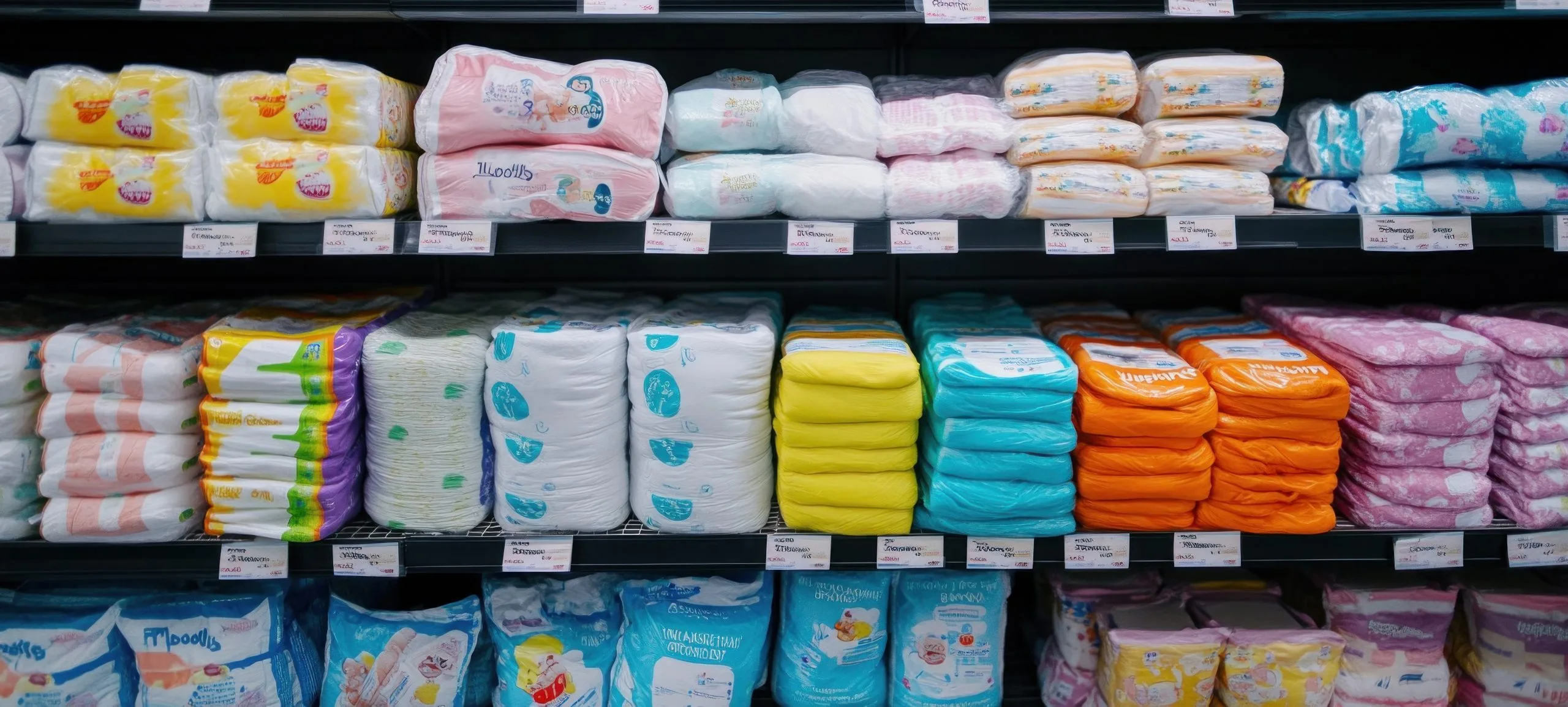
Brazil’s baby diapers market is expected to grow steadily through 2035 as parents continue to prioritize infant hygiene, convenience, comfort, and skin safety. Diapers are a daily-use essential for families with infants and toddlers, making the category relatively resilient even when household budgets are under pressure. The market is supported by high adoption of disposable diapers, expanding retail access, premium baby care products, and rising interest in eco-friendly alternatives. Brazil’s baby diapers market is projected to reach about USD 4.29 billion in the coming years. As more parents look for products that offer better protection, fewer leaks, and improved skin comfort, the market is expected to become more segmented and innovation-driven.
What Is Driving Growth in Brazil’s Baby Diapers Market
Parents Are Prioritizing Hygiene Comfort and Daily Convenience
Parents in Brazil are becoming more conscious of baby hygiene, skin comfort, and leakage protection. This is supporting demand for diapers with better absorption, soft materials, breathable layers, wetness indicators, and longer wear performance. Disposable diapers continue to lead the market because they are convenient for working parents, urban households, and caregivers managing busy daily routines. As lifestyles become busier, parents are looking for products that reduce washing, changing time, and skin discomfort. This is especially important in large cities where convenience, brand trust, and easy retail availability strongly influence purchasing decisions. For many families, a good diaper is not just about basic use; it is about helping babies stay dry, comfortable, and rash-free for longer periods.
Modern Retail and Online Channels Are Making Diapers Easier to Buy
Brazil’s diaper sales are supported by supermarkets, pharmacies, baby care stores, and e-commerce platforms. Parents increasingly compare prices, pack sizes, brand claims, and customer reviews before purchasing. Online channels are becoming more relevant as families use bulk purchases, discounts, and subscription-style buying to manage recurring diaper expenses. Brazil’s market data shows online sales as an important distribution channel, while supermarkets and pharmacies remain key physical touchpoints. This mix of offline and digital retail helps brands reach both urban consumers and value-conscious families looking for promotions. As diaper purchases are frequent and predictable, digital platforms can play a stronger role in encouraging repeat buying and brand loyalty.
Premium and Eco-Friendly Diaper Options Are Gaining Attention
Brazilian parents are showing growing interest in premium diapers that offer better fit, rash protection, softness, and overnight absorption. At the same time, environmental awareness is creating demand for cloth diapers, biodegradable diapers, and products with reduced plastic content. Disposable diapers remain dominant, but cloth diapers are projected to be among the faster-growing product segments. Globally, disposable diapers accounted for over 78% of baby diaper revenue in 2025, while non-disposable diapers are expected to grow faster as sustainability becomes more important. This trend is likely to influence Brazilian brands and retailers over the long term. However, for eco-friendly products to scale, they must remain practical, affordable, and easy for parents to use in everyday routines.
Role of Child Welfare and Public Health Support in Brazil
Brazil’s baby diapers market is indirectly supported by public health, nutrition, and family welfare initiatives. Programmes such as Bolsa Família help low-income households meet essential child welfare needs by linking financial assistance with access to health, education, and social services. While diapers are not always directly covered, broader support for child health and household income can improve access to hygiene products. Public health campaigns, vaccination drives, and maternal-child healthcare services also help reinforce awareness around infant care, cleanliness, and early childhood wellbeing. These initiatives are important because diaper use is closely connected to hygiene, comfort, and reduced risk of skin-related issues. Over time, stronger family support systems can help improve access to essential baby care products among vulnerable households.
Competitive Landscape of Brazil’s Baby Diapers Market
Brazil’s baby diapers market includes multinational brands, domestic manufacturers, private-label products, pharmacy chains, supermarkets, and online retailers. Major global players such as Procter & Gamble, Kimberly-Clark, Ontex, Unicharm, and Johnson & Johnson compete alongside regional and value-focused brands. Competition is shaped by absorbency, comfort, pricing, pack size, skin-safety claims, retail reach, and promotional offers. Premium brands focus on performance and softness, while private labels and local brands appeal to price-sensitive households. As consumers compare products more actively, brand trust and value-for-money positioning are becoming increasingly important. Retailers that offer bundle discounts, larger pack formats, and clear product information are likely to gain stronger repeat purchases.
Barriers Affecting Brazil Baby Diapers Market Growth
Price Sensitivity and Pressure on Household Budgets
Affordability remains a major challenge in Brazil’s diaper market. Diapers are a recurring purchase, and rising living costs can make families more careful about pack size, promotions, and brand choice. Premium products may attract urban middle- and high-income households, but many consumers still prioritize price and availability. This can increase demand for value packs, private labels, and discount-led retail strategies. Since parents need diapers every day, even small price changes can influence buying decisions over time. Brands must therefore balance product quality with pricing formats that fit different household income levels.
Sustainability Concerns Around Disposable Diaper Waste
Disposable diapers remain popular because of convenience, but they also create waste and sustainability concerns. Eco-friendly and cloth diapers can reduce environmental impact, but they may require higher upfront spending or more effort from parents. This creates a gap between interest in sustainable options and actual adoption. Brands must balance affordability, performance, and environmental claims to appeal to a wider consumer base. Clear communication around materials, disposal, biodegradability, and product safety will become more important as consumers become more cautious about greenwashing. Companies that make sustainable diapers both practical and affordable may have a stronger long-term advantage.
Future Outlook
The Brazil baby diapers market is expected to remain on a steady growth path supported by hygiene awareness, urban lifestyles, retail expansion, and product innovation. Disposable diapers will continue to dominate, while cloth, biodegradable, and premium skin-sensitive diapers are likely to gain stronger attention. E-commerce, supermarkets, and pharmacies will remain important sales channels as parents seek convenience and competitive pricing. Brands that offer reliable absorption, skin comfort, affordable pack formats, and credible sustainability features will be better positioned. By 2035, the market is likely to become more segmented, value-driven, and innovation-led. Companies that understand the everyday concerns of parents, such as price, comfort, leakage, and skin safety, will be better placed to build long-term loyalty.
Consultants at Nexdigm, in their latest publication “Brazil Baby Diapers Market Outlook to 2035” analyze the sector by Product Type (Disposable, Cloth, Swim Baby Diapers, Training Pants and Others), by Age Group (New Born, Infants, Toddlers), by Distribution Channels (Direct Sales, Retail Stores, Pharmacies and Drugstores, E Commerce Platforms, Online Channels).
Nexdigm suggests that businesses should focus on balancing affordability, comfort, and sustainability in baby diaper products. Companies should invest in skin-friendly materials, reliable leak protection, eco-conscious designs, and subscription-based online sales models, while also offering value packs and private-label partnerships to serve price-sensitive households.
To take the next step, simply visit our Request a Consultation page and share your requirements with us.
Harsh Mittal
+91-8422857704