
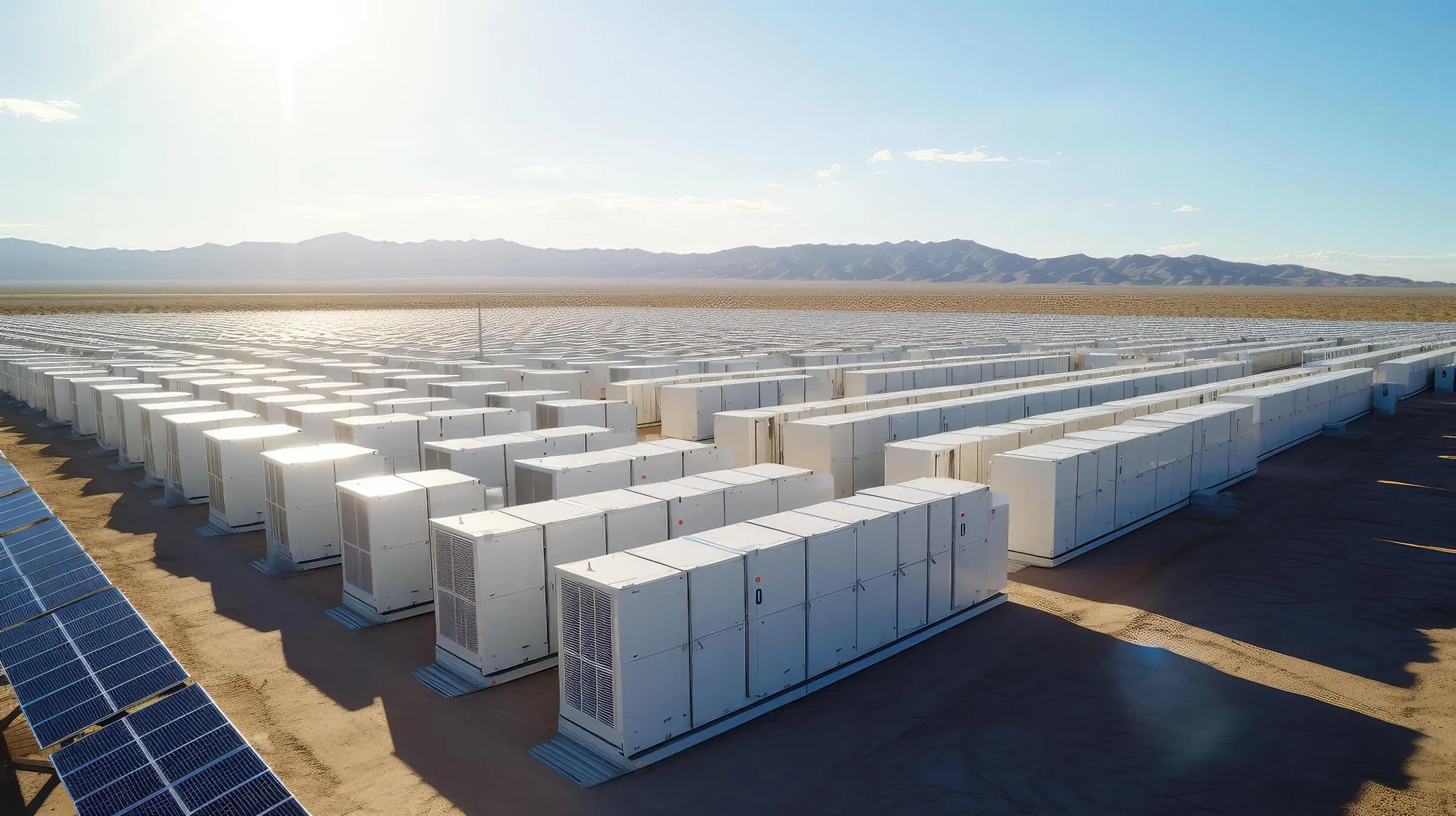
Brazil’s battery energy storage system (BESS) market is emerging as a pivotal component of the nation’s energy transition. With increasing integration of renewable generations such as solar and wind, energy storage offers grid flexibility, reliability, and demand‑response capabilities. Recent analyses forecast rapid expansion of the BESS sector in Brazil, driven by economic growth, infrastructure needs, and regulatory developments that emphasize energy security and sustainable capacity additions.
Key Drivers Fueling the Growth of Brazil’s Battery Energy Storage Market
Renewable Integration and Grid Stability
Brazil has experienced robust growth in renewable capacity, particularly solar and wind, which is contributing to grid intermittency challenges. BESS installations help manage variable output by storing excess generation and dispatching energy during peak demand or low generation periods, supporting reliability and reducing curtailment losses.
Market Growth and Investment Potential
Market forecasts point to substantial revenue expansion in Brazil’s BESS sector. One estimate projects market revenue growing from roughly USD 275.8 million in 2024 to over USD 2 billion by 2030, representing a compound annual growth rate of about 40.5% from 2025 to 2030. This trend reflects heightened commercial and utility interest in storage solutions. Demand for BESS components also rose significantly—nearly 89% year‑on‑year—indicating rising installation activity and broader adoption.
Commercial and Industrial Adoption
Beyond utility‑scale applications, commercial and industrial users are deploying BESS to lower peak energy costs, improve power quality, and support behind‑the‑meter resiliency. Distributed generation and storage, coupled with energy‑as‑a‑service model, are expanding the addressable market and enabling businesses to optimize energy usage.
Government Initiatives and Policies Driving Battery Energy Storage Adoption in Brazil
Regulatory and procurement actions are formalizing the role of energy storage in Brazil’s power system. The government is preparing its first large‑scale battery storage auction, scheduled for 2026, aimed at procuring capacity and integrating BESS into national grid planning. This measure underscores a policy shift that treats storage as an operational asset rather than peripheral technology.
Overview of the Competitive Landscape in Brazil’s Battery Energy Storage Market
Brazil’s BESS landscape is becoming competitive, with international technology providers and local partners entering the market. Global manufacturers and energy companies are positioning to meet the rising demand for storage components and systems. Domestic firms—supported by policy discussions around local content requirements—are also seeking to capture market share in manufacturing and system integration.
Key Challenges Facing the Growth of Battery Energy Storage Systems in Brazil
Cost and Technical Barriers
High upfront capital costs remain a barrier to broader BESS deployment. Price variability across suppliers and uncertainty around long‑term performance and degradation create financing complexity for developers and end users.
Regulatory Maturity and Implementation
While policy signals are improving, the regulatory framework for storage is still evolving. Finalizing bidding rules, establishing clear market products for ancillary services, and standardizing interconnection practices are necessary steps to unlock full investor confidence and scalable deployment.
Future Outlook
The outlook for Brazil’s battery energy storage system market is constructive. Continued renewable capacity additions and the formal recognition of storage in capacity auctions are expected to drive installations at multiple scales. Projections from some market analysts suggest that BESS could evolve into a multi‑billion‑dollar sector by the early 2030s, supporting utilities, commercial users, and distributed generation alike. Advances in battery technologies and cost reductions are also likely to broaden the applicability of storage across residential and industrial segments. Strategic deployment of BESS will be central to enhancing grid resilience, facilitating market liberalization, and achieving decarbonization targets in the coming decade.
Consultants at Nexdigm, in their latest publication “Brazil Battery Energy Storage System,” analyze the sector by System Type (Grid-Scale Storage, Residential Storage, Commercial Storage, Off-Grid Storage), By Platform Type (Solar Integrated Storage, Wind Integrated Storage, Grid-Connected Storage), and By Fitment Type (On-premise System, Modular Systems, Integrated Solutions). Nexdigm suggests that businesses should focus on adapting to market trends, fostering innovation, and leveraging government policies to stay competitive in the rapidly evolving battery energy storage sector. Understanding the technological, regulatory, and financial dynamics is key to developing successful strategies. By aligning with sustainable energy goals, businesses can unlock new growth opportunities while contributing to the energy transition in Brazil.
To take the next step, simply visit our Request a Consultation page and share your requirements with us.
Harsh Mittal
+91-8422857704