
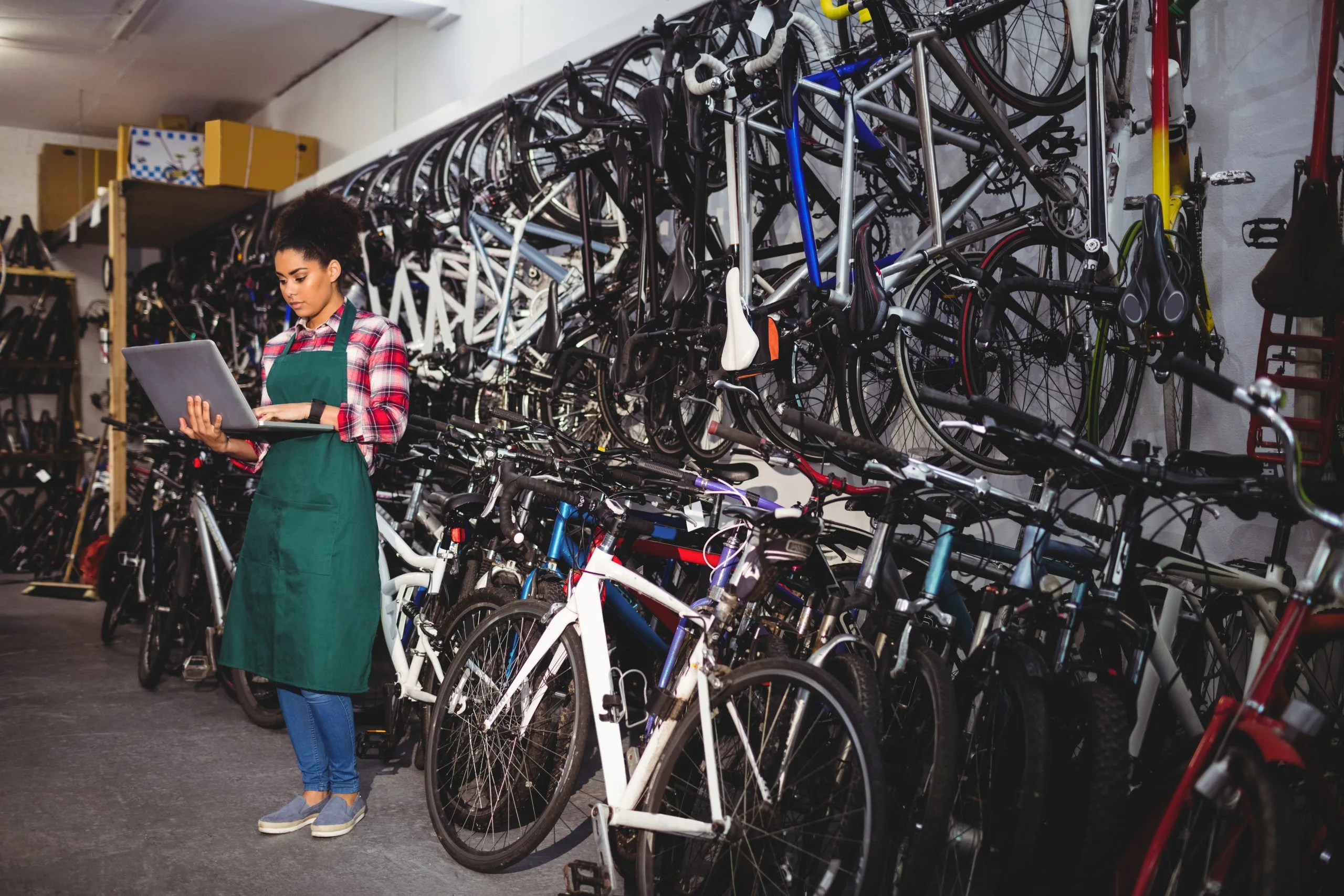
The Brazil bicycle market is expected to grow steadily as cycling becomes more relevant for urban transport, recreation, fitness, and lower-cost mobility. The market is growing at a 7.2% CAGR in the coming years. E-bikes are also gaining traction, with Brazil’s e-bike market expected to grow rapidly in the coming years. Rising urban congestion, mobility costs, and sustainability awareness are making bicycles more attractive for both commuting and leisure. This shift shows how bicycles are moving beyond recreation to become part of Brazil’s broader urban mobility mix.
What Is Driving Growth in Brazil’s Bicycle Market?
E-Bikes Are Making Urban Travel Easier
E-bikes are becoming an important growth engine in Brazil’s bicycle market. They offer a practical option for commuters who want to cover longer distances with less physical effort, especially in large cities where traffic congestion and pressure on public transport remain common. Brazil’s e-bike market is expected to reach heights. This growth reflects rising interest in electric mobility, battery-powered transport, and more flexible last-mile travel. E-bikes are also gaining relevance among delivery workers, recreational riders, and consumers looking for affordable alternatives to cars and motorcycles. As battery performance improves and more models enter the market, e-bikes are likely to attract a wider range of Brazilian riders.
Fitness, Recreation, and Affordable Mobility Are Supporting Demand
Cycling remains popular in Brazil because it supports both lifestyle and practical transport needs. For many consumers, bicycles are affordable mobility tools, while for others they are part of fitness, weekend recreation, and outdoor activity. Mountain bikes, urban bikes, hybrids, and entry-level models continue to serve different user groups. As living costs rise, bicycles can offer a lower-cost option for short trips and daily movement. Cycling also fits well with growing interest in healthier routines and outdoor leisure. This gives the market room to grow across both commuter and recreational segments.
Better Cycling Infrastructure Can Encourage Daily Use
Infrastructure improvements are also supporting long-term bicycle adoption. Brazil’s Active Mobility Plan aims to coordinate government actions for walking and cycling, with goals such as improving active mobility conditions, encouraging a shift from private transport to active modes, and integrating sustainable transport options. As cities invest in bike lanes, shared cycling systems, and safer street design, cycling can become more practical for daily commuting. Better infrastructure can also make new riders feel safer and more confident on the road. Over time, connected cycling networks will be important for turning occasional bicycle use into regular urban travel.
Government Support Strengthening Active Mobility in Brazil’s Bicycle Market
Brazil’s active mobility policies are helping create a more supportive environment for bicycles. The country’s Active Mobility Plan focuses on improving walking and cycling conditions, encouraging users to shift from private vehicles to active transport, and improving integration between sustainable transport modes. At the local level, several cities have invested in bike lanes, cycling networks, and road-safety initiatives. These measures can improve cyclist confidence, support short-distance commuting, and strengthen demand for conventional bicycles, e-bikes, and related accessories over the long term. Government-backed active mobility planning also signals that bicycles are increasingly being treated as part of transport policy rather than only recreation. This can support stronger investment and better planning for cycling infrastructure.
Competitive Landscape of Brazil’s Bicycle Market
The Brazil bicycle market includes domestic manufacturers, international brands, e-bike specialists, component suppliers, and mass-market retailers competing across price, durability, design, and technology. Conventional bicycle brands continue to serve commuting, recreation, fitness, and youth segments, while e-bike players are focusing on battery range, motor performance, after-sales service, and urban use cases. Retailers and online channels are also becoming important as consumers compare specifications, financing options, and accessories. Competition is expected to intensify as e-bikes become more visible and affordability improves. Brands that offer reliable products, accessible pricing, and strong service support are likely to gain stronger consumer trust. Local manufacturing and distribution strength may also help companies respond better to price-sensitive demand.
What Could Slow Down Brazil’s Bicycle Market?
Safety and Infrastructure Gaps Remain a Barrier
Safety remains one of the key barriers to wider cycling adoption in Brazil. Many cities still have uneven cycling infrastructure, limited protected lanes, and road-sharing challenges with cars, buses, and motorcycles. Without safer routes and better connectivity, some consumers may continue to see cycling mainly as recreation rather than a reliable commuting option. Concerns around theft, road conditions, and night-time visibility can also discourage everyday bicycle use. For cycling to grow as a mobility solution, infrastructure and safety improvements need to keep pace with consumer interest.
Affordability and Supply-Chain Pressures Affect Adoption
While bicycles are often seen as affordable transport, higher-quality bikes and e-bikes can still be expensive for many households. Battery costs, imported components, exchange-rate movements, and maintenance needs can affect pricing. For e-bikes, after-sales service and battery reliability will be important to build consumer trust and encourage repeat purchases. If products are too expensive or difficult to maintain, adoption may remain limited to higher-income urban consumers. Financing options, durable entry-level models, and reliable service networks will be important for expanding the market beyond early adopters.
Future Outlook
Brazil’s bicycle market is expected to become more diverse, with stronger demand across e-bikes, commuter bicycles, recreational models, and affordable everyday mobility solutions. E-bikes will likely remain one of the fastest-growing segments as consumers seek cleaner, flexible, and cost-efficient urban transport. Growth will also depend on safer cycling infrastructure, supportive policies, financing options, and reliable after-sales service. Brands that combine affordability, durability, safety, and practical urban design will be better positioned to capture long-term opportunities in Brazil’s evolving bicycle market. As cities become more focused on sustainable and efficient transport, bicycles are likely to play a larger role in Brazil’s mobility future.
Consultants at Nexdigm, in their latest publication Brazil Bicycle Market Outlook to 2035,” analyzed the market by Product Type (Road, Mountain, Hybrid, Electric, Gravel, Kids Bicycle), by Price Range (Mass Market, Mid-Range, Premium Range)
Nexdigm believes businesses bicycle industry must focus on electric mobility, safety, affordability, and after-sales service to capture long-term growth. As cycling becomes part of fitness, recreation, tourism, and urban transport, brands should invest in durable products, reliable batteries, strong service networks, and infrastructure-aligned mobility solutions.
To take the next step, simply visit our Request a Consultation page and share your requirements with us.
Harsh Mittal
+91-8422857704