
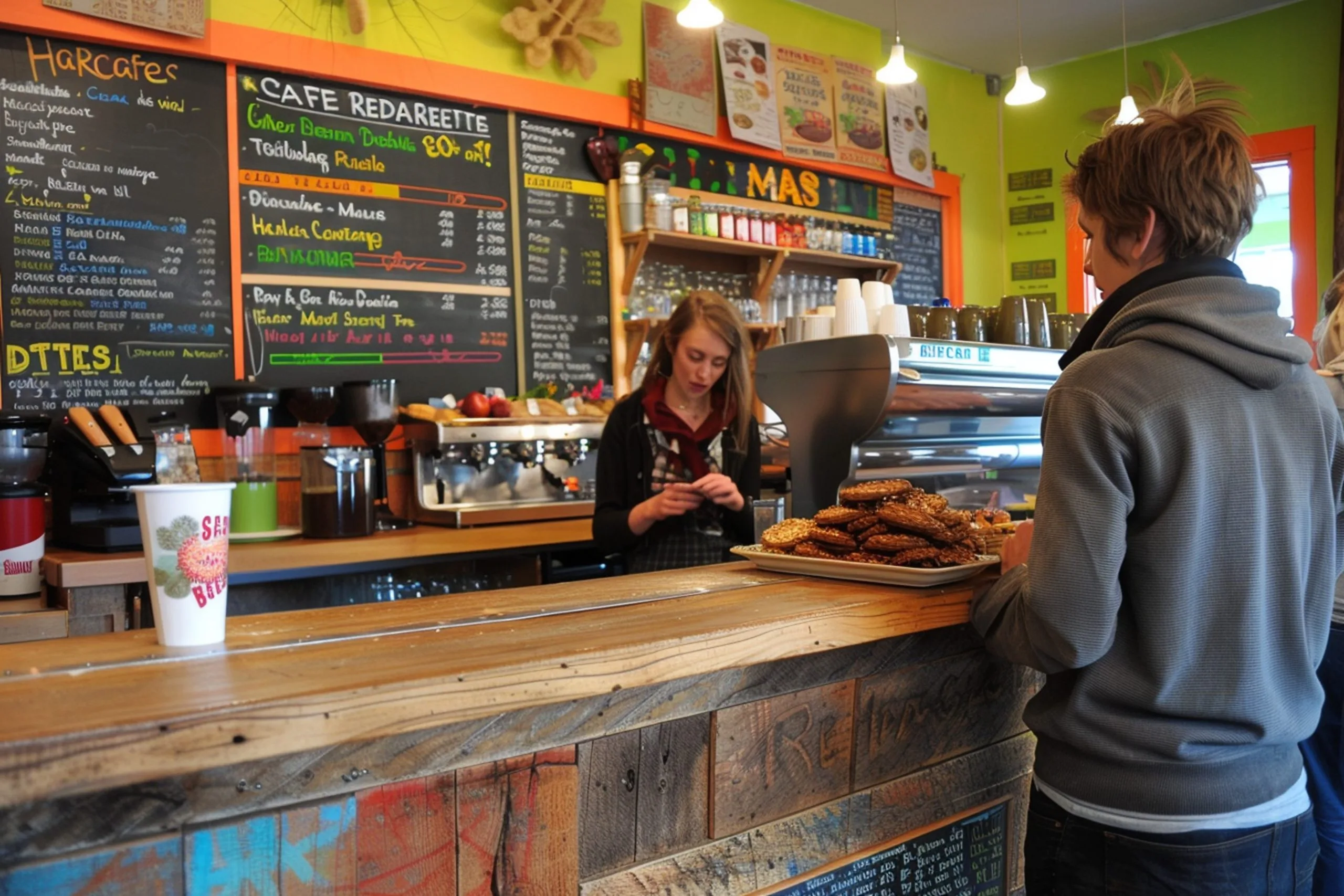
The Brazil Cafes & Bars Market continues to thrive on the back of the country’s deeply rooted coffee culture, vibrant nightlife, and growing demand for premium dining experiences. The market is valued at approximately USD 10.0 billion and is projected to reach USD 14.2 billion, reflecting steady expansion over the coming years. Brazil’s urban centers, including São Paulo, Rio de Janeiro, and Brasília, remain key demand hubs due to their large populations, strong tourism activity, and active social scenes. As consumers increasingly seek unique beverage experiences and convenient dining options, cafés and bars are becoming integral parts of Brazil’s lifestyle and hospitality landscape.
Key Growth Drivers in the Brazil Cafes & Bars Market
Strong Coffee Culture Driving Café Expansion
Brazil is one of the world’s most prominent coffee-consuming nations, making coffee culture a fundamental driver of the Brazil Cafes & Bars Market. Consumers increasingly prefer specialty coffees, espresso-based beverages, iced coffee products, and premium café experiences. The popularity of café-bakery hybrids and modern coffee houses is also expanding customer engagement beyond traditional breakfast occasions. Operators are successfully attracting consumers throughout the day by offering snacks, desserts, business meeting spaces, and takeaway options. This evolving consumption pattern continues to strengthen café revenues across major cities.
Urbanization and Growing Social Dining Trends
Rising urbanization and changing lifestyles are encouraging consumers to spend more time at cafés, bars, and social gathering venues. Metropolitan São Paulo alone has a population of approximately 21.5 million people, providing a substantial customer base for the foodservice sector. Rio de Janeiro and Belo Horizonte also contribute significantly to market demand through tourism, nightlife, and leisure activities. Consumers increasingly view cafés and bars as destinations for socialization, networking, and entertainment. This behavioral shift is creating opportunities for businesses to develop experience-driven concepts that combine food, beverages, ambiance, and customer engagement.
Digital Ordering and Premium Beverage Innovation
Technology is becoming an important growth catalyst for the Brazil Cafes & Bars Market. Digital discovery platforms, food delivery applications, loyalty programs, and mobile ordering systems are helping businesses reach customers more effectively. At the same time, demand for premium beverages continues to rise. Specialty coffee drinks, craft beverages, signature cocktails, and health-focused menu innovations are attracting a younger consumer base willing to pay for quality and convenience. These trends are helping operators differentiate themselves in an increasingly competitive marketplace.
Government and Industry Support for the Brazil Cafes & Bars Market
Government initiatives supporting tourism, small business development, entrepreneurship, and digital transformation indirectly benefit the Brazil Cafes & Bars Market. Policies encouraging franchise development and support for small and medium-sized enterprises are helping independent cafés and bars expand their operations. In addition, investments in urban infrastructure and tourism promotion continue to enhance foot traffic in major commercial and leisure districts. These efforts are creating favorable conditions for cafés and bars to attract both domestic consumers and international visitors.
Competitive Landscape of the Brazil Cafes & Bars Market
The Brazil Cafes & Bars Market consists of a diverse mix of café chains, specialty coffee houses, independent bars, cocktail lounges, and café-bakery concepts. Leading operators compete through menu innovation, store expansion, customer experience, and brand positioning. Companies such as The Coffee, Fran’s Café, Rei do Mate, Casa Bauducco, Kopenhagen, and Grão Espresso continue to expand their presence across urban markets. Franchising remains a popular growth strategy, enabling brands to increase accessibility while maintaining operational efficiency.
Key Challenges Facing the Brazil Cafes & Bars Market
Economic Sensitivity and Consumer Price Consciousness
Despite positive growth prospects, cafés and bars remain vulnerable to fluctuations in consumer spending. Economic uncertainty, inflationary pressures, and changing household budgets can influence discretionary spending on dining out and premium beverages. Operators must carefully balance affordability with premium offerings to maintain customer traffic and profitability during challenging economic conditions.
Intensifying Competition Across Urban Markets
The popularity of cafés and bars has increased competition among chains, independent operators, and new market entrants. Consumers have numerous dining and beverage options available, making differentiation increasingly important. Businesses must continuously innovate through unique menu offerings, technology integration, customer loyalty programs, and memorable dining experiences to maintain market relevance and attract repeat visitors.
Future Outlook
The future of the Brazil Cafes & Bars Market remains promising, with the sector projected to grow at a CAGR of approximately 3.9% and surpass USD 14.2 billion in market value. Growth will be fueled by continued coffee consumption, expanding urban populations, increasing adoption of digital ordering platforms, and rising interest in premium beverage experiences. Emerging trends such as specialty coffee, café-bakery convergence, delivery-led customer acquisition, and experiential dining formats are expected to generate new opportunities for market participants. As consumers increasingly seek convenience, quality, and social engagement, innovative cafés and bars will remain at the forefront of Brazil’s evolving foodservice industry.
Consultants at Nexdigm, in their latest publication “Brazil Cafes & Bars Market Outlook to 2035,” analyze the sector By Outlet Type (Chain Cafés, Independent Specialty Coffee Houses, Café-Bakery Formats, Botecos and Neighborhood Bars, Casual Dining Bars, Craft Beer and Microbrewery Bars), By Revenue Stream (Dine-In Revenue, Takeaway Revenue, Delivery Platform Revenue, Coffee and Hot Beverage Revenue, Alcoholic Beverage Revenue).
Nexdigm suggests that businesses should invest in premium coffee offerings, strengthen digital ordering and delivery capabilities, expand franchise networks, and create experience-driven concepts that align with Brazil’s strong coffee culture and growing demand for social dining experiences.
To take the next step, simply visit our Request a Consultation page and share your requirements with us.
Harsh Mittal
+91-8422857704