
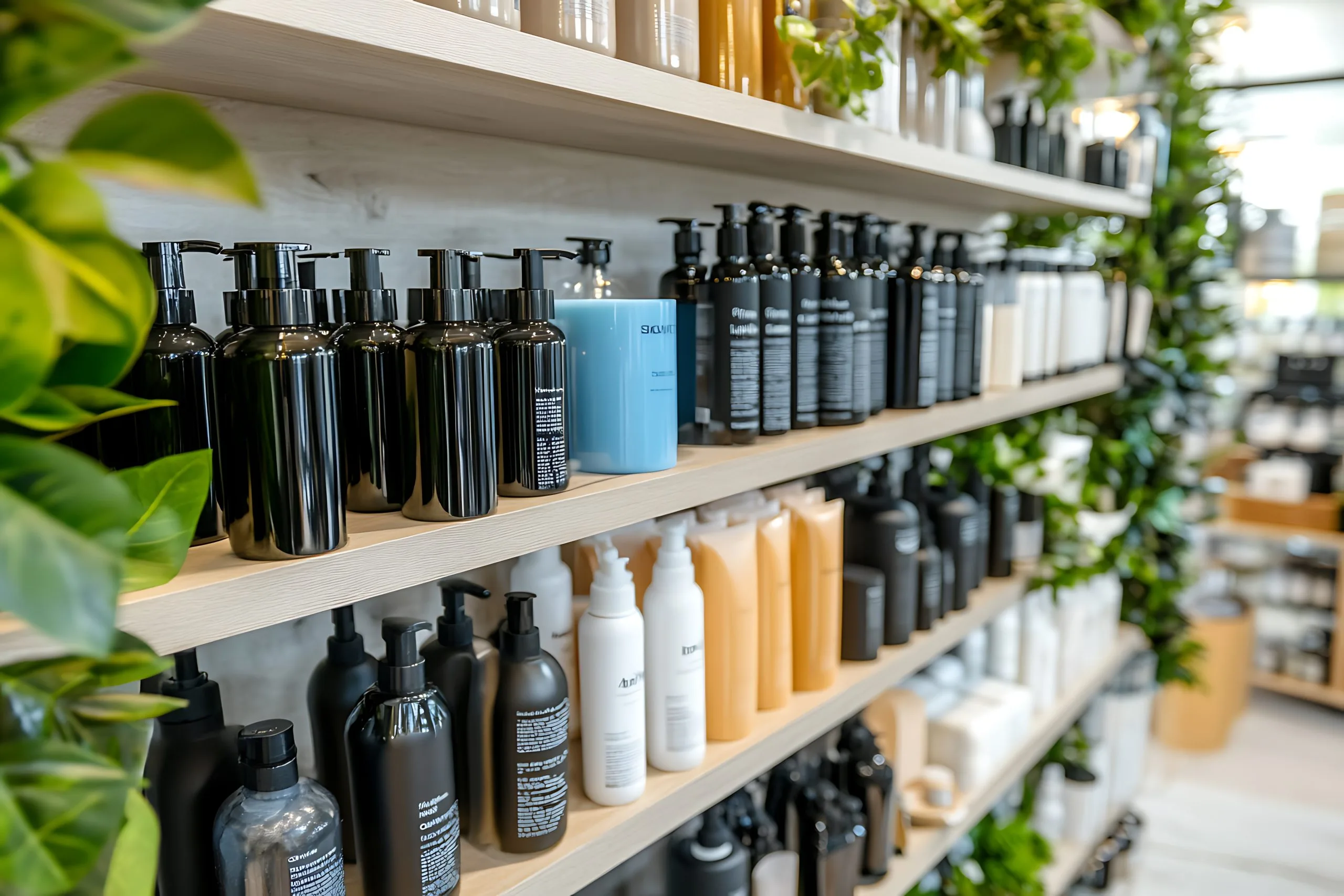
Brazil’s dry shampoo market is gaining momentum as consumers look for faster, more convenient hair care solutions suited to urban lifestyles, humid weather, and active daily routines. Dry shampoo, once viewed mainly as an emergency styling product, is increasingly being adopted as a practical bridge between regular washes. The category is supported by Brazil’s strong grooming culture and large hair care industry, which was valued at about USD 6.71 billion in 2025. The Brazil dry shampoo market is expected to grow at a CAGR of around 6.66% during 2026–2035, supported by product innovation and digital retail expansion.
Key Drivers Accelerating the Brazil Dry Shampoo Market
Busy Urban Lifestyles and Convenience-Led Grooming
A major driver of dry shampoo demand in Brazil is the shift toward convenience-based beauty routines. Working professionals, students, fitness consumers, and frequent commuters are looking for products that reduce grooming time without compromising appearance. Dry shampoo fits this need by absorbing excess oil, refreshing hair, and adding volume without water. This is especially relevant in major urban centers such as São Paulo, Rio de Janeiro, Brasília, and Belo Horizonte, where fast-paced schedules encourage quick-use personal care products. Brazil’s beauty category also recorded strong value growth of 12.7% in 2024, reflecting continued consumer willingness to spend on appearance and self-care.
Strong Hair Care Culture and Product Premiumization
Brazil has one of the world’s most dynamic hair care cultures, with consumers showing high interest in products tailored to different hair textures, scalp needs, and styling habits. Dry shampoos are benefiting from this broader hair care engagement. Brands are moving beyond basic oil-control claims and introducing variants for dark hair, curly hair, sensitive scalps, fragrance-led routines, and volume enhancement. Premiumization is also shaping the category, as consumers increasingly seek residue-free, natural, vegan, and dermatologically tested formulations. These features allow brands to position dry shampoo as both a styling aid and a scalp-conscious product.
E-Commerce and Social Media Influence
Online retail is accelerating category discovery. Beauty consumers in Brazil increasingly rely on e-commerce platforms, social media, influencers, and tutorials to evaluate new formats. Dry shampoo benefits from this because its usage is easy to demonstrate through short-form videos, before-and-after content, and hairstyling routines. Digital channels also help niche and international brands reach consumers beyond traditional pharmacies, supermarkets, and beauty stores. As product education improves, adoption is likely to expand beyond early users into mainstream hair care routines.
Government Support / Initiatives
Brazil’s cosmetics and personal care sector benefits from a structured regulatory framework led by ANVISA, which oversees product safety, labeling, manufacturing, and market authorization. ANVISA’s participation in the International Cooperation on Cosmetics Regulation also supports alignment with global safety practices. In addition, Beautycare Brazil, a partnership between ABIHPEC and ApexBrasil, promotes the internationalization of Brazilian beauty brands, helping strengthen local manufacturing, innovation, and export competitiveness.
Competitive Landscape: Global and Local Brands Compete Through Innovation and Distribution
The market includes a mix of global beauty companies, domestic personal care players, salon-focused brands, and indie beauty labels. International groups compete through broad distribution, brand recognition, and premium formulations, while Brazilian companies benefit from local consumer insight, textured-hair expertise, and strong retail relationships. Competition is increasingly focused on aerosol versus powder formats, clean-label positioning, fragrance differentiation, scalp-friendly ingredients, and suitability for dark or curly hair. Digital-first brands are also using influencer marketing to gain visibility.
Brazil dry shampoo market faces pricing challenges
Scalp Health and Usage Concerns
Dry shampoo is still a supplementary product, not a full replacement for washing. Overuse can raise concerns around buildup, dryness, irritation, or residue, particularly among consumers with sensitive scalps. Brands need clear usage instructions and formulations that address scalp comfort.
Price Sensitivity and Format Barriers
Premium dry shampoos may face resistance from price-sensitive consumers, especially when traditional shampoos remain widely affordable. Aerosol packaging can also raise environmental and regulatory scrutiny, creating opportunities for powders, non-aerosol sprays, and refillable formats.
Future Outlook
The Brazil dry shampoo market is expected to expand steadily as convenience, premiumization, and personalized hair care continue shaping consumer behavior. Growth will likely be strongest among urban consumers, beauty enthusiasts, working women, gym-goers, and younger shoppers influenced by digital beauty trends. Future innovation will center on non-aerosol formats, scalp-care ingredients, darker-hair compatibility, natural absorbents, and products designed for curly and textured hair. With Brazil’s strong beauty culture and expanding e-commerce ecosystem, dry shampoo is positioned to become a more regular part of modern hair care routines rather than an occasional-use product.
Consultants at Nexdigm, in their latest publication “Brazil Shampoo Market Outlook to 2035,” analyze the sector By Form (Aerosol, Powder, Mousse Formats), By Function (Clarifying & Sebum Control, Color Protection & Tint Match, Anti‑Dandruff / Scalp Health ).
Nexdigm suggests that businesses should focus on product innovation, localized formulations, and wider digital distribution to strengthen their position in the Brazil dry shampoo market. Companies can benefit by developing residue-free, scalp-friendly, and hair-type-specific products that suit Brazil’s diverse consumer base. Brands should also invest in consumer education, smaller trial packs, and online retail visibility to improve adoption among first-time users. As convenience-led beauty routines continue to grow, businesses that combine affordability, performance, and inclusive marketing are likely to capture stronger demand.
To take the next step, simply visit our Request a Consultation page and share your requirements with us.
Harsh Mittal
+91-8422857704