
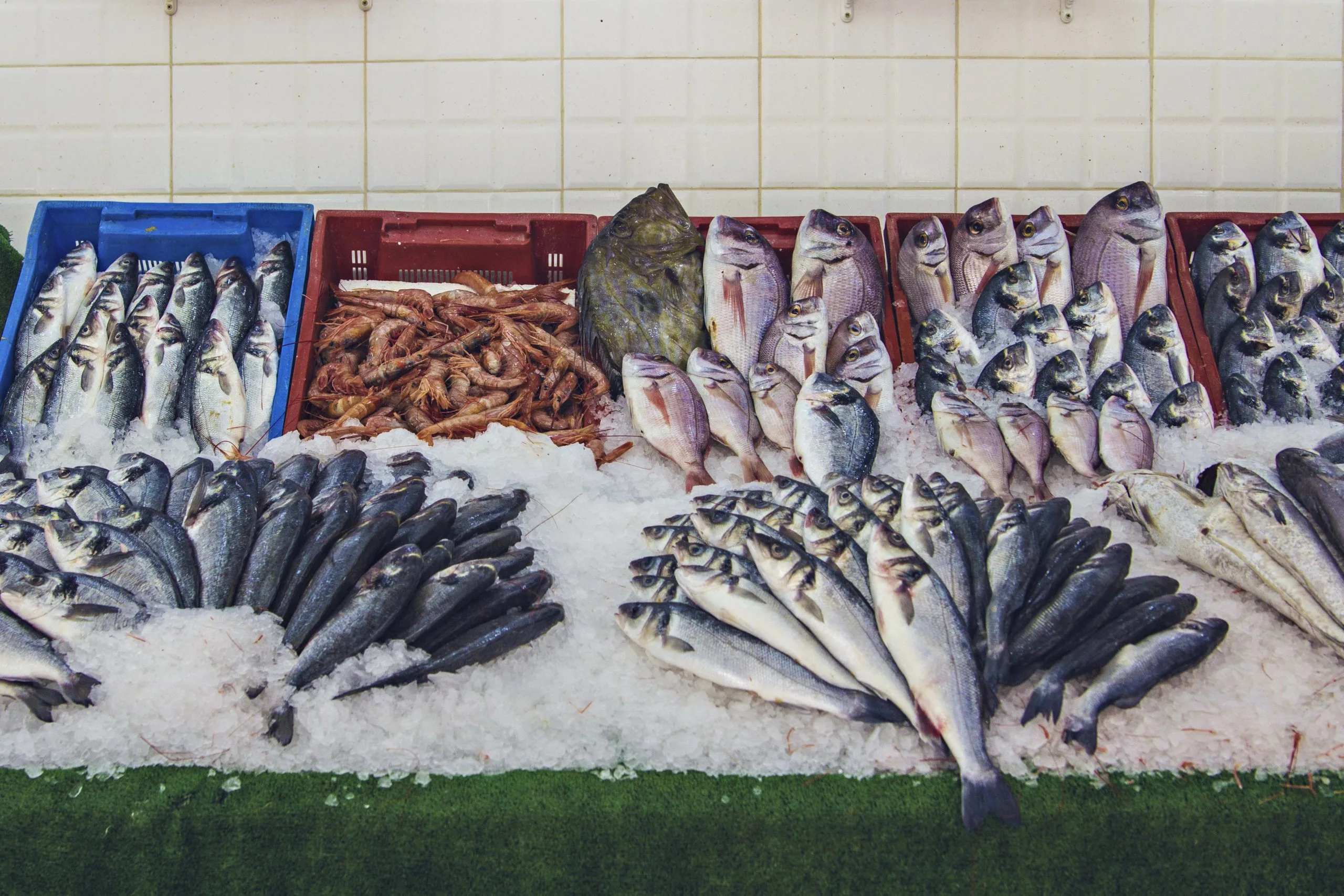
The Brazil frozen seafood market is experiencing steady expansion as consumers increasingly shift toward convenient, nutritious, and long-lasting food options. Frozen fish, shrimp, and processed seafood products are gaining popularity across urban households, driven by busy lifestyles and evolving dietary habits. The market has already crossed USD 18 billion and is projected to grow further, supported by rising demand and improved retail infrastructure. With Brazil emerging as a key consumer in Latin America, accounting for nearly 369 thousand tons of regional seafood consumption, the market is becoming a critical segment within the country’s food ecosystem. This shift highlights how frozen seafood is becoming a practical and increasingly preferred dietary choice.
Key Growth Drivers of the Brazil Frozen Seafood Market
Rising Demand for Convenient and Ready to Cook Foods
Convenience is one of the biggest drivers of the Brazil frozen seafood market. As urbanization accelerates and dual-income households increase, consumers are prioritizing quick and easy meal solutions. Frozen seafood offers a perfect balance of convenience and nutrition, with minimal preparation time and longer shelf life. The expansion of supermarkets, hypermarkets, and online grocery platforms has further improved accessibility, allowing consumers to easily purchase frozen seafood products. This trend is particularly strong in metropolitan areas, where time constraints make ready-to-cook options highly attractive. Over time, frozen seafood has transitioned from a backup food option to a staple in modern Brazilian kitchens.
Growing Health Awareness and Protein Consumption
Health awareness is another major factor fueling market growth. Seafood is widely recognized as a rich source of protein, omega-3 fatty acids, and essential nutrients, making it a preferred choice among health-conscious consumers. Brazil’s growing middle class and rising disposable incomes are also encouraging dietary diversification, with consumers incorporating more seafood into their daily meals. This shift toward protein-rich diets is strengthening demand for frozen seafood, which offers consistent quality and availability compared to fresh alternatives. As awareness around nutrition grows, frozen seafood is increasingly seen as both a convenient and healthy option.
Strong Aquaculture Base and Local Production
Brazil’s strong aquaculture sector provides a solid foundation for the frozen seafood market. The country produced nearly 968,745 tons of farmed fish, with tilapia alone accounting for over 662,000 tons. This robust supply chain supports large-scale processing and distribution of frozen seafood, including fillets, shrimp packs, and ready-to-cook products. Local production not only ensures consistent availability but also helps reduce reliance on imports. The integration of aquaculture with processing and export capabilities is playing a crucial role in driving market expansion and competitiveness.
Government Support Strengthening the Brazil Frozen Seafood Market
Government initiatives aimed at promoting aquaculture, sustainable fishing, and food security are supporting the growth of the Brazil frozen seafood market. Policies encouraging domestic fish farming and export-oriented seafood processing are helping strengthen supply chains and boost production capacity. Additionally, sustainability regulations and certifications are improving consumer confidence and ensuring responsible sourcing practices. These initiatives are not only enhancing the quality of available products but also positioning Brazil as a competitive player in both domestic and international seafood markets.
Competitive Landscape of the Brazil Frozen Seafood Market
The Brazil frozen seafood market is moderately competitive, with a mix of domestic processors and international players. Companies are focusing on expanding their product portfolios to include value-added offerings such as pre-seasoned, breaded, and ready-to-eat seafood products. Retailers are also introducing private-label frozen seafood brands to capture a larger share of the market. Strategic investments in cold-chain logistics and processing facilities are helping companies enhance product quality and distribution efficiency. This competitive environment is driving innovation and improving overall consumer experience.
Market Challenges in the Brazil Frozen Seafood Market
Supply Chain and Infrastructure Gaps
Despite strong growth, the Brazil frozen seafood market faces challenges related to cold-chain infrastructure and logistics. Maintaining consistent temperature control across long distances can be complex, particularly in remote regions. These limitations can affect product quality and increase operational costs, posing a challenge for market expansion beyond major urban centers.
Price Sensitivity and Market Competition
Price sensitivity remains another key challenge, especially among middle- and lower-income consumers. Frozen seafood products can sometimes be perceived as premium compared to traditional protein sources. Additionally, competition from fresh seafood and other protein options such as poultry can limit market penetration. Companies must focus on affordability and value differentiation to attract a wider consumer base.
Future Outlook
The future of the Brazil frozen seafood market looks promising, with steady growth expected in the coming years. The market is projected to grow at a CAGR of around 4% to 5%, supported by increasing urbanization and rising demand for convenient protein sources. Advancements in freezing technology and cold-chain logistics will continue to improve product quality and shelf life. At the same time, growing consumer interest in sustainability and traceability will shape purchasing decisions. In the long term, frozen seafood is expected to become a more integral part of Brazilian diets, driven by a combination of affordability improvements, innovation, and changing food consumption habits.
Consultants at Nexdigm, in their latest publication “Brazil Frozen Seafood Market Outlook to 2035,” analyze the sector By Product Form (Raw Frozen Seafood, Cooked Frozen Seafood, Breaded and Battered Frozen Seafood), By Sales Channel (Supermarkets and Hypermarkets, Cash-and-Carry and Wholesale Retail).
Nexdigm suggests that businesses should capitalize on Brazil’s strong aquaculture base and growing demand for convenient, protein-rich foods by investing in value-added frozen seafood products, strengthening cold-chain infrastructure, and aligning with sustainability and traceability trends to enhance consumer trust and capture long-term growth in the Brazil frozen seafood market.
To take the next step, simply visit our Request a Consultation page and share your requirements with us.
Harsh Mittal
+91-8422857704