
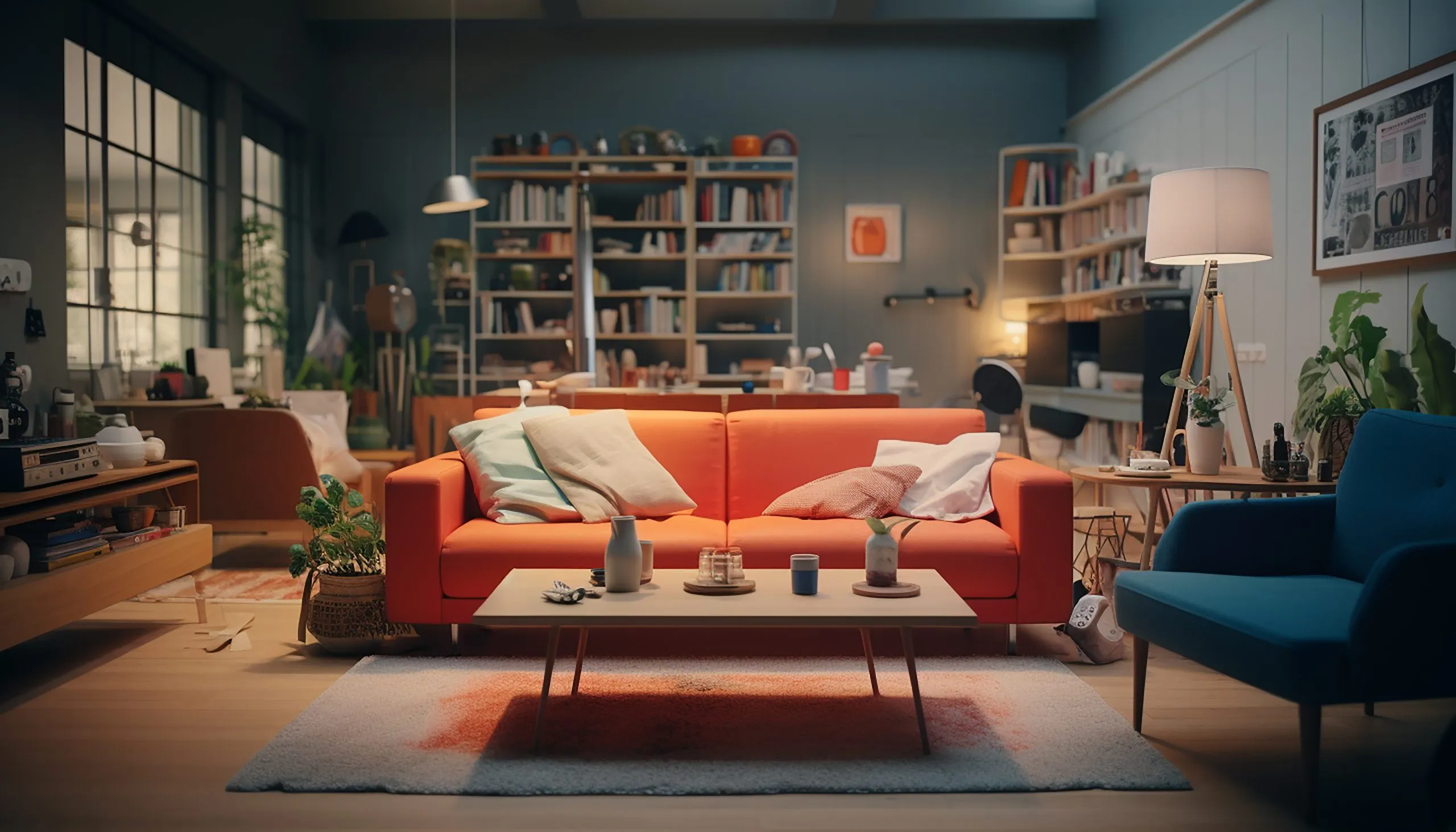
The Brazil furniture and home furnishing market is expanding as consumers invest in comfortable, functional, and better-designed living spaces. The market includes sofas, beds, wardrobes, dining tables, chairs, cabinets, storage units, mattresses, lighting, home décor, textiles, and furnishing accessories used across residential and commercial spaces. Brazil’s furniture market is estimated at USD 16.15 billion in 2026 and is projected to reach USD 19.74 billion by 2031, growing at 4.10% CAGR. As urban households modernize interiors and consumers seek practical yet stylish solutions, furniture and home furnishings remain important lifestyle purchases.
Key market drivers are strengthening furniture and furnishing demand in Brazil
Urban housing and household upgrades are supporting steady purchases
Brazil’s growing urban population and changing household needs are supporting demand for furniture and home furnishing products. Consumers are investing in sofas, beds, wardrobes, dining sets, storage units, mattresses, and décor items that make homes more comfortable and organized. Apartments and compact homes are creating demand for space-saving and modular furniture, while larger households continue to prefer durable and value-driven products. Furniture purchases are also linked to life events such as moving homes, marriage, family expansion, and renovation. Retailers that offer affordable designs, easy financing, reliable delivery, and localized collections can better serve Brazil’s diverse consumer base.
Renovation and interior improvement are influencing buying behavior
Home renovation, remodeling, and interior improvement are important demand drivers in Brazil. Many consumers are improving existing homes rather than making major property moves, which supports purchases of cabinets, kitchen furniture, living room sets, lighting, textiles, and decorative furnishings. Rising exposure to interior design content, online inspiration, and social media is also encouraging consumers to refresh home spaces more frequently. The global home décor market was valued at USD 960.14 billion in 2024 and is projected to reach USD 1.62 trillion by 2030, showing strong worldwide demand for personalized interiors. This trend is also visible in Brazil’s urban retail market.
Digital retail and flexible payment options are expanding access
E-commerce platforms, digital catalogs, online marketplaces, mobile shopping, and installment payment options are helping furniture retailers reach more consumers. Buyers increasingly compare designs, prices, reviews, and delivery terms online before making purchases.
Government initiatives and housing development are supporting market growth
Government support for housing, infrastructure, industrial development, and small business activity indirectly supports Brazil’s furniture and home furnishing market. Affordable housing programs and residential construction activity can create demand for essential furniture, mattresses, storage products, and household furnishings. Policies that support domestic manufacturing, formal retail, logistics, and credit access also help furniture producers and retailers improve market reach. In addition, sustainability rules and responsible sourcing expectations are encouraging companies to consider certified wood, recyclable materials, and more efficient production practices.
Competitive landscape is becoming more design led and digitally enabled
The Brazil furniture and home furnishing market includes domestic manufacturers, regional furniture clusters, specialty retailers, department stores, e-commerce platforms, home improvement chains, premium brands, and local carpentry businesses. Competition is shaped by price, durability, design, delivery speed, financing, customization, and after-sales service. Domestic players benefit from local production knowledge and consumer familiarity, while international and digital-first brands compete through modern designs and online convenience. Retailers are increasingly combining showroom experiences with digital discovery to improve customer confidence and conversion.
Market challenges continue to affect affordability and supply efficiency
Price sensitivity can limit premium purchases
Many Brazilian consumers remain price-conscious, especially when buying large-ticket furniture items. Inflation, household budget pressure, and credit conditions can delay purchases or shift demand toward lower-cost alternatives.
Logistics and material costs can pressure margins
Furniture is bulky and costly to store, transport, deliver, and return. Wood, foam, fabric, metal, freight, and warehousing cost changes can affect manufacturer and retailer profitability.
Future outlook
The future outlook for the Brazil furniture and home furnishing market remains positive, supported by urbanization, renovation activity, digital retail adoption, lifestyle upgrades, and demand for affordable design. Opportunities are expected across modular furniture, mattresses, storage solutions, home office furniture, kitchen furniture, outdoor furniture, décor accessories, and sustainable materials. As Brazil’s furniture market moves toward USD 19.74 billion by 2031, companies that combine value pricing, quality, localized design, flexible payment options, efficient logistics, and omnichannel convenience will be better positioned to capture long-term growth.
Consultants at Nexdigm, in their latest publication “Brazil furniture and home furnishing market outlook to 2035,” analyze the sector By Product Category (Living Room Furniture, Bedroom Furniture, Dining and Kitchen Furniture, Office and Home Office Furniture), By Room Type (Living Room, Bedroom, Dining Room)
Nexdigm suggests that businesses in the Brazil furniture and home furnishing market should focus on affordable, durable, and space-efficient products that address urban housing, renovation, and lifestyle-led interior needs.
To take the next step, simply visit our Request a Consultation page and share your requirements with us.
Harsh Mittal
+91-8422857704