
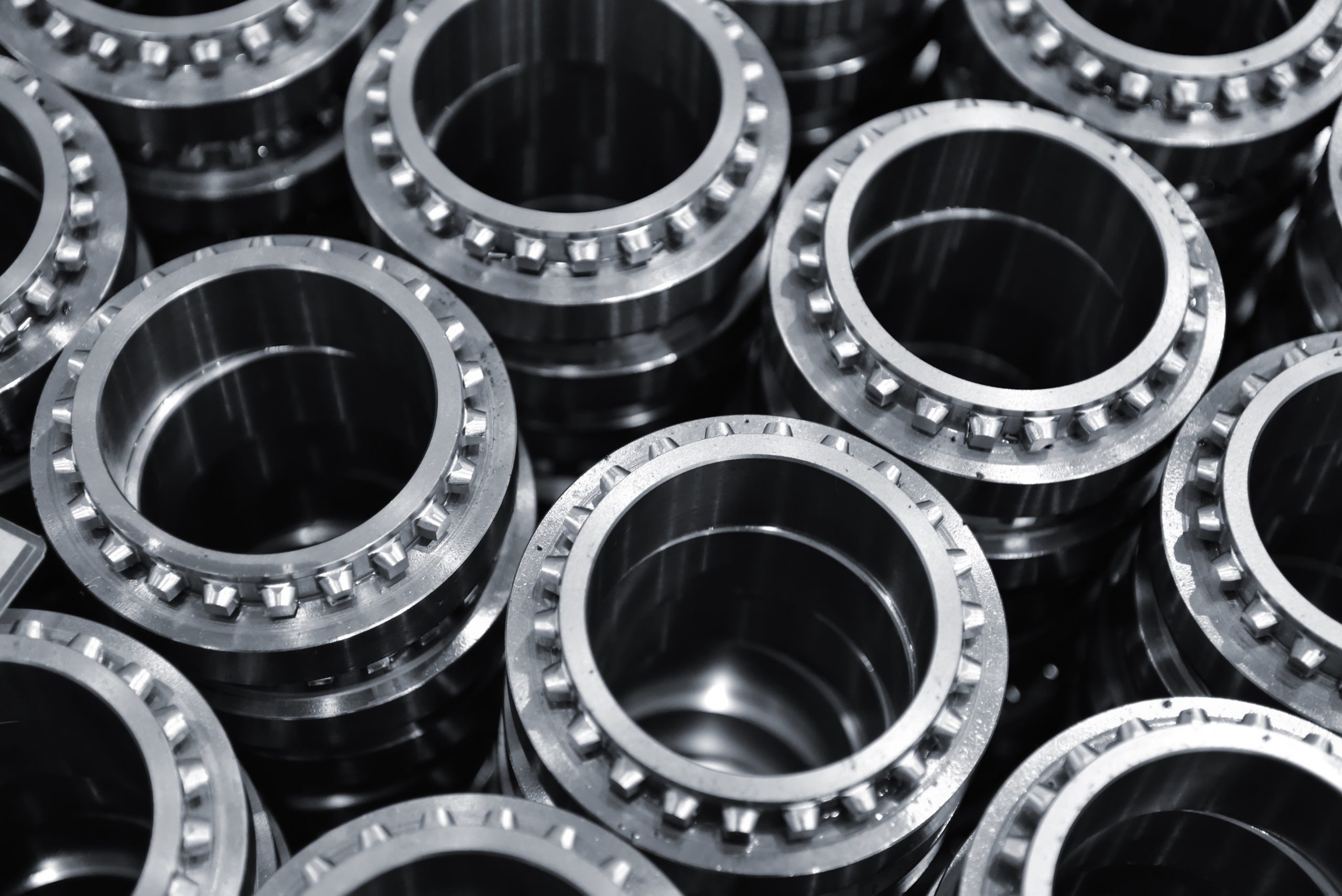
Brazil’s industrial landscape depends on reliable gaskets and seals to support equipment performance across automotive, oil and gas, manufacturing, chemical processing, power generation, and infrastructure sectors. These components play an important role in preventing leakage, maintaining pressure, and improving operational efficiency in demanding environments. Brazil’s industrial gaskets market was valued at approximately USD 303.1 million in 2025 and is projected to reach USD 377.7 million by 2030, growing at a 4.5% CAGR. As industries modernize equipment and expand production capabilities, demand is increasing for durable and application-specific sealing solutions.
Market Drivers for Brazil’s Gaskets and Seals Industry
Oil and Gas Operations Support Brazil’s Sealing Demand
Brazil’s oil and gas industry remains a major contributor to gasket and seal demand. Offshore production facilities, refineries, pipelines, pumps, compressors, and processing systems require sealing components capable of handling high pressure, temperature changes, and challenging operating environments. The country’s position as a major energy producer supports continued demand for industrial sealing products. Refineries represent one of the largest application areas within Brazil’s industrial gasket market, with demand supported by maintenance activities and infrastructure upgrades. As energy companies focus on improving operational reliability and reducing equipment downtime, suppliers offering high-performance materials such as graphite, PTFE, metallic gaskets, and engineered elastomers can find opportunities across the oil and gas value chain.
Automotive Manufacturing Expands Market Opportunities
Brazil’s automotive sector is another important driver for gaskets and seals. Components are used in engines, transmissions, braking systems, cooling systems, exhaust systems, and other vehicle assemblies. The country’s automotive industry remains one of the largest manufacturing sectors in Latin America, supporting demand for both original equipment and replacement sealing components. The transition toward electric and hybrid vehicles is also changing sealing requirements. Battery systems, thermal management units, and electronic components require specialized materials that provide protection against moisture, vibration, and temperature variations. As automotive manufacturers strengthen local supply chains, gasket and seal suppliers with capabilities in customization, quality control, and advanced materials can benefit from new opportunities.
Government Initiatives Supporting Brazil’s Gaskets and Seals Industry
Brazil’s industrial policies focus on strengthening manufacturing capabilities, infrastructure development, and technological advancement. Government initiatives supporting automotive production, energy projects, and industrial modernization indirectly benefit the gasket and seal sector by expanding demand for industrial equipment and components. Policies related to quality standards, local manufacturing, and investment incentives also encourage companies to improve production capabilities and develop stronger domestic supply chains.
Competitive Landscape of Brazil’s Gaskets and Seals Industry
Brazil’s gaskets and seals market includes international manufacturers, domestic producers, distributors, engineering companies, and MRO suppliers. Competition is influenced by product quality, customization, pricing, technical support, and delivery capabilities. International suppliers often serve specialized applications requiring advanced materials and certifications, while local companies compete through faster response times and regional market knowledge. As industrial customers increasingly prioritize reliability and reduced downtime, suppliers offering application-specific solutions and strong technical expertise can strengthen their market position.
Major Challenges Facing Brazil’s Gaskets and Seals Industry
Raw Material Fluctuations Affect Production Costs
Brazilian gasket and seal manufacturers depend on materials such as rubber, PTFE, graphite, and metals, which can experience price fluctuations due to global supply conditions. Changes in material costs, logistics expenses, and currency movements can impact production costs and pricing strategies.
Technical Requirements Increase Market Complexity
Industrial customers increasingly require sealing products capable of operating under high pressure, extreme temperatures, and chemical exposure. Meeting these requirements requires investment in testing, certification, material development, and quality systems. Smaller manufacturers may face challenges competing with larger companies that have greater technical resources and established supply networks.
Future Outlook
As we look ahead, Brazil’s gaskets and seals market is expected to grow alongside the country’s industrial development, energy expansion, and manufacturing activities. The market is projected to increase from USD 303.1 million in 2025 to USD 377.7 million by 2030, supported by demand from oil and gas, petrochemicals, manufacturing, and infrastructure sectors. Future opportunities will likely center on advanced sealing materials, customized solutions, and products designed for improved efficiency and durability. Companies that invest in local partnerships, technical capabilities, quality systems, and reliable distribution networks will be better positioned to support Brazil’s evolving industrial requirements.
Consultants at Nexdigm, in their latest publication “Brazil Gaskets and Seals Market Outlook to 2035,” analyze the sector By Product Type (Spiral Wound, Ring Type Joint and Metal Jacketed Gaskets), By Sealing Function (Static, Dynamic Sealing Systems, Rotary Equipment Sealing and Pneumatic Sealing).
Nexdigm suggests that businesses in the Brazil Gasket and Seals Industry must strengthen product innovation, expand customized sealing solutions, improve supply-chain resilience, and enhance technical capabilities to meet growing demand from automotive, manufacturing, and infrastructure sectors. Companies should focus on advanced materials and efficient distribution networks to address evolving industrial requirements.
To take the next step, simply visit our Request a Consultation page and share your requirements with us.
Harsh Mittal
+91-8422857704