
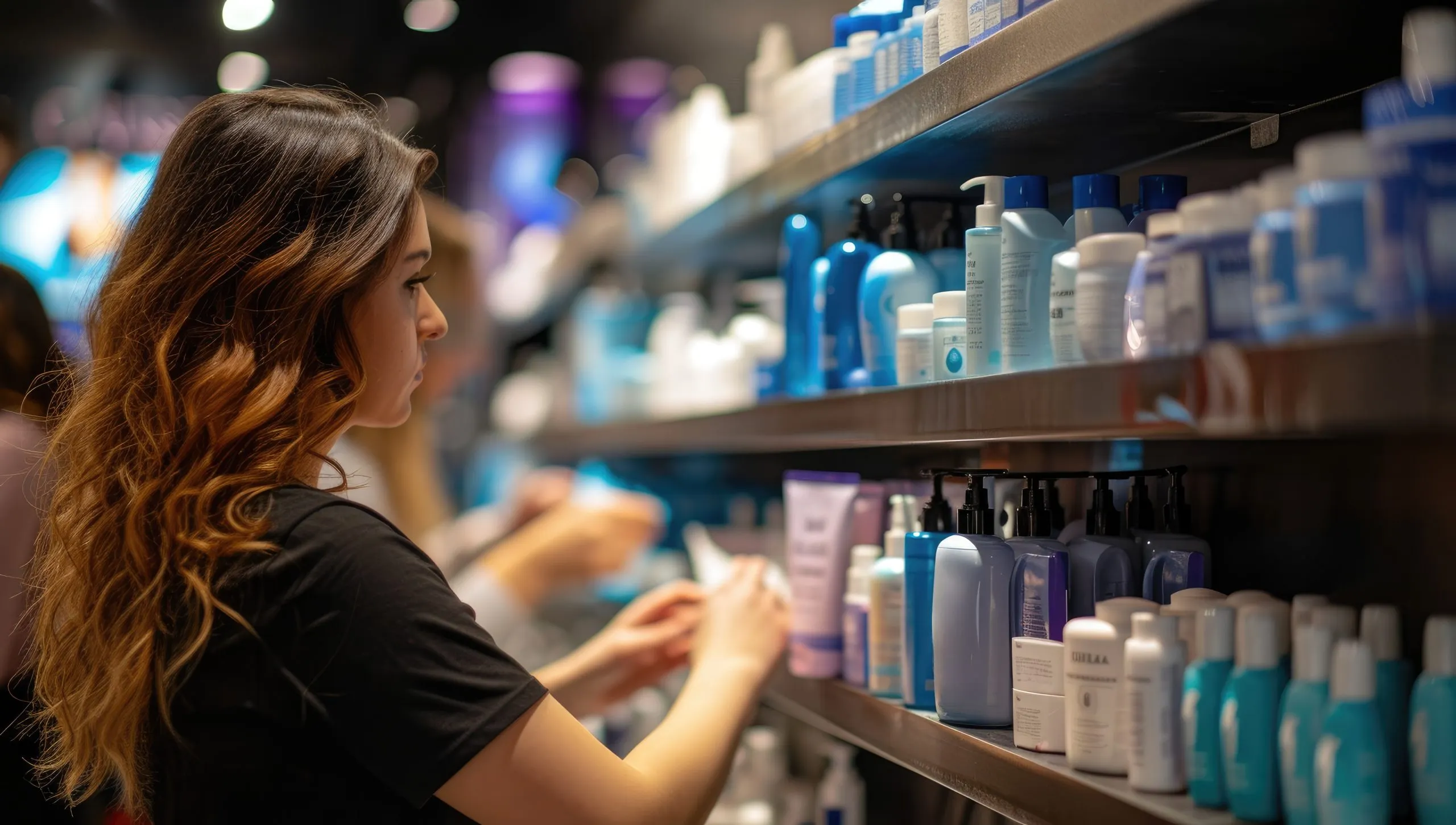
Brazil’s hair care market is supported by strong beauty habits, diverse hair types, salon culture, and rising demand for products that deliver visible results. Consumers across Brazil use shampoos, conditioners, masks, oils, leave-ins, styling creams, and treatments to manage curls, frizz, heat damage, color care, scalp health, and hydration. The Brazil hair care market is estimated to reach USD 8.97 billion in the upcoming years. This shows steady demand across mass, premium, natural, and professional hair care products. By the next decade, hair care is likely to become even more personalized, ingredient-led, and treatment-focused. For many consumers, hair care is not just about grooming; it is closely linked to confidence, self-expression, and daily beauty habits.
What Is Shaping Hair Care Demand in Brazil?
Curly, Textured, and Inclusive Hair Care Are Leading Product Choices
Brazil has a highly diverse consumer base, with strong demand for products designed for curly, coily, wavy, straightened, color-treated, and chemically treated hair. This has made inclusivity a major theme in the hair care market. Consumers are looking for products that help manage frizz, define curls, protect chemically treated hair, and improve moisture retention in humid conditions. Market trends show that inclusivity for textured hair, premiumization, scalp-health solutions, and digital commerce are becoming important forces in Brazil’s hair care market. This creates opportunities for brands offering curl creams, leave-in conditioners, deep masks, oils, anti-frizz serums, and bond-repair treatments. As consumers become more informed, they are likely to choose products that match their hair texture and daily styling needs more closely. Brands that understand Brazil’s diverse hair routines will have a stronger chance of building loyalty. Products that feel personal, practical, and culturally relevant are likely to stand out.
Premium, Natural, and Treatment-Based Products Are Gaining Ground
Brazilian consumers are showing stronger interest in products that combine beauty, wellness, and performance. Natural oils, botanical ingredients, vegan claims, sulfate-free formulas, silicone-free conditioners, and products for scalp health are gaining attention. At the same time, premium hair care is growing as consumers seek salon-like results at home. Brazil’s professional hair care market is forecast to reach heights. Coloring, straightening, and perming remain dominant salon services. This points to continued demand for color protection, damage repair, smoothing treatments, and professional-grade products. As salon services influence home routines, consumers are likely to spend more on products that help maintain results between appointments. Products that combine salon credibility with everyday convenience are expected to gain wider appeal.
Online Discovery Is Changing How Consumers Choose Products
Digital channels are becoming more important in Brazil’s hair care market. Consumers are discovering products through influencers, beauty tutorials, online reviews, marketplaces, and brand-owned platforms. This has helped smaller and niche brands reach consumers who are looking for targeted products for curls, scalp care, hair repair, or natural ingredients. Social media also makes product results more visible. Before-and-after videos, routine demonstrations, and stylist recommendations can quickly influence purchase decisions. This benefits brands that can show clear performance claims and build trust through authentic content. E-commerce also allows consumers to compare products, ingredients, prices, and reviews more easily. Over time, digital discovery is expected to support faster adoption of specialized and premium hair care products across Brazil. Brands that communicate simply and show real results will have an advantage online.
Brazilian Government Support for Hair Care Market Growth
Brazil’s cosmetics and personal care industry is regulated by ANVISA, which oversees personal hygiene products, cosmetics, and fragrances. ANVISA maintains technical requirements covering product categories, permitted preservatives, restricted substances, colorants, UV filters, and other safety-related areas. This regulatory structure helps shape product quality, safety, labeling, and market access for hair care brands. Companies selling in Brazil need to manage compliance carefully, especially for imported products, specialized claims, and formulas containing regulated ingredients. For consumers, stronger oversight can support greater trust in product safety. For brands, regulatory readiness can become a competitive advantage, particularly in premium, professional, and treatment-led hair care categories. Clear documentation and transparent claims will matter more as consumers become more ingredient aware. Companies that make safety and transparency easy to understand are likely to build stronger trust.
Competitive Landscape of the Brazil Hair Care Market
Brazil’s hair care market is competitive, with global beauty companies, local brands, salon-led product lines, natural-product specialists, direct-to-consumer players, and professional hair care companies all competing for consumer attention. Competition is shaped by price, performance, fragrance, ingredients, packaging, distribution, salon credibility, and suitability for Brazil’s diverse hair types. Large brands compete through broad product portfolios, retail partnerships, advertising, and innovation. Local brands often compete through stronger cultural relevance, knowledge of Brazilian hair routines, and affordability. As consumers become more selective, brands that offer clear benefits for curls, frizz, color care, scalp health, hydration, and damage repair are likely to stand out. Strong digital engagement and trusted salon recommendations will also influence repeat purchases. Brands that combine emotional connection with visible product performance will be better positioned in the long run.
Challenges facing the Brazil Hair Care Market
Price Sensitivity and Strong Competition
Brazil’s hair care market serves consumers across many income levels, making price sensitivity an important challenge. Premium products are growing, but many consumers still compare value, pack size, discounts, and product performance before purchasing. In a crowded market, brands must work harder to justify pricing and maintain loyalty. Competition is also intense across supermarkets, pharmacies, beauty stores, salons, marketplaces, and online channels. Brands that fail to show clear results may struggle to retain consumers. Strong claims, visible performance, and accessible pricing will be important for long-term growth. Companies will also need to balance premium positioning with affordability to reach a wider consumer base.
Ingredient Awareness and Compliance Pressure
Consumers are becoming more aware of ingredients, product claims, sustainability, and hair health. This increases pressure on brands to be transparent about formulas and avoid claims that feel unclear or exaggerated. At the same time, companies must manage regulatory requirements, labeling rules, import processes, and product safety expectations. This can be more difficult for smaller or international brands entering Brazil. Balancing clean-label trends, performance, affordability, and compliance will remain a key challenge. Brands that invest in safety, testing, and clear communication are likely to earn stronger consumer trust. As ingredient awareness grows, consumers will expect brands to explain not only what is inside the product, but also why it matters.
Future Outlook
Looking ahead, Brazil’s hair care market is expected to become more personalized, inclusive, and treatment led. Demand will likely be strong for products that support curls, textured hair, scalp care, hydration, frizz control, color protection, smoothing, and damage repair. The market’s projected rise shows steady long-term momentum. Future growth is expected to favor brands that combine performance, affordability, ingredient transparency, and cultural relevance. Natural, premium, professional, and salon-inspired products are likely to gain wider adoption. E-commerce, influencer-led discovery, and professional recommendations will continue to shape how consumers choose products.
Consultants at Nexdigm, in their latest publication Brazil Hair Care Market Outlook to 2035,” analyzed the market by Product Type (Shampoo, Conditioner, Hiar Masks, Dry Shampoo, Hair Colorants, Hair Styling Products, Hair Growth and Anti Thinning Products), by Price Tier (Mass, Masstige, Prestige, Luxury Salon, Professional).
Nexdigm believes businesses in the hair care market should focus on building trusted brands, creating effective products, and responding to evolving consumer preferences. By supporting regulatory, operational, tax, accounting, and compliance needs, Nexdigm helps companies simplify complexity and stay focused on sustainable growth and market expansion.
To take the next step, simply visit our Request a Consultation page and share your requirements with us.
Harsh Mittal
+91-8422857704