
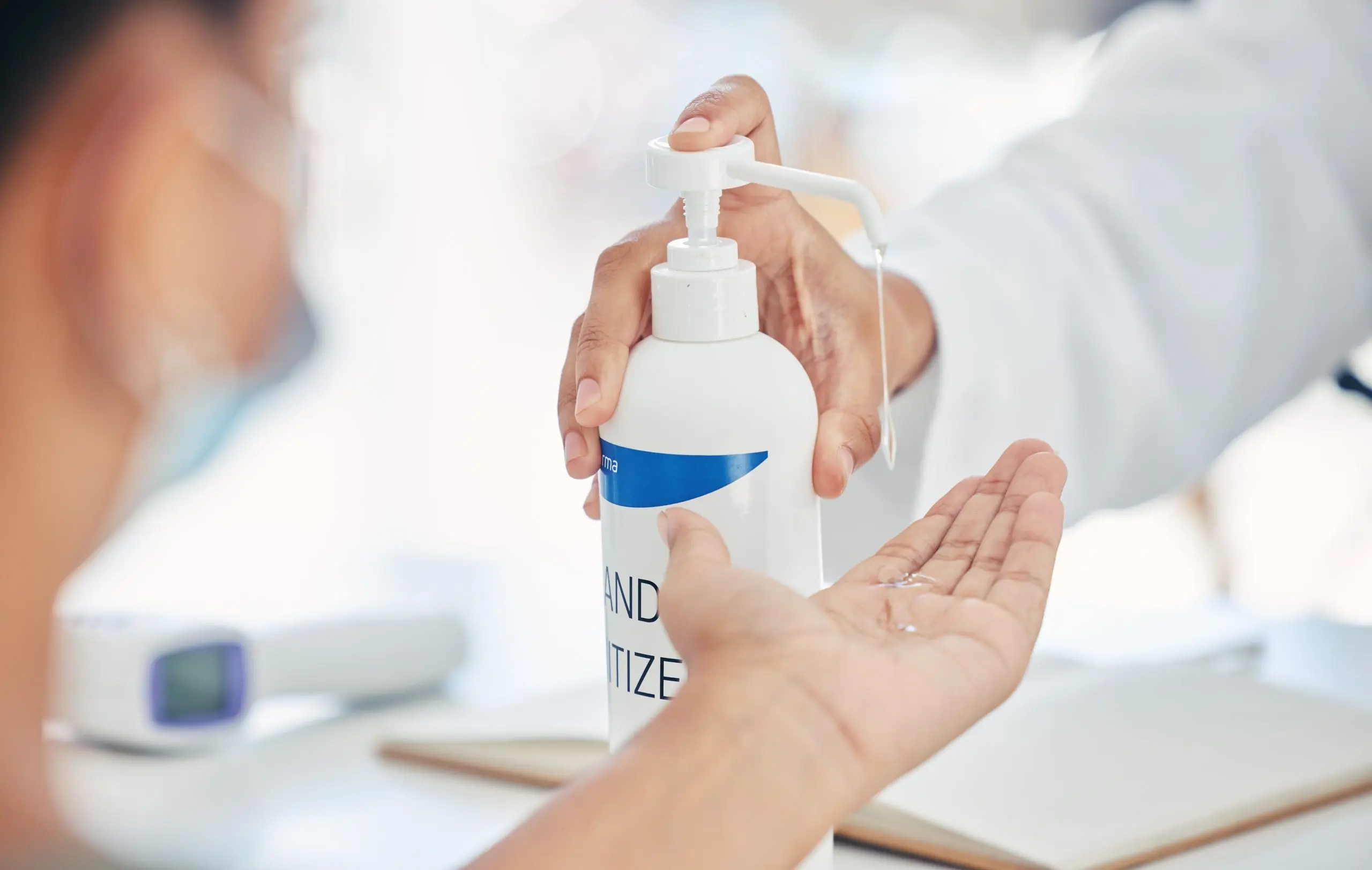
The Brazil hand sanitizer market is expected to grow steadily as personal hygiene remains a regular part of daily life across homes, hospitals, schools, offices, public transport, gyms, restaurants, and retail spaces. While demand has normalized after the pandemic-led surge, hand sanitizers continue to be valued for their convenience and quick germ-protection benefits when soap and water are not available. The Brazil hand sanitizer market is growing at a CAGR of 5.9% in the coming years. Growth is expected to be supported by rising hygiene awareness, healthcare demand, wider retail access, and continued use of alcohol-based sanitizers. The market is also becoming more product-focused, with consumers showing interest in sanitizers that are effective, easy to carry, pleasant to use, and less harsh on the skin.
Factors Driving Growth in the Brazil Hand Sanitizer Market
Rising Focus on Daily Hygiene and Public Health
Personal hygiene awareness remains one of the strongest drivers of Brazil’s hand sanitizer market. Consumers continue to use sanitizers in everyday settings such as homes, workplaces, schools, gyms, restaurants, public transport, shopping centers, and travel locations. For many people, hand sanitizers have become a practical hygiene product that fits easily into bags, cars, office desks, and public spaces. Demand is especially strong for alcohol-based products, including gels, sprays, wipes, and foam formats. Gel sanitizers remain popular because they are easy to use, widely available, and suitable for both household and institutional use.
Strong Usage Across Healthcare and Institutional Channels
Hospitals, clinics, laboratories, pharmacies, schools, offices, foodservice businesses, and public facilities remain important buyers of hand sanitizers in Brazil. In these settings, sanitizers are used as part of broader hygiene, infection prevention, workplace safety, and public health practices. Wall-mounted dispensers, refill packs, bulk bottles, and institutional supply formats are especially important for commercial and healthcare buyers. Brazil’s large urban population and high footfall across public-facing spaces also support regular demand. Retail stores, transport hubs, offices, and public venues are likely to continue placing sanitizers in shared areas to support visitor and employee hygiene. This institutional use gives the market a more stable demand base beyond household purchases.
Product Innovation and Wider Retail Access
Brands in Brazil are moving beyond basic sanitizing products by offering formulas that are more comfortable for frequent use. Consumers are showing interest in sanitizers with moisturizing ingredients, quick-drying textures, pleasant fragrances, travel-size packaging, and refillable formats. These features help reduce dryness and make sanitizers more appealing for people who use them several times a day. Retail access is also helping the market grow. Hand sanitizers are widely available through supermarkets, pharmacies, convenience stores, e-commerce platforms, healthcare suppliers, and direct institutional channels. The broader Latin America hand sanitizer market shows strong regional momentum. This creates a favorable environment for brands expanding across Brazil’s retail and commercial hygiene channels.
How Public Health Standards Support the Hand Sanitizer Market in Brazil
Brazil’s regulatory framework plays an important role in supporting product safety, quality, and consumer trust in the hand sanitizer market. The National Health Surveillance Agency, ANVISA, oversees sanitary control of regulated products, ingredients, production, marketing, and usage standards. This helps ensure that products sold in the market meet required safety and labeling expectations. ANVISA also regulates personal hygiene products, cosmetics, and fragrances, which makes it an important authority for companies operating in the sanitizer and personal care space. Clear rules around product quality and compliance are especially important in a category where consumers expect safety and effectiveness. Stronger oversight also helps reduce risks linked to low-quality, poorly labeled, or non-compliant products.
Competitive Scenario in the Brazil Hand Sanitizer Market
The Brazil hand sanitizer market is competitive, with multinational, regional, and local brands offering gel, spray, foam, wipes, bottled, travel-size, and refill formats. Companies compete on alcohol content, product safety, fragrance, skin feel, packaging, price, distribution reach, and ability to serve institutional buyers. Pharmacies, supermarkets, hospitals, online platforms, and commercial procurement channels all play an important role in shaping brand visibility. Local players can compete through affordability, familiar branding, and strong access to regional retail networks. Larger companies often benefit from established quality assurance, consumer trust, and stronger relationships with pharmacies, healthcare facilities, and commercial buyers. As the market matures, brands will need to stand out through safety, convenience, skin-friendly formulations, and consistent product availability.
Barriers Affecting Brazil Hand Sanitizer Market Growth
Demand Normalization and Price Competition
One of the main challenges in Brazil’s hand sanitizer market is demand normalization after the pandemic-driven surge. Consumers and institutions still purchase sanitizers but buying patterns are now more routine and less urgent. This creates a more competitive environment, especially in mass-market gels, refill packs, and bulk formats. Price competition remains strong because many similar products are available across pharmacies, supermarkets, and online channels. Consumers and institutional buyers often compare prices closely, which can pressure margins. Brands that cannot clearly communicate product quality, safety, skin benefits, or convenience may find it difficult to justify premium pricing.
Regulatory Compliance and Product Quality Concerns
Hand sanitizer manufacturers must meet Brazil’s product safety, labeling, and regulatory requirements. Compliance with ANVISA rules can involve documentation, quality controls, ingredient checks, and proper product claims, which may increase costs for smaller companies. However, these requirements are important for protecting consumers and maintaining market trust. Low-quality or non-compliant products can create safety concerns and damage confidence in the category. Consumers are also becoming more aware of ingredients, alcohol content, fragrance, and skin feel. Brands that provide clear labeling, reliable quality, and transparent claims will be better placed to build repeat demand.
Future Outlook
The Brazil hand sanitizer market is expected to maintain steady growth supported by long-term hygiene awareness, healthcare use, institutional procurement, public-space hygiene practices, and product innovation. Alcohol-based gels are likely to remain a major category, while sprays, foams, wipes, travel packs, refill bottles, and dispenser systems may gain stronger adoption among consumers and commercial buyers. With the market projected to reach USD 613.20 million in the coming years, Brazil offers meaningful opportunities for brands that combine safety, affordability, convenience, and skin-friendly formulations. Companies that invest in compliant products, reliable distribution, refillable formats, and pleasant user experiences will be better positioned for long-term growth. As hygiene remains part of everyday routines, hand sanitizers are expected to stay relevant across households, healthcare facilities, workplaces, schools, retail stores, and public environments.
Consultants at Nexdigm, in their latest publication Brazil Hand Sanitizer Market Outlook to 2035,” analyzed the market by Product Type (Gel bases, Spray Based, Wipes and Foam based Hand Sanitizers), by Application based (Healthcare, Retail and Consumer Use, Corporate and Industrial Use, Hospitality Services Use).
Nexdigm believes businesses in the hand sanitizer industry must stay focused on innovation, product safety, and consumer trust. With hygiene habits becoming a regular part of daily life, companies that offer effective, skin-friendly, and conveniently packaged sanitizers will be better positioned to capture long-term growth across household, commercial, healthcare, and public-use segments.
To take the next step, simply visit our Request a Consultation page and share your requirements with us.
Harsh Mittal
+91-8422857704