
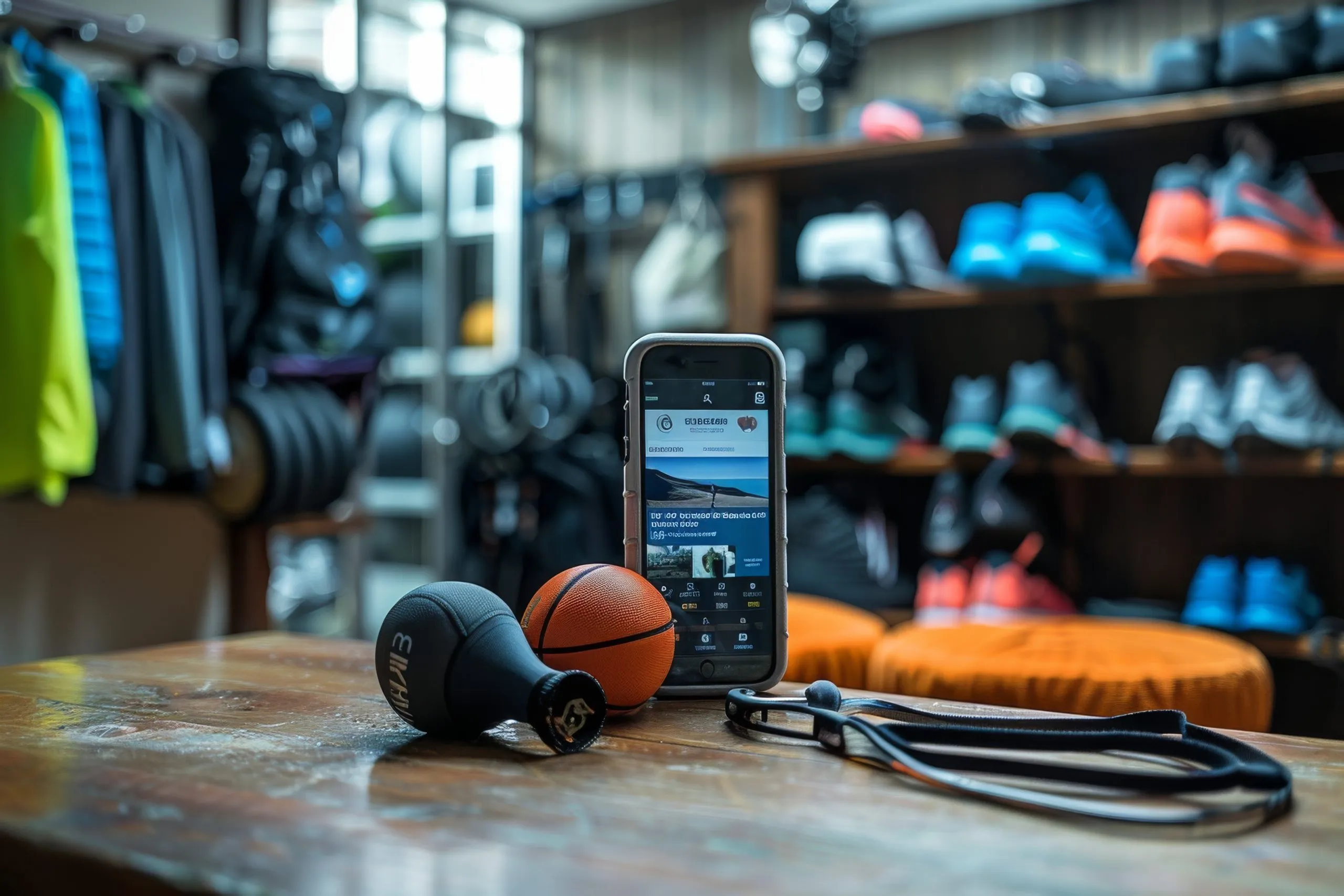
The Brazil health and fitness club market is expected to grow steadily supported by rising wellness awareness, urban lifestyles, preventive health needs, and demand for structured exercise spaces. Brazil is one of the largest fitness markets in Latin America, with more than 31,000 clubs and around 7.9 million club members, according to the Health & Fitness Association. The market is also benefiting consumers’ growing interest in strength training, group workouts, personal coaching, and digital fitness support. As fitness becomes more connected to health, lifestyle, and self-care, clubs are expected to play a broader role in everyday wellness. This shift encourages operators to move beyond basic gym access and offer more complete fitness and wellness experiences.
Factors affecting Demand of Growing Active Lifestyle in Brazil
Preventive Health Needs Are Bringing More People to Fitness Clubs
Rising health awareness is a major driver of Brazil’s health and fitness club market. Consumers are increasingly joining gyms and fitness studios not only for appearance-related goals but also for strength, mobility, stress management, and long-term disease prevention. This is especially relevant as Brazil continues to face rising lifestyle-related health concerns. Previously, 62.6% of Brazilians were overweight, showing the growing need for physical activity and healthier lifestyle habits. This creates long-term demand for fitness clubs, personal training, and wellness-focused services. As more consumers connect regular exercise with better health outcomes, structured fitness environments are expected to remain important.
Brazil’s Large Gym Network Is Making Fitness More Accessible
Brazil has a strong network of gyms, studios, and fitness centers across major cities and regional markets. With more than 31,000 clubs, the country has an established fitness infrastructure that supports both budget and premium fitness offerings. Urban consumers are increasingly seeking convenient fitness options near homes, offices, and public transport routes. This is helping drive demand for flexible memberships, low-cost gyms, boutique studios, personal training, and hybrid fitness models. Operators are also using digital tools, apps, and performance tracking to improve member engagement and retention. Wider access to different club formats is making fitness more approachable for consumers with varied budgets and workout preferences.
Digital Fitness and Corporate Wellness Are Changing the Market
Digital fitness and corporate wellness are reshaping how Brazilians access fitness services. Many consumers now combine in-club workouts with apps, virtual classes, wearable devices, and wellness platforms. Brazil-origin corporate wellness platform Gympass, now Well hub, reported more than 15,000 corporate clients and 2.7 million users across 11 countries, reflecting the rising role of employer-supported wellness models. This shift is encouraging clubs to offer more flexible and integrated services. Fitness centers that combine physical workouts with digital engagement, recovery, nutrition, and wellness support are likely to attract stronger demand. The ability to meet consumers both inside and outside the club will become increasingly important.
Government Efforts Encouraging Active Lifestyle in Brazil
Brazil’s public health initiatives continue to support physical activity and wellness awareness. The Academia da Saúde program is a national health promotion initiative involving municipalities, states, and the federal government, and has been described as one of Brazil’s most comprehensive health promotion programs. These efforts encourage healthier lifestyles, community-level exercise access, and disease prevention. While public programs do not directly replace private fitness clubs, they help build a wider culture of physical activity that can support long-term demand for fitness services. As more people become aware of the benefits of movement, private clubs may benefit from stronger interest in structured exercise options.
Competitive Landscape of Brazil’s Fitness Care Market
The Brazil health and fitness club market includes large gym chains, independent gyms, boutique studios, personal training centers, premium wellness clubs, and digital fitness platforms. Competition is shaped by pricing, location, trainer quality, equipment range, class variety, technology, and overall member experience. Large operators such as Smart Fit have expanded strongly across Brazil and Latin America; Smart Fit reported 736 gyms in Brazil based on recent survey. As competition increases, clubs must balance affordability with service quality and member retention. Operators that create convenient, motivating, and community-led environments are likely to stand out in a crowded market.
Factors Slowing down Brazil’s Health and Fitness Club Market Growth
Affordability and Retention Remain Ongoing Challenges
Fitness clubs face pressure from rent, equipment investment, staffing, utilities, and member price sensitivity. Many consumers may cancel memberships if they do not use facilities regularly or if costs rise. To improve retention, operators need to offer flexible pricing, personalized coaching, engaging classes, and clear progress tracking. Creating consistent workout habits among members will be important for reducing cancellations. Clubs that show visible value and measurable progress are better positioned to maintain loyalty.
Digital Alternatives Are Increasing Competition
Home workouts, fitness apps, online coaching, and low-cost digital programs are becoming stronger alternatives to physical clubs. While many consumers still value equipment access and in-person motivation, clubs must provide experiences that digital platforms cannot fully replace. Community, expert guidance, recovery services, and social workout formats can help clubs stay relevant. Hybrid offerings can also help operators keep members engaged in-club visits. The challenge will be to make physical clubs feel more valuable than standalone digital fitness options.
Future Outlook
In the coming years, the Brazil health and fitness club market is expected to become more wellness-focused, technology-enabled, and accessible across consumer segments. Growth will be supported by rising health awareness, urban fitness habits, obesity prevention needs, corporate wellness programs, and demand for flexible workout formats. Fitness clubs that combine affordability, convenience, digital engagement, expert coaching, and community-driven experiences are likely to gain stronger market share. Long-term opportunities will emerge in budget gyms, boutique studios, strength training, women-focused fitness, senior wellness, corporate memberships, and hybrid fitness platforms. As consumers increasingly treat fitness as part of everyday wellbeing, clubs that deliver flexible and results-oriented experiences will be better positioned for sustained growth.
Consultants at Nexdigm, in their latest publication Brazil Health & Fitness Club Market Outlook to 2035,” analyzed the market by Club Type (Commercial Gyms, Budget Gyms, Health Clubs and Wellness Centers, Yoga and Pilates Studio, Sports and Athletic Clubs), by Service Offering (Cardio and Strength Training, Personal, Functional Training, Yoga and Pilates Studio, HIIT and Bootcamp, Cycling Studios, Aquatics and Sports Facilities).
Nexdigm believes businesses in the fitness care industry must focus on personalized member experiences, flexible pricing, and technology-enabled services to stay competitive. As consumers increasingly view fitness as part of everyday wellness, companies need to offer more than basic gym access. Hybrid memberships, digital engagement, expert coaching, recovery services, and community-driven programs will be critical for improving retention.
To take the next step, simply visit our Request a Consultation page and share your requirements with us.
Harsh Mittal
+91-8422857704