
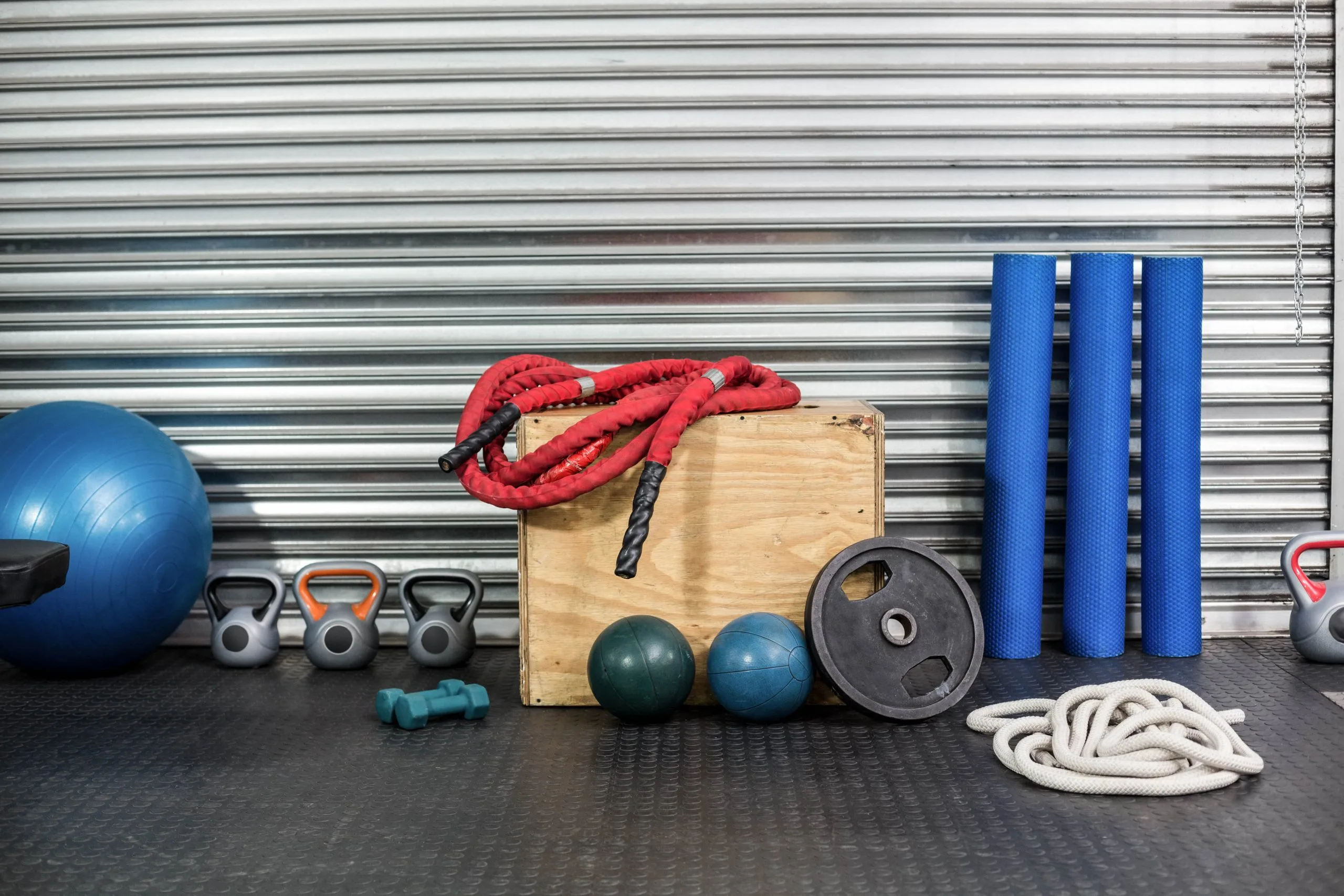
The Brazil home fitness equipment market is gradually becoming part of everyday wellness as more consumers look for convenient ways to stay active. Instead of depending only on gyms or outdoor workouts, many people are creating simple fitness spaces at home using treadmills, bikes, resistance tools, dumbbells, and compact strength equipment. The broader Brazil fitness equipment market was valued at USD 409.42 million and is projected to reach USD 689.74 million, growing at a 10.55% CAGR, in the upcoming years. This points to strong demand for fitness solutions across both commercial and home-use categories. As we move towards the future, home fitness is expected to become more personalized, digital, and routine-driven.
Why More Brazilians Are Investing in Home Fitness?
Health and Wellness Are Becoming Daily Priorities
Health awareness is one of the biggest factors supporting the Brazil home fitness equipment market. Consumers are becoming more focused on weight control, heart health, mobility, mental well-being, and long-term disease prevention. With obesity and lifestyle-related health issues becoming more visible, regular exercise is being seen as an optional activity and more as a daily necessity. Home fitness equipment gives people a practical way to stay active without needing to travel to a gym. For busy professionals, parents, and older adults, even short workouts at home can help build consistency. This makes simple equipment such as exercise bikes, treadmills, resistance bands, and adjustable dumbbells highly relevant for everyday users.
Convenience Is Driving Workout Decisions
Convenience is another major reason consumers are shifting toward home fitness. In large cities such as São Paulo, Rio de Janeiro, and Brasília, traffic, long work hours, and busy routines can make regular gym visits difficult. Home equipment allows users to exercise early in the morning, during breaks, or after work without wasting time on travel. This is increasing demand for compact and multifunctional products that fit into apartments and smaller homes. Foldable treadmills, adjustable weights, rowing machines, and all-in-one strength systems are becoming attractive because they save space while supporting effective workouts. Consumers want equipment that is easy to use, easy to store, and suitable for different fitness levels.
Digital Fitness Is Making Home Workouts More Engaging
Technology is also reshaping how Brazilians approach fitness at home. Consumers are showing interest in equipment that connects with apps, tracks performance, offers guided sessions, and supports virtual coaching. These features make workouts more structured and help users stay motivated over time. For companies, connected fitness creates opportunities beyond one-time product sales. Digital memberships, workout subscriptions, personalized training programs, and wearable integrations can improve customer engagement. As younger and tech-savvy consumers adopt app-based fitness, smart home equipment is likely to gain more attention in the coming years.
Brazilian Government Support towards Active Lifestyle Adoption
Government and public health initiatives are indirectly supporting the home fitness equipment market by encouraging people to move more and reduce lifestyle-related health risks. Campaigns focused on obesity prevention, chronic disease management, heart health, and active aging help reinforce the importance of regular physical activity. Although these programs may not directly fund home fitness purchases, they influence consumer behavior by making exercise part of preventive healthcare. As more Brazilians become aware of the benefits of daily movement, demand for accessible fitness tools is likely to grow. Home equipment can play an important role by helping people turn health advice into practical routines.
Competitive Insights of Brazil’s Fitness Equipment Market
The Brazil home fitness equipment market includes global brands, local distributors, sporting goods retailers, e-commerce platforms, and emerging digital fitness providers. Competition is increasingly based on affordability, durability, space-saving design, smart features, warranty support, and after-sales service. Consumers are looking for products that offer value, not just advanced technology. Brands that provide reliable equipment at different price points are likely to appeal to a wider customer base. Companies are also using online sales channels, financing options, and bundled digital services to reach consumers who want flexible and convenient purchase experiences.
Market Challenges faced in the Brazil Home Fitness Equipment Industry
Cost Remains a Key Concern
Affordability is one of the main challenges for the Brazil home fitness equipment market. Premium treadmills, smart bikes, connected rowers, and advanced strength systems can be costly for many households. When monthly app subscriptions or maintenance costs are added, the total expense may discourage some buyers. This creates strong demand for entry-level and mid-range products. Brands that offer financing, seasonal discounts, durable budget models, and clear value propositions can improve adoption. Price-sensitive consumers may also consider second-hand equipment, basic workout tools, or free digital fitness content.
Space and Consistent Usage Are Practical Barriers
Space limitations can also slow market growth, especially in urban apartments where consumers may not have room for large machines. Buyers often prefer foldable, portable, or multifunctional equipment that can be stored easily after use. Another challenge is long-term usage. Many consumers start with strong motivation but may stop using equipment regularly over time. To address this, brands need to focus on engaging workout content, progress tracking, reminders, and personalized programs that help users stay consistent.
Future Outlook
As we move ahead, Brazil’s home fitness equipment market is expected to become more accessible, connected, and consumer focused. Growth will likely be supported by rising health awareness, urban lifestyles, digital fitness adoption, and demand for flexible workout options. The broader fitness equipment market’s projected to reach heights, suggests a positive environment for home-use fitness products. The strongest opportunities will come from compact equipment, smart features, affordable pricing, and localized customer support. Companies that understand Brazilian consumers’ real needs space, cost, motivation, and convenience will be better positioned for long-term growth. Home fitness is likely to evolve from individual equipment purchases into a broader wellness ecosystem that includes apps, coaching, wearables, and recovery tools.
Consultants at Nexdigm, in their latest publication “Brazil Home Fitness Equipment Market Outlook to 2035” analyze the sector by Product Category (Cardiovascular Equipment, accessories and Support, Strength and Resistant Equipment, Smart Devices), by Price Category (Mass/Economy Tier, Mid-range Products, Premium Tier Equipment).
Nexdigm suggests that businesses should focus on affordable, compact, and connected fitness solutions that match evolving consumer lifestyles. Companies should invest in smart features, flexible subscription models, strong after-sales service, and personalized workout experiences to improve customer retention and capture long-term growth in the Brazil home fitness equipment market.
To take the next step, simply visit our Request a Consultation page and share your requirements with us.
Harsh Mittal
+91-8422857704