
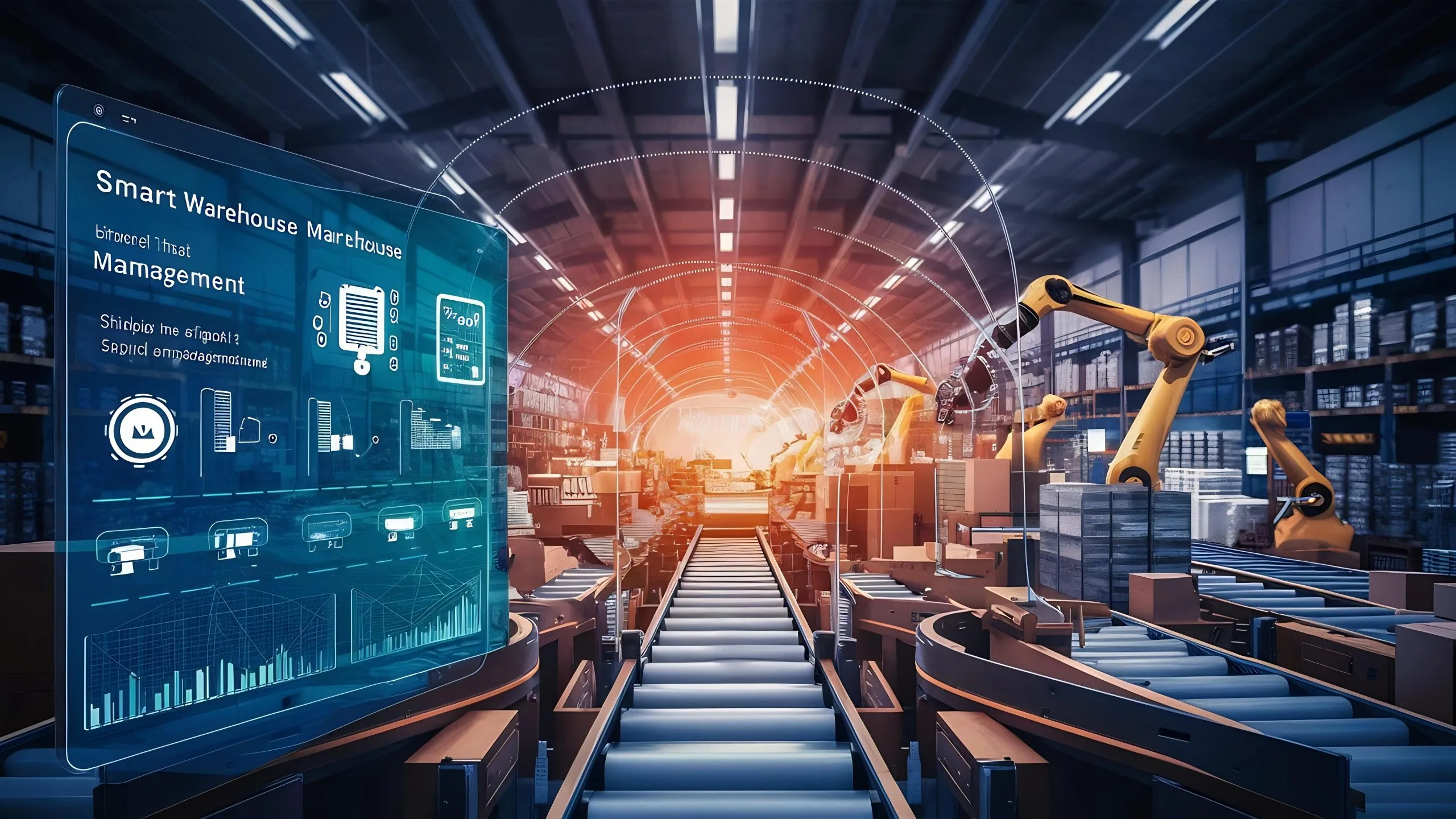
Brazil’s Industrial Internet of Things (IIoT) market is experiencing significant growth as industries embrace digital transformation to drive efficiency and innovation. By integrating smart sensors, connected devices, and data analytics, Brazilian businesses are enhancing operational performance across sectors such as manufacturing, agriculture, and energy. With increasing investments in IoT infrastructure, technological advancements, and favorable government policies, Brazil is positioning itself as a leader in Latin America’s IIoT landscape. The market is expected to reach heights, reflecting the strong demand for automation and data-driven decision-making solutions. As more companies leverage IIoT to optimize production and reduce costs, Brazil’s industrial sectors are poised for long-term transformation, attracting both local and international investments in the process.
Factors contributing to Brazil’s Industrial IoT Market growth
Rising Demand for Operational Efficiency
As industries in Brazil continue to grow and modernize, there is a strong push for improved operational efficiency. IIoT solutions enable businesses to automate processes, monitor machinery in real-time, and optimize resource use. In manufacturing, for example, predictive maintenance driven by IoT can help companies reduce downtime and extend the lifespan of equipment. This leads to reduced costs and increased productivity, making IIoT an essential part of Brazil’s industrial strategy.
Technological Advancements and Connectivity
Advancements in 5G, AI, and cloud computing are further accelerating the adoption of Industrial IoT in Brazil. The deployment of high-speed 5G networks enables faster data transmission, facilitating real-time monitoring and more effective control of industrial operations. Additionally, cloud-based platforms provide scalable solutions, allowing businesses to collect, store, and analyze data efficiently. As these technologies become more accessible and affordable, they are driving widespread IIoT adoption across various sectors in Brazil.
Brazil Government’s Support and Industry 4.0 Push
Brazil’s government is actively promoting the adoption of Industry 4.0 technologies, which include IIoT. Through incentives, grants, and tax benefits, the government is encouraging businesses to adopt digital transformation strategies. Policies designed to support smart manufacturing, automation, and the digitization of industries are creating a favourable environment for IIoT growth. These initiatives not only help reduce the financial burden for companies but also accelerate the country’s transition to a more competitive and technology-driven economy.
Government Initiatives to boost IoT Market of Brazil
The Brazilian government’s focus on advancing digital transformation has led to the introduction of several policies aimed at boosting IIoT adoption. Initiatives under the Brazil government are valuable and insightful and are designed to facilitate investment in smart technologies, including IoT infrastructure. Financial incentives, tax exemptions, and partnerships with private sector players are helping to make IIoT solutions more accessible for businesses, further driving the market’s expansion.
Competitive Outline of Brazil’s Industrial IoT Market
The Brazil Industrial IoT market is highly competitive, with global players like Siemens, General Electric, and Cisco leading the charge. These companies provide comprehensive IoT solutions for industrial applications, from smart sensors to cloud platforms. Local startups and system integrators are also emerging as strong competitors, offering tailored solutions designed to meet the unique needs of Brazilian industries. As demand for IoT grows, both global and regional players are likely to increase their investments in this market.
Barriers within the IoT market of Brazil
Cybersecurity and Data Privacy Concerns
One of the biggest challenges facing the Brazilian IIoT market is ensuring the security of interconnected systems. As industries adopt more IoT solutions, the risk of cyberattacks increases, making robust cybersecurity measures essential. Businesses must invest in secure networks and encryption to protect sensitive data and ensure operational continuity. Without addressing these concerns, the growth of IIoT could be hindered by a lack of trust in the technology.
Skilled Workforce and Integration Costs
Another challenge is the need for a skilled workforce capable of implementing and maintaining IIoT systems. Companies in Brazil are facing a shortage of professionals with the technical expertise required to work with advanced IoT solutions. Additionally, the high initial costs of IoT implementation, including infrastructure setup and system integration, can be a barrier for many businesses, especially small and medium-sized enterprises (SMEs).
Future Outlook
The future of Brazil’s Industrial IoT market looks promising. As businesses continue to prioritize digitalization and automation, the demand for IoT solutions will rise across sectors like manufacturing, agriculture, energy, and logistics. Technological advancements in AI, 5G, and cloud computing will drive further innovation, making IIoT systems smarter and more efficient. In the upcoming years, Brazil’s industrial landscape will undergo a significant transformation, positioning the country as a key player in the global IoT ecosystem. However, overcoming challenges related to cybersecurity, workforce development, and infrastructure investment will be crucial for realizing this potential.
Consultants at Nexdigm, in their latest publication Brazil Industrial IoT Market Outlook to 2035 analyze the sector by Platform Types (Cloud based Platforms, Edge promoting platforms, On premises Platforms, Embedded systems, Hybrid Platforms), by End User Segment (Automotive sector, Oil and Gas, Manufacturing Industries, Electronics and Semiconductors and Energy and Utilities).
Nexdigm suggests that businesses in Brazil must leverage Industrial IoT solutions to foster innovation, streamline operations, and maintain a competitive edge. By embracing smart technologies and data-driven insights, companies can enhance efficiency, cut costs, and make more informed decisions. To unlock the full potential of IoT, it’s crucial for businesses to invest in robust digital infrastructure, upskill their teams, and prioritize cybersecurity to ensure seamless and secure adoption.
To take the next step, simply visit our Request a Consultation page and share your requirements with us.
Harsh Mittal
+91-8422857704