
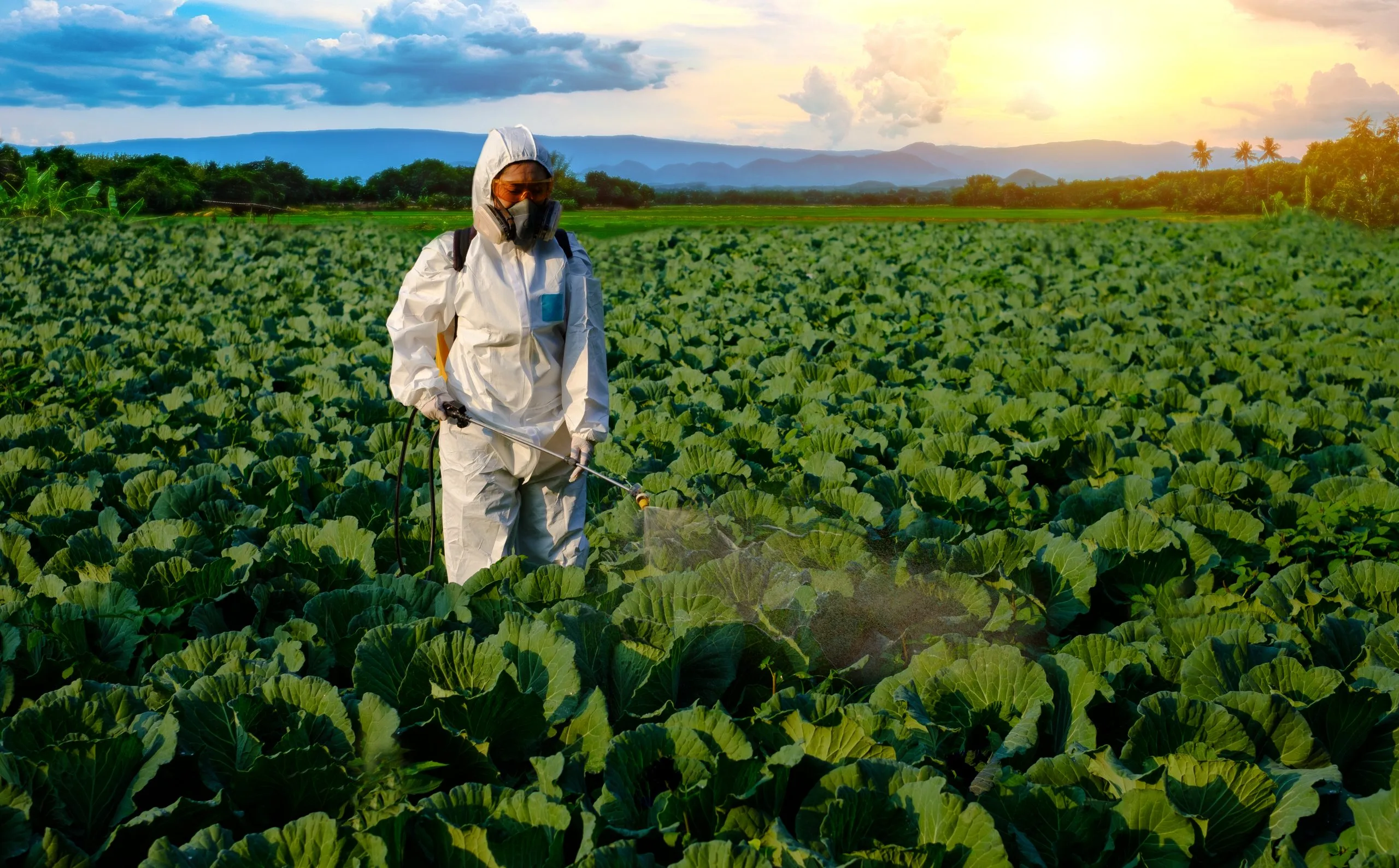
The Brazil insecticide market is expanding as farmers seek reliable solutions to protect crops from pests, yield losses, and quality damage. Insecticides are widely used across soybean, corn, sugarcane, cotton, coffee, fruits, vegetables, and other commercial crops. Brazil’s large agricultural base makes pest control an important part of farm productivity and export competitiveness. The country’s crop protection chemicals market is estimated at USD 36.06 billion in 2026 and is projected to reach USD 45.23 billion by 2031, growing at 4.64% CAGR. Demand is also shaped by changing pest pressure, climate variability, and integrated crop management practices.
Key market drivers are strengthening insecticide demand in Brazil
Soybean and corn cultivation are driving crop protection needs
Brazil is one of the world’s largest producers of soybean and corn, and these crops create significant demand for insecticide products. Soybean cultivation alone exceeds 45 million hectares, making pest control essential for maintaining productivity across large farming areas. Insects such as caterpillars, stink bugs, whiteflies, and other field pests can affect plant health, grain quality, and farm profitability. Farmers therefore rely on seed treatments, foliar sprays, biological controls, and integrated pest management practices to protect crop output. As planted area remains large and production intensity increases, insecticide demand is expected to remain closely linked to row crop performance.
Pest resistance is increasing the need for advanced formulations
Insect resistance is becoming a key concern for Brazilian growers, especially where repeated use of similar chemistries reduces product effectiveness. This is increasing demand for rotation strategies, new modes of action, combination products, and biological insecticides. Farmers are also becoming more attentive to application timing, dosage, monitoring, and field-level pest thresholds. Companies that provide technical support, stewardship guidance, and resistance-management programs can build stronger relationships with growers. The market is gradually moving from product-only sales toward solution-based pest management.
Export-focused agriculture is supporting quality protection
Brazil’s agricultural exports depend on consistent crop quality and reliable supply. Insecticides help protect both yield and marketable output, particularly for high-value crops and export-oriented production.
Government regulations and agricultural programs are shaping market development
Government oversight plays an important role in Brazil’s insecticide market through pesticide registration, product approvals, environmental standards, residue limits, and application regulations. Agricultural research institutions and extension programs support better pest monitoring, integrated pest management, and responsible chemical use. Brazil’s strong focus on agricultural productivity also encourages adoption of crop protection technologies. At the same time, businesses must manage changing regulatory expectations, environmental scrutiny, and compliance requirements. Companies with strong registration capabilities and stewardship practices are better positioned in this market.
Competitive landscape is becoming more technical and sustainability focused
The Brazil insecticide market includes global agrochemical companies, local crop protection manufacturers, biological product developers, seed treatment providers, distributors, cooperatives, and agritech-enabled advisory firms. Competition is shaped by efficacy, price, formulation quality, crop coverage, resistance management, product availability, and farmer support. Multinational players compete through broad portfolios and research capabilities, while local firms often compete on distribution reach and cost efficiency. Biological insecticides, precision spraying, and integrated pest management solutions are becoming important differentiators as growers seek sustainable and effective pest control.
Market challenges continue to affect adoption and profitability
Resistance and environmental concerns require careful product use
Repeated insecticide use can increase resistance risk and reduce long-term effectiveness. Environmental concerns, pollinator protection, residue limits, and water contamination risks are also influencing application practices.
Input cost volatility can pressure farmer purchasing decisions
Currency fluctuations, raw material costs, logistics challenges, and farm income variability can affect product affordability. Farmers may delay purchases or shift toward lower-cost alternatives during difficult seasons.
Future outlook
The future outlook for the Brazil insecticide market remains positive, supported by large-scale soybean and corn cultivation, export-oriented agriculture, pest resistance management, and rising adoption of integrated crop protection strategies. Opportunities are expected across biological insecticides, seed treatments, foliar sprays, precision application technologies, resistance-management solutions, and crop-specific advisory services. As Brazil’s crop protection chemicals market moves toward USD 45.23 billion by 2031, companies that combine product efficacy, regulatory readiness, technical support, sustainability, and strong distribution networks will be better positioned to capture long-term growth.
Consultants at Nexdigm, in their latest publication “Brazil insecticide market outlook to 2035,” analyze the sector By Product Category (Pyrethroids, Neonicotinoids, Organophosphates, Carbamates), By Application Sector (Row Crops , Fruits and Vegetables, Specialty Crops)
Nexdigm suggests that businesses in the Brazil insecticide market should focus on effective, compliant, and crop-specific solutions that support soybean, corn, sugarcane, cotton, and coffee pest management needs.
To take the next step, simply visit our Request a Consultation page and share your requirements with us.
Harsh Mittal
+91-8422857704