
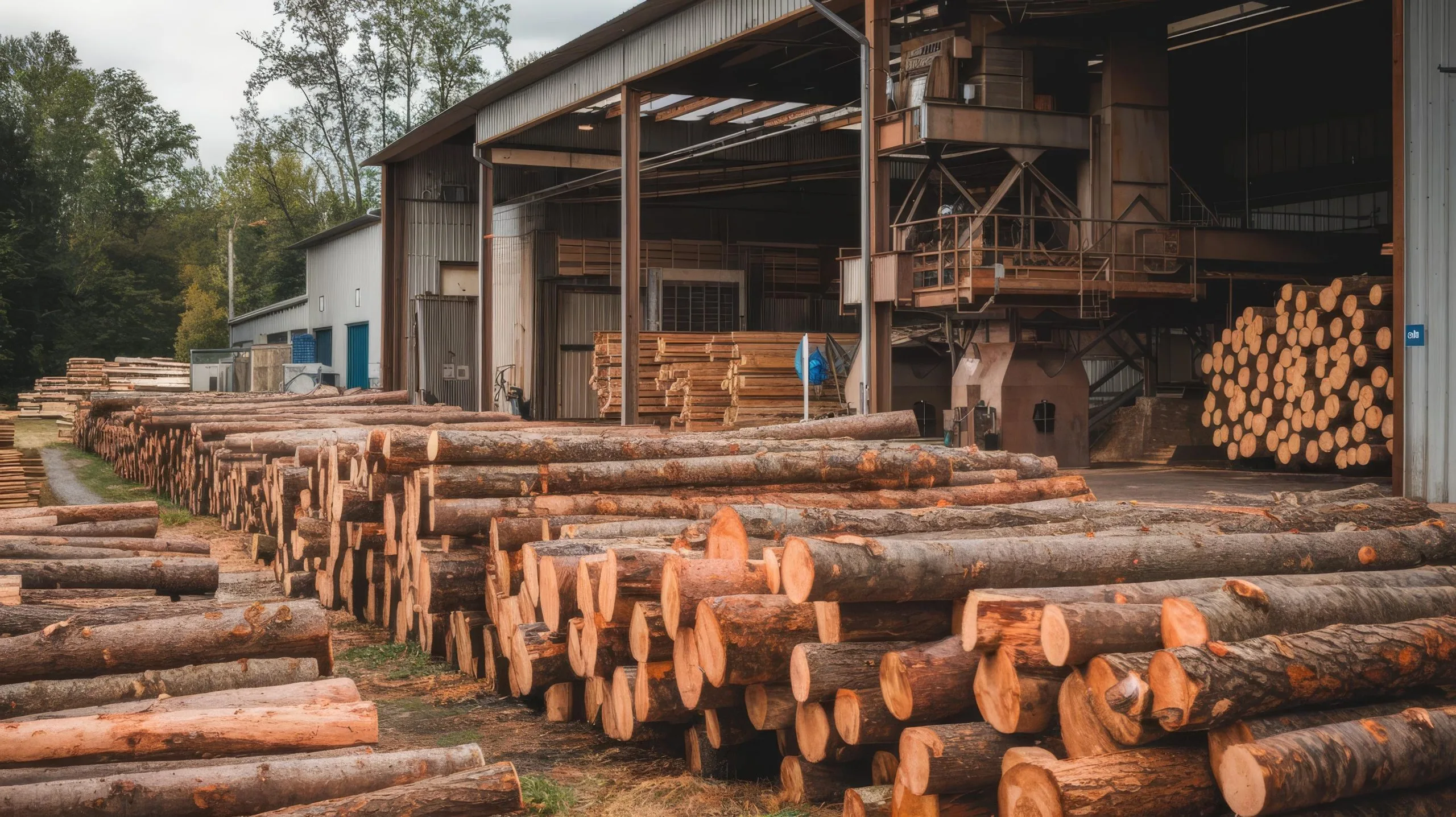
The Brazil sawnwood market plays an important role in Latin America’s timber, construction, furniture, packaging, and industrial wood ecosystem. Sawnwood is widely used in housing, flooring, roofing, doors, windows, furniture, pallets, crates, joinery, and structural applications because it is versatile, workable, renewable, and suitable for both domestic and export markets. Latin America and the Caribbean’s sawnwood market revenue reached USD 9.1 billion, rising 4.9%, while Brazil’s sawnwood production reached 9.7 million cubic meters. Demand is being supported by construction activity, furniture manufacturing, export demand, plantation forestry, and industrial wood processing.
Key market drivers are strengthening sawnwood demand in Brazil
Construction and housing activity are supporting timber consumption
Brazil’s construction sector continues to create demand for sawnwood across residential buildings, commercial projects, rural structures, roofing, flooring, doors, windows, formwork, and interior applications. Sawnwood remains important because it is easy to process, widely available, and suitable for both structural and non-structural uses. Housing demand, urban redevelopment, infrastructure-linked projects, and renovation activity are supporting steady consumption. In Latin America and the Caribbean, sawnwood consumption is projected to move toward 30 million cubic meters, reflecting the continued role of wood products in regional construction and manufacturing. For Brazilian contractors and builders, timber remains a practical material when quality, price, and supply reliability are aligned.
Furniture, packaging, and industrial wood use are expanding market relevance
Brazil has a strong base of furniture manufacturers, joinery producers, pallet suppliers, and industrial wood processors. Sawnwood is used in furniture frames, cabinets, panels, flooring, doors, pallets, crates, and packaging solutions. Demand is also supported by agriculture, food distribution, exports, e-commerce, and manufacturing sectors that rely on wooden packaging and pallets. Brazil, Chile, and Mexico together account for 71% of regional sawnwood production, showing Brazil’s importance in the Latin American supply base. Non-coniferous regional demand reached USD 4.1 billion, while non-coniferous consumption reached 8 million cubic meters, highlighting the relevance of hardwood applications in furniture, flooring, and higher-value interiors.
Plantation forestry and export demand are improving supply opportunities
Brazil’s established eucalyptus and pine plantation resources support industrial-scale wood processing and export-oriented timber supply. Plantation forestry can help improve raw material consistency, reduce pressure on native forests, and support long-term availability for sawmills and downstream industries.
Government forestry and sustainability initiatives are supporting responsible market development
Government priorities around forest management, legal timber trade, environmental protection, plantation forestry, rural development, and export competitiveness influence the Brazil sawnwood market. Regulatory systems and sustainability requirements are becoming more important as buyers demand traceable and responsibly sourced wood products. Programs that support reforestation, planted forests, and forest-sector modernization can help improve supply reliability and reduce pressure on natural forests. At the same time, construction and housing policies indirectly support timber demand. These initiatives are helping shift the market toward better documentation, certification, processing efficiency, and sustainable forest-based value creation.
Competitive landscape is shaped by sawmills, exporters, and wood product manufacturers
The Brazil sawnwood market includes sawmills, plantation owners, timber processors, hardwood suppliers, softwood producers, exporters, distributors, furniture manufacturers, pallet producers, and building material companies. Competition is shaped by log access, species availability, wood quality, moisture control, grading standards, certification, pricing, and logistics efficiency. Export-focused players must meet buyer requirements around traceability, legality, treatment, dimensions, and consistency. Companies with reliable raw material sourcing, efficient processing, sustainable forestry credentials, and strong distribution networks are better positioned to serve both domestic buyers and international customers.
Market challenges continue to affect supply reliability and buyer confidence
Illegal logging concerns and traceability requirements remain important
Brazil’s timber sector faces continued scrutiny around illegal logging, deforestation, and documentation standards. Buyers increasingly require verified origin, certification, and compliance with sustainability expectations.
Logistics and price volatility can pressure margins
Long transport distances, port costs, freight volatility, currency fluctuations, and uneven raw material availability can affect profitability. These issues can make planning more difficult for sawmills, exporters, and downstream users.
Future outlook
The future outlook for the Brazil sawnwood market remains positive, supported by construction demand, furniture exports, packaging growth, plantation forestry, and responsible timber sourcing. Latin America’s sawnwood market value is projected to move toward USD 9.5 billion, while coniferous sawnwood accounts for 76% of regional output. Global industrial roundwood removals reached 1.96 billion cubic meters, showing the large role of forest resources in global industry. Opportunities are expected across construction timber, pine sawnwood, eucalyptus products, hardwood flooring, furniture-grade lumber, pallets, crates, certified timber, and export-ready processed wood. Businesses that invest in traceability, certification, mill efficiency, kiln drying, logistics, and value-added products will be better positioned for long-term growth.
Consultants at Nexdigm, in their latest publication “Brazil sawnwood market outlook to 2035,” analyze the sector By Wood Species Type (Southern Yellow Pine Sawnwood, Douglas Fir Sawnwood, Spruce-Pine-Fir Sawnwood, Hem-Fir Sawnwood), By Product Form (Rough Sawn Lumber, Planed Sawnwood, Kiln-Dried Sawnwood)
Nexdigm suggests that businesses in the Brazil sawnwood market should focus on sustainable, traceable, and value-added timber products that support demand across construction, furniture, packaging, flooring, joinery, and export-oriented wood applications.
To take the next step, simply visit our Request a Consultation page and share your requirements with us.
Harsh Mittal
+91-8422857704