
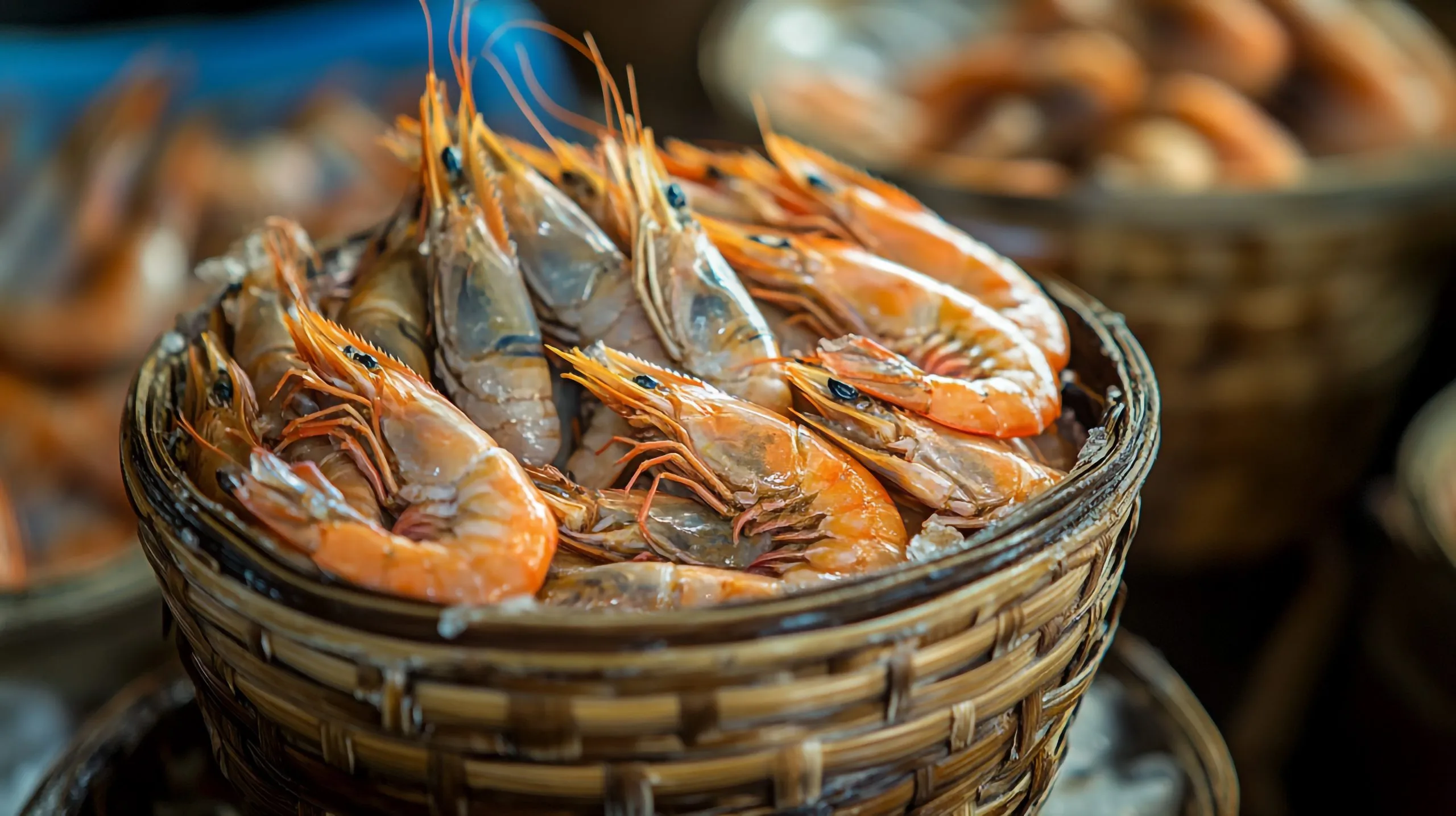
The Brazil shrimp market is developing steadily as consumers, restaurants, retailers, and seafood processors show growing interest in high-quality shrimp products. Shrimp is widely used in Brazilian cuisine, especially in coastal regions, and demand is supported by foodservice, retail, and aquaculture growth. The market was valued at around USD 1.61 billion in 2025 and is projected to reach USD 2.24 billion by 2034. As domestic consumption rises and producers focus on improved farming practices, shrimp is becoming an important part of Brazil’s wider seafood economy.
Key market drivers are supporting shrimp demand across Brazil
Aquaculture growth is strengthening domestic shrimp supply
Aquaculture is one of the strongest drivers of Brazil’s shrimp market. Farmed shrimp accounted for about 71.6% of market share, showing the importance of controlled production systems in meeting domestic demand. Shrimp farming allows producers to improve supply consistency, manage product quality, and reduce dependence on wild catch. Coastal states with favorable farming conditions are becoming important production hubs, supported by hatcheries, feed suppliers, processors, and cold chain networks. As producers adopt better disease management, water quality monitoring, and farming practices, aquaculture is expected to remain central to market expansion.
Foodservice demand is increasing shrimp consumption
Brazil’s restaurants, hotels, cafés, beachside eateries, and catering businesses are major consumers of shrimp. Hotels and restaurants accounted for around 34.5% of distribution, reflecting shrimp’s strong role in foodservice menus. Shrimp is used in regional dishes, pasta, risotto, grilled seafood, appetizers, and premium dining formats. Tourism and coastal dining also support demand, especially in cities and regions where seafood is central to local food culture. As consumers continue to spend on eating out and experiential dining, foodservice operators are expected to remain important buyers.
Retail and value-added shrimp products are gaining relevance
Retail demand is also increasing as consumers look for convenient seafood options for home cooking. Frozen shrimp, peeled shrimp, cleaned shrimp, seasoned packs, and ready-to-cook products are becoming more attractive because they reduce preparation time and improve convenience. Supermarkets and online grocery channels are helping shrimp reach more households. As cold chain infrastructure improves, retailers can offer better quality, wider availability, and more product formats.
Government support and initiatives are improving aquaculture development
Government support for aquaculture, fisheries management, food safety, and rural development is helping strengthen Brazil’s shrimp market. Policies that encourage responsible aquaculture, licensing, disease control, and environmental compliance can support more stable production. Public agencies and industry bodies also play a role in improving technical knowledge, export readiness, and market standards. As Brazil looks to expand sustainable seafood production, support for aquaculture infrastructure, traceability, and quality control will remain important for shrimp producers.
Competitive landscape is becoming more quality and supply focused
The Brazil shrimp market includes shrimp farms, hatcheries, feed suppliers, processors, exporters, wholesalers, retailers, foodservice distributors, and seafood brands. Competition is shaped by production efficiency, product quality, price, traceability, cold chain strength, and distribution reach. Farmed shrimp producers compete on consistent supply and standardized quality, while wild-caught shrimp is often valued for origin and freshness. Companies offering value-added formats, reliable logistics, and foodservice-ready products are likely to gain stronger market visibility.
Market challenges continue to affect producers and distributors
Disease risks and environmental pressures remain key concerns
Shrimp farming can be affected by disease outbreaks, water quality issues, and environmental stress. Producers need strong biosecurity, monitoring, and farm management practices to reduce production losses. Environmental compliance is also important as aquaculture expands in coastal areas.
Costs and cold chain gaps can pressure profitability
Feed, energy, labour, logistics, and processing costs can affect margins across the shrimp value chain. Cold chain limitations in some regions may also restrict product quality and wider distribution. Businesses need efficient storage, transport, and processing systems to serve retail and foodservice buyers reliably.
Future outlook
The future outlook for the Brazil shrimp market remains positive, supported by aquaculture growth, foodservice demand, retail expansion, and rising interest in convenient seafood products. The market is projected to reach USD 2.24 billion by 2034, reflecting steady long-term potential. Growth opportunities are expected across farmed shrimp, frozen formats, value-added products, foodservice supply, and online seafood sales. Businesses that invest in sustainable aquaculture, cold chain reliability, quality control, and product innovation will be better positioned to capture future demand.
Consultants at Nexdigm, in their latest publication “Brazil shrimp market outlook to 2035,” analyze the sector By Shrimp Species (Farmed Shrimp Penetration, Wild-Caught Shrimp Utilization, Import Dependency, Species Consumption Preference), By Product Form (Ready-to-Cook Penetration, Frozen Seafood Utilization, Foodservice Demand)
Nexdigm suggests that businesses in the Brazil shrimp market should focus on sustainable aquaculture, disease management, and quality consistency to support reliable domestic supply.
To take the next step, simply visit our Request a Consultation page and share your requirements with us.
Harsh Mittal
+91-8422857704