
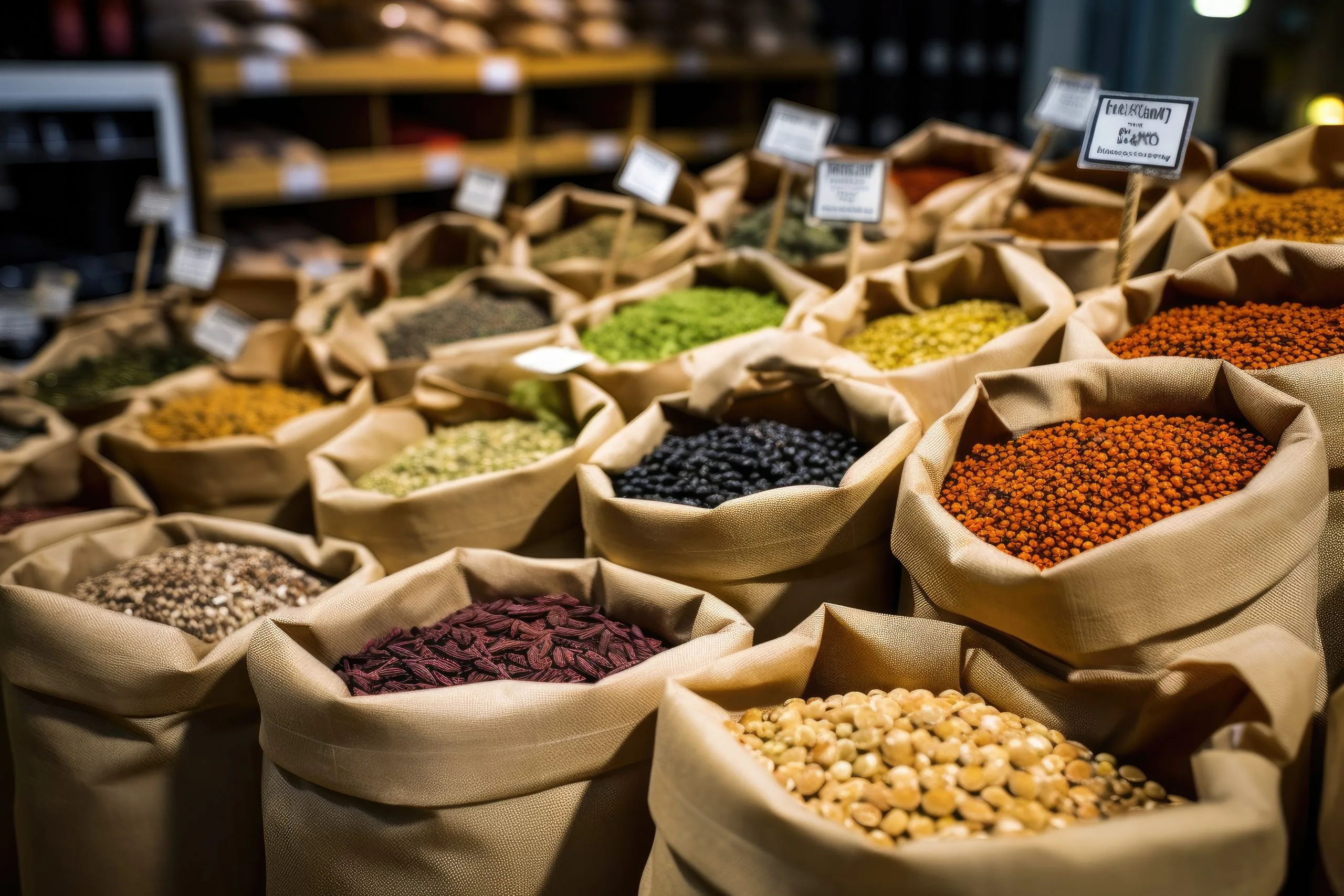
The Brazil vegetable seed market is evolving rapidly as growers increasingly adopt high-yield, disease-resistant, and climate-resilient seed varieties to improve productivity and profitability. Brazil’s strong agricultural foundation, expanding commercial farming sector, and growing demand for fresh vegetables are creating significant opportunities for seed manufacturers. The broader Brazilian seed industry is projected to reach approximately USD 930.6 million, supported by investments in research, innovation, and seed quality standards. Additionally, Brazil now has nearly 190 accredited phytopathological laboratories, strengthening seed testing, traceability, and disease management capabilities across the agricultural sector. As consumer demand for quality produce rises and exports gain momentum, vegetable seeds are becoming increasingly important in supporting sustainable and efficient crop production throughout the country.
Key Market Drivers Accelerating the Brazil Vegetable Seed Market
Growing Adoption of High-Yield Hybrid Seeds
One of the primary growth drivers is the increasing adoption of hybrid vegetable seeds. Farmers are shifting toward improved seed varieties that offer stronger disease resistance, higher productivity, better uniformity, and enhanced adaptability to changing climatic conditions. Hybrid technologies have become particularly valuable for crops such as tomatoes, peppers, cucumbers, and leafy vegetables. As commercial agriculture expands across Brazil, growers are seeking seeds that can deliver consistent performance while reducing production risks. This trend is expected to continue driving demand for advanced vegetable seed solutions.
Expansion of Export Opportunities for Vegetable Seeds
Brazil’s seed industry is increasingly benefiting from international trade opportunities. The approval to export vegetable seeds, including tomato, cucumber, eggplant, and sweet pepper seeds to international markets, highlights the growing global recognition of Brazilian seed quality. Export growth is encouraging seed producers to invest in advanced breeding programs and quality assurance systems. These efforts not only strengthen Brazil’s global competitiveness but also help improve seed availability and innovation within the domestic market.
Rising Investment in Precision Agriculture and Seed Innovation
Technological advancements are transforming the vegetable seed landscape in Brazil. Precision agriculture, digital farming tools, automation, and advanced breeding techniques are helping growers improve crop performance while optimizing resource utilization. Seed companies are increasingly developing drought-tolerant, climate-resilient, and nutrient-efficient varieties to address evolving agricultural challenges. These innovations are becoming essential as farmers seek to boost productivity while maintaining sustainability.
Government Support Strengthening the Brazil Vegetable Seed Market
Government agencies and agricultural institutions continue to support seed innovation, certification programs, and crop improvement initiatives. Efforts to strengthen seed health regulations and improve traceability are helping farmers access reliable, high-quality planting materials. The expansion of accredited testing laboratories and increased focus on disease diagnostics have significantly improved quality standards within the seed industry. These measures are fostering farmer confidence and promoting adoption of certified vegetable seeds across Brazil.
Competitive Landscape of the Brazil Vegetable Seed Market
The market features a mix of multinational seed companies, domestic breeders, biotechnology firms, and agricultural research organizations. Competition is driven by product innovation, genetics development, seed quality, and distribution capabilities. Leading players continue investing in hybrid technologies, climate-smart varieties, and advanced seed treatments to strengthen their market position. Strategic partnerships, research collaborations, and expanded breeding programs are also shaping the competitive environment.
Market Challenges Affecting the Brazil Vegetable Seed Market
Counterfeit Seeds and Quality Compliance Issues
Despite improvements in regulation, counterfeit and uncertified seed products remain an industry concern. Such products can negatively impact crop performance and reduce farmer confidence in seed investments. Maintaining stringent quality standards and expanding awareness about certified seeds will remain critical for sustaining industry growth.
Climate Uncertainty and Production Risks
Brazilian agriculture continues to face challenges from climate variability, including droughts, excessive rainfall, and temperature fluctuations. These factors can affect seed performance and increase risks for vegetable producers. As weather patterns become increasingly unpredictable, demand for resilient vegetable seed varieties is likely to increase significantly.
Future Outlook
The outlook for the Brazil vegetable seed market remains highly positive, supported by growing commercial agriculture, rising exports, and continued investments in seed innovation. The broader Brazilian seed market is forecast to exceed USD 930 million, creating favorable conditions for vegetable seed producers and technology providers. Future growth is expected to be driven by hybrid seed adoption, precision agriculture technologies, improved breeding programs, and climate-resilient crop development. As farmers increasingly prioritize productivity, sustainability, and quality, seed suppliers that focus on innovation and certified seed solutions will be well-positioned to capture emerging opportunities across Brazil’s expanding agricultural sector.
Consultants at Nexdigm, in their latest publication “Brazil Vegetable Seed Market Outlook to 2035,” analyze the sector By Crop Family (Tomato Seeds, Onion Seeds, Lettuce Seeds, Pepper and Chili Seeds, Cucurbit Seeds), By Distribution Channel (Direct-to-Grower Sales, Regional Distributors, Agro-Input Retailers, Cooperatives and Producer Associations).
Nexdigm suggests that businesses should focus on developing high-yield, disease-resistant, and climate-resilient vegetable seed varieties while expanding investments in precision breeding technologies. Strengthening certified seed distribution networks, enhancing traceability systems, and leveraging Brazil’s growing export opportunities can help companies capitalize on rising demand for quality vegetable production and sustainable agriculture.
To take the next step, simply visit our Request a Consultation page and share your requirements with us.
Harsh Mittal
+91-8422857704