
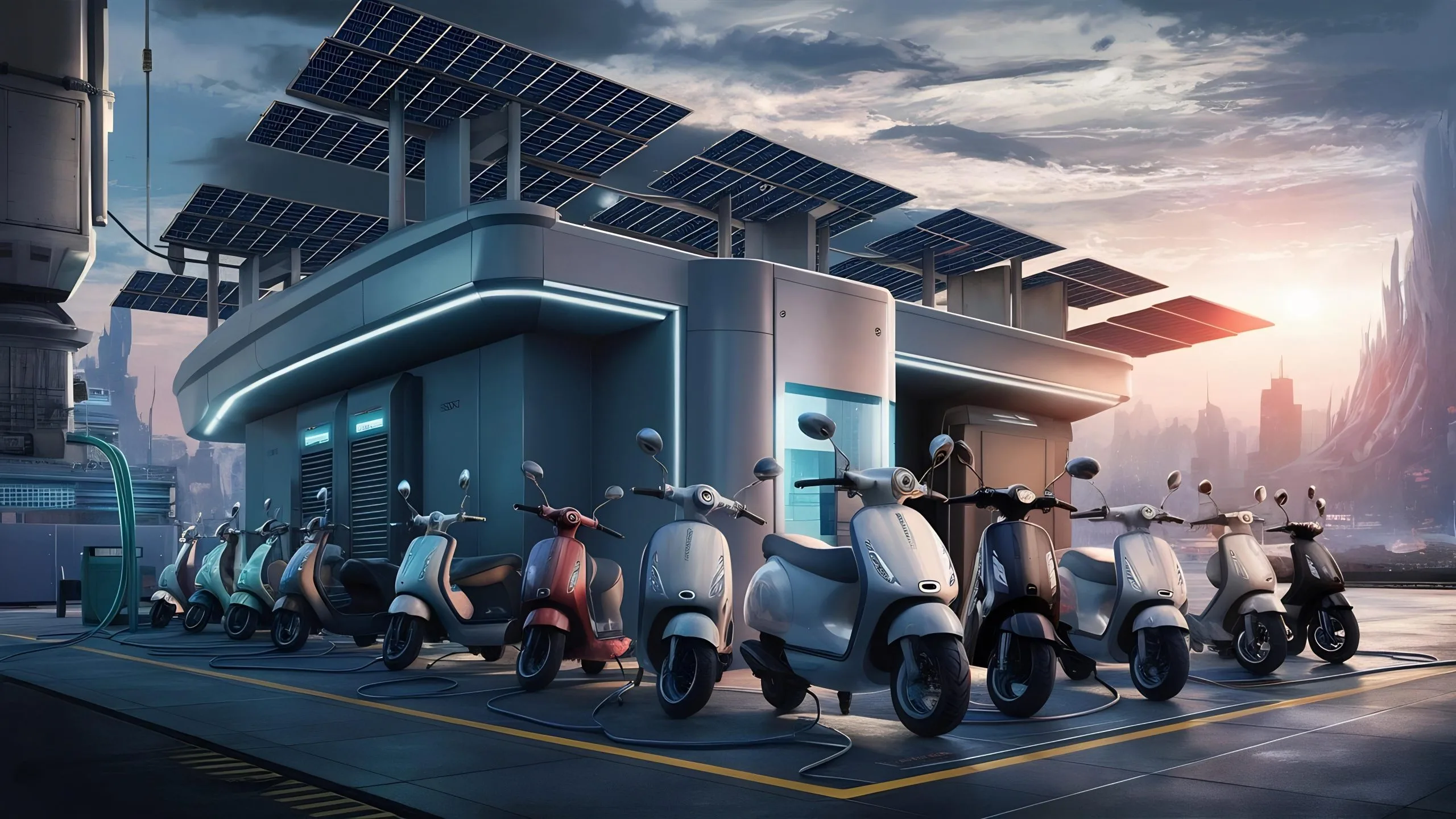
The Canada electric two‑wheeler market is gaining traction as urban commuters and eco‑conscious consumers increasingly choose electric bikes, scooters, and motorcycles over conventional petrol‑powered vehicles. Driven by rising awareness of climate change and the need for sustainable urban mobility, electrified two‑wheelers present cost‑effective, low‑emission alternatives for short‑distance travel. Recent industry data indicates growing unit sales and expanding consumer preference for e‑bikes and e‑scooters. With ongoing infrastructure improvements and technology adoption, Canada’s electric two‑wheeler sector is poised for significant growth through 2035.
Key Factors Driving Growth in the Canada Electric Two-Wheeler Market
Consumer Preference Shift and Urban Mobility Needs
Canada’s urban population is increasingly seeking efficient micro‑mobility options. Electrics two‑wheelers — including e‑bikes, e‑scooters, and lightweight electric motorcycles — offer practical solutions for short‑distance commuting amid traffic congestion and high fuel costs. Provincial rebate schemes have further encouraged adoption: for example, Quebec has offered rebates up to CAD 500 for e‑scooters and CAD 1,000 for electric motorcycles, which has helped boost sales volumes.
Growth in E‑Bike Segment
The e‑bike segment forms a substantial portion of Canada’s electric two‑wheeler market. Market research suggests the national e‑bike market is worth over USD 1.3 billion in 2026 and expected to approach USD 2.4 billion by 2031 at a 12‑plus % CAGR, reflecting strong consumer uptake and favorable trends in active transportation.
Shared Mobility and Technology Integration
Shared e‑scooter and e‑bike services in major Canadian cities are also influencing growth. Operators deploy these fleets to meet demand for flexible, short‑term rentals, especially in dense urban zones. Improvements in battery technology — notably reductions in lithium‑ion battery costs and enhancements in range and durability — are further lowering entry barriers for manufacturers and consumers alike.
Government Policies and Incentives Boosting Electric Two-Wheeler Adoption
Federal and provincial governments in Canada have implemented various incentives and rebates to promote electric vehicle adoption, including support for two‑wheeler electrification. Provincial programs, such as Quebec’s purchase rebates for electric scooters and motorcycles, aim to reduce upfront costs. Infrastructure investments and pilot programs for micro‑mobility are also part of broader strategies to reduce greenhouse gas emissions and improve urban air quality.
Overview of Key Players and Competitive Strategies in the Electric Two-Wheeler Market
The competitive environment in Canada’s electric two‑wheeler market features both domestic distributors and international EV manufacturers. Key global players with presence in the Canadian market include Zero Motorcycles, NIU Technologies, Hero Electric, TVS Motor Company, and Energica, reflecting diverse product portfolios from urban e‑scooters to performance electric motorcycles. Companies are focusing on strategic partnerships, technology innovation, and localized services to strengthen market position and meet evolving consumer demands.
Challenges Facing the Growth of the Electric Two-Wheeler Market in Canada
Infrastructure and Policy Uncertainty
Despite growth, the sector faces headwinds. Canada’s national EV sales mandate was recently rescinded, creating uncertainty around long‑term regulatory support for electrified vehicles, though emissions standards through 2035 remain a policy focus.
Charging and Cost Barriers
Limited public charging infrastructure for two‑wheelers and relatively high upfront costs continue to dampen adoption in certain regions. The need for standardized, accessible infrastructure remains a key bottleneck for widespread market penetration.
Future Outlook
Looking ahead to 2035, Canada’s electric two‑wheeler market is expected to grow steadily as consumer preference for sustainable transport persists and technology evolves. Rising e‑bike sales, supportive provincial incentives, and expanding shared mobility services will contribute to broader adoption. Continued focus on reducing battery costs and improving range could lower barriers further, while policy developments — particularly around emissions standards and incentive frameworks — will shape long‑term market dynamics. With these factors in play, electric two‑wheelers are likely to play an increasingly significant role in Canada’s urban mobility ecosystem.
Consultants at Nexdigm, in their latest publication “Canada Electric Two‑Wheeler Market Outlook to 2035,” analyze the sector by System Type (Battery Electric Two-Wheelers, Hybrid Electric Two-Wheelers, Plug-in Hybrid Electric Two-Wheelers, Electric Scooters), By Platform Type (Urban Mobility Platforms, Long-Distance Commuting Platforms, Shared Mobility Platforms), and By Fitment Type (On-road Electric Two-Wheelers, Off-road Electric Two-Wheelers, Foldable Electric Two-Wheelers). Nexdigm suggests businesses should tap into the growing demand for sustainable mobility by offering affordable and eco-friendly electric two-wheelers. Staying updated on government incentives and regulations is key, as these impact consumer decisions. Additionally, investing in technological advancements like better battery efficiency and faster charging will help businesses stay competitive and address consumer concerns.
To take the next step, simply visit our Request a Consultation page and share your requirements with us.
Harsh Mittal
+91-8422857704