
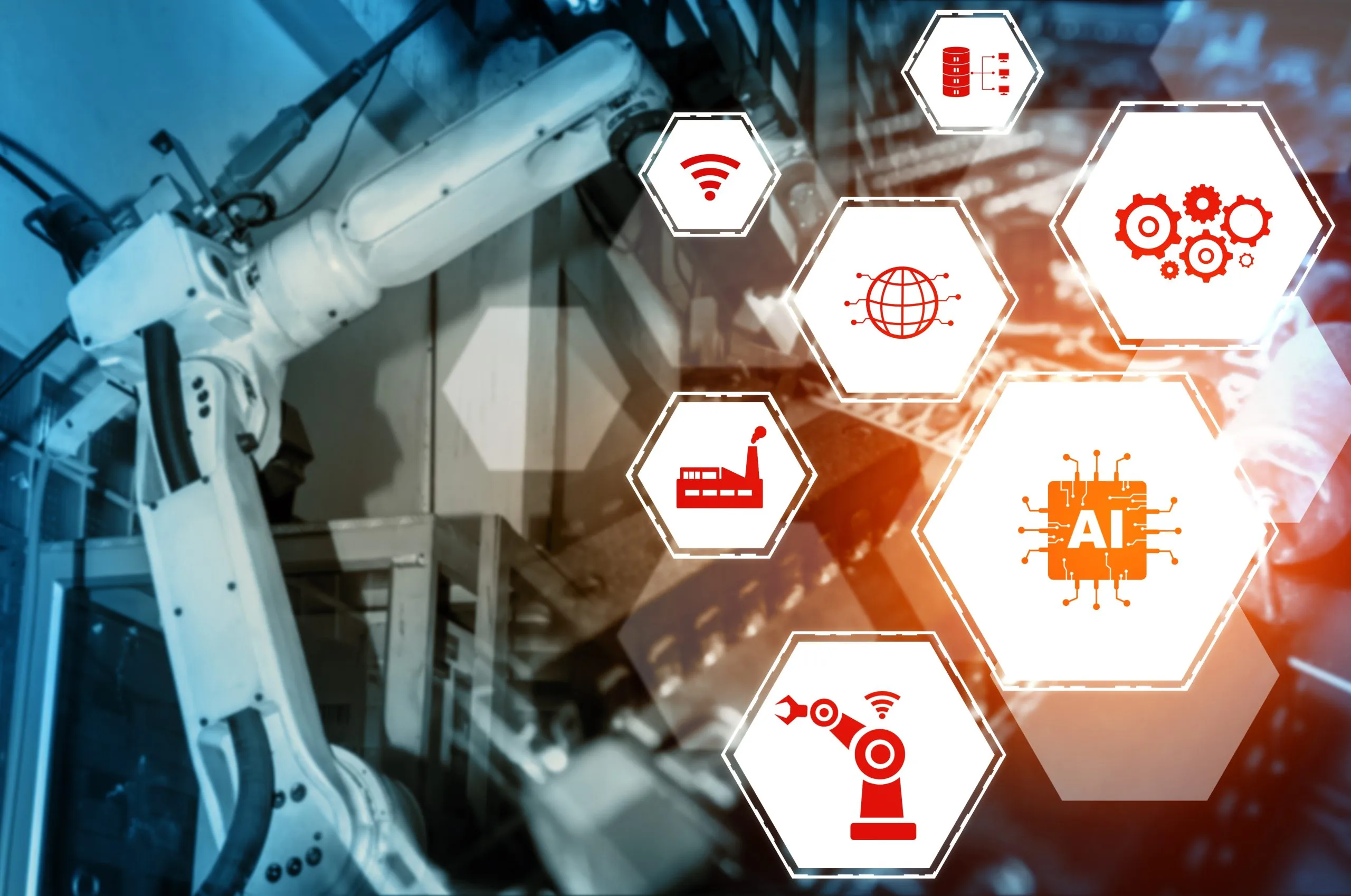
The France Industrial Internet of Things (IoT) market is positioned for robust expansion through 2035, driven by digital transformation across manufacturing, energy, and logistics sectors. IoT adoption enables real‑time data capture, predictive maintenance, and operational efficiency gains. In 2025, the French IoT sector was valued at several billion USD and is forecast to grow at a compound annual growth rate (CAGR) of ~15–18% through 2035 across key industries. As Industry 4.0 initiatives accelerate, France’s IoT ecosystem is expected to strengthen regional competitiveness and innovation capacity.
Key Forces Shaping France’s Industrial IoT Landscape
Manufacturing Digitization & Industry 4.0
France’s manufacturing base is integrating IoT to enhance automation, quality control, and process optimization. Deployment of sensors, edge computing, and connectivity solutions reduces unplanned downtime and increases throughput. For example, IoT‑enabled predictive maintenance can lower equipment failures by up to 30% and reduce maintenance costs by as much as 25%. Smart factories in automotive, aerospace, and pharmaceuticals are leading adoption.
Energy & Utilities Modernization
Utility providers increasingly leverage IoT for grid monitoring, asset performance management, and energy optimization. Smart meter and sensor networks support load balancing and real‑time fault detection. IoT applications contribute to France’s energy transition goals by improving efficiency and supporting integration of renewable generation sources into the grid.
Logistics & Supply Chain Efficiency
Transportation and warehousing sectors use IoT for real‑time asset tracking, inventory management, and route optimization. Connected devices provide visibility across supply chains, reducing lead times and logistics costs. IoT solutions help firms respond to demand variability and regulatory requirements, particularly in cold chain and hazardous goods handling.
Government Initiatives and Strategic Support for Advancing Industrial IoT in France
The French government supports IoT adoption through Industry 4.0 strategies, funding programs, and innovation hubs. Initiatives such as “France 2030” allocate capital to digital technologies and smart manufacturing. Public–private partnerships and tax incentives aim to stimulate R&D in IoT platforms, cybersecurity frameworks, and interoperability standards.
Competitive Dynamics and Key Players in France’s Industrial IoT Market
France’s IoT market comprises global technology providers and domestic integrators. Major players include Siemens, Schneider Electric, and Bosch, offering platforms, sensors, and services. Local companies and startups focus on niche segments like AI‑driven analytics and industrial cybersecurity, intensifying competition and fostering specialized solutions for vertical markets.
Key Challenges Impacting the Growth of Industrial IoT in France
Data Security & Privacy Concerns
Industrial networks face heightened risk of cyberattacks as connectivity increases. Securing endpoints, networks, and data flows in IoT environments requires comprehensive strategies, adding complexity and cost for adopters.
Interoperability & Legacy Systems
Integration of IoT with legacy industrial equipment remains a barrier. Disparate protocols and standards hinder seamless data exchange and slow deployment timelines, especially in traditional manufacturing facilities.
Future Outlook
By 2035, the France IoT market is expected to mature with broader adoption in small and medium enterprises (SMEs) alongside large corporations. Advances in 5G connectivity, AI analytics, and edge computing will accelerate real‑time decision‑making and autonomous operations. Sector‑specific IoT applications, particularly in energy transition and smart infrastructure, will support national productivity and sustainability targets. Continued investment and standardized frameworks should reduce barriers, enabling scalable IoT ecosystems across French industry.
Consultants at Nexdigm, in their latest publication “France Industrial IoT Market Outlook to 2035,” analyze the sector by System Type (Connected Factory Systems, Smart Logistics Systems, Predictive Maintenance Systems, Industrial Control Systems), By Platform Type (Cloud-based Platforms, Edge Computing Platforms, On-premise Platforms), and By Fitment Type (On-premise Solutions, Cloud-based Solutions, Hybrid Solutions). Nexdigm suggests that businesses should leverage the power of the Industrial Internet of Things (IoT) to enhance operational efficiency, optimize resource management, and drive innovation in a digitally connected world. With the increasing adoption of Industry 4.0 technologies, companies can transform traditional processes by integrating smart devices, sensors, and data analytics into their operations. This shift not only facilitates predictive maintenance and real-time monitoring but also enables companies to make more informed, data-driven decisions, helping them stay competitive in an ever-evolving market landscape. To remain relevant, businesses must prioritize investments in IoT infrastructure, cybersecurity, and skilled talent to navigate challenges and unlock the full potential of digital transformation.
To take the next step, simply visit our Request a Consultation page and share your requirements with us.
Harsh Mittal
+91-8422857704