
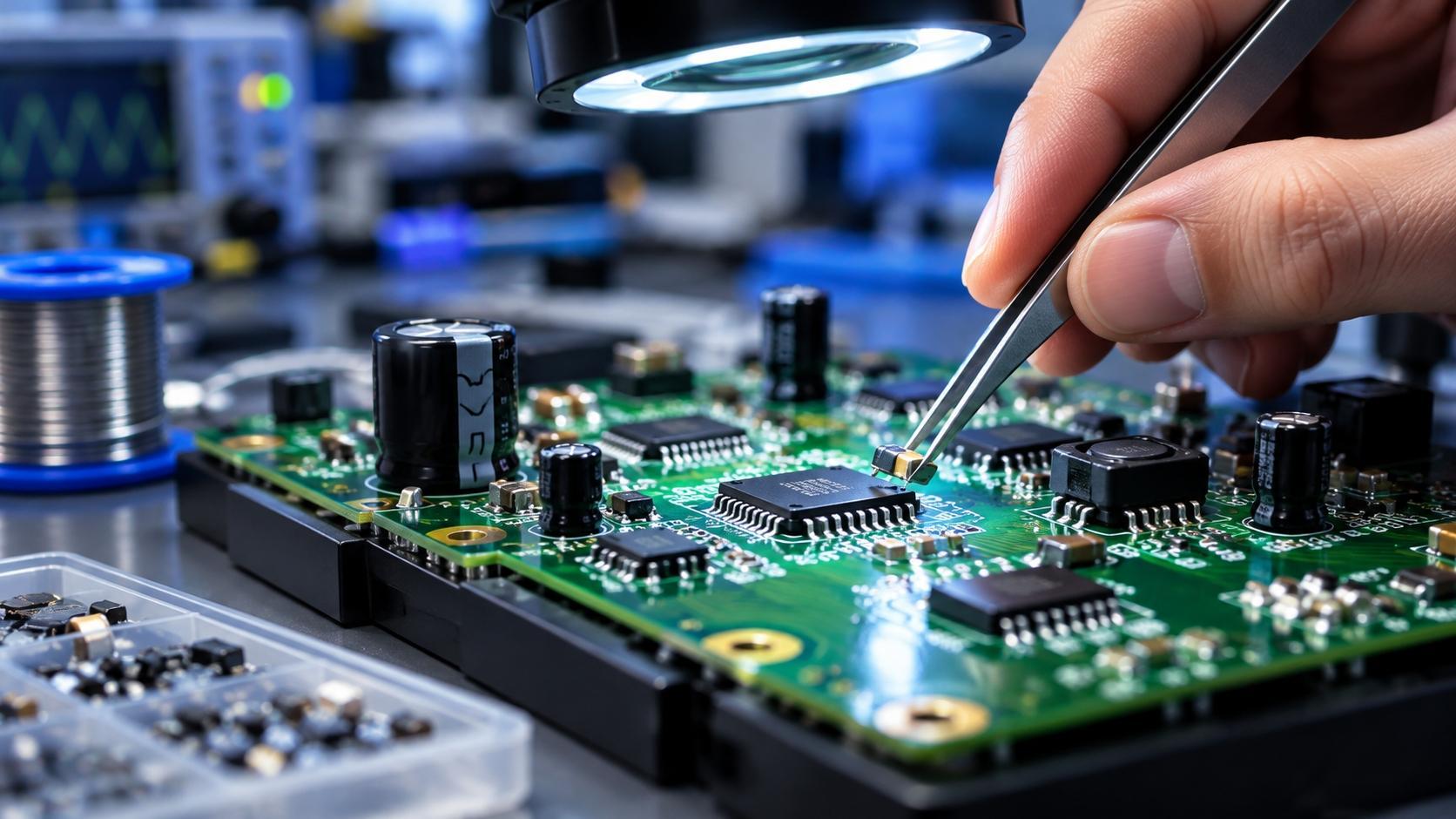
Germany flexible electronics and circuit industry is gaining momentum as industries increasingly adopt lightweight, bendable, and high-performance electronic components. Flexible printed circuits, flexible hybrid electronics, and advanced sensors are finding applications across the automotive, healthcare, industrial automation, and consumer electronics sectors. The country’s strong manufacturing base, renowned engineering expertise, and ongoing Industry 4.0 transformation continue to create favorable conditions for market expansion. Growing investments in electric vehicles, smart factories, and semiconductor technologies are further accelerating demand for innovative flexible electronic solutions across Germany.
Market Drivers Supporting Germany Flexible Electronics & Circuit Market Industry
Strong Automotive and Electric Vehicle Industry
Germany remains one of Europe largest automotive manufacturing hubs, with leading vehicle manufacturers increasingly integrating flexible electronics into electric vehicles, advanced driver assistance systems, infotainment systems, and battery management solutions. Flexible circuits help reduce component weight while improving design flexibility and functionality. As EV adoption rises, demand for compact and efficient electronic architectures is expected to strengthen significantly.
Industry 4.0 and Smart Manufacturing Adoption
The rapid adoption of Industry 4.0 technologies is creating substantial opportunities for flexible electronics. Smart factories increasingly rely on connected sensors, wearables, flexible displays, and monitoring systems to improve productivity and operational efficiency. Germany large industrial base continues to invest in automation and digital manufacturing solutions, supporting the growing need for flexible electronic components that can operate in complex industrial environments.
Expanding Semiconductor and Electronics Ecosystem
Germany well-established electronics and semiconductor ecosystem is another critical growth driver. Regions such as Bavaria, Baden-Württemberg, and Saxony have developed strong semiconductor and microelectronics clusters, encouraging innovation in next-generation electronic solutions. Continuous investments in research and development, coupled with demand from healthcare devices, consumer electronics, and industrial applications, are fostering wider adoption of flexible circuits and printed electronics. The country’s advanced electronics manufacturing capabilities and strong supply chain network further support market growth.
Government Initiatives Supporting Germany Flexible Electronics & Circuit Sector
The German government actively promotes digital transformation, advanced manufacturing, and semiconductor development through various industrial modernization programs. Initiatives supporting Industry 4.0 implementation, smart factories, research collaboration, and domestic semiconductor production are strengthening the technological foundation of the electronics sector. Additionally, sustainability-focused policies and investments in electric mobility are encouraging the adoption of innovative electronic technologies, including flexible circuits and components.
Competitive Landscape of Germany Flexible Electronics & Circuit Industry
The market is characterized by the presence of established electronics manufacturers, semiconductor companies, specialized circuit producers, and research institutions. Market participants are focusing on product innovation, strategic partnerships, and research investments to enhance performance and application capabilities. Competition is driven by the increasing demand for advanced, flexible printed circuits, wearable electronics, medical devices, and automotive electronic systems. Continuous technological advancements remain a key differentiator within the industry.
Challenges Affecting Germany Flexible Electronics & Circuit Growth
High Manufacturing Costs
Flexible electronics often require specialized materials, advanced production technologies, and significant research investments. These factors can increase manufacturing costs and create challenges for widespread commercialization.
Technical Complexity and Reliability Requirements
Ensuring durability, conductivity, and long-term reliability under varying environmental conditions remains a challenge. Manufacturers must continuously improve material performance and production processes to meet stringent automotive, industrial, and healthcare application standards.
Future Outlook
The future of Germany’s flexible electronics and circuit market appears highly promising, driven by continued advancements in smart manufacturing, electric mobility, medical technology, and semiconductor innovation. Growing adoption of connected devices, wearable technologies, and intelligent industrial systems is expected to create new opportunities for flexible electronic applications. As investments in Industry 4.0, automation, and next-generation electronics continue to expand, Germany is well-positioned to strengthen its role as a leading European hub for flexible electronics development and commercialization, supporting sustained market growth over the coming years.
Consultants at Nexdigm, in their latest publication “Germany Flexible Electronics & Circuit Market Outlook to 2035,” analyze the sector By Product Form ((Market Definition and Scope, Germany Flexible Electronics & Circuit Market Classification, Flexible Electronics Technology Mapping, Flexible Printed Circuit Board (FPCB) Evaluation, Flexible Printed Electronics Assessment).
Nexdigm suggests that businesses in the Germany Flexible Electronics & Circuit Industry focus on opportunities arising from advanced manufacturing, automotive electronics, wearable devices, and Industry 4.0 applications. Companies can gain a competitive edge by investing in flexible sensor technologies, innovation-driven partnerships, and sustainable electronics production.
To take the next step, simply visit our Request a Consultation page and share your requirements with us.
Harsh Mittal
+91-8422857704