
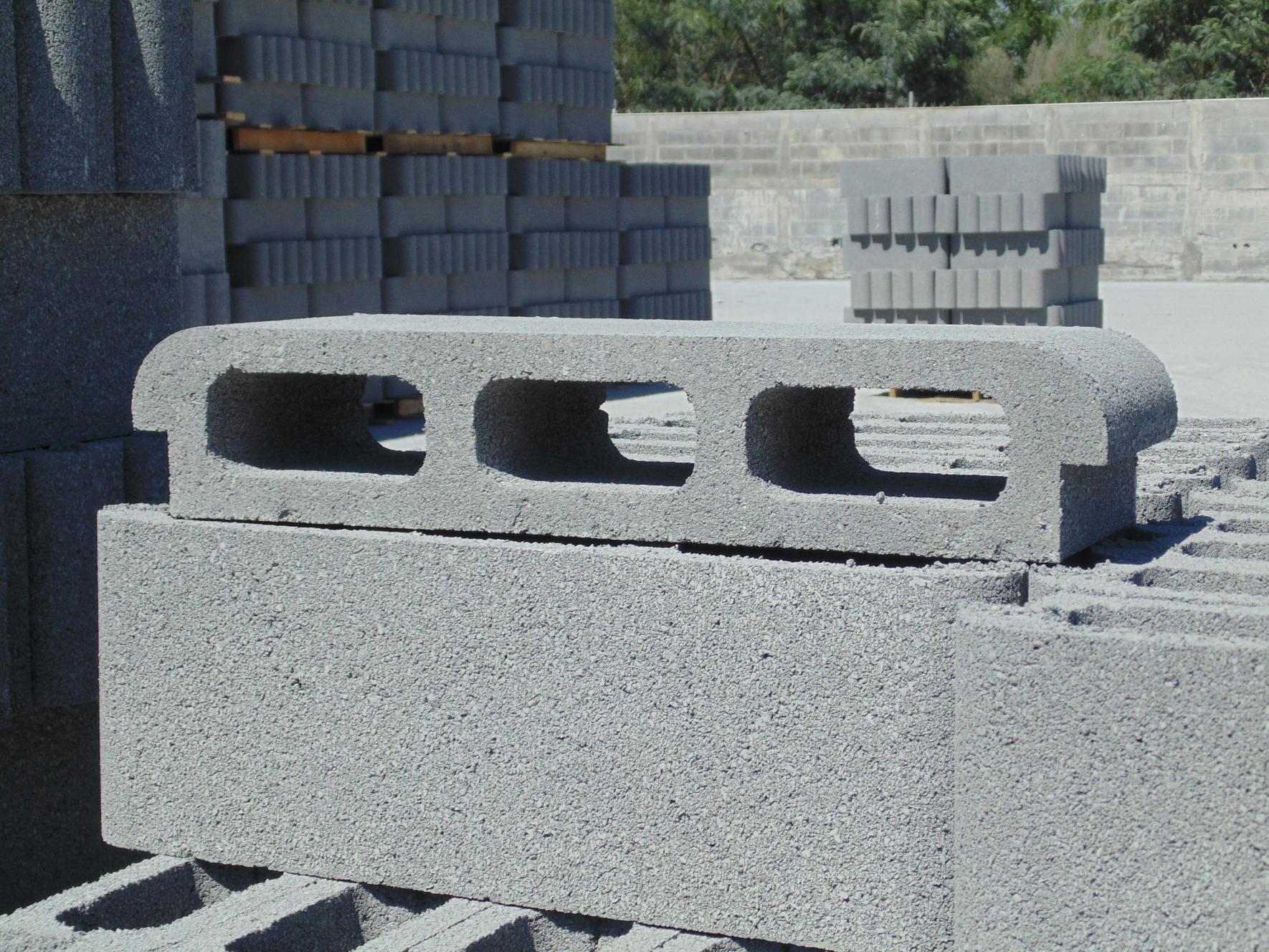
The Germany hollow concrete blocks market plays an important role in the country’s residential and commercial construction sector. Hollow concrete blocks are widely used due to their durability, lightweight structure, thermal insulation, acoustic performance, and fire-resistant properties. Demand is supported by ongoing housing development and renovation activities across major states such as North Rhine-Westphalia, Bavaria, Baden-Württemberg, and Rhineland-Palatinate. Germany’s dwelling stock increased from approximately 43.52 million units to 43.76 million units, highlighting the continued need for efficient masonry materials. The market also benefits from growing interest in sustainable and energy-efficient building solutions.
Market Drivers Advancing the Germany Hollow Concrete Blocks Growth
Rising Residential Construction and Housing Demand
Residential construction remains a primary growth driver for the Germany hollow concrete blocks market. Germany completed approximately 251,937 dwellings in the latest reported period, demonstrating continued activity in the housing sector. Growing urbanization, population concentration in metropolitan regions, and the need for modern housing infrastructure are increasing the demand for cost-effective and durable construction materials. Hollow concrete blocks are widely preferred because they reduce structural weight while maintaining strength and performance.
Growing Demand for Energy-Efficient Buildings
Energy efficiency has become a key focus within Germany’s construction industry. Hollow concrete blocks offer excellent thermal insulation properties, helping builders meet stringent building-efficiency standards. As developers increasingly prioritize sustainable construction practices, lightweight masonry products are gaining popularity. Their ability to contribute to lower energy consumption and improved indoor comfort makes them an attractive option for residential and commercial projects.
Strong Regional Manufacturing Ecosystem
The presence of established construction material manufacturing hubs strengthens market growth. Regions such as Rhineland-Palatinate benefit from natural pumice resources and lightweight concrete manufacturing clusters surrounding the Rhine-Neuwied basin. Additionally, Germany’s residential floor space exceeds 4 billion square meters, creating substantial opportunities for hollow concrete block manufacturers to support both new construction and renovation projects.
Government Initiatives Supporting Germany Hollow Concrete Blocks Industry
The German government continues to promote sustainable and energy-efficient construction through building regulations and modernization programs. Various renovation and energy-efficiency initiatives encourage property owners to improve building performance, supporting demand for advanced masonry materials. Policies focused on reducing carbon emissions from buildings and enhancing housing availability are also expected to contribute to increased adoption of hollow concrete blocks in construction projects nationwide.
Competitive Landscape of Germany Hollow Concrete Blocks Sector
The Germany hollow concrete blocks market consists of both regional manufacturers and large construction material companies. Market participants compete through product quality, sustainability credentials, manufacturing efficiency, and distribution networks. Companies are increasingly investing in lightweight and environmentally friendly masonry solutions to meet evolving customer requirements. Strong regional supply chains and proximity to major construction centers remain important for competitive advantages for manufacturers.
Challenges Impacting Germany Hollow Concrete Blocks Industry
Fluctuating Raw Material and Energy Costs
Manufacturers face challenges from fluctuations in cement, aggregate, transportation, and energy costs. Rising production expenses can impact profit margins and influence product pricing, particularly during periods of economic uncertainty.
Competition from Alternative Building Materials
The market also faces competition from alternative construction materials such as aerated concrete, prefabricated panels, and advanced modular building systems. These solutions offer unique performance benefits and may limit growth opportunities in certain construction applications.
Future Outlook
The future of the Germany hollow concrete blocks market remains positive, supported by long-term housing demand, infrastructure development, and increasing emphasis on sustainable construction. Growing adoption of energy-efficient building materials is expected to strengthen demand for lightweight concrete masonry products. Continued expansion of Germany’s housing stock, modernization of existing buildings, and investments in construction technologies will create additional opportunities for manufacturers. As environmental regulations become more stringent, hollow concrete blocks offering improved thermal performance and sustainability characteristics are likely to witness wider adoption across residential, commercial, and institutional construction projects.
Consultants at Nexdigm, in their latest publication “Germany Hollow Concrete Blocks Market Outlook to 2035,” analyze the sector By (Market Definitions and Assumptions, Aggregate Concrete Masonry Unit Classification, Dense versus Lightweight Aggregate Block Mapping, Hollow Block versus Plan-Hollow-Block Classification, Load-Bearing and Non-Load-Bearing Masonry Mapping,).
Nexdigm suggests that businesses in the Germany Hollow Concrete Blocks Industry focus on expanding energy-efficient product portfolios, strengthening regional distribution networks, and aligning with sustainable construction requirements. Leveraging growing housing stock, renovation activities, and demand for thermally efficient building materials can support long-term market growth and competitive positioning.
To take the next step, simply visit our Request a Consultation page and share your requirements with us.
Harsh Mittal
+91-8422857704