
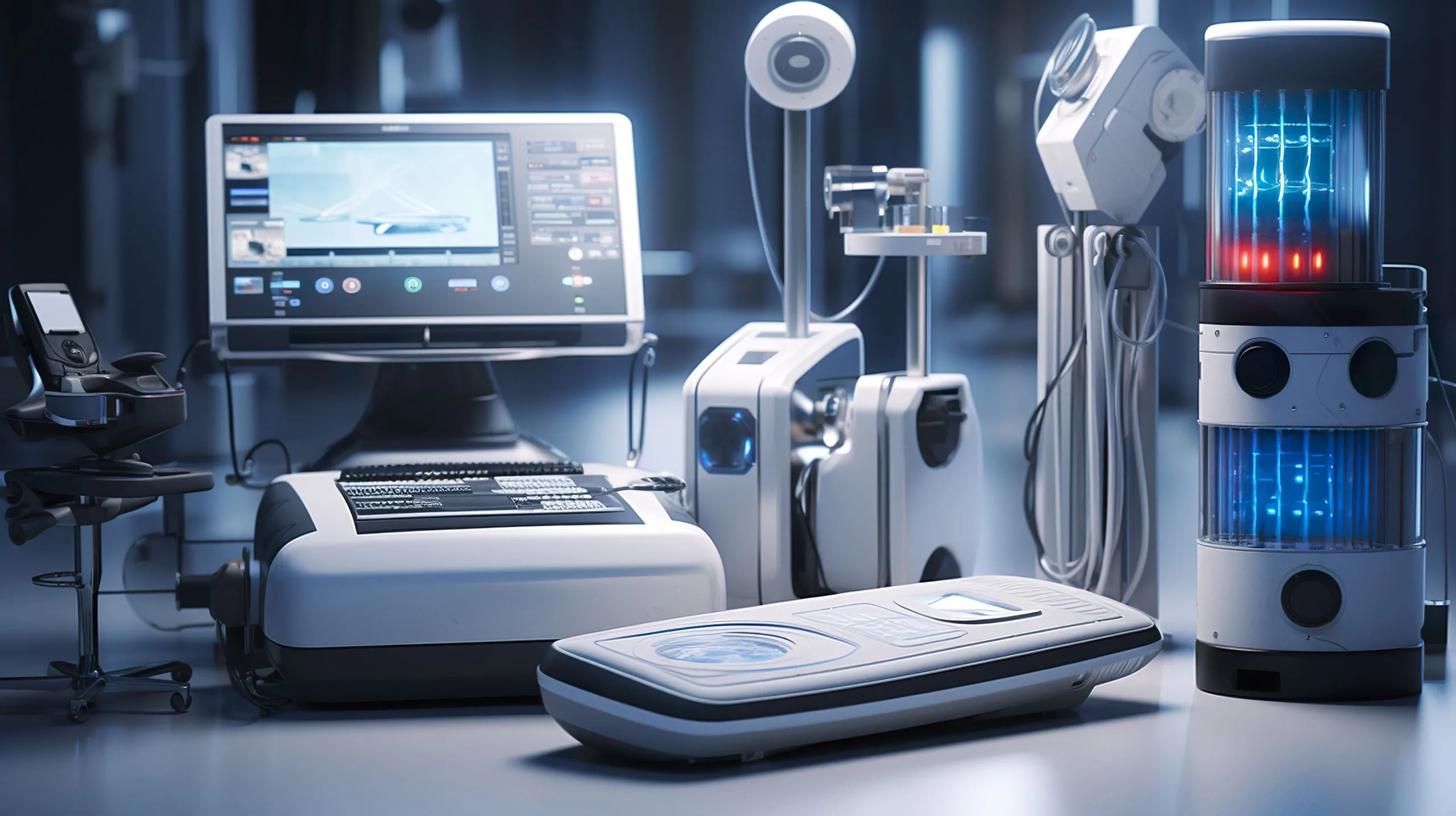
Germany remains the benchmark market for medical technology in Europe, and that status is unlikely to change anytime soon. The country combines deep industrial expertise with a well-funded healthcare system, something few markets can match at scale. In 2026, Germany continues to rank among the world’s largest buyers and exporters of medical devices, spanning everything from MRI scanners and surgical tools to dialysis systems and home monitoring kits. What makes Germany particularly interesting is the balance between demand and production. Hospitals, clinics, and laboratories consistently upgrade equipment, while domestic manufacturers supply both local buyers and overseas markets. At the same time, pressure on healthcare budgets means purchasing decisions are becoming more selective. Buyers want better outcomes, longer product life, and clear efficiency gains rather than simply newer machines. That shift will shape the market through 2035.
What’s Driving the Medical Devices Market in Germany?
Aging Population and Long-Term Care Needs
Germany has one of Europe’s oldest populations, and that reality changes spending priorities. Older patients typically require more diagnostics, orthopedic procedures, cardiac interventions, and rehabilitation support. Devices such as joint implants, mobility aids, hearing systems, and remote heart monitors are no longer niche categories. They are routine demand lines. In practice, elder care is also moving beyond hospitals. Nursing homes and home-care providers now need compact monitoring tools, portable imaging solutions, and connected devices that help reduce repeat admissions. That trend often benefits mid-sized manufacturers more than giant capital-equipment suppliers.
Hospital Modernization and Digital Care Delivery
Many German hospitals are replacing aging equipment purchased a decade or more ago. This replacement cycle matters. Imaging fleets, sterilization systems, operating room technologies, and patient monitoring hardware all need upgrades after years of heavy use. Digitalization adds another layer. Hospitals increasingly prefer devices that integrate with electronic records and internal IT systems. A scanner that cannot share data smoothly may lose out to a slightly pricier alternative that can. That sounds obvious, yet interoperability remains a common challenge across Europe. Germany is dealing with it in real time.
Manufacturing Depth and Export Reputation
Germany has spent decades building trust in precision engineering, and MedTech benefits from that reputation. Buyers in Asia, the Middle East, and North America often associate German-made equipment with reliability and service quality. That still carries weight, especially for mission-critical devices used daily. The country also has a strong network of specialist suppliers making sensors, optics, pumps, and control systems. This matters because medical devices rely on thousands of components, not just final assembly. Few markets have that industrial depth.
Government-Led Initiatives Supporting Growth
Public policy continues to influence demand more than many assume. Funding programs aimed at hospital modernization have helped accelerate procurement of digital systems, ICU equipment, and smarter diagnostic tools. There is also continued support for university research, clinical trials, and partnerships between manufacturers and hospitals. Regulation cuts both ways. The European Medical Device Regulation has raised quality and documentation standards, which can improve patient safety. Yet smaller manufacturers often complain, with reason, that compliance costs consume resources that might otherwise go into innovation. Strong rules are useful, but they are rarely painless.
Market Competition and Industry Landscape
Germany’s market includes multinational heavyweights and highly capable domestic specialists. Major names include Siemens Healthineers, B. Braun, Dräger, and Fresenius Medical Care. These firms compete across imaging, critical care, infusion systems, renal therapy, and hospital equipment. Yet the market is not controlled by giants alone. Germany’s mid-sized industrial firms often dominate niche segments such as sterilization units, dental systems, endoscopy tools, and rehabilitation equipment. Many buyers prefer these specialists because service response times can be faster and product customization more practical.
Regulatory Costs and Budget Constraints
One clear obstacle stands out: hospitals need advanced technology, but many are under financial pressure. Capital budgets are finite, labor costs are rising, and procurement teams face growing scrutiny. As a result, even clinically useful devices can face delayed purchasing decisions. On the supplier side, MDR compliance has lengthened approval timelines and raised certification expenses. Large firms can absorb this more easily. Smaller players often cannot. Over time, that may reduce product diversity unless reforms ease the burden.
Future Outlook
Germany’s medical devices market should remain solid through 2035, though growth will likely be measured rather than explosive. The strongest gains may come from AI-assisted imaging, robotic surgery, wearable monitoring, minimally invasive treatment tools, and home-based care devices. One notable shift will be where care happens. More treatment and monitoring will move outside major hospitals into outpatient centers and homes. That creates demand for smaller, connected, easier-to-use equipment rather than only large capital machines.
Consultants at Nexdigm, in their latest publication “Germany Medical Devices Market Outlook to 2035”, analyzed the market by Product Type (Diagnostic Imaging Devices, Patient Monitoring Equipment, Surgical Instruments, Orthopedic Devices, Dental Devices), By End User (Hospitals, Clinics, Diagnostic Centers, Home Healthcare, Rehabilitation Centers), and By Distribution Channel (Direct Sales, Distributors, E-Procurement Platforms, Service Contracts). Nexdigm believes businesses should focus on MDR-ready portfolios, digital compatibility, and practical solutions that reduce staffing pressure while improving patient throughput.
To take the next step, simply visit our Request a Consultation page and share your requirements with us.
Harsh Mittal
+91-8422857704