
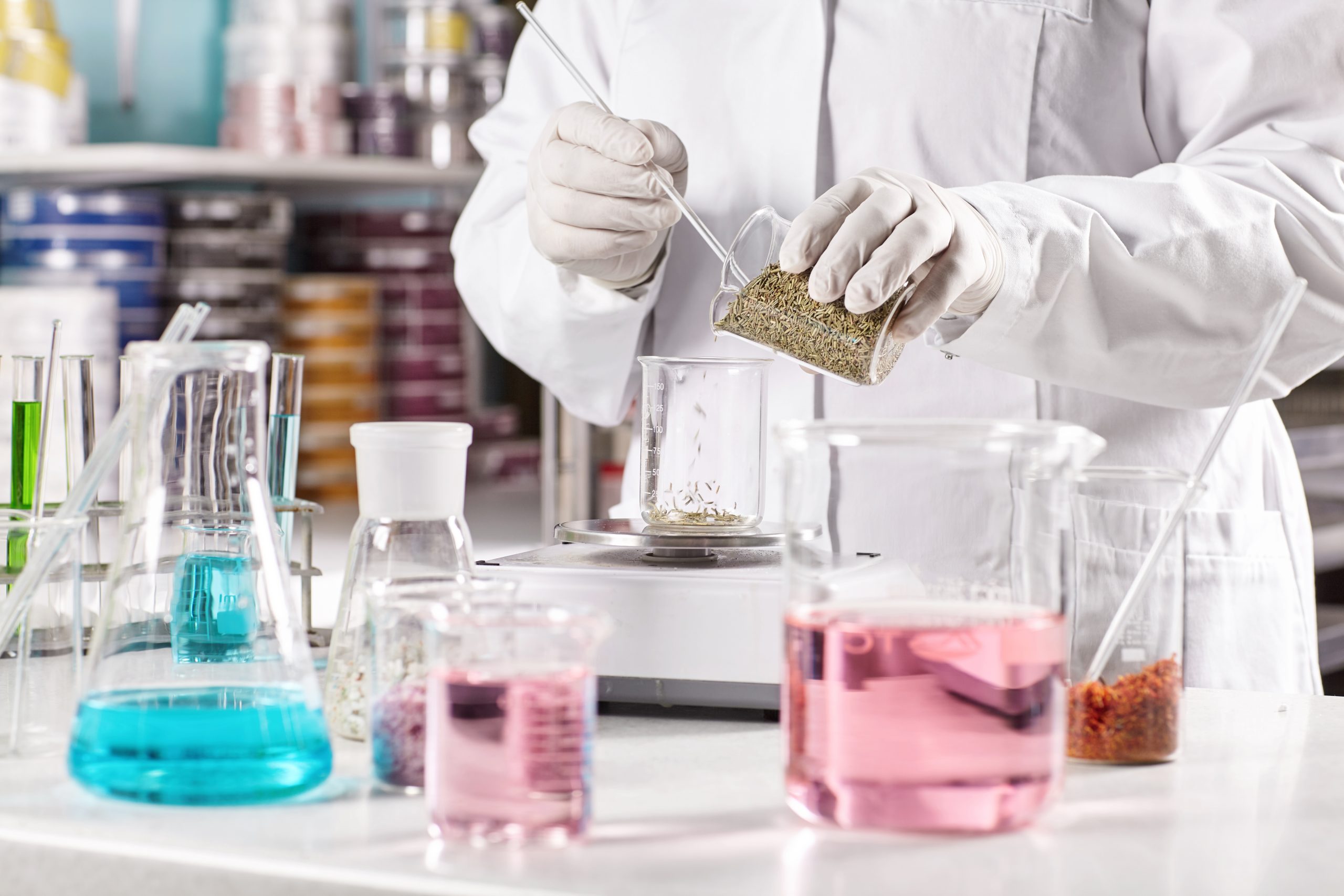
Germany modified non-ionic starch market plays a crucial role in supplying functional ingredients to industries such as food processing, paper manufacturing, textiles, pharmaceuticals, and adhesives. These starch derivatives are valued for their enhanced stability, viscosity control, and compatibility across various industrial processes. As manufacturers increasingly seek sustainable and bio-based materials, modified non-ionic starch has emerged as a preferred alternative to synthetic additives. Growing demand for eco-friendly production methods, coupled with Germany’s strong industrial base and innovation-driven manufacturing sector, continues to support market expansion and product development across multiple end-use industries.
Market Drivers Supporting Germany Modified Non-Ionic Starch Industry
Rising Demand from Food Processing Industry
The German food industry remains one of Europe’s largest manufacturing sectors, creating substantial demand for modified non-ionic starch products. These starches are widely used as thickeners, stabilizers, and texture-enhancing agents in processed foods, dairy products, sauces, and bakery applications. With the convenience of food consumption increasing and manufacturers focusing on clean-label formulations, demand for specialty starch ingredients continues to grow. Industry estimates indicate that processed food applications account for more than 35% of modified starch consumption in developed European markets.
Expansion of Sustainable Paper and Packaging Applications
Germany packaging and paper industries are increasingly adopting bio-based materials to meet sustainability objectives and reduce dependence on petroleum-derived chemicals. Modified non-ionic starch enhances paper strength, printability, and coating performance while supporting recyclable packaging solutions. The rapid growth of e-commerce and demand for environmentally responsible packaging have increased the utilization of starch-based additives. Packaging-related applications contribute approximately 25-30% of industrial starch demand across Europe, highlighting a significant growth avenue for suppliers.
Growth in Industrial and Technical Applications
Beyond food and paper industries, modified non-ionic starch is gaining traction in textiles, adhesives, pharmaceuticals, and construction materials. Manufacturers value these products for their biodegradability, cost effectiveness, and performance characteristics. Germany’s advanced manufacturing ecosystem and focus on green chemistry innovations continue to encourage the development of starch-based industrial formulations. Rising investments in sustainable production technologies and renewable raw materials are further strengthening market demand.
Government Initiatives Supporting Germany Modified Non-Ionic Starch Sector
The German government actively promotes the use of renewable and bio-based materials through sustainability policies, circular economy initiatives, and industrial innovation programs. Research funding aimed at reducing carbon emissions and improving resource efficiency encourages the development of starch-derived products. Additionally, European Union regulations supporting biodegradable and environmentally friendly materials create favorable conditions for manufacturers investing in advanced starch processing technologies and sustainable product portfolios.
Competitive Landscape of Germany Modified Non-Ionic Starch Industry
The market features a mix of global ingredient producers and regional specialty starch manufacturers competing through product innovation, quality enhancement, and application-specific solutions. Companies focus on expanding production capabilities, strengthening research partnerships, and developing customized starch derivatives for food and industrial customers. Strategic collaborations with packaging, pharmaceutical, and food-processing companies remain common as suppliers seek to enhance their market presence and technological capabilities.
Challenges Affecting Germany Modified Non-Ionic Starch Growth
Volatility in Raw Material Prices
The availability and pricing of corn, wheat, and potato feedstocks significantly influence production costs. Fluctuations caused by adverse weather conditions, supply chain disruptions, or agricultural market dynamics can affect profit margins and pricing strategies.
Competition from Alternative Ingredients
Modified non-ionic starch faces competition from synthetic polymers, hydrocolloids, and other functional additives. Manufacturers must continuously improve performance, sustainability credentials, and cost efficiency to maintain competitiveness across diverse industrial applications.
Future Outlook
The Germany modified non-ionic starch market is expected to witness steady growth as industries increasingly prioritize sustainable, renewable, and high-performance materials. Demand from food processing, paper packaging, pharmaceuticals, and industrial manufacturing is likely to remain strong. Continued investment in bio-based technologies, circular economy initiatives, and product innovation will create new opportunities for market participants. As environmental regulations become more stringent and consumer preference for eco-friendly products strengthens, modified non-ionic starch is projected to play an increasingly important role in Germany’s evolving industrial landscape.
Consultants at Nexdigm, in their latest publication “Germany Modified Non-Iconic Starch Market Outlook to 2035,” analyze the sector By Product Form ((Market Definitions and Scope, Market Classification Framework, Market Sizing Methodology, Top-Down Analysis, Bottom-Up Analysis, Demand-Side Evaluation, Supply-Side Assessment, Primary Industry Interviews, Trade Flow Analysis, Value Chain Mapping, Data Triangulation, Forecasting Model, Research Limitations and Assumptions).
Nexdigm suggests that businesses in the Germany Modified Non-Ionic Starch Industry focus on advanced industrial applications, sustainable product development, evolving end-user requirements, regulatory compliance, and innovation-driven strategies to enhance competitiveness and unlock long-term growth opportunities.
To take the next step, simply visit our Request a Consultation page and share your requirements with us.
Harsh Mittal
+91-8422857704