
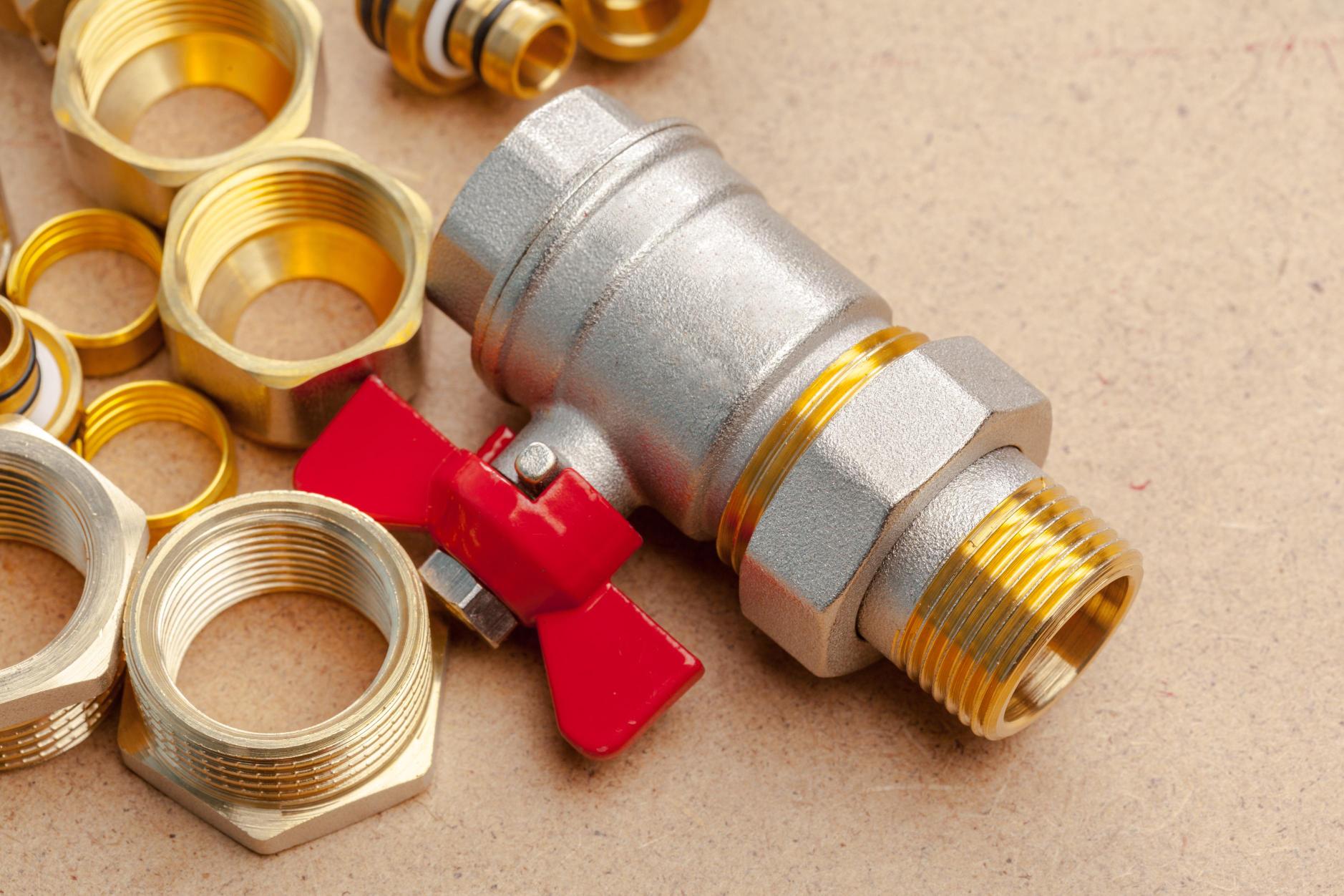
Germany’s plastic pipes and fittings market is supported by continued investment in construction, water systems, building renovation, and utility modernization. PVC, PE, PP, and multilayer plastic piping systems are widely used because of their corrosion resistance, low weight, durability, and installation efficiency. Germany’s main construction sector generated about €120.5 billion in revenue in 2025, while construction orders increased by 6.8% in real terms. These trends provide a broad demand base for piping products used in buildings, drainage, municipal networks, industrial facilities, and infrastructure projects.
Market Drivers of Germany’s Plastic Pipes and Fittings Industry
Construction Recovery Supports Plumbing and Utility Demand
Improving construction activity is creating fresh opportunities for Germany’s plastic pipe industry. In 2025, authorities approved approximately 238,500 dwellings, representing a 10.8% increase from the previous year. New-build housing approvals increased by 12.6% to about 198,100 units. New homes and apartment buildings require substantial volumes of piping for potable water, heating, drainage, wastewater, and utility connections. Plastic systems are particularly attractive because they simplify installation and resist scaling and corrosion.
Infrastructure and Civil Engineering Investment Drives Pipe Consumption
Germany’s civil-engineering segment is also strengthening. Revenue in civil engineering reached approximately €61.7 billion in 2025, increasing by 8.2% in nominal terms and 5.8% in real terms. Water networks, sewerage systems, telecommunications ducts, energy connections, and municipal infrastructure all require reliable piping solutions. PE and PVC pipes are well positioned in these applications because of their long service lives and ability to handle demanding underground conditions.
Renovation Creates Replacement Opportunities
Germany has a large stock of existing residential and commercial buildings, making renovation another important growth area. Around 40,400 homes were approved through conversions of existing buildings in 2025. Renovation projects often require replacement of aging plumbing, heating, drainage, and utility systems. Modern plastic pipes offer easier installation in existing structures while helping reduce maintenance requirements.
Government Initiatives Supporting Germany’s Plastic Pipes and Fittings Market
Germany continues to support infrastructure modernization, housing development, energy efficiency, and municipal investment. Construction capital formation exceeded €460 billion across the four quarters of 2025, including substantial spending on housing and other construction assets. Public investment in water systems, energy-efficient buildings, district heating, and urban infrastructure indirectly supports demand for plastic pipes and fittings across residential, commercial, municipal, and industrial applications.
Competitive Insights of Germany’s Plastic Pipes and Fittings Industry
Germany’s plastic pipes and fittings industry includes domestic manufacturers, European suppliers, building-material groups, distributors, and specialized engineering companies. Competition focuses on durability, certification, material efficiency, technical performance, recyclability, and installation convenience. Suppliers offering complete systems across drinking water, heating, sewerage, drainage, industrial applications, and infrastructure are better positioned to address diversified demand. Sustainability credentials and compatibility with modern energy-efficient buildings are also becoming increasingly important competitive factors.
Challenges Affecting Germany’s Plastic Pipes and Fittings Market
Construction Weakness Can Limit Short-Term Demand
Although building permits recovered, Germany completed only 206,600 homes in 2025, an 18% decline from the previous year. High financing costs and slower project completion can therefore constrain near-term pipe demand.
Raw Material and Sustainability Pressures Remain
Plastic pipe manufacturers remain exposed to polymer resin prices, energy costs, and stricter sustainability expectations. Producers must increasingly improve recyclability and material efficiency while maintaining pressure resistance, hygiene, durability, and regulatory compliance.
Future Outlook
In the coming years, Germany’s plastic pipes and fittings market should benefit increasingly from renovation, infrastructure renewal, housing recovery, and modernization of municipal networks. The market is likely to be driven as much by replacement demand as by completely new construction. Residential building permits rose by more than 10% in 2025, while civil-engineering revenue exceeded €61 billion, pointing to a healthier pipeline of future projects. Suppliers offering durable, recyclable, easy-to-install, and technically certified piping systems should remain well positioned as Germany upgrades its buildings, utilities, and underground infrastructure.
Consultants at Nexdigm, in their latest publication “Germany Plastic Pipes and Fittings Market Outlook to 2035,” analyze the sector By Material Type (PVC, CPVC, HDPE, MDPE and PVCO Pipes and Fittings), By Product Type (Pressure, Non-Pressure, Corrugated, DXV Pipes), By Application Type (Municipal Water Distribution System, Residential Plumbing Systems and Electric Conduit Systems).
Nexdigm suggests that businesses in Germany’s Plastic Pipes and Fittings Industry must prioritize recyclable and energy-efficient products, target infrastructure renovation opportunities, strengthen technical certifications, invest in material innovation, and build partnerships with utilities, contractors, and construction companies.
To take the next step, simply visit our Request a Consultation page and share your requirements with us.
Harsh Mittal
+91-8422857704