
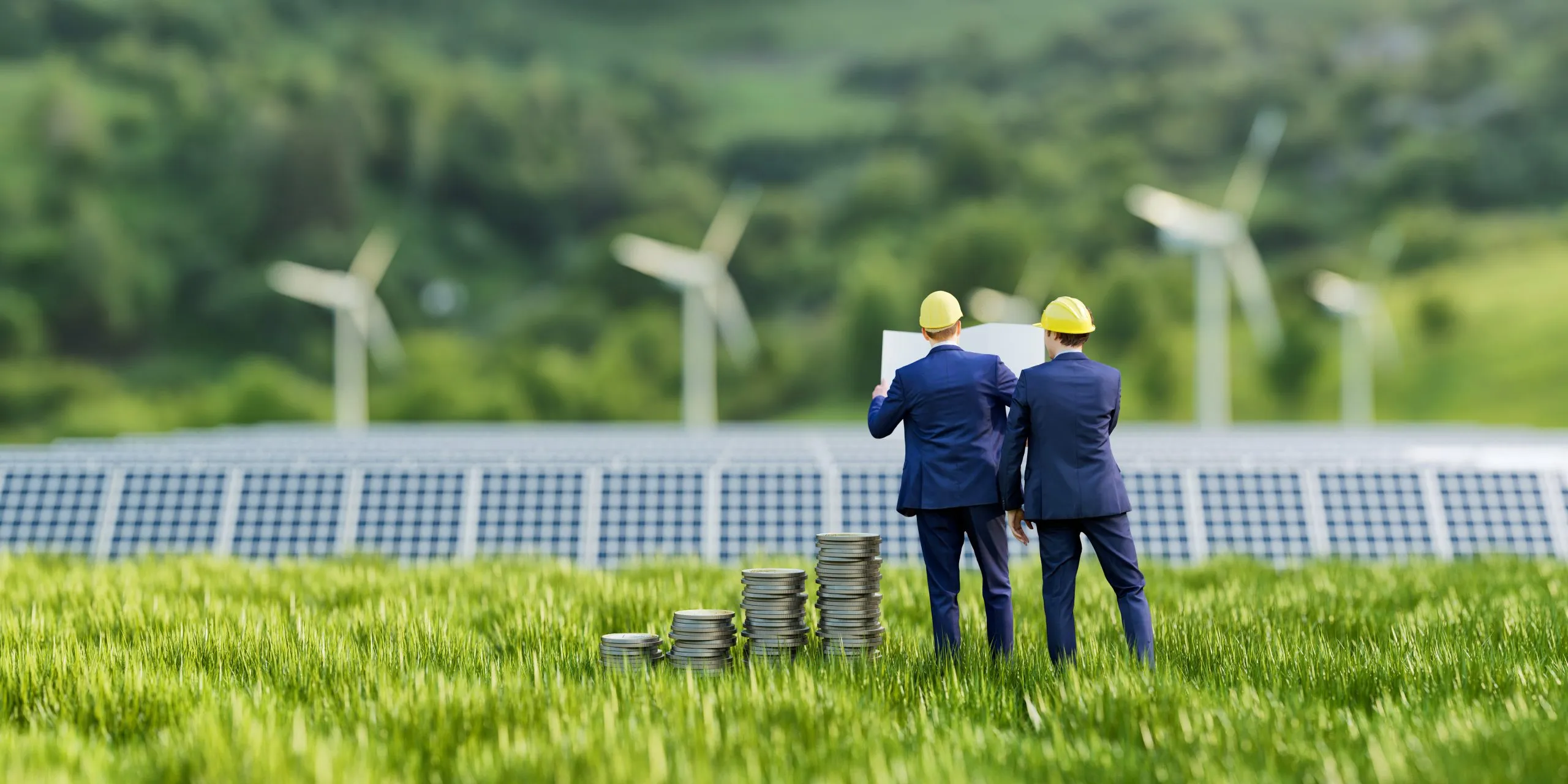
Germany’s renewable energy market is undergoing a remarkable transformation, moving toward a cleaner, greener future. Earlier, around 60% of Germany’s electricity was already generated from renewable sources like wind and solar. The country is on track to meet its ambitious goal of producing 50% of electricity from renewable sources in the upcoming years. As part of energy transition strategy, Germany aims to reach near-100% renewable energy as we move towards the future. This rapid transition is fueled by innovations in technology, strong government backing, and increasing public and corporate demand for sustainable energy solutions. However, integrating such a high share of renewables into the grid while maintaining stability presents both challenges and exciting opportunities.
Key Drivers of Germany’s Renewable Energy Market Growth
Strong Government Policy and Renewable Targets
Germany’s government continues to play a pivotal role in driving the renewable energy market with forward-thinking policies and clear renewable targets. The Energiewende strategy targets 50% renewable energy in the electricity mix and 80% in the upcoming years, creating an attractive market for renewable energy developers. The German government’s Renewable Energy Sources Act (EEG) ensures long-term contracts and guarantees fixed payments to renewable energy producers, reducing the financial risk for investors. This policy framework has spurred growth in both onshore and offshore wind farms and solar installations across the country. Additionally, plans for expanding green hydrogen production to decarbonize industries further bolster the role of renewables in the national grid, encouraging further investments and technological developments.
Technological Innovation and Falling Costs
The continuous decline in the cost of renewable technologies is another significant driver behind Germany’s renewable energy market growth. Over the past decade, the cost of solar energy has dropped by over 80%, making it more competitive with traditional fossil fuels. Similarly, wind turbine technology has advanced, with larger turbines that capture more energy and higher efficiency levels. Battery storage technology, which is critical for managing intermittent renewable generation, has also improved dramatically, helping to ensure grid stability as renewable energy penetration increases. These technological advancements are making renewable energy solutions more accessible and affordable for both businesses and consumers. With innovations in digital energy management, smart grids, and storage, Germany’s energy market is becoming increasingly efficient and reliable, driving more widespread adoption of renewable technologies.
Increasing Demand for Sustainable Energy Solutions
Growing awareness of climate change and the need to reduce carbon footprints has led to a surge in demand for renewable energy, particularly solar and wind power. Companies and individuals are increasingly investing in solar panels and other renewable technologies to reduce their environmental impact and energy costs. In the industrial sector, businesses are signing long-term power purchase agreements (PPAs) and adopting renewable energy to meet sustainability goals. As Germany continues to electrify its economy particularly through the adoption of electric vehicles (EVs) the demand for clean energy will only grow. This rising demand creates new opportunities for the renewable energy market, particularly in the Solar EPC (Engineering, Procurement, and Construction) sector and in the development of energy storage solutions to manage the growing grid load.
Government Initiatives Driving Renewable Growth in Germany
Germany’s government is deeply committed to the success of its energy transition, providing financial support and incentives to accelerate the adoption of renewable energy. The Renewable Energy Sources Act (EEG) continues to guarantee fixed feed-in tariffs for solar, wind, and biomass projects, offering long-term stability to investors. Additionally, the government has invested heavily in expanding the infrastructure required for integrating renewable energy, including grid modernization and energy storage systems. Alongside this, the National Hydrogen Strategy aims to make Germany a global leader in green hydrogen, which will play a critical role in decarbonizing industries that are difficult to electrify. These policies create a supportive environment for both large-scale projects and local renewable energy solutions, further accelerating Germany’s transition to a renewable energy future.
Competitive Landscape of Germany’s Renewable Energy Industry
Germany’s renewable energy market is highly competitive, with several domestic and international companies leading the way. Major players such as Siemens Gamesa, Nordex, and Vestas dominate the wind turbine manufacturing market, while companies like SMA Solar Technology and First Solar are key contributors in the solar sector. Additionally, energy utilities like RWE, EnBW, and E.ON are heavily involved in large-scale renewable energy projects, including offshore wind farms and solar parks. The increasing interest from new entrants, particularly in energy storage and digital energy solutions, adds further competition, driving innovation and efficiency within the sector. As the market expands, Germany’s leadership in renewables will attract more players, creating a dynamic environment that accelerates the clean energy transition.
Market Challenges affecting Germany’s Renewable Energy Industry
Grid Integration and Infrastructure Development
One of the biggest challenges facing Germany’s renewable energy market is grid integration. The intermittent nature of renewable energy sources such as wind and solar presents a challenge for maintaining grid stability. Upgrading Germany’s transmission infrastructure and investing in smarter, more flexible grids will be essential for handling higher renewable energy penetration. Energy storage solutions, like large-scale battery systems, will play a critical role in balancing supply and demand and preventing disruptions in service. Developing this infrastructure requires significant investment and coordination between government agencies, energy producers, and utilities.
Regulatory and Permitting Delays
While Germany has ambitious renewable energy goals, the process for permitting and developing new projects can be slow and complicated. Local opposition to wind farms and large solar installations, particularly in rural areas, often leads to delays in project approvals. Streamlining the regulatory process and addressing community concerns will be necessary to keep the momentum of renewable energy adoption moving forward. Additionally, policies and regulations around energy storage, grid access, and renewable energy integration will need to evolve to meet the demands of a rapidly changing energy landscape.
Future Outlook
Germany’s renewable energy market is expected to continue its rapid growth, with renewable energy accounting for nearly 80% of the country’s electricity in the coming years. The country’s commitment to decarbonization, backed by technological innovation and supportive policies, will drive this transformation. As we move ahead, Germany is expected to have over 100 GW of solar capacity and around 75 GW of wind capacity, with energy storage and green hydrogen playing increasingly important roles in balancing the grid. The continued expansion of offshore wind projects and the development of energy storage solutions will make renewable energy more reliable, supporting the country’s goal of becoming carbon neutral in the coming years. As global demand for clean energy solutions rises, Germany will solidify its position as a leader in the renewable energy transition, setting a powerful example for other nations to follow.
Consultants at Nexdigm, in their latest publication Germany Renewable Energy Market Outlook to 2035, analyze the sector by System Type (Solar Energy System, Wind Energy System, Hydro power Energy System and Biomass Energy Systems), by Platform Type (On shore platforms, Off-shore platforms, Hybrid Platforms, Residential Platforms, Commercial Platforms).
Nexdigm suggests that businesses in Germany should actively align their strategies with the country’s renewable energy goals. By investing in clean energy technologies like solar, wind, and hydrogen, companies can reduce operational costs, enhance sustainability, and capitalize on government incentives, contributing to the nation’s green transition.
To take the next step, simply visit our Request a Consultation page and share your requirements with us.
Harsh Mittal
+91-8422857704