
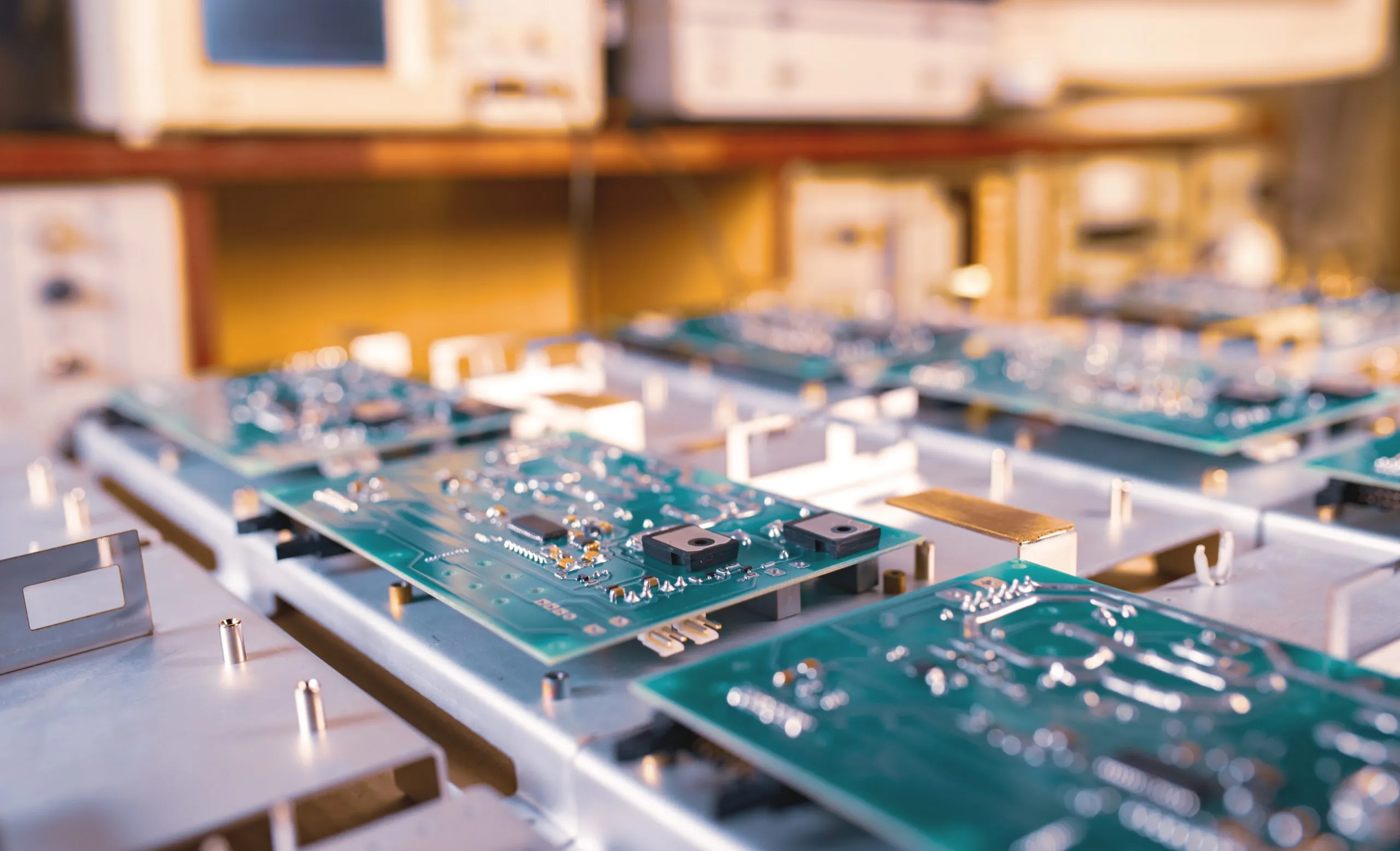
Germany’s semiconductor manufacturing market is not just growing, it’s evolving into one of the most essential sectors in the nation’s economy. Valued at around USD 16.9 billion earlier, this market is poised for significant growth due to increasing demand for semiconductors in key industries like automotive, telecommunications, and industrial automation. In the upcoming years, Germany’s strategic position in Europe, coupled with growing investments in R&D, is set to make it a global leader in the semiconductor supply chain. As industries worldwide continue their digital transformation, Germany’s semiconductor market will play an indispensable role in shaping the future of technology. This sector is increasingly central to industries that power everyday life, from transportation to energy to entertainment.
Key Drivers Fueling Germany’s Semiconductor Manufacturing Market
Diversified Demand Across Key Sectors
One of the driving forces behind Germany’s semiconductor market is its diversified demand. Automotive manufacturers, for example, are heavily relying on semiconductors for powertrain management, driver assistance systems, and electric vehicles (EVs). As the global push toward EVs intensifies, chips used in battery management systems and autonomous driving features are becoming more critical. Likewise, industries like industrial automation, consumer electronics, and telecommunications are seeing rising semiconductor content in their products. For instance, the increasing use of smart sensors and IoT devices in manufacturing systems is contributing to a surge in semiconductor needs. This broad demand base ensures that Germany’s semiconductor market will continue to thrive as industries look to optimize operations with advanced technology.
Strengthening Domestic Manufacturing and Production Infrastructure
Germany is also making substantial investments in boosting its semiconductor manufacturing capabilities. Local companies like Infineon Technologies and GlobalFoundries are ramping up their production capacity to meet growing demand. Dresden, often referred to as “Silicon Saxony,” is a key hub for semiconductor manufacturing, where cutting-edge research and production lines are rapidly expanding. The country’s efforts to strengthen local semiconductor infrastructure are supported by government initiatives and private sector investments. This shift towards more localized production will not only reduce dependency on external suppliers but also enhance Germany’s competitive edge in the global market.
Digital Transformation and Smart Manufacturing
Germany’s ongoing embrace of Industry 4.0 is another key driver of semiconductor demand. As factories modernize and adopt smart manufacturing processes, the demand for advanced chips is skyrocketing. Sensors, real-time data analytics, and AI-powered systems all require high-performance semiconductors. In sectors like industrial automation and robotics, the growing use of AI and machine learning is driving new innovations in production lines, improving efficiency, reducing costs, and enabling real-time decision-making. For example, autonomous systems in manufacturing rely heavily on semiconductor chips to process complex data from sensors, making their adoption a huge driver of market growth.
Government Support boosting the Semiconductor Industry’s Growth
The German government has played a vital role in supporting its semiconductor manufacturing market through a mix of policy incentives and strategic funding. Programs like the National Innovation Program for Hydrogen and Fuel Cells (NIP) and the European Union’s Chips Act have provided billions in funding for the development of cutting-edge technologies. State-backed initiatives focus on improving domestic production facilities, offering financial aid to companies like Infineon Technologies to expand their manufacturing capabilities. These efforts not only enhance local semiconductor production but also contribute to the broader European strategy of building a more self-sufficient semiconductor supply chain.
Competitive Landscape of Germany’s Semiconductor Market
Germany’s semiconductor market is home to a mix of well-established global giants and local champions, creating a dynamic competitive landscape. Infineon Technologies, the country’s largest semiconductor producer, focuses on automotive, power management, and security solutions. GlobalFoundries is another major player with a significant presence in Silicon Saxony. These companies are key drivers of growth in Germany, alongside specialized suppliers like Carl Zeiss, which provides the equipment and technology critical for semiconductor production. However, new entrants and start-ups in sectors like AI chips and quantum computing are beginning to make waves, positioning Germany as a hub for next-generation semiconductor technologies. Collaborative efforts between research institutions, private companies, and international players further fuel innovation, ensuring that Germany remains at the cutting edge of semiconductor manufacturing. The competitive dynamics in Germany’s semiconductor sector are continuously evolving, with both incumbents and newcomers striving to meet rising demand.
Key Barriers hindering Semiconductor Market Growth in Germany
Supply Chain Vulnerabilities
While Germany is strengthening its semiconductor capabilities, it still faces challenges related to global supply chain disruptions. The market has witnessed shortages of essential raw materials and components, particularly due to the pandemic and geopolitical tensions. Semiconductor manufacturing relies heavily on rare earth metals, such as lithium and cobalt, which can be affected by global supply chain delays. These disruptions have created risks for Germany’s manufacturers, who must secure a stable flow of materials to meet production needs. Overcoming supply chain vulnerabilities will require smarter procurement strategies and stronger local sourcing options.
Skills Shortage in Semiconductor Engineering
A significant challenge for the semiconductor industry is the lack of specialized talent. As semiconductor technology becomes more sophisticated, the need for highly skilled engineers and technicians has skyrocketed. In Germany, there is a shortage of professionals trained in semiconductor physics, materials science, and process engineering. This skills gap limits the ability of local firms to scale production and innovate at the required pace. Germany’s universities and research institutions are increasingly focusing on training the next generation of semiconductor professionals, but the industry must act quickly to fill this talent void. Addressing the skills shortage will be critical to ensuring that Germany can continue to lead in semiconductor manufacturing, keeping pace with rapidly changing technologies.
Future Outlook
Looking ahead, Germany’s semiconductor manufacturing market is expected to experience steady growth, with the country’s output projected to reach heights and continue to expand. As the demand for chips in automotive, industrial automation, and AI systems rises, Germany will remain a major player in global semiconductor production. Increased investment in domestic manufacturing, coupled with government support and strategic industry partnerships, will bolster the country’s role in Europe’s semiconductor supply chain. In the coming years, advancements in quantum computing, AI chips, and 5G technology will further propel the sector, ensuring that Germany remains competitive in a rapidly evolving technological landscape. The future of Germany’s semiconductor market looks bright, with sustained innovation and increasing market demand laying the groundwork for future success.
Consultants at Nexdigm, in their latest publication Germany Semiconductor Manufacturing Market Outlook to 2035, analyze the sector by System Type (Fabrication Equipment, Test Equipment, Assembly and Packaging Equipment and Wafer Manufacturing Equipment), by Fitment Type (On-premises Solution, Cloud Solutions, Hybrid Solutions and Integrated Solutions).
Nexdigm suggests that businesses should focus on strengthening local capabilities, investing in advanced technologies, and building strategic partnerships to stay competitive. Emphasizing R&D, workforce development, and supply chain resilience will help companies adapt to market shifts and capture emerging opportunities in the evolving semiconductor ecosystem.
To take the next step, simply visit our Request a Consultation page and share your requirements with us.
Harsh Mittal
+91-8422857704