
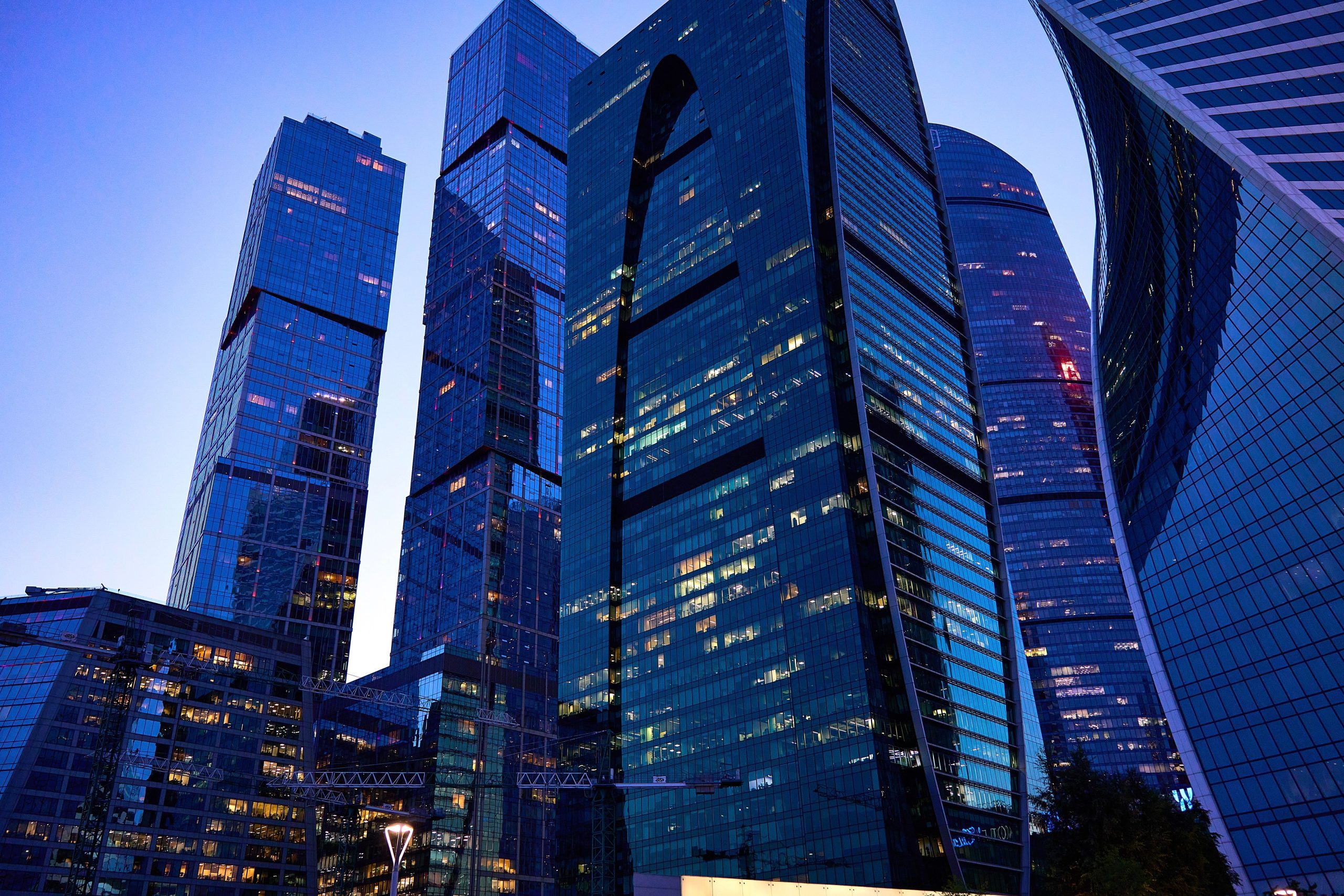
Germany smart building market is gaining momentum as the country focuses on energy efficiency, digital transformation, and sustainable infrastructure. Smart buildings integrate advanced technologies such as building automation systems, connected HVAC solutions, intelligent lighting, and energy management platforms to optimize operational performance. Germany’s large building stock presents significant modernization opportunities, with approximately 43.76 million dwellings recorded in 2024. Additionally, around 60% of building energy consumption is associated with heating, highlighting the need for smart technologies that improve energy efficiency. These factors are accelerating smart building adoption across residential, commercial, and industrial sectors.
Market Drivers Advancing the Germany Smart Building Growth
Growing Demand for Energy Efficiency and Building Modernization
Germany ambitious climate goals have increased the focus on reducing energy consumption in buildings. A significant share of existing buildings requires renovation and modernization to meet energy-efficiency standards. Smart technologies such as intelligent HVAC controls, occupancy sensors, and energy monitoring systems help property owners lower energy costs and enhance sustainability. Since heating accounts for nearly 60% of building energy consumption, energy-management solutions have become a key investment priority.
Expansion of Building Automation and Connected Infrastructure
The growing adoption of connected devices and Internet of Things (IoT) technologies is transforming how buildings are managed. Building owners are increasingly implementing integrated systems that connect lighting, security, ventilation, and climate-control functions through centralized platforms. These solutions improve operational efficiency, occupant comfort, and asset management. Demand is particularly strong in major cities such as Berlin, Munich, Frankfurt, Hamburg, and Stuttgart, where smart commercial infrastructure continues to expand.
Strong Construction and Retrofit Opportunities
Germany completed approximately 251,900 dwellings in 2024, creating opportunities for smart technology integration in new developments. At the same time, a vast existing building stock requires modernization to meet current energy and sustainability standards. The combination of new construction activity and retrofit projects provides sustained demand for smart building solutions, including building management systems, automated controls, and predictive maintenance technologies.
Government Initiatives Supporting Germany Smart Building Industry
The German government continues to promote building modernization through energy-efficiency regulations, sustainability targets, and climate-neutral building initiatives. Policies supporting the renovation of existing structures encourage the deployment of digital energy-management technologies and smart automation systems. Germany’s long-term objective of achieving climate-neutral building operations by 2045 further strengthens investment in intelligent building infrastructure and sustainable construction practices.
Competitive Landscape of Germany Smart Building Sector
The market features a mix of global technology providers, building automation specialists, energy-management companies, and local system integrators. Leading participants focus on expanding IoT-enabled platforms, cloud-based building management systems, smart HVAC controls, and AI-driven analytics. Strategic partnerships among technology companies, construction firms, and facility management providers are increasingly common as organizations seek comprehensive smart building solutions tailored to diverse end-user requirements.
Challenges Impacting Germany Smart Building Industry
High Initial Investment Requirements
Implementing advanced smart building systems often requires substantial upfront capital for software, sensors, networking infrastructure, and integration services. These costs can discourage adoption among smaller property owners and older facilities.
Integration and Cybersecurity Concerns
Integrating diverse building technologies from multiple vendors can be technically complex. Additionally, the growing use of connected devices increases cybersecurity risks, making data protection and system security important considerations for market participants.
Future Outlook
The future of Germany smart building market remains highly promising, supported by ongoing digitalization, sustainability initiatives, and energy-efficiency objectives. Demand for intelligent building management systems, connected HVAC solutions, AI-powered analytics, and predictive maintenance technologies is expected to increase steadily. Growing retrofit activity across Germany’s extensive building stock, combined with new smart construction projects, will create long-term opportunities for technology providers and investors. As environmental regulations become more stringent and energy costs remain a key concern, smart building adoption is expected to accelerate across residential, commercial, and industrial applications.
Consultants at Nexdigm, in their latest publication “Germany Smart Building Market Outlook to 2035,” analyze the sector By (Market Definitions and Scope, Smart Building Ecosystem Mapping, Market Sizing Framework, Top-Down Analysis, Bottom-Up Market Reconstruction).
Nexdigm suggests that businesses in the Germany Smart Building Industry focus on technological advancement, smart infrastructure integration, and sustainability-driven solutions. Companies can strengthen their competitive position by enhancing digital capabilities, expanding solution offerings, and addressing the growing demand for intelligent and efficient building environments.
To take the next step, simply visit our Request a Consultation page and share your requirements with us.
Harsh Mittal
+91-8422857704